
Film
Stage Fright
Other titles called Stage Fright: the 1950 film, the 2014 film.
A 1987 Italian slasher where theater students rehearsing a musical find themselves hunted by an escaped asylum patient. It's a stylish, efficiently cruel film with the baroque violence and saturated colors Argento disciples brought to the genre. For fans of eighties horror who want their thrills bloody and their cinematography gorgeous.
If you liked this
Suspiria1977
Dario Argento's masterpiece of pure visual terror—a ballerina discovers her dance academy harbors supernatural evil. Sumptuous, irrational, hypnotic. The template for everything Stage Fright learned.
But It's more mood and image than plot; if you need narrative clarity and forward momentum, the dreamlike pacing will frustrate you.

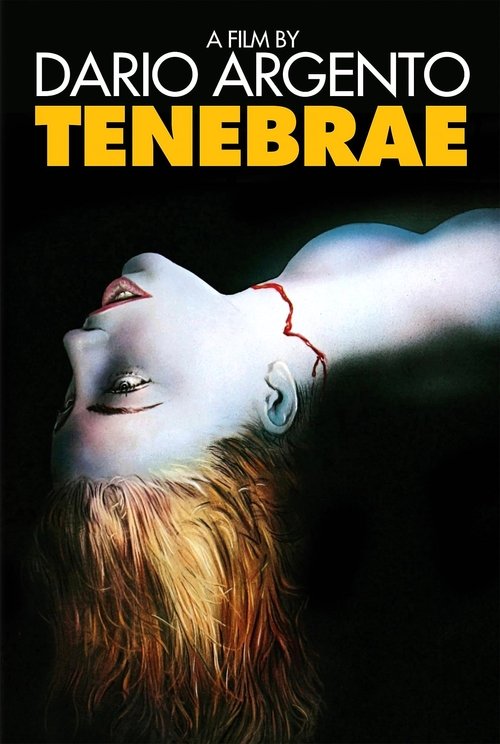
Tenebre1982
Argento's most controlled giallo: a crime novelist becomes entangled in a real murder investigation. Obsessive, architectural, and brutal. The spiritual sibling to Stage Fright's locked-room dynamics.
But Deliberately detached and cerebral where other slashers are visceral. The distance Argento maintains can feel cold.
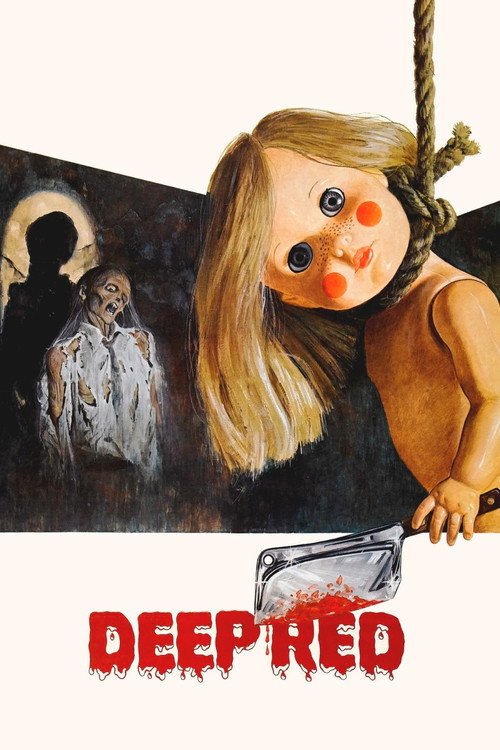
Deep Red1975
A pianist witnesses a murder and descends into a maze of deception and violence in Turin. Ingenious construction, graphic kills, that unforgettable score. Argento at his most labyrinthine and revenge-focused.
But Nearly two and a half hours, and deliberately convoluted. The plot knots reward attention but punish impatience.
Not sure tonight? Get a pick in a minute, starting from Stage Fright
The wildcard
Something you would not have found on your own.
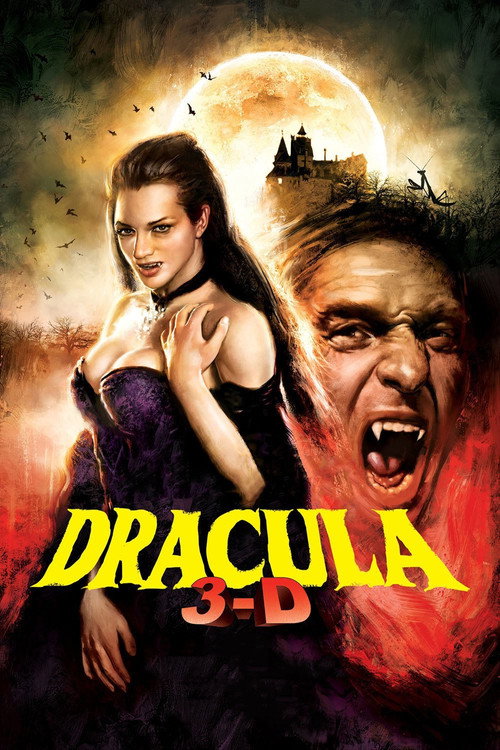
Dracula 3D2012
Both apply theatrical artifice—costume, design, colored light, impossible violence—to make horror feel like a stage act rather than something real or rational.
Late Argento adapting Stoker through 3D spectacle and black-magic body horror. It shouldn't work, but watching a master return to familiar tropes with new toys produces strange, hypnotic cinema. Weirder and more generous than his reputation suggests.
But The CGI is dodgy, the pacing is slack, and Argento's judgment is clearly failing. It's easier to admire the ambition than to enjoy the film.
More like this (8)
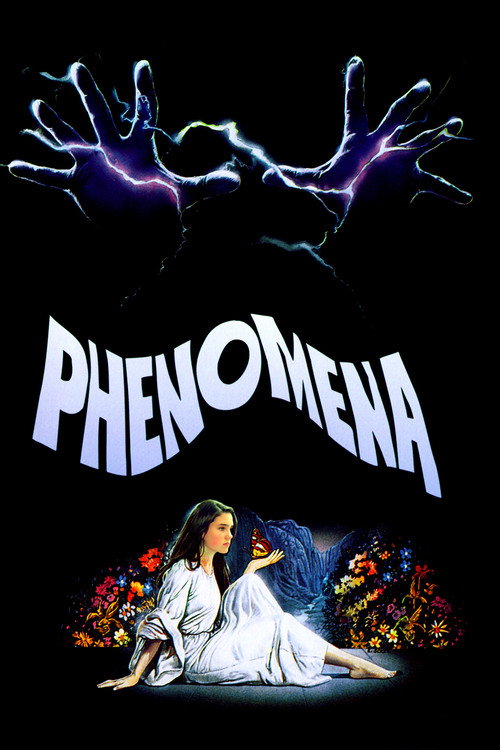
Phenomena1985
Argento's fever dream where a teenage girl with entomological powers investigates murders in a Swiss school. Surreal, gorgeous, and utterly unhinged. Peak eighties-Argento excess and visual invention.
But The script is frankly nonsensical. Embracing the absurdity is essential; demanding sense from it will derail you.
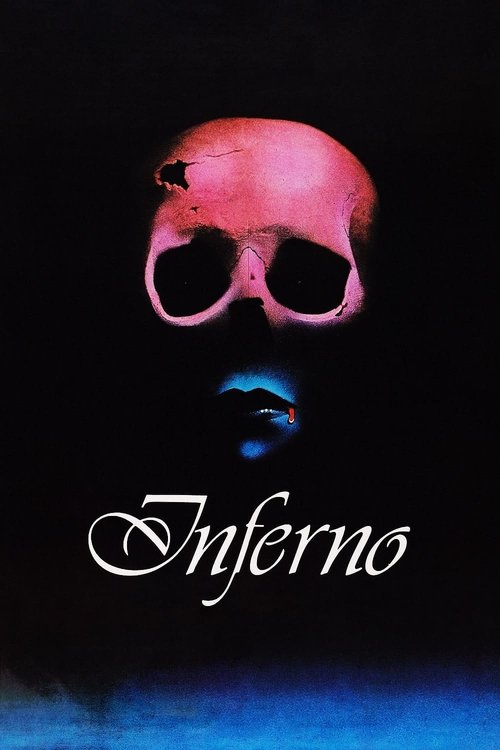
Inferno1980
The second Argento film in his 'Three Mothers' trilogy—a woman investigates a sinister Rome apartment building hiding occult horrors. Labyrinthine, darkly beautiful, and genuinely eerie.
But Oblique even by Argento standards. The plot exists to justify atmosphere rather than the reverse; some find it hermetic.
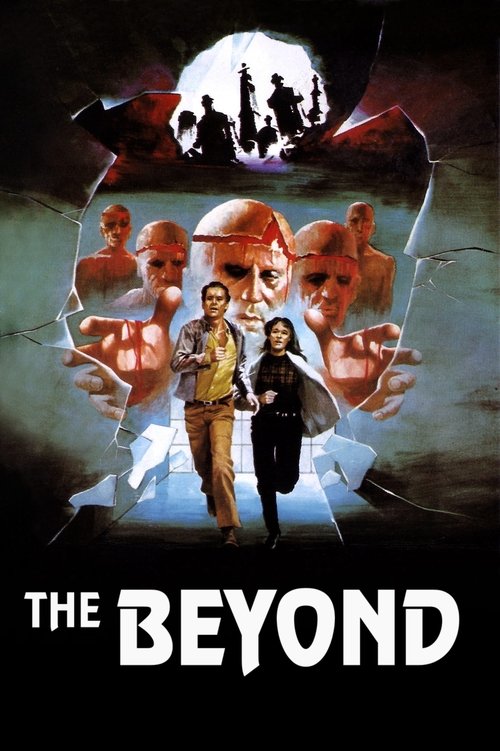
The Beyond1981
Lucio Fulci's masterpiece of surreal dread: a woman inherits a New Orleans hotel built atop a portal to hell. Incoherent in the best sense—pure nightmare logic and unsettling imagery throughout.
But The narrative is deliberately fragmented and the ending is apocalyptic nihilism. It does not resolve; it dissolves.
Possession1981
Andrzej Żuławski's baroque nightmare of marital breakdown and cosmic horror in Cold War Berlin. Unhinged, visceral, and genuinely disturbing. A film that feels wrong to watch, in the right way.
But Relentlessly tense and sexually violent. The performances are operatic-unnatural, which thrills some and exhausts others.

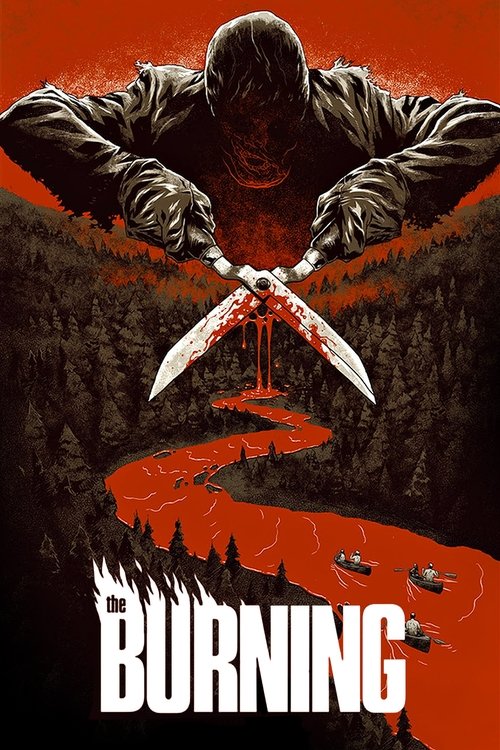
The Burning1981
A summer-camp slasher that legitimately terrifies: an escaped burn victim hunts teens with a pair of garden shears. Practical gore, atmosphere, and an indie scrappiness that punches above its budget.
But Slower burn than most slashers, and the ending feels abrupt rather than climactic. Patience required.
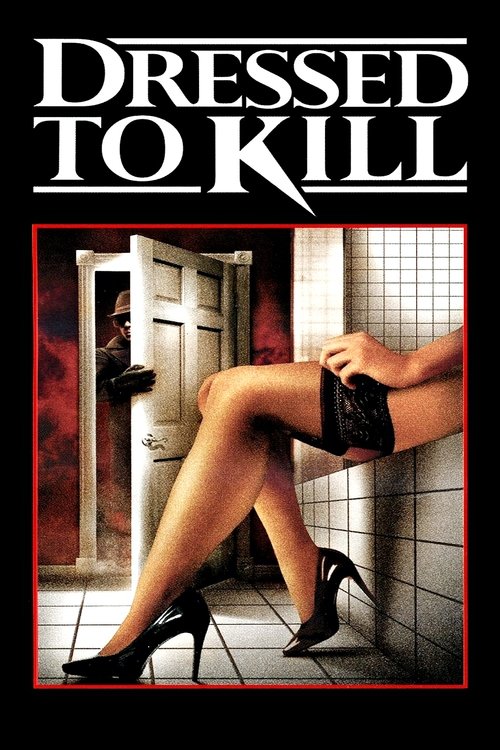
Dressed to Kill1980
De Palma's Hitchcockian psychosexual thriller: a housewife witnesses a murder and becomes prey to a killer in drag. Immaculate pacing, genuinely shocking set-pieces, and moral ambiguity that lingers.
But The gender politics haven't aged gracefully. Reducing transness to murderous psychosis feels dated and uncomfortable now.
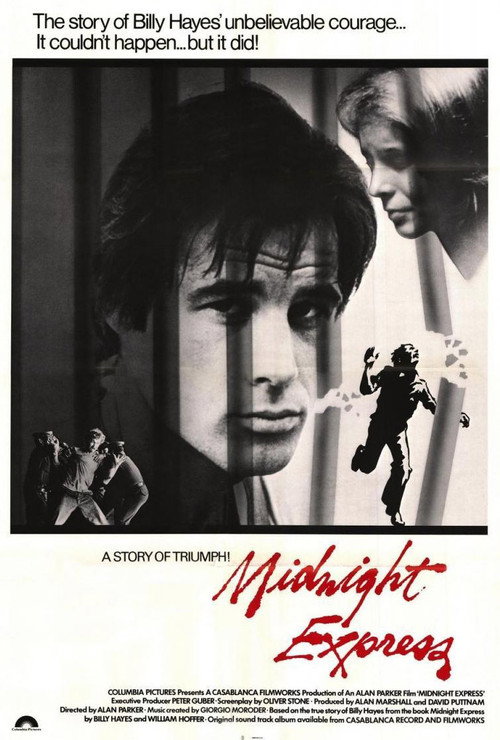
Midnight Express1978
Both trap a group of isolated people and weaponize the confined space itself—the slasher's locked mansion becomes a prison of walls and circumstance, but the effect is identical.
A young American imprisoned in a Turkish hellhole for drug smuggling experiences escalating violence and psychological collapse. Visceral, morally complicated, and propelled by Alan Parker's feverish direction. A seventies masterpiece of entrapment.
But The film's treatment of Turkish characters has been criticized as Orientalist stereotyping, and the violence can feel exploitative rather than necessary.
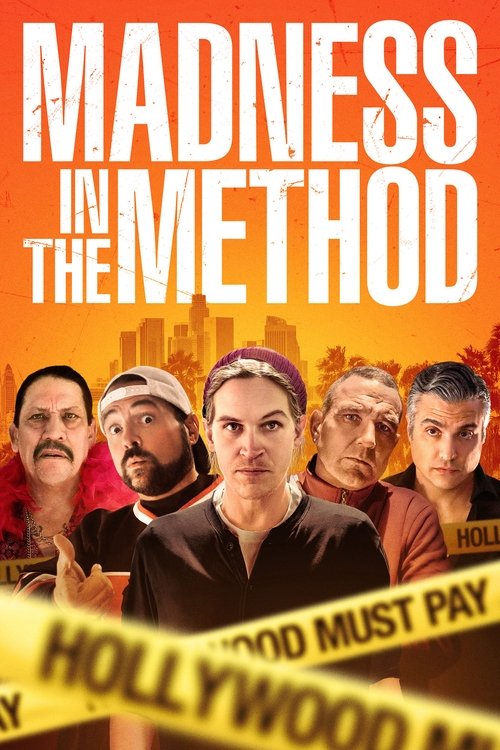
Madness in the Method2019
Both films center on performers becoming hunted during rehearsal, and both explore the paranoia of whether the violence is supernatural, psychological, or just the chaos theater naturally attracts.
A Japanese horror-comedy about theater students rehearsing a Shakespearean tragedy who become convinced their production is genuinely cursed. Tonal elasticity, elaborate practical effects, and real affection for the theater world itself.
But Wildly uneven tonal shifts between comedy and genuine unease. The horror dissipates when the film leans too hard into jokes.
People
Cast
 Barbara CupistiAlicia
 David BrandonPeter
 Robert GligorovDanny
 Wanja Mary SellersLaurel

 James SampsonWilly
- Jo Ann SmithSybil
 Domenico FiorePolice Chief
 Mickey KnoxOld Cop
 Michele SoaviYoung Cop (uncredited)
- Clain ParkerIrving Wallace
- Loredana ParrellaCorinne
Directing
- Claudio LattanziAssistant Director
- Michele SoaviDirector
Writing
- Sheila GoldbergDialogue
- George EastmanScreenplay
Production
- Donatella DonatiProducer
- Joe D'AmatoProducer
- Antonio TacchiaProduction Manager