
Television series
Dracula
Other titles called Dracula: the 1931 film, the 1958 film, the 1979 film.
Claes Bang's Count Dracula is seductive, intelligent, and genuinely terrifying—a predator who thinks centuries ahead. This BBC miniseries strips away gothic melodrama to find the horror in appetite, isolation, and a monster who views humanity as beneath his contempt. It's gorgeously shot, wickedly funny, and designed for people who love horror that makes you think.
If you liked this
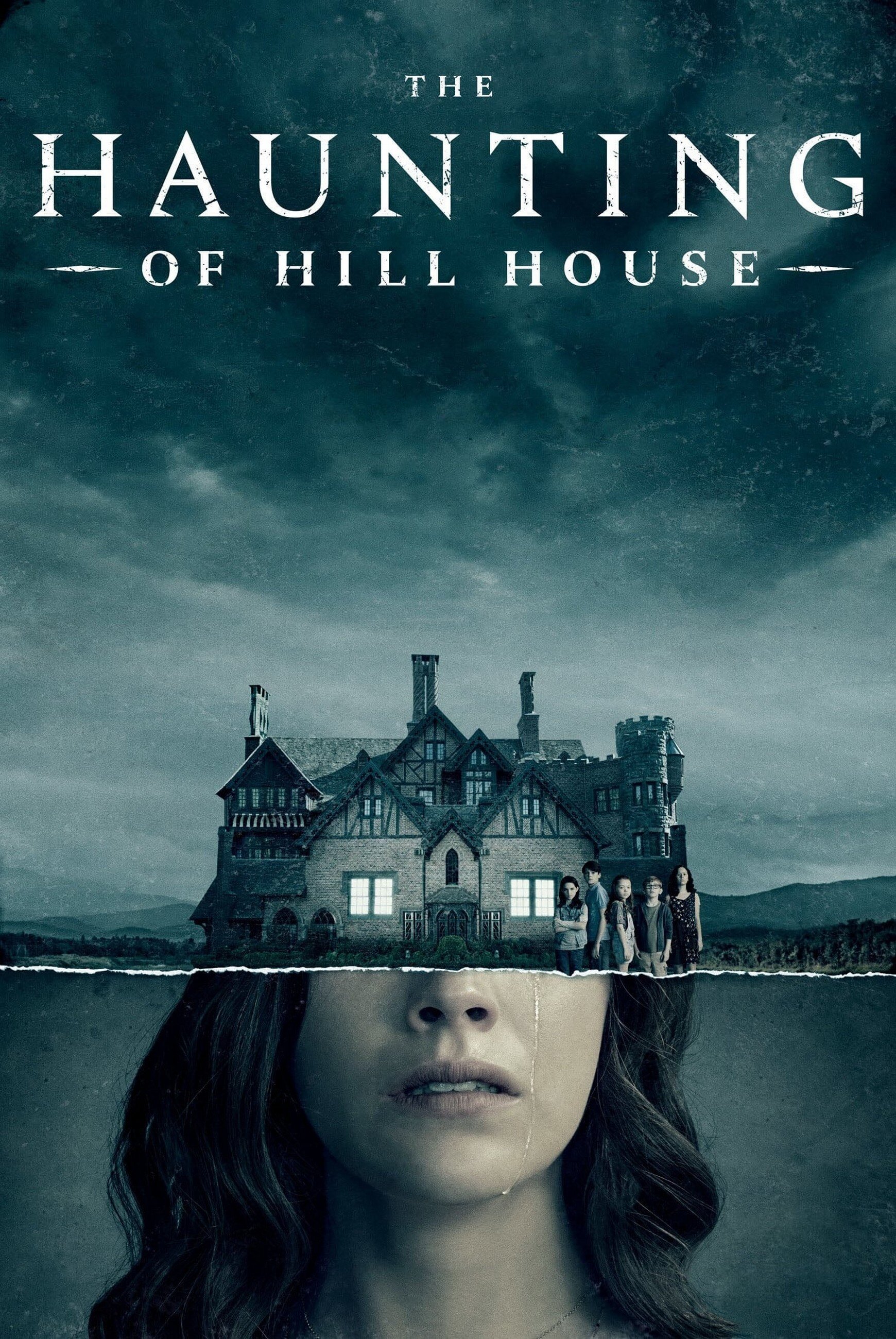
The Haunting of Hill House2018
Gorgeous, melancholy horror that trusts atmosphere over jump scares. Like Dracula, it builds dread through character and mystery, layering family trauma beneath the supernatural terror. Unforgettable and deeply unsettling.
But Slower than you might expect, and the emotional beats matter as much as the scares. Some find that balance frustrating rather than enriching.
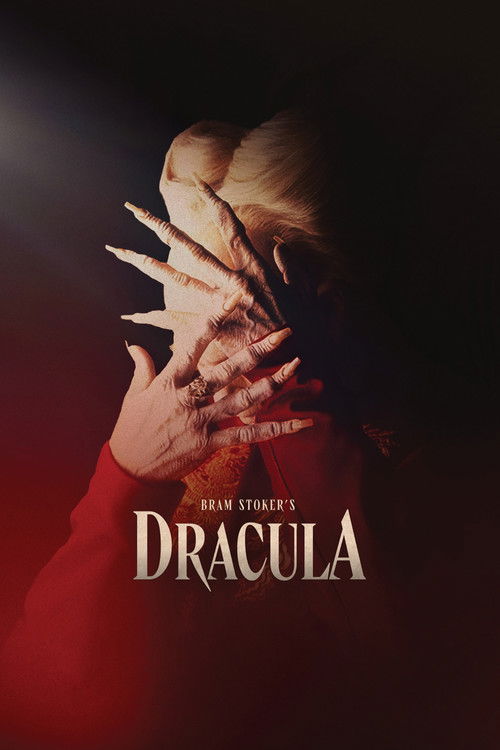
Bram Stoker's Dracula1992
Coppola's operatic version shares the BBC's fascination with Dracula as a charismatic, tragic figure. Sumptuous production design and a committed cast make this a stunning counterpoint—different but equally obsessive about its subject.
But Wildly over-the-top at times, with romantic melodrama that undercuts the horror. If you want restraint, this will feel excessive.
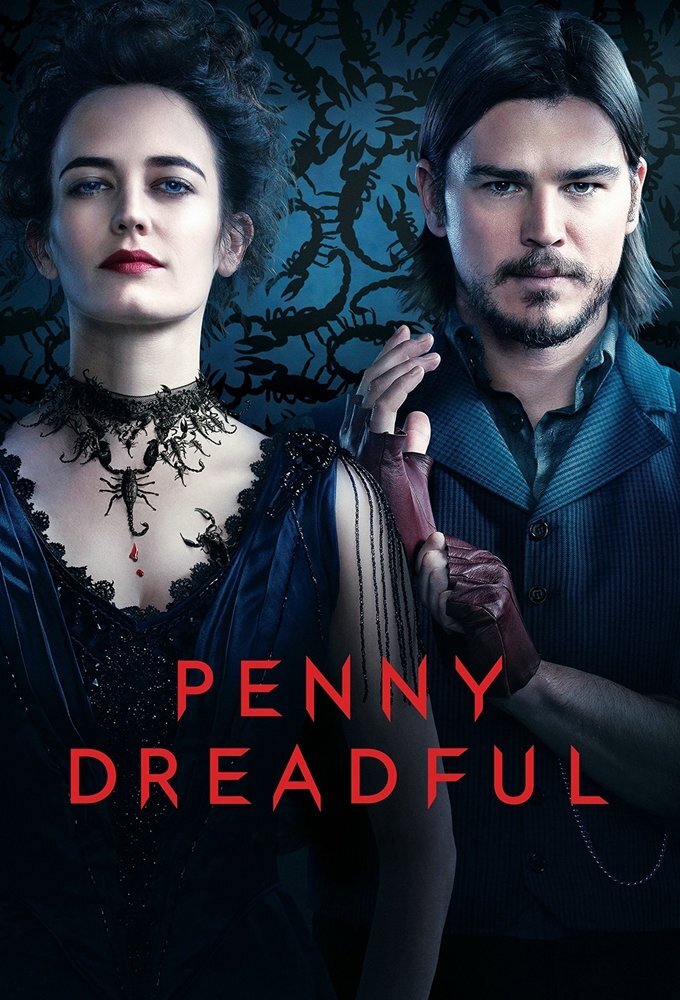
Penny Dreadful2014
Victorian London, literary monsters, and a cast of complex, morally compromised characters. Shares Dracula's love of gothic atmosphere and smart writing that respects the audience's intelligence. Utterly addictive.
But The plot meanders in season two, and some subplots resolve unsatisfyingly. It never quite sustains its early brilliance across the full run.
Not sure tonight? Get a pick in a minute, starting from Dracula
The wildcard
Something you would not have found on your own.
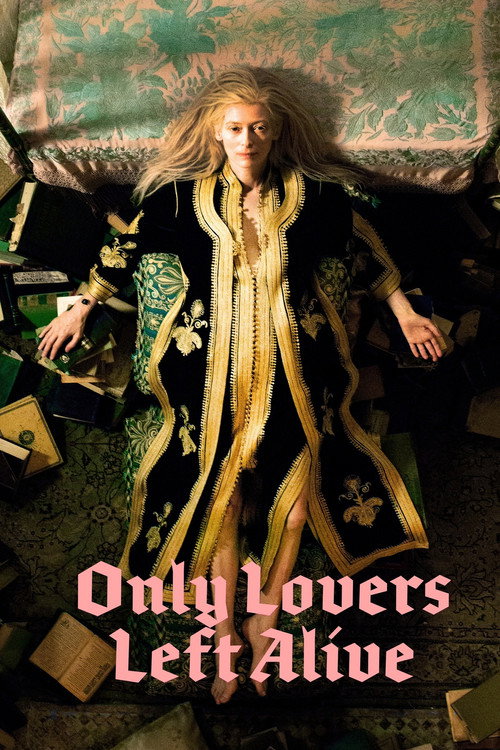
Only Lovers Left Alive2013
Both are fascinated by what immortality actually costs—not the logistics, but the spiritual and emotional toll of outliving everyone and everything you touch.
Jim Jarmusch's vampire film is a love letter to art, history, and the loneliness of immortality. Where Dracula is predatory appetite, this is centuries of cultivated taste and ennui. Same mythology, completely different emotional register—intimate, funny, achingly beautiful.
But It's a mood piece that moves at its own pace. Minimal plot, maximum atmosphere. If you need propulsion or clear narrative stakes, you'll find it frustratingly static.
More like this (8)
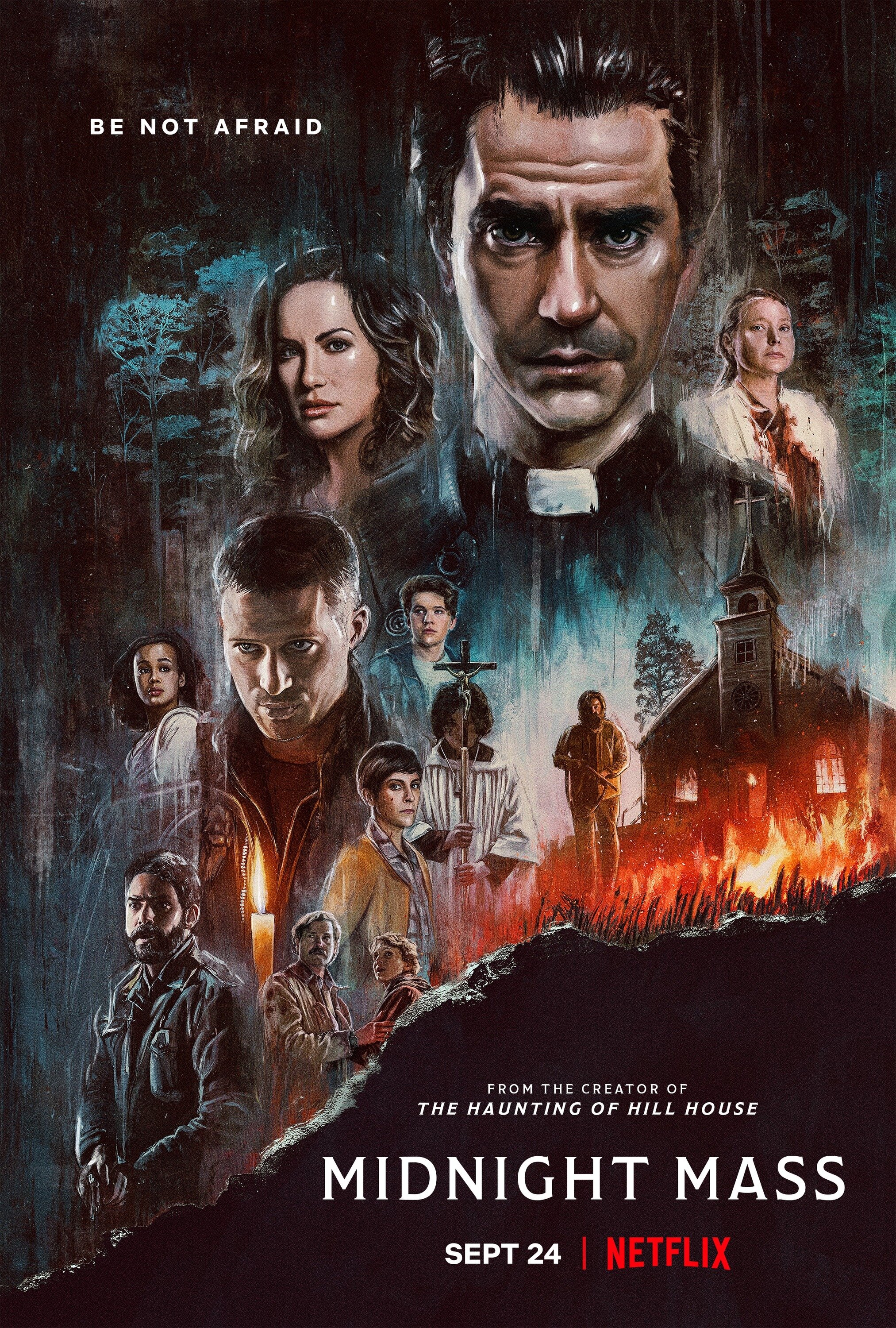
Midnight Mass2021
A miniseries about a small community corrupted by something they mistake for salvation. Like Dracula, it's about predation wrapped in seduction, with gorgeous cinematography and a protagonist you can't quite look away from.
But Deliberately paced and philosophical—long monologues about faith and doubt. If you want propulsive narrative momentum, you'll find it ponderous.
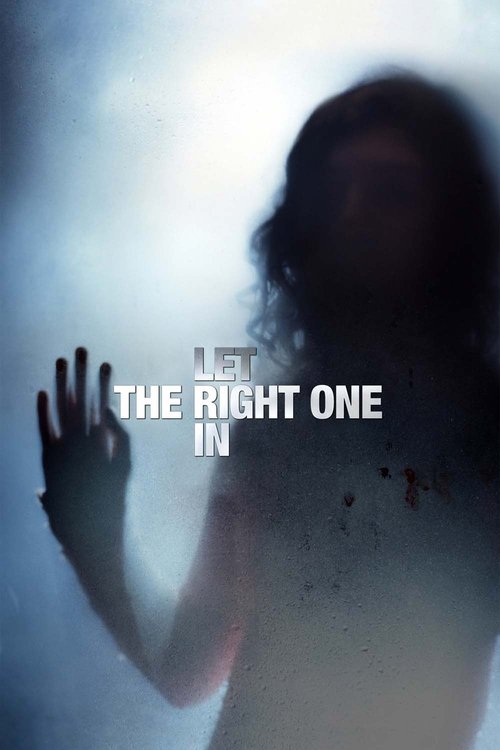
Let the Right One In2008
A vampire story that's intimate and devastating, finding horror in vulnerability rather than spectacle. Swedish restraint and a genuine emotional core make this unforgettable. The opposite of exploitation, the purest distillation of what vampires mean.
But Quiet and melancholic throughout. The pacing is deliberate; it asks patience, and some find that glacial.
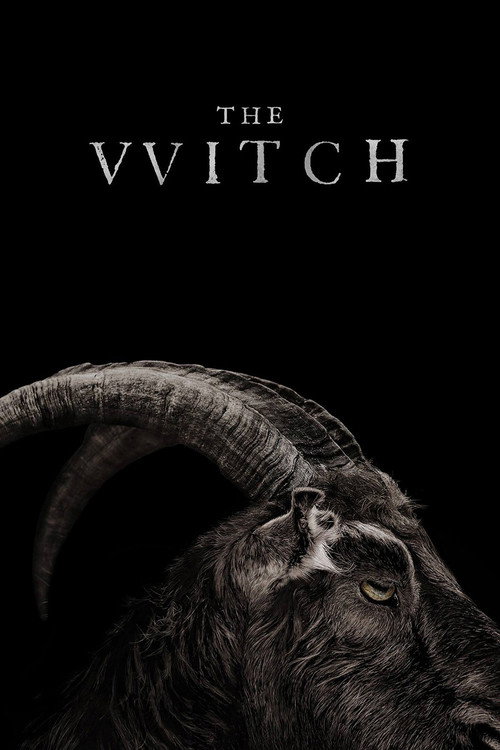
The Witch2016
Meticulous folk horror that builds dread through language, performance, and accumulated unease. Like the BBC Dracula, it respects your intelligence and rewards close attention. Genuinely disturbing without ever feeling cheap.
But Early 17th-century dialogue takes adjustment. Some find it mannered; others find that specificity essential to its power.
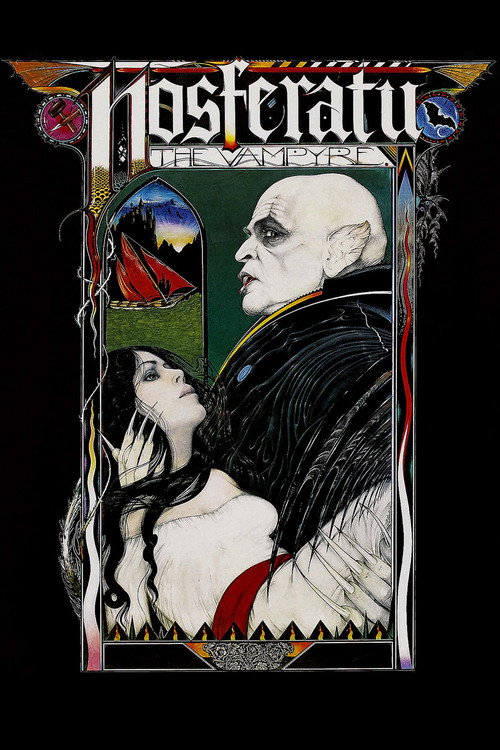
Nosferatu the Vampyre1979
Werner Herzog's haunting meditation on loneliness and predation. Klaus Kinski's Count is tragic in a way that echoes Bang's performance—a monster rendered almost pitiable by his isolation and appetite. Hypnotic and mournful.
But Deliberately slow and lyrical. If you're looking for action or traditional scares, you'll be disappointed by Herzog's meditative approach.
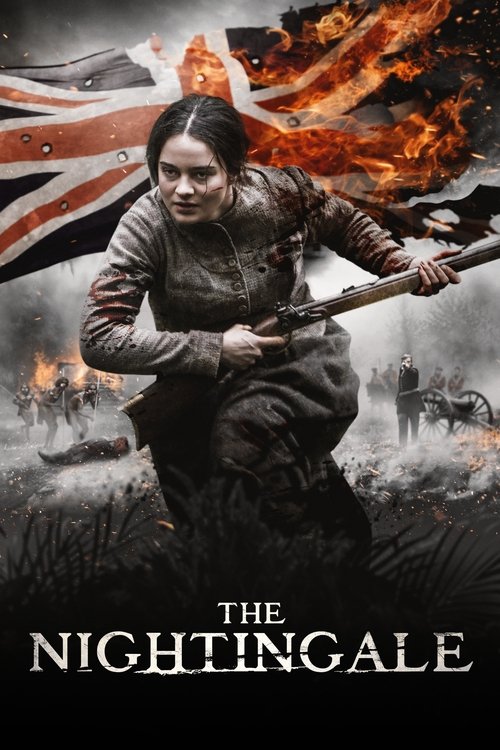
The Nightingale2018
Australian gothic horror set in 1825 Tasmania. Visceral and morally complex, it shares Dracula's interest in predators moving through society. Raw, uncompromising, and darkly intelligent about power and violence.
But Brutal and unrelenting. Contains graphic violence and trauma that many will find genuinely difficult to watch.
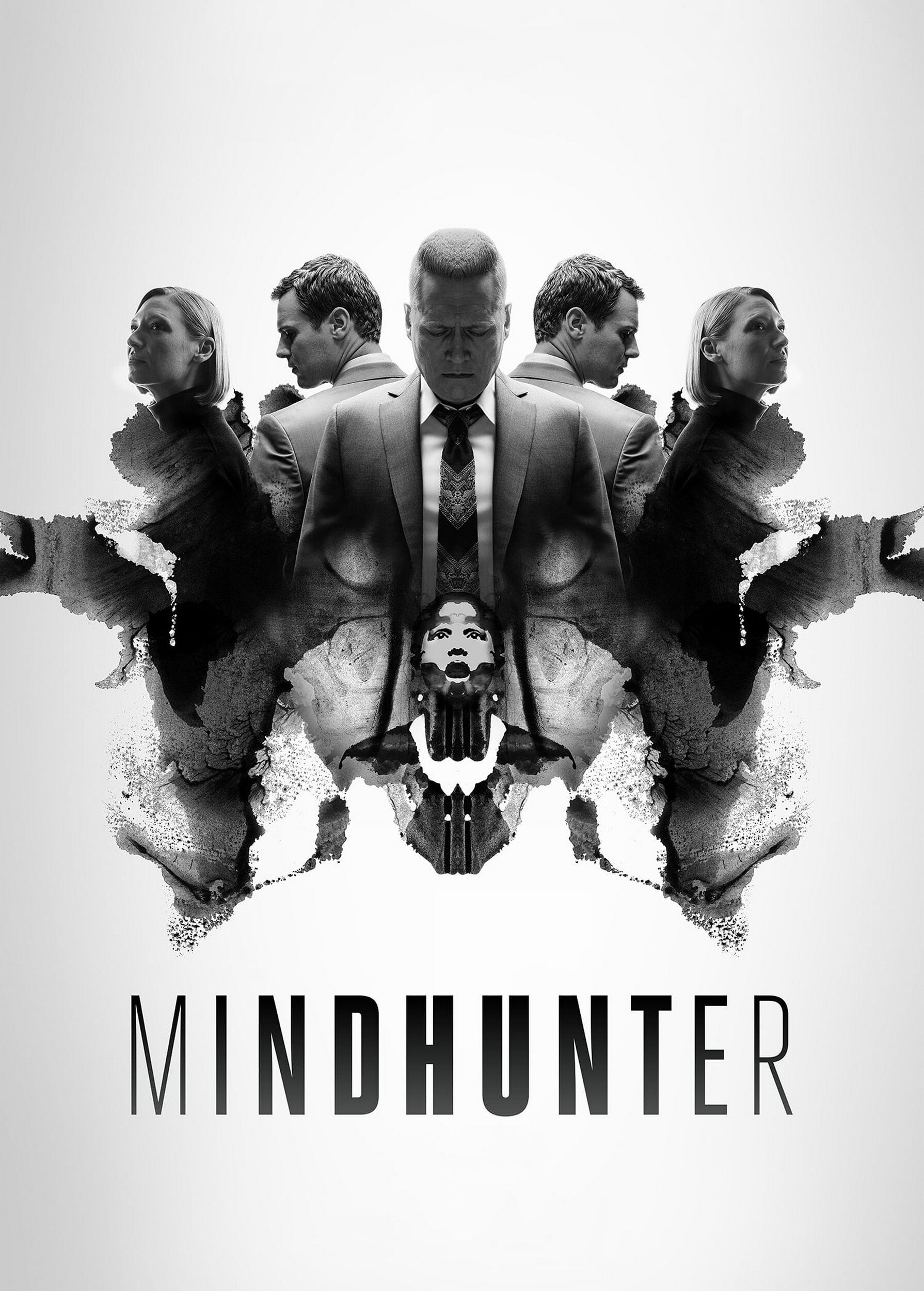
MINDHUNTER2017
Psychological thriller about the hunt for understanding predators. While not supernatural, it has the same intelligence and tension as Dracula—two sides studying each other, neither quite able to fully comprehend the other.
But Procedural pacing can feel repetitive, and the psychological profiles are sometimes presented as more revelation than they deliver. Some find it overly academic.
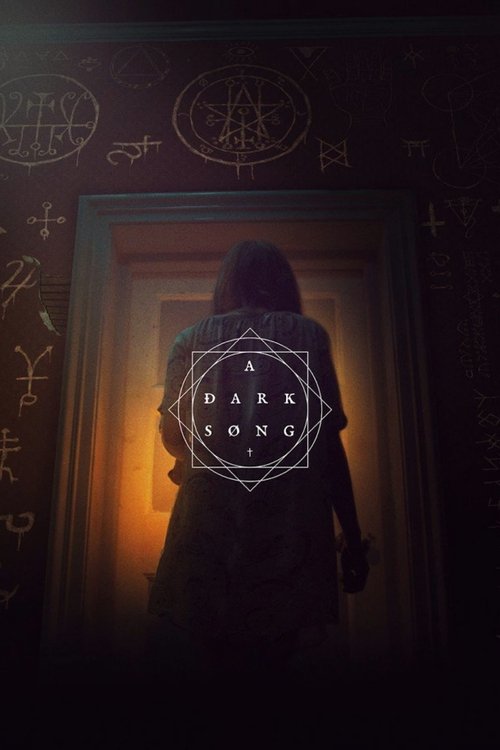
A Dark Song2016
Both explore the vampire's essential transaction: I will give you what you desire, and you will surrender something irreplaceable in return.
An Irish film about grief, prayer, and a woman hiring an occultist to commune with her dead son. Formally stunning and emotionally devastating. Like Dracula, it's concerned with what we'll pay to get what we want, and what price is too high.
But Religiously preoccupied and deliberately obscure about its metaphysics. Some will find it murky and withholding; it deliberately resists easy explanation.
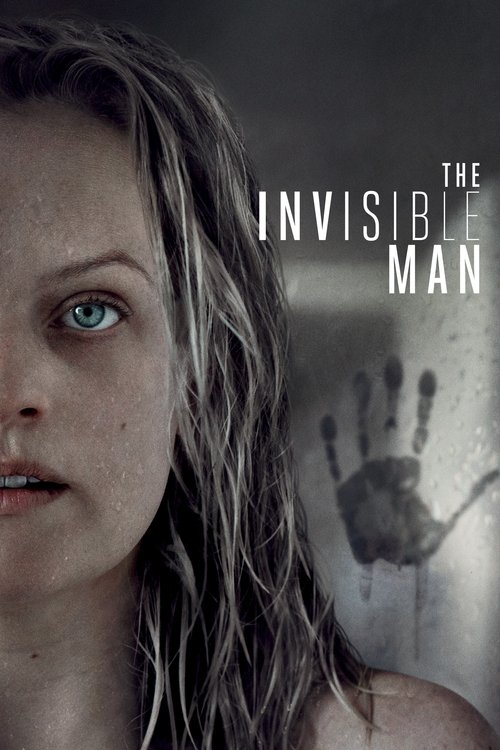
The Invisible Man2020
Both use a supernatural predator as a vehicle for exploring how power operates when one party is fundamentally unobservable or disbelieved—how monsters move through society undetected.
Leigh Whannell's reimagining strips a classic tale to its essence: power imbalance, invisible predation, nobody believing the victim. Claustrophobic and furious. Modern yet timeless, it finds horror in a dynamic as old as Dracula itself.
But The isolation and suffocation of its central dynamic may feel oppressive rather than thrilling. Some find the sustained tension exhausting rather than exhilarating.
People
Cast

Writing
- Mark GatissCreator
- Steven MoffatCreator
Production
- Ben IrvingExecutive Producer
- Larry TanzExecutive Producer
- Mark GatissExecutive Producer
- Steven MoffatExecutive Producer
- Sue VertueExecutive Producer