
Film
The Bride
Franc Roddam's audacious 1985 reimagining of Frankenstein as romantic tragedy and gender parable. Sting plays the lonely creature; Jennifer Beals is his intended bride, who chooses freedom over companionship. Visually sumptuous, tonally uneven, deeply weird—a film that swings for the fences and doesn't always connect, but never bores.
Should you watch it?
Watch it if you want a gothic, operatic reimagining of Frankenstein that treats monsters and obsession as romance, and you don't mind a loopy, stylised fever dream with a pop star in the lead role.
Skip it if you need tight plotting and a clear throughline, since this drifts between tones and chapters and can feel scattered over its two-hour runtime.
What it asks of you: A loose, uneven shape: it wanders through set pieces and abrupt mood swings, and it wants you swept along rather than checking its logic.
Not sure? Find tonight's pick in a minute.
If you liked this
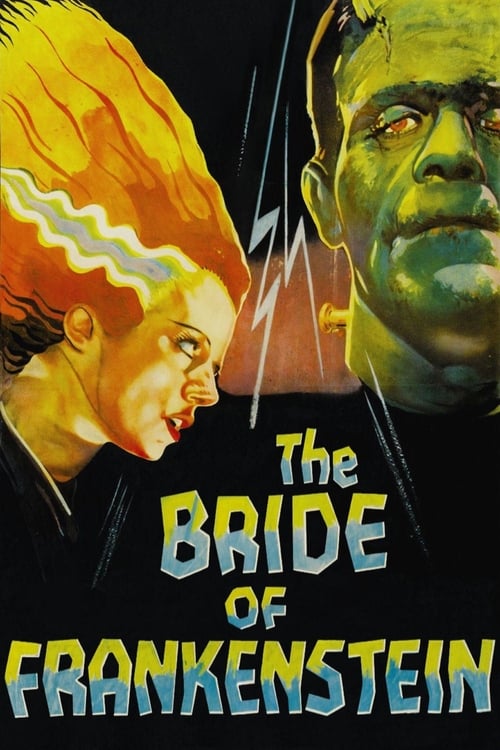
Bride of Frankenstein1935
The obvious ancestor, and a masterpiece. James Whale's 1935 sequel invents the bride concept itself, with Elsa Lanchester's extraordinary performance and sublime black-and-white composition. Essential viewing for anyone curious where Roddam started.
But At 75 minutes it moves fast, which some find brisk to the point of slight. The monster scenes are darkly comic in ways that won't appeal if you want pure gothic dread.
Crimson Peak2015
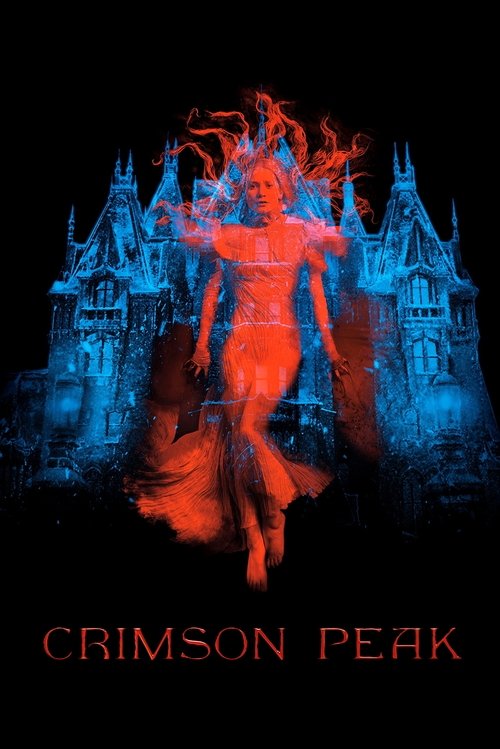
Guillermo del Toro's love letter to gothic romance: a haunted mansion, a mysterious man, a woman learning terrible truths. Visually lush and perverse in the best way, with the same willingness to treat horror and desire as co-conspirators that animates The Bride.
But It's deliberately paced and sometimes slow-burning. If you want propulsive narrative momentum, you'll find yourself frustrated by the atmospheric buildup.
Penny Dreadful2014
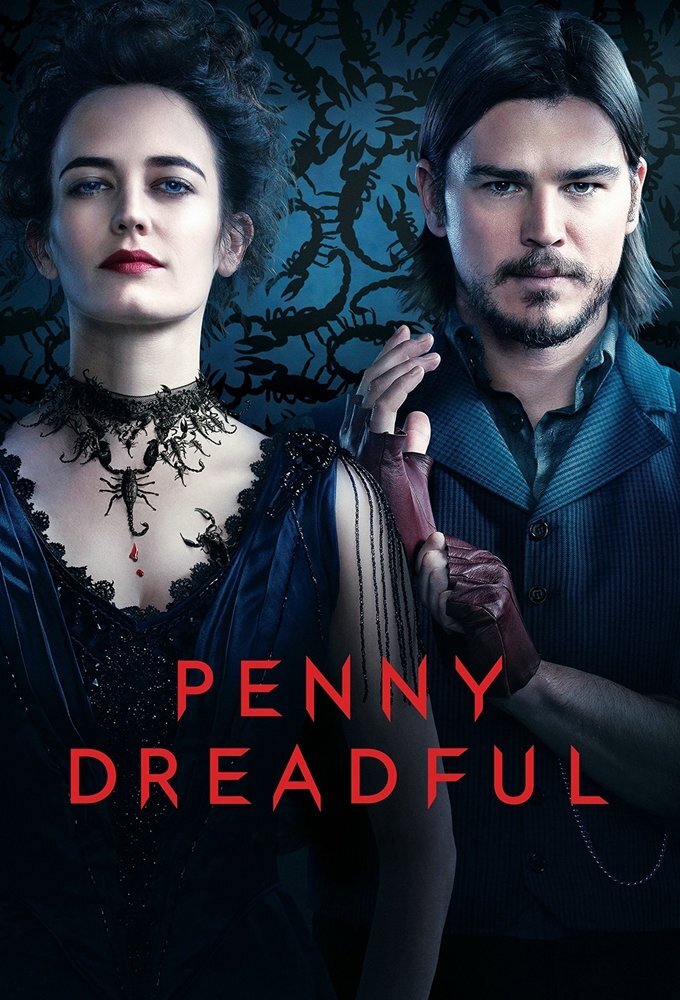
Showtime's kaleidoscopic Victorian horror series treats Frankenstein's monster and bride as tragic figures in a larger tapestry of literary monsters. Beautifully shot, genuinely unsettling, and far more interested in the interior lives of outcasts than in jump scares.
But Nine episodes in and the plotting can feel baroque and overstuffed. Patient viewers will love it; those wanting clarity faster may feel lost.
Not sure tonight? Get a pick in a minute, starting from The Bride
The wildcard
Something you would not have found on your own.
Nosferatu the Vampyre1979
Both remake canonical horror by privileging the monster's emotional truth over plot machinery. The creature becomes the emotional center, not the threat.
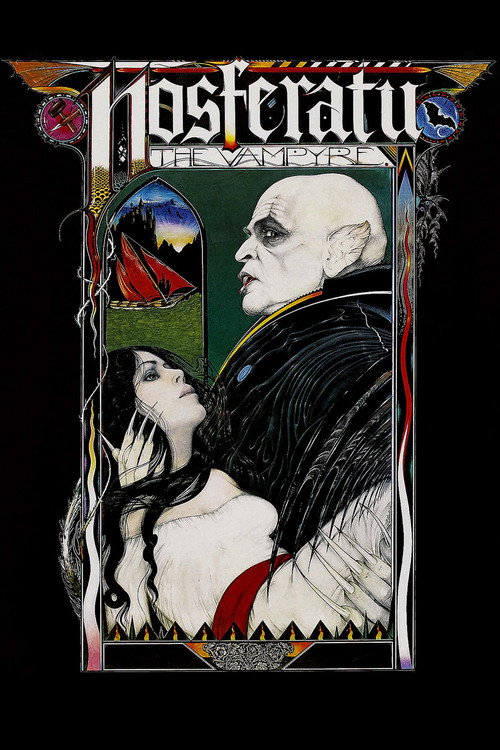
Werner Herzog's 1979 remake replaces Murnau's expressionism with something stranger: patient, melancholic, almost romantic in its treatment of the vampire's loneliness. Klaus Kinski's creature is tragic rather than monstrous. The connection: both films remake classics by treating monsters with genuine compassion, making you feel what they feel rather than fear them.
But It's slow and meditative to the point of funeral. If you watch vampire films for action or gothic thrills, this will feel like watching paint dry.
More like this (7)
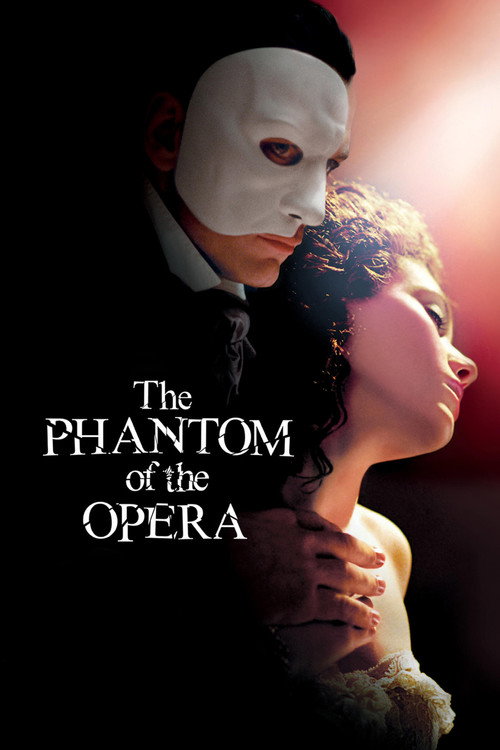
The Phantom of the Opera2004
Another 1980s operatic reimagining: a lonely, monstrous man obsesses over a woman who will never reciprocate. Visually baroque, genuinely romantic despite (because of?) its twisted premise. Lloyd Webber's music soars.
But If stage musicals feel artificial or overwrought to you, the melodrama and earnestness will feel excessive rather than moving.
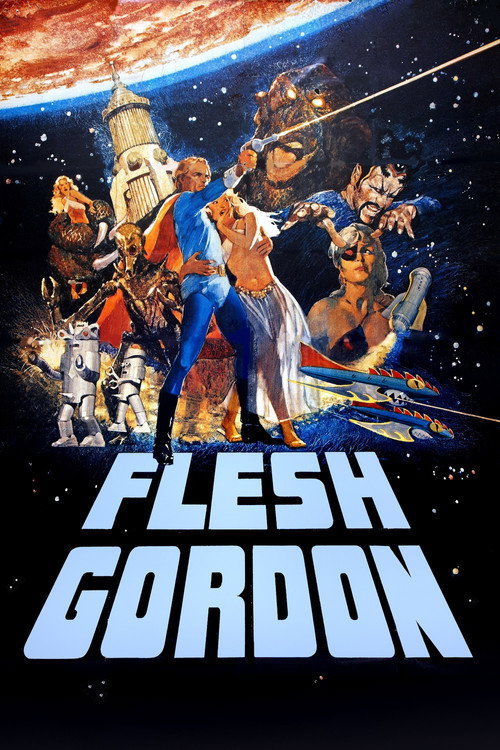
Flesh Gordon1974
An aggressively weird sci-fi softcore comedy that shares The Bride's gleeful disregard for genre boundaries. Trashy, imaginative, utterly itself—proof that 1970s exploitation cinema could be smart and sexy simultaneously.
But It's explicit softcore from the 1970s. If nudity and sexual content make you uncomfortable, this won't work. Also occasionally in poor taste in ways that haven't aged well.
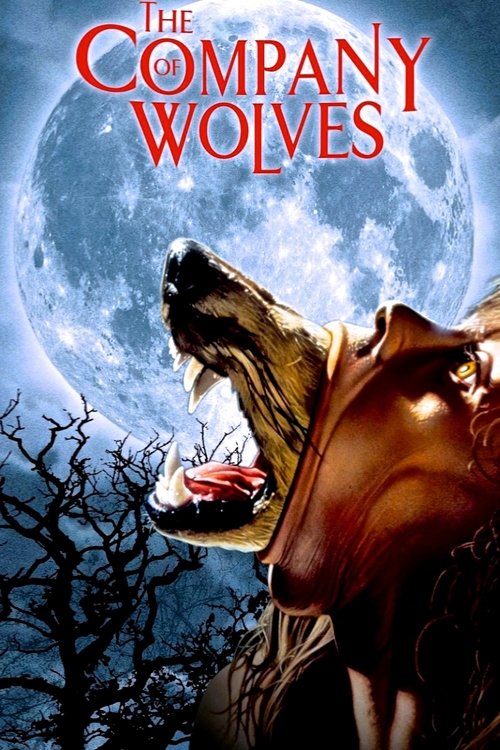
The Company of Wolves1984
Neil Jordan's hallucinatory fairy-tale riff on Little Red Riding Hood, released the same year as The Bride. Dream logic, gorgeous production design, and a willingness to treat fantasy as psychologically real rather than literally fantastical.
But It's abstract and digressive. If you want plot clarity and narrative drive, you'll find it frustratingly dreamlike and evasive.
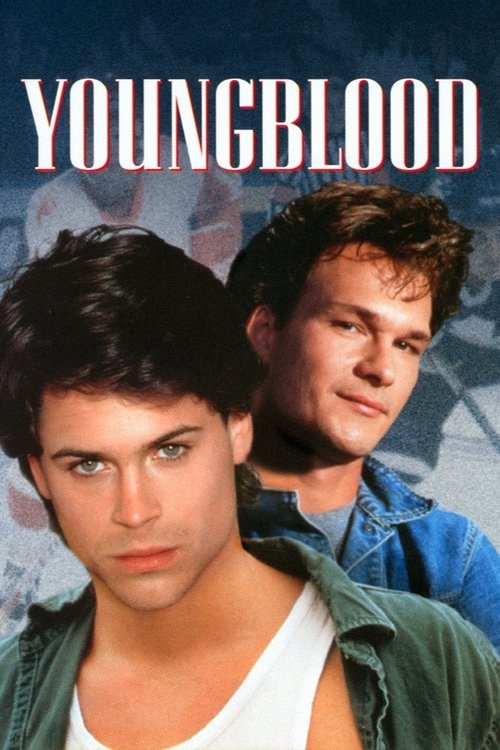
Youngblood1986
Rob Lowe in an earnest sports romance that wears its sincerity openly. Completely different genre and register from The Bride, but the same era's confidence in unironic emotion and romantic idealism.
But It's fundamentally a sports movie first, romance second. If hockey doesn't interest you, the film's pleasures will feel narrow.
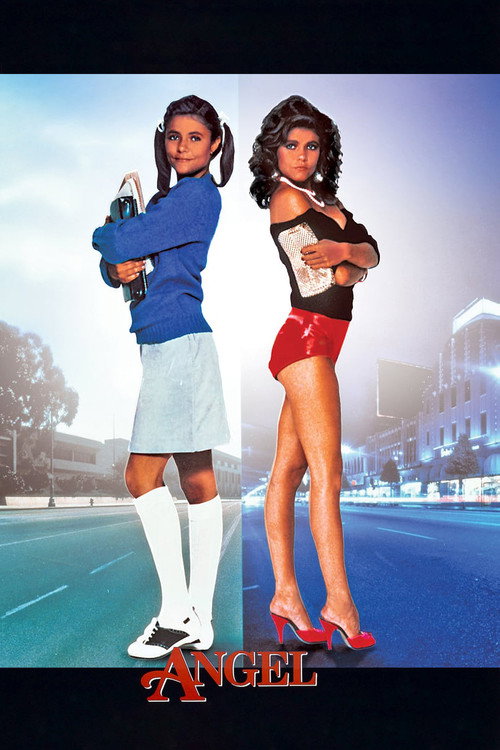
Angel1984
Neil Marshall's provocative debut about a schoolgirl who turns to sex work at night. Transgressive, visually stylish, genuinely concerned with its protagonist's interiority rather than exploitation. Another 1980s oddity about female agency and desire.
But The subject matter is bleak and the film doesn't shy from showing sex work's danger and degradation. Some will find it exploitative despite its stated intent.
Synecdoche, New York2008
Both films treat obsessive love and artistic creation as indistinguishable, and both embrace visual and narrative strangeness as the only honest way to express how these feelings actually feel.
Charlie Kaufman's bewildering masterpiece about an obsessive artist who builds a life-sized replica of New York inside a warehouse, then loses the boundary between creation and reality. Shares The Bride's hallucinatory logic and conviction that desire and obsession are the realest things we have.
But It's baroque, demanding, and deliberately confusing. You will emerge unsure what you saw. If you want answers rather than experience, stay away.

Under the Skin2014
Both center on a being created outside the normal order discovering that consciousness, desire, and agency are terrifying freedoms. Both are visually lush and deeply strange.
Jonathan Glazer's alien-woman-on-Earth film: glacial, gorgeous, almost wordless, shot like a fever dream. Scarlett Johansson in a role that inverts every expectation. Like The Bride, it's about a created being discovering what desire and identity actually mean.
But It contains images of graphic nudity in non-sexual contexts and unsettling imagery involving bodies. It's also nearly wordless and hypnotically slow. Patience and comfort with unease are required.

People
Cast
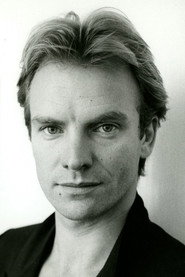 StingFrankenstein
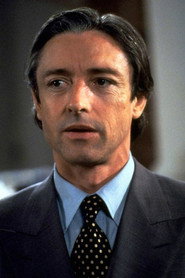 Anthony HigginsClerval
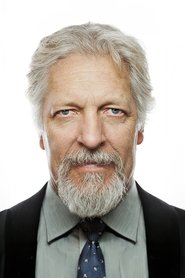 Clancy BrownViktor
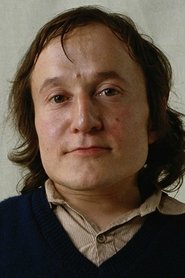 David RappaportRinaldo
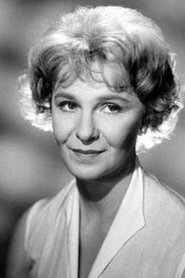 Geraldine PageMrs. Baumann
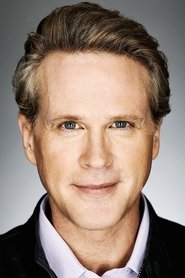 Cary ElwesJosef
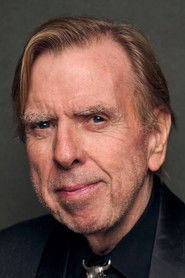 Timothy SpallPaulus
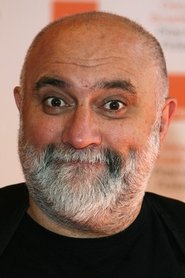 Alexei SayleMagar
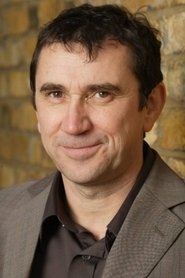 Phil DanielsBela
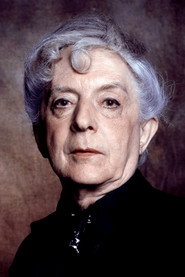 Quentin CrispDr Zahlus
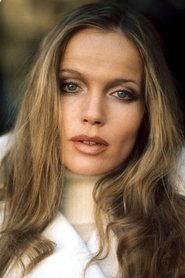 Veruschka von LehndorffCountess
Directing
- Laurent BrégeatAssistant Director
- Franc RoddamDirector
- Patrick ClaytonFirst Assistant Director
- Cheryl LeighScript Supervisor
- Chris BrockSecond Assistant Director
- Callum McDougallThird Assistant Director
Writing
- Mary ShelleyNovel
- Lloyd FonvielleScreenplay
Production
- Michèle GirotAccountant
- Joyce GallieAdditional Casting
- Pauline GranbyAssistant Accountant
- Yvonne HeeksAssistant Accountant
- Lloyd FonvielleAssociate Producer
- Ellen ChenowethCasting
- Pamela GuestCasting Assistant
- Sally OsobaCasting Assistant
- Chris KennyCo-Producer
- Keith AddisExecutive Producer
- Caroline MazauricExtras Casting
- Antoine SabarrosLocation Manager
- Christine RaspillèreLocation Manager
- Frédéric BovisLocation Manager
- Joanna GollinsLocation Manager
- Victor DraiProducer
- Andy BirminghamProduction Accountant
- Marilyse MorganProduction Coordinator
- Bernard MazauricProduction Manager
- Ted MorleyProduction Manager
- Patricia Reid-DouglasProduction Secretary