
Film
The Mountain Eagle
A Kentucky hills romance consumed by feud and accusation, where a schoolteacher becomes the fulcrum between desire and revenge. Hitchcock's 1926 drama moves with silent-film intensity, all jealousy and landscape. It's a passionate, sometimes overwrought affair—and one of cinema's great ghosts, lost to time. For those curious about early Hitchcock or silent melodrama at its most operatic.
Should you watch it?
Watch it if you are a silent-cinema devotee who wants to trace early Hitchcock at work in a rural tangle of jealousy and loyalty, and you enjoy piecing a lost picture together from its reputation and surviving traces.
Skip it if you need a finished film to sit down with, since this one is lost and no complete print exists to watch, so the experience is more hunting and imagining than viewing.
What it asks of you: Expect a slow-building silent picture of about ninety minutes, where you read faces and landscape rather than dialogue, and where the pacing belongs to an earlier age of cinema.
Not sure? Find tonight's pick in a minute.
If you liked this
Sunrise: A Song of Two Humans1927
Murnau's masterpiece about temptation and redemption in a small town. Like The Mountain Eagle, it trusts landscape and performance to carry emotional weight, moving between rural beauty and psychological darkness with hypnotic grace.
But The pacing is languid by modern standards, and the sentimentality—though earned—might feel heavy-handed if you're not attuned to silent cinema's emotional register.

Nosferatu1922
Expressionist dread in the German countryside. Murnau again, and again the isolation and moral corruption that draws Hitchcock. If you're drawn to The Mountain Eagle's dark atmosphere and rural setting, this explores similar psychological territory with supernatural menace.
But The pacing is glacial, and the horror is suggested rather than shown—which is the point, but requires patience and imagination from the viewer.

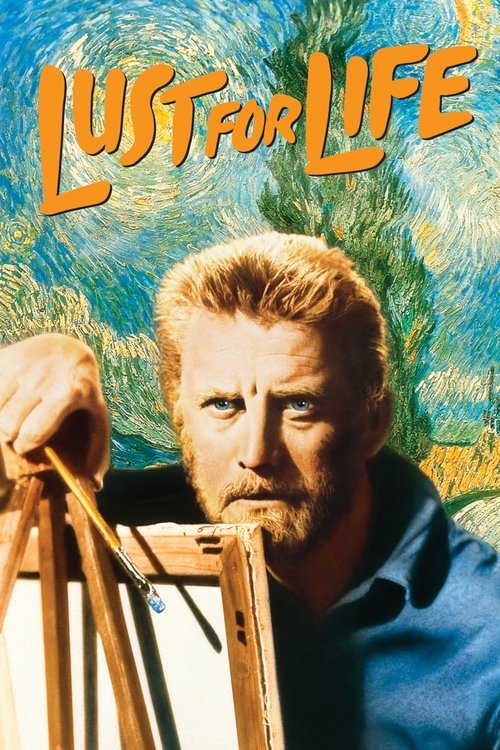
Lust for Life1956
Kirk Douglas as Van Gogh, consumed by passion and isolation. It captures the same doomed-romance energy and psychological turbulence as The Mountain Eagle, but with the clarity of Technicolor and a century of acting craft between them.
But It's a biopic that can feel stuffy and earnest, and Douglas's intensity, though magnificent, is relentless—no reprieve, no lightness.
Not sure tonight? Get a pick in a minute, starting from The Mountain Eagle
The wildcard
Something you would not have found on your own.
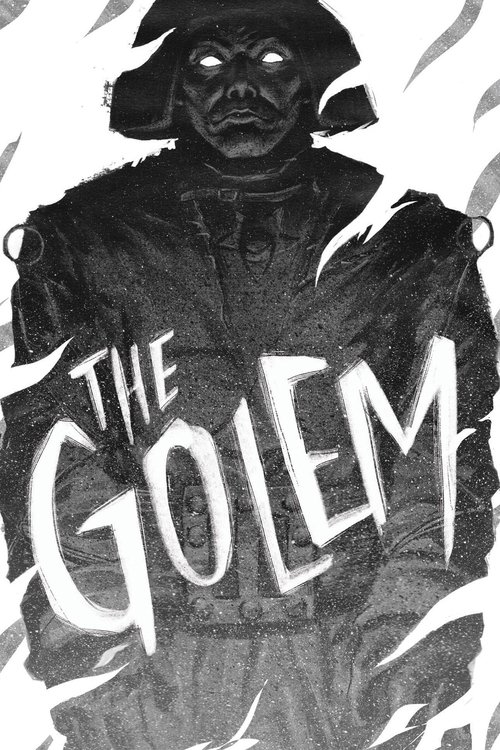
The Golem: How He Came into the World1920
Both are early works of cinema exploring how an outsider or force destabilizes a community, using landscape and atmosphere as moral presence rather than mere backdrop.
Wegener's German Expressionist masterpiece uses Prague's medieval streets and supernatural premise to explore what happens when power is placed in the wrong hands. Like The Mountain Eagle, it's about a force—here magical, there human passion—that destabilizes a closed community and spirals toward tragedy. The visual language is incandescent.
But The pacing is deliberate and the narrative almost abstract. If you need clear plot points and rational causality, the dreamlike logic will frustrate you.
More like this (8)
Letter from an Unknown Woman1948
Ophüls' heartbreaking meditation on obsession and romance across years. The same architecture of desire and regret that haunts Hitchcock's early work, but rendered with even greater emotional sophistication and visual poetry.
But It's a slow burn that demands you sit with longing and loss. If you want plot momentum, this isn't it—it's all feeling and memory.

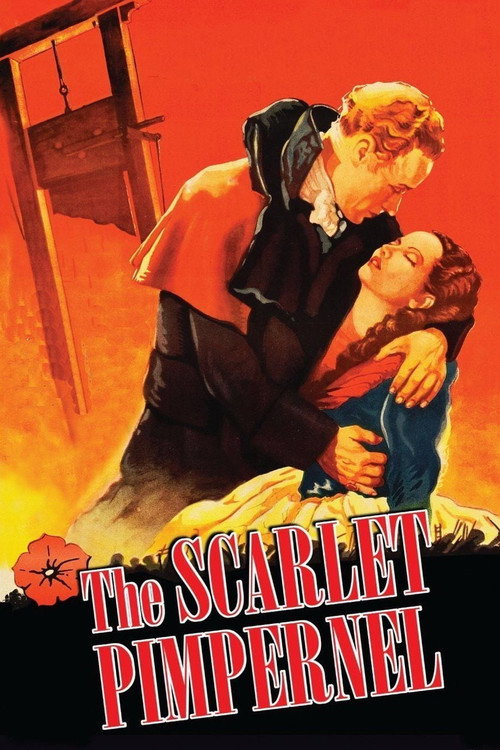
The Scarlet Pimpernel1934
Powell's swashbuckling romance about hidden identity and rural intrigue. Shares The Mountain Eagle's fascination with a outsider disrupting small-town life, plus genuine excitement and chemistry between leads—and it's simply fun.
But The adventure plot can feel slight compared to the emotional complexity you might want from this era. It's entertainment first, psychology second.
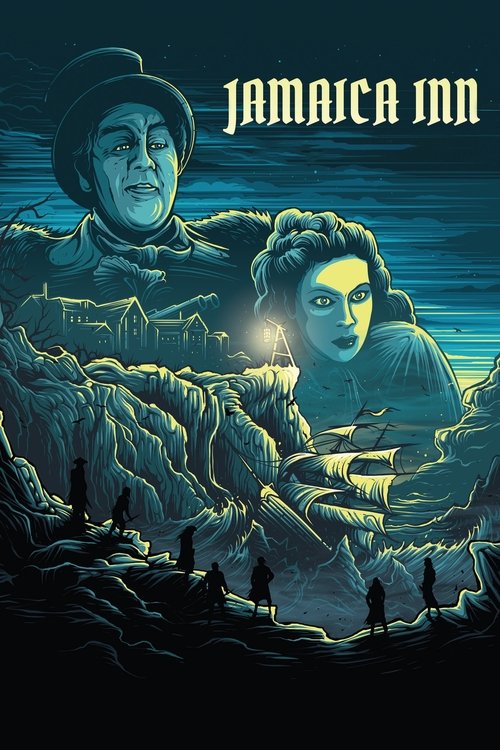
Jamaica Inn1939
Hitchcock's own Cornish smuggling drama, with coastal atmosphere and moral ambiguity thick as fog. By now he's refined the tools he was learning in The Mountain Eagle—how to use landscape and suspicion as characters themselves.
But Hitchcock himself considered it a misstep, and Laughton's performance can overshadow the plot. The middle sags in ways even his lesser work usually avoids.
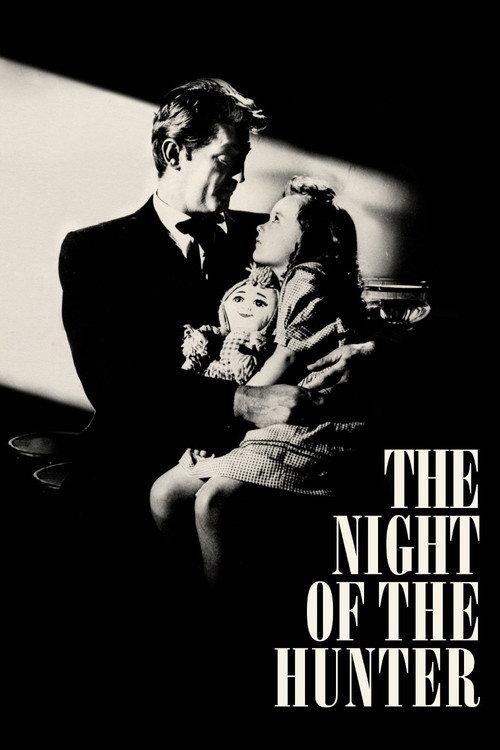
The Night of the Hunter1955
Charles Laughton's only film as director: a fever dream of rural American violence, religion, and the hunted. Visually operatic, morally murky, and genuinely unsettling in ways that feel ancestral to Hitchcock's preoccupations.
But It's profoundly strange and sometimes awkwardly staged. The mix of expressionism and Americana doesn't always gel, and the darkness is unrelenting.
Pandora's Box1929
Pabst's German masterpiece about desire's destructive force. Louise Brooks as Lulu, a woman who inspires obsession and ruin wherever she goes. The tragic inevitability and psychological depth feel remarkably close to The Mountain Eagle's emotional core.
But It's bleak and pessimistic, offering no redemption or escape. The pacing is deliberate, and if you're not invested in Brooks' performance, it can feel glacial.

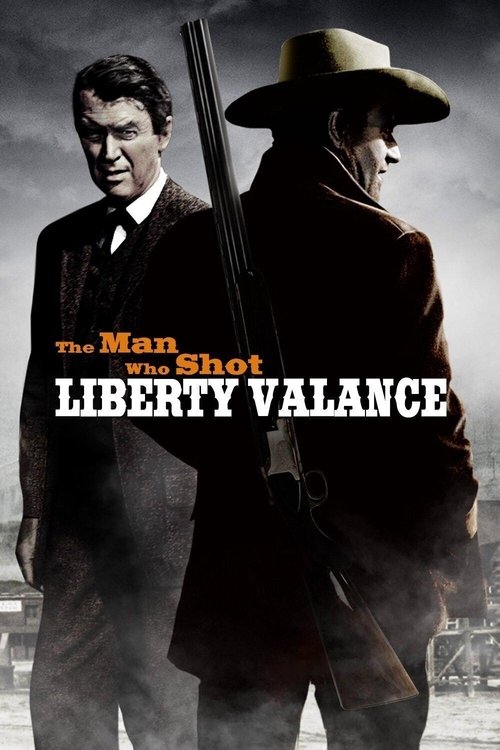
The Man Who Shot Liberty Valance1962
Ford's meditation on how legend eclipses truth in the American West. A small-town drama about the lies we tell ourselves, how reputation poisons relationships, and whether the truth matters when the story's already written. Thematically rich.
But It's a talky, interior film disguised as a Western—heavy on dialogue, light on action. Some find Ford's late style mannered and slow.
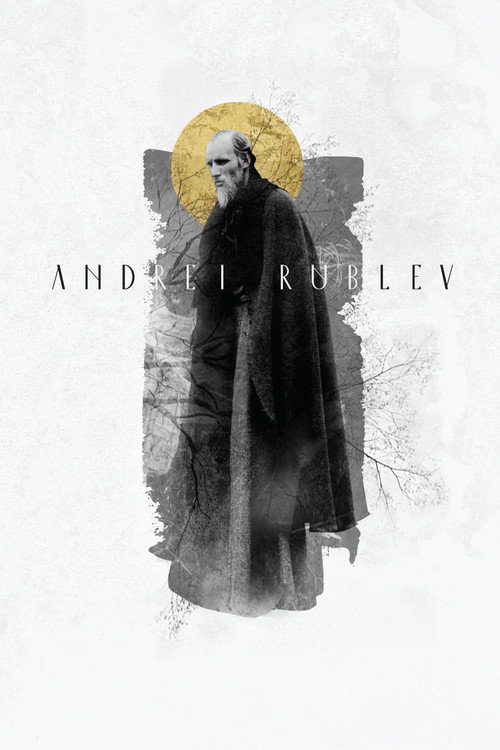
Andrei Rublev1966
Both believe landscape and mood can carry emotional and moral weight equal to narrative. Both are about individuals caught between desire and the world's indifference.
Tarkovsky's epic about a 15th-century icon painter navigating faith, violence, and artistic vision. It's not a romance, but it shares The Mountain Eagle's interest in how individuals are consumed by passion and circumstance within hostile, beautiful landscapes. Hypnotic, demanding, and unforgettable.
But It's three hours of Russian cinema philosophy with long takes and minimal plot. Patience isn't optional; it's the entire experience. Many find it punishing.
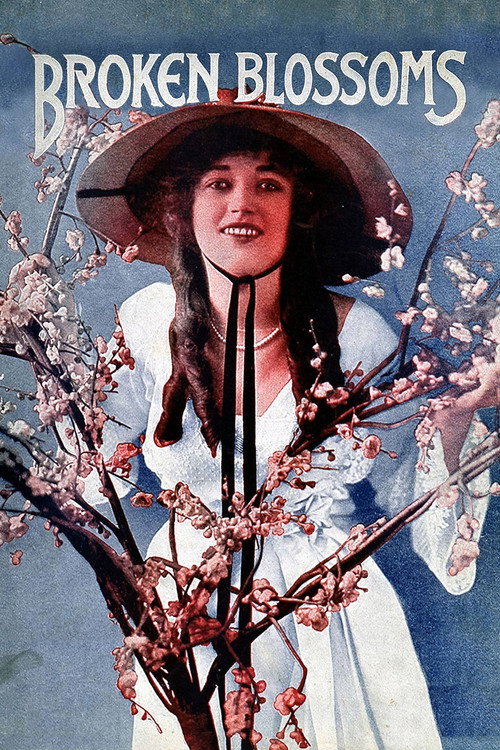
Broken Blossoms or The Yellow Man and the Girl1919
Both are pre-sound cinema at its most emotionally baroque, using performance and composition to convey passion. Both center on innocence destroyed by circumstance and the cruelty of closed worlds.
D.W. Griffith's delicate tragedy about a Chinese immigrant and an abused English girl in London's East End. Pre-dating Hitchcock's film, it's pure silent melodrama—intimate, heartbreaking, and visually tender. If you want to understand the emotional register The Mountain Eagle was working in, this is the blueprint.
But Griffith's race politics are uncomfortable (yellowface, problematic stereotypes), and the sentimentality, while genuine, borders on maudlin by modern sensibilities.
People
Cast
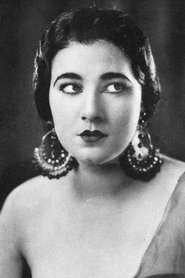 Nita NaldiBeatrice
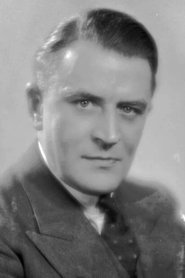 Malcolm KeenJohn "Fear o' God" Fulton
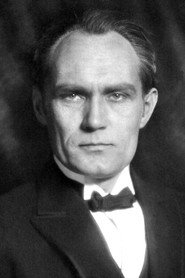 Bernhard GoetzkeMr. Pettigrew
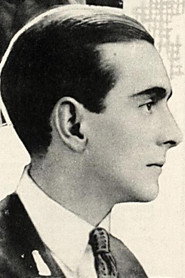 John HamiltonEdward Pettigrew
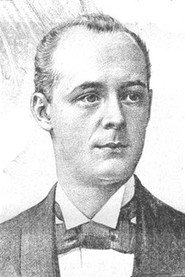 Ferdinand Martini(uncredited)
Directing
- Alma RevilleAssistant Director
- Alfred HitchcockDirector
Writing
- Charles LapworthStory
- Eliot StannardWriter
- Max FernerWriter
Production
- Michael BalconProducer