
Film
Fires of Fate
Other titles called Fires of Fate: the 1932 film.
A 1923 silent adventure that sends a dying British officer to Egypt for redemption. Wanda Hawley and Nigel Barrie navigate desert rescues, Arab princes, and colonial-era thrills with the kinetic energy early cinema brought to exotic locales. It's pure escapism for anyone curious how audiences a century ago got their adventure fix.
If you liked this
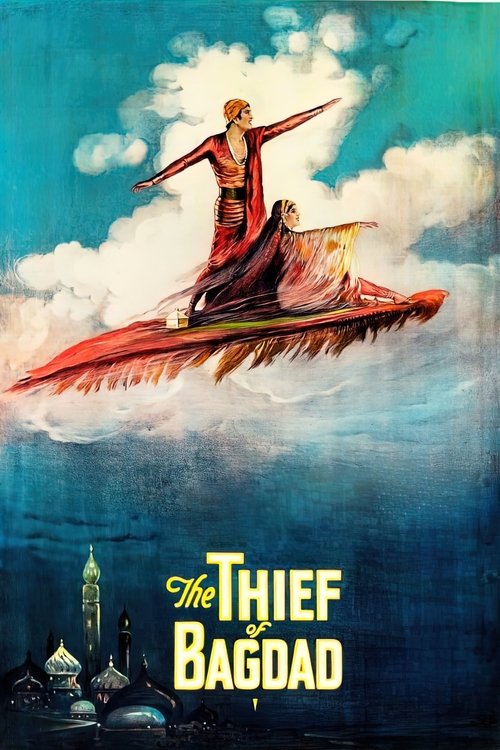
The Thief of Bagdad1924
Douglas Fairbanks in his prime, performing impossible acrobatics across a fantasy Arabian landscape. Sets and stunts that still astonish. The template for swashbuckling adventure cinema.
But Silent film pacing feels glacial to modern viewers. Some sequences drag despite the spectacle.
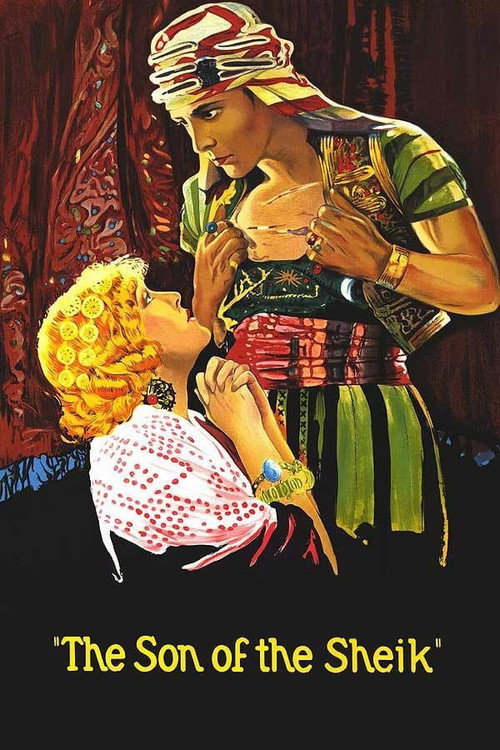
The Son of the Sheik1926
Rudolph Valentino's final film, a sequel that refines everything the first got right. Desert romance, sword fights, and genuine emotional stakes beneath the exotic adventure surface.
But Valentino's acting style reads as hammy now. The colonial attitudes are thick throughout.
The Phantom Carriage1921
A Swedish masterpiece that proves 1920s cinema wasn't just thrills. Ghostly atmosphere, visual innovation, and a story about redemption and second chances that lands with real weight.
But Slower and far more introspective than action-adventure. Requires patience with silent film grammar.

Not sure tonight? Get a pick in a minute, starting from Fires of Fate
The wildcard
Something you would not have found on your own.
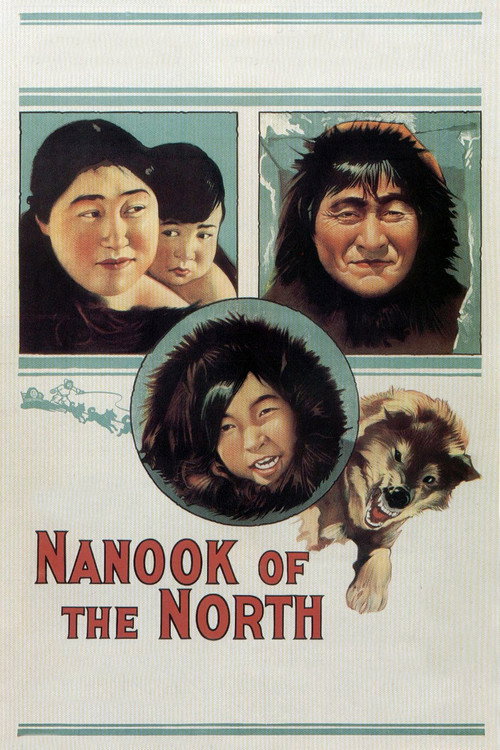
Nanook of the North1922
Both pit protagonists against hostile environments (desert vs. Arctic) for survival and character redemption, using real locations as both setting and test.
A documentary-adventure hybrid that follows an Inuit family hunting in the Arctic. Shot on location with real danger and stunning cinematography. It invented the feature-length documentary and still thrills.
But Staged and manipulated in ways modern viewers find troubling. Long sequences of hunting that aren't inherently dramatic. The ethnographic lens is patronizing by today's standards.
More like this (8)
Intolerance: Love's Struggle Throughout the Ages1916
D.W. Griffith's sprawling epic intercuts four stories across different eras. The ambition is staggering; the Babylon sequences alone show what silent cinema could achieve technically and narratively.
But Nearly four hours long and narratively chaotic. Griffith's politics are appalling. Demands real commitment.

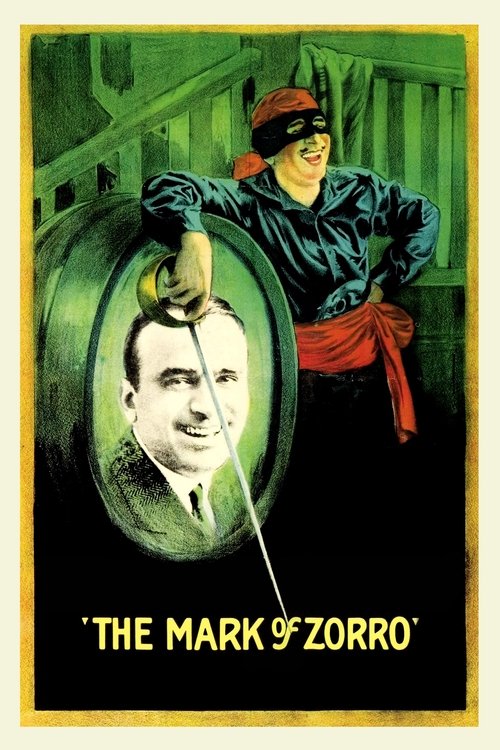
The Mark of Zorro1920
Fairbanks again, but this one establishes the template for masked avengers. Charm, humor, thrilling swordplay, and a hero who uses his wits as much as his blade. Endlessly rewatchable.
But The pacing still feels episodic. Some comedy bits land harder than others in a modern context.
Nosferatu1922
A German horror film that proved cinema could be genuinely unsettling. Expressionist shadows and atmosphere over cheap scares. The vampire design remains iconic and disturbing.
But Very slow. The horror comes from mood rather than incident. Silent film acting can feel mannered.

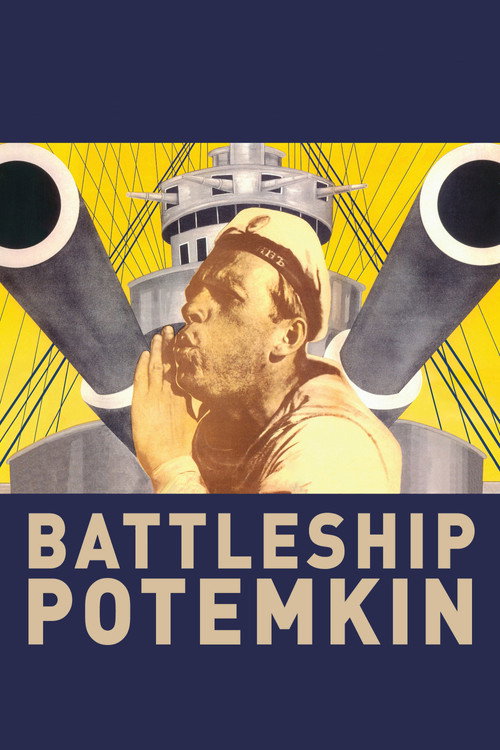
Battleship Potemkin1925
Sergei Eisenstein's revolutionary Soviet film about mutiny and uprising. The Odessa Steps sequence alone changed cinema forever. Propaganda that's also art.
But Explicitly political agitprop. The montage-heavy editing style takes adjustment. Very long for what it does.
The Cabinet of Dr. Caligari1920
German Expressionism at its most visually radical. Twisted sets, distorted perspectives, and a murder mystery wrapped in nightmarish atmosphere. Hugely influential.
But The twist is famous now. The acting is deliberately theatrical. It's deliberately artificial, which some find alienating.

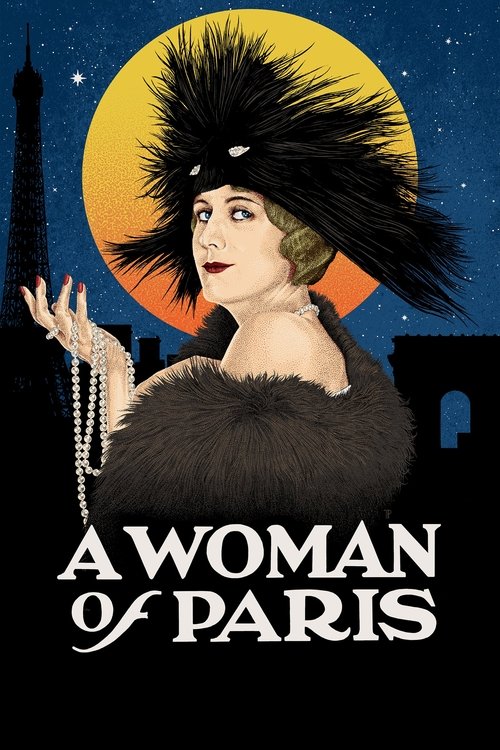
A Woman of Paris: A Drama of Fate1923
Chaplin directing (not acting) a sophisticated drama about a woman who chooses wealth over love. Restraint and implication replace slapstick. It's mature and melancholic.
But No Chaplin mugging or humor. The pacing is deliberate to the point of tedium for some. Deeply dated attitudes about women and morality.
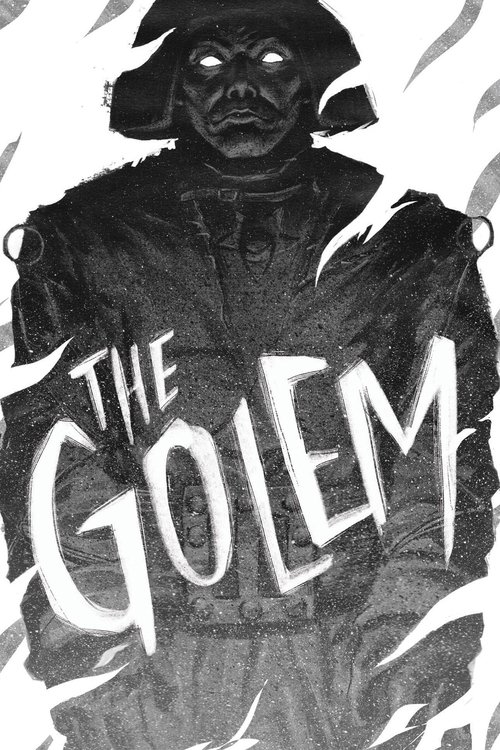
The Golem: How He Came into the World1920
Both are 1920s fantasies that blend action with exotic settings and moral weight—adventure as a vehicle for exploring duty, protection, and what one will sacrifice.
A Czech-Jewish legend rendered as German Expressionist horror. A rabbi creates a clay giant to protect Prague's Jewish ghetto. Visually stunning, thematically dense, genuinely eerie.
But Slower and more meditative than adventure. The prints are often damaged and incomplete. Requires familiarity with Jewish folklore to fully land.
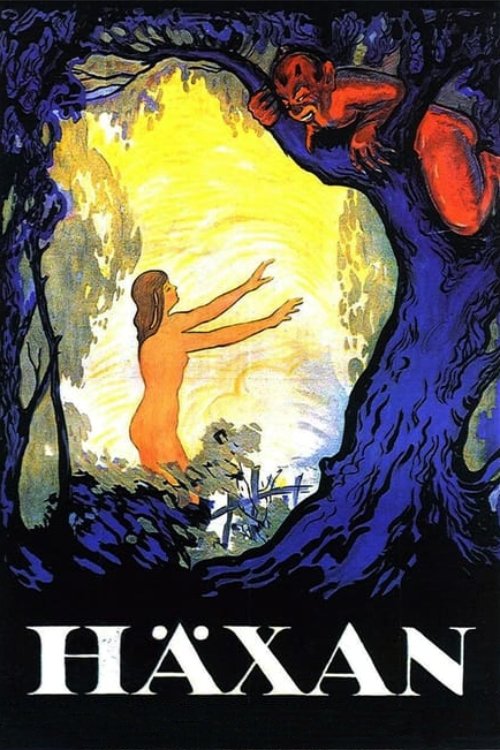
Häxan1922
Both deploy exotic, dangerous locales and rescue narratives, but Häxan reveals how cinema itself could make fantasy feel like documentary truth—the real adventure is in what cinema can convince us is real.
A Danish film that's part documentary, part theatrical horror, entirely mesmerizing. It traces witchcraft beliefs across history with reconstructed scenes that are weirdly erotic and disturbing. Hypnotic and strange.
But Transgressive sexual content and Satanic imagery. Structurally experimental in ways that confuse rather than engage. Very long and genuinely weird.
People
Cast
 Wanda HawleyDorinne Adams
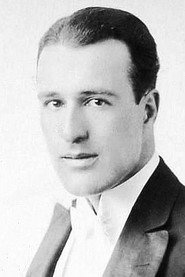 Nigel BarrieCol. Egerton
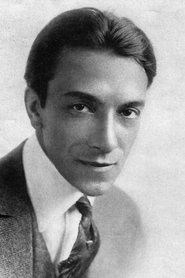 Pedro de CordobaPrince Ibrahim
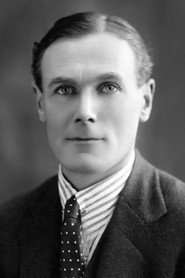 Stewart RomeRev. Samuel Rodin
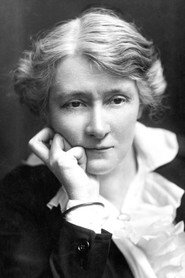 Edith CraigMiss Adams
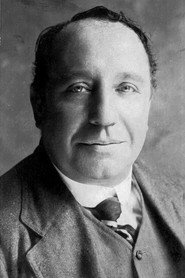 Douglas MunroMansoor
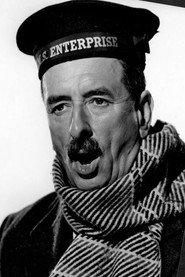 Cyril SmithLord Howard Cecil
- Percy StandingStephen Belmont
- Arthur M. CullinSir Charles Rodin
Directing
- Tom TerrissDirector
Writing
- Arthur Conan DoyleNovel
- Lewis WallerTheatre Play
- Alice RamseyWriter