
Film
Kidnapped
Other titles called Kidnapped: the 1948 film, the 1960 film, the 1988 film, the 2010 film, the 2017 film.
A swashbuckling 1938 adaptation of Stevenson's Scottish adventure novel. Warner Baxter and young Freddie Bartholomew carry this period romp through Highland intrigue, shipboard danger, and fugitive loyalty. Handsomely shot, briskly paced, and earnest about its romance—the kind of film that moves fast and asks no questions.
If you liked this
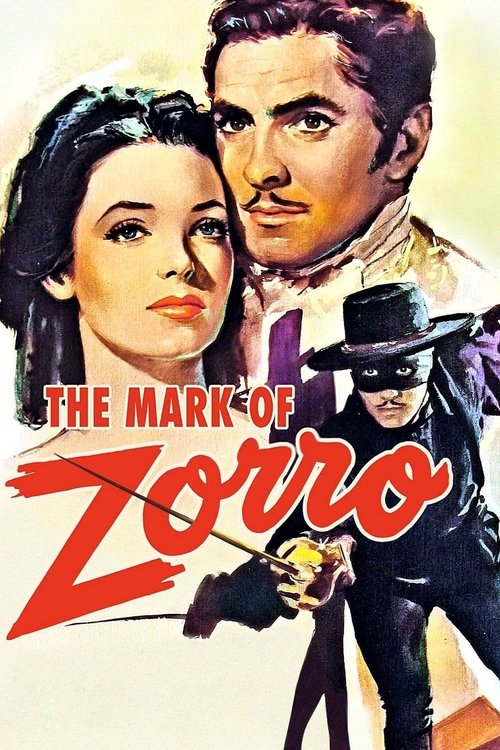
The Mark of Zorro1940
Tyrone Power as a masked avenger in Spanish California. Pure adventure cinema: witty, acrobatic, and designed to make you grin. The template for every swashbuckler that followed.
But It's less interested in moral complexity than in sword fights and flirtation. If you want substance over style, this won't satisfy.
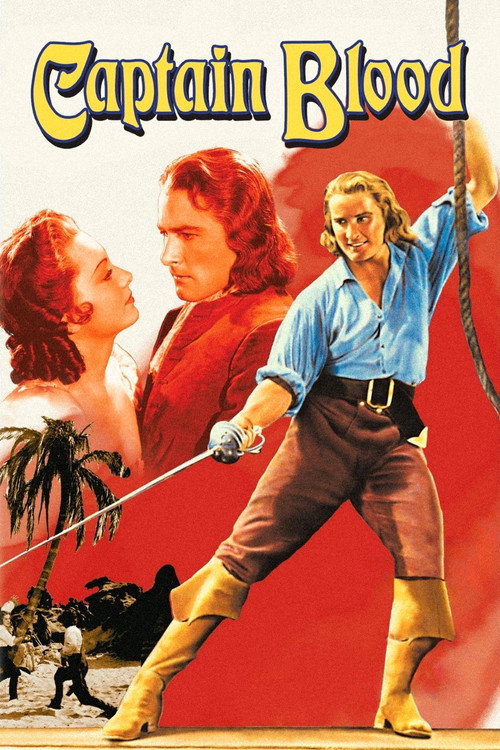
Captain Blood1935
Errol Flynn in the role that made him a star—a wronged man turned pirate in the Caribbean. Thrilling action, charm, and the same brisk storytelling energy that keeps Kidnapped moving.
But Flynn's performance is roguish rather than deep. The plot exists mainly to justify the next sword fight or ship battle.
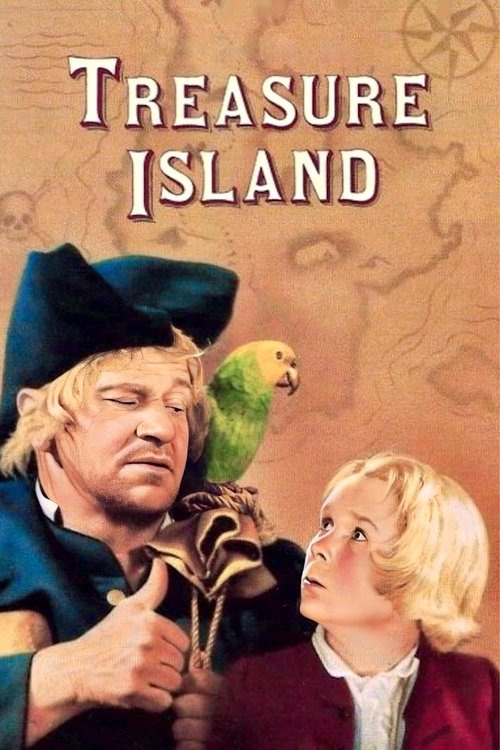
Treasure Island1934
MGM's handsomely produced Stevenson adaptation with Wallace Beery and young Jackie Cooper. The same adventure-novel DNA: a boy caught up in danger, loyalty tested, period detail that grounds the excitement.
But It's leisurely by modern standards. Long stretches of plot setup before the action coalesces into anything urgent.
Not sure tonight? Get a pick in a minute, starting from Kidnapped
The wildcard
Something you would not have found on your own.
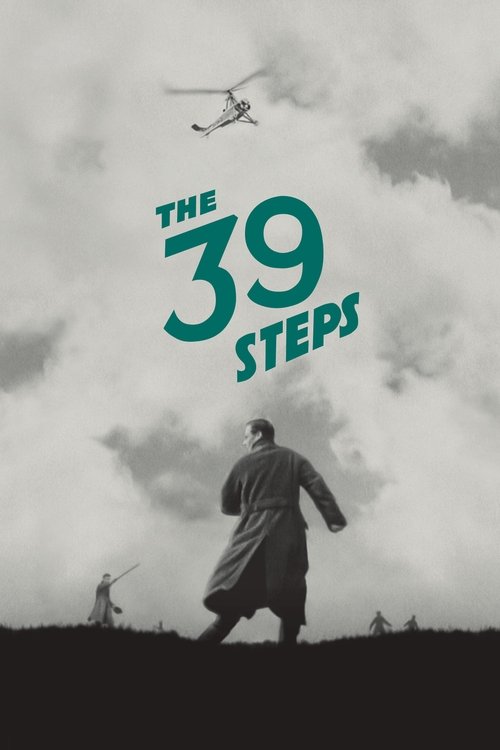
The 39 Steps1935
Both trace a fugitive's journey through territory both literal and moral, learning to trust the wrong person for the right reasons. The structure is nearly identical; the temperament completely different.
Hitchcock's masterpiece of pursuit and mistaken identity. Like Kidnapped, it's a story of a man dragged into circumstances beyond his control, forced to trust a stranger, and hunted across beautiful landscape. But where Kidnapped is earnest adventure, this is suspense as pure cinema—editing, camera placement, and music doing the real work.
But It's a spy thriller, not a romantic adventure. Colder, cleverer, and less interested in honor than survival. If you want the period-piece element, you won't find it here.
More like this (7)
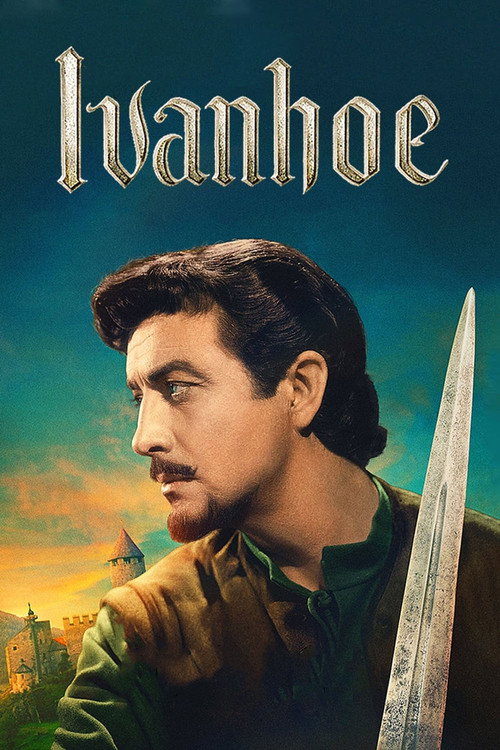
Ivanhoe1952
Another Stevenson-era romance of feudal Britain. Robert Taylor and Joan Fontaine in lavish Technicolor. The same formula—righteous hero, clear villains, sweeping landscapes, loyalty and honor put to the test.
But MGM spectacle can feel stiff and over-orchestrated. The emotion doesn't bite, and the action sequences feel choreographed rather than dangerous.
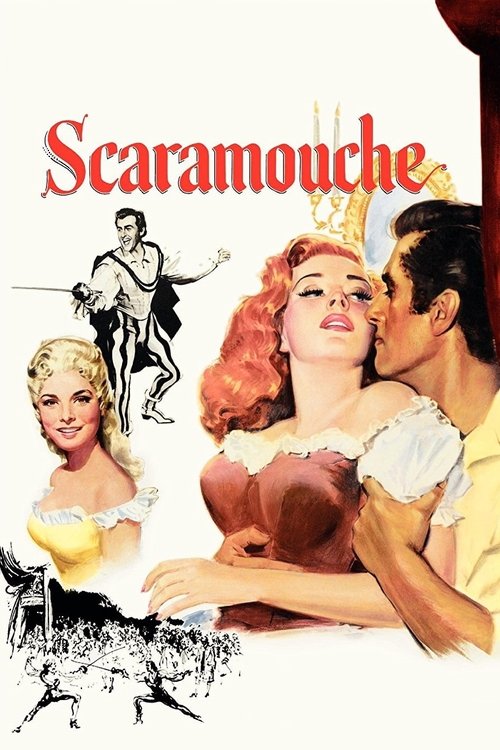
Scaramouche1952
Stewart Granger as a man who infiltrates the French Revolution's power structure while perfecting his swordsmanship. Rollicking adventure with genuine wit, and a final duel that's genuinely thrilling.
But The romance subplots meander. It's generous with running time but doesn't always use it wisely.
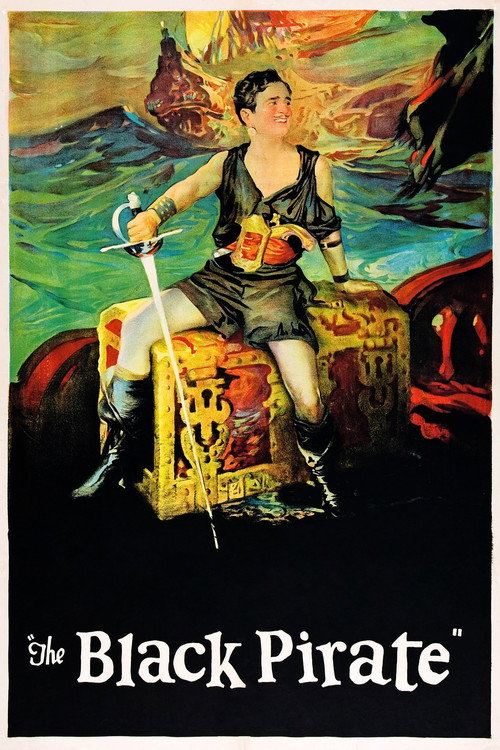
The Black Pirate1926
Douglas Fairbanks in silent-era swashbuckling magnificence. The DNA of every adventure film that followed, including Kidnapped. Pure physical storytelling, inventiveness, and a hero who fights because it's the right thing.
But It's silent. If you're not prepared to engage with the form, it will feel like watching an artifact rather than a film.
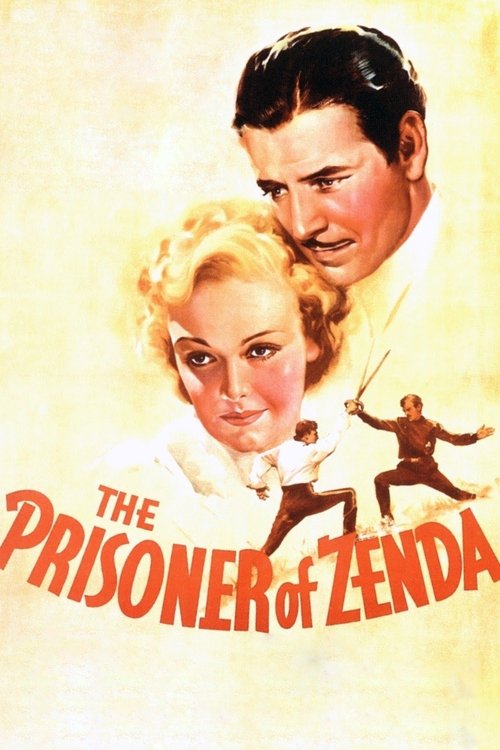
The Prisoner of Zenda1937
Ronald Colman in a tale of identity, loyalty, and mistaken nobility set in a fictional European kingdom. Clever, charming, and built on the same adventure-story engine as Kidnapped.
But The plot requires accepting a lot of convenient coincidence. If you're watching critically, you'll notice the seams.
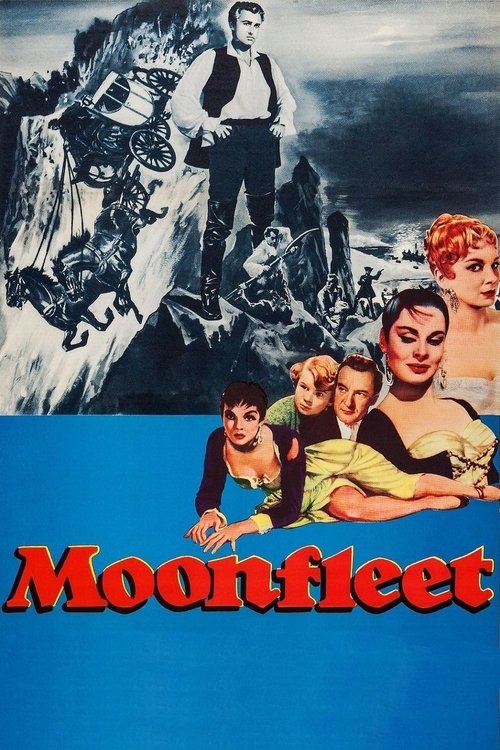
Moonfleet1955
Fritz Lang directing a period adventure about smugglers on the English coast. Darker and more psychologically tangled than Kidnapped, but from the same world of fugitives, loyalty, and coastal danger.
But It's sombre and layered—less straightforward fun than the '38 Kidnapped. Lang's interest is in moral ambiguity, not adventure clarity.
The Ballad of Little Jo1993
Both are stories of ordinary people forced to become fugitives, hiding in plain sight, discovering that survival and morality don't always align. But where Kidnapped celebrates the adventure, Little Jo questions what surviving costs.
A woman in 1870s Wyoming disguises herself as a man to survive in the frontier. Like Kidnapped, it's about identity, exile, and finding loyalty in unexpected places. But it's serious historical revisionism—questioning who gets to be a hero and who gets erased from history. Maggie Sinclair is extraordinary.
But It's a revisionist western, not a swashbuckler. Slower, sadder, and concerned with gender and frontier violence rather than adventure heroics. The tone is elegiac rather than thrilling.

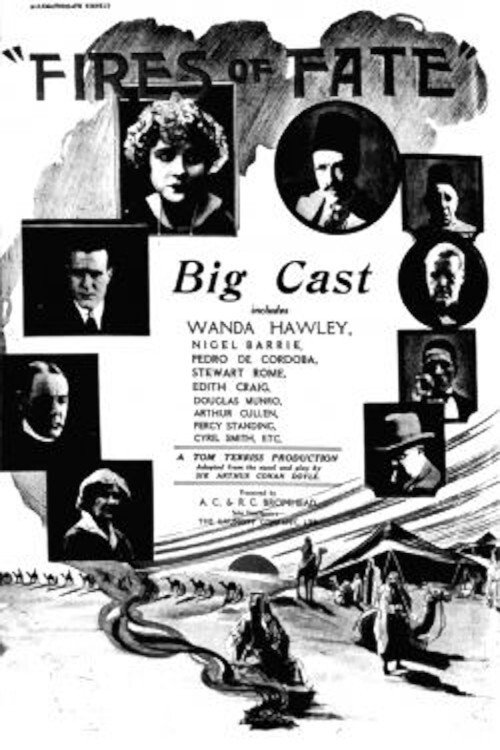
Fires of Fate1923
Both adapt the same essential story—a young man's forced transportation and the misadventure that becomes his education. But Fires of Fate has the rawness of early cinema, before the story calcified into formula. It's a chance to see the idea before it became familiar.
A lost-and-found gem: a young man shipped off against his will, shipboard intrigue, loyalty tested, and a fugitive's journey through Scottish Highlands. Silent cinema at its most kinetic. It's Kidnapped before Kidnapped was filmed, and remarkably alive on screen.
But It's a silent film from 1923—the print is imperfect, the pacing unfamiliar, and the acting style will feel mannered if you're not prepared for it. Patience is non-negotiable.
People
Cast
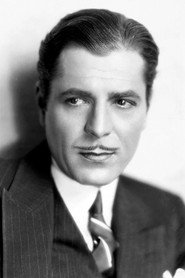 Warner BaxterAlan Breck
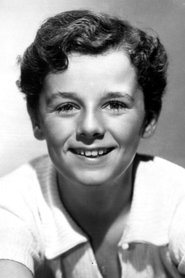 Freddie BartholomewDavid Balfour
 Arleen WhelanJean MacDonald
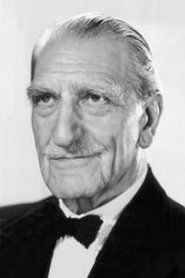 C. Aubrey SmithDuke of Argyle
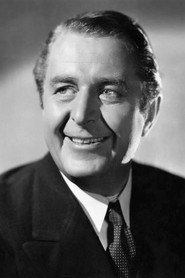 Reginald OwenCapt. Hoseason
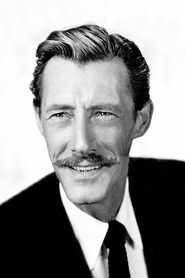 John CarradineGordon
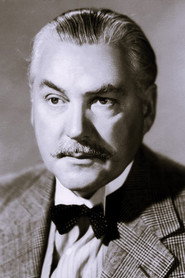 Nigel BruceNeil MacDonald
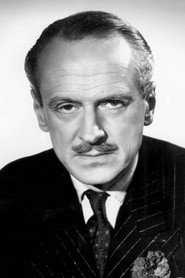 Miles ManderEbenezer Balfour
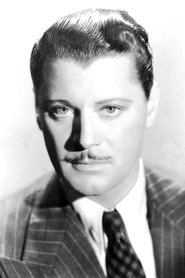 Ralph ForbesJames
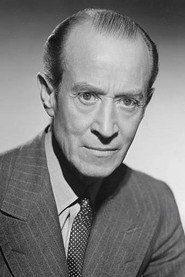 H.B. WarnerAngus Rankeiller
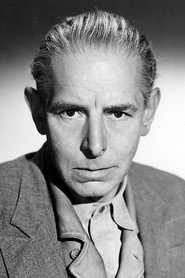 Arthur HohlRiach
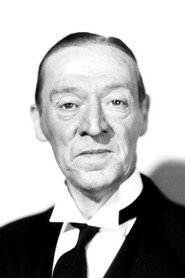 E. E. CliveMinister MacDougall
Directing
- Otto PremingerCo-Director
- Alfred L. WerkerDirector
Writing
- Robert Louis StevensonNovel
- Edwin BlumScreenplay
- Eleanor HarrisScreenplay
- Ernest PascalScreenplay
- Sonya LevienScreenplay
- Edwin BlumWriter
- Eleanor HarrisWriter
- Ernest PascalWriter
- Sonya LevienWriter
Production
- Kenneth MacgowanProducer