
Television series
You Rang, M'Lord?
- Comedy
- Light-hearted
A British sitcom set in a 1920s aristocratic household, playing elaborate comedy from the collision between bumbling upper-class owners and their quick-witted servants. It's warm, silly, technically brilliant slapstick with real affection for its characters. Perfect for anyone who loved the physicality and heart of classic British comedy.
If you liked this
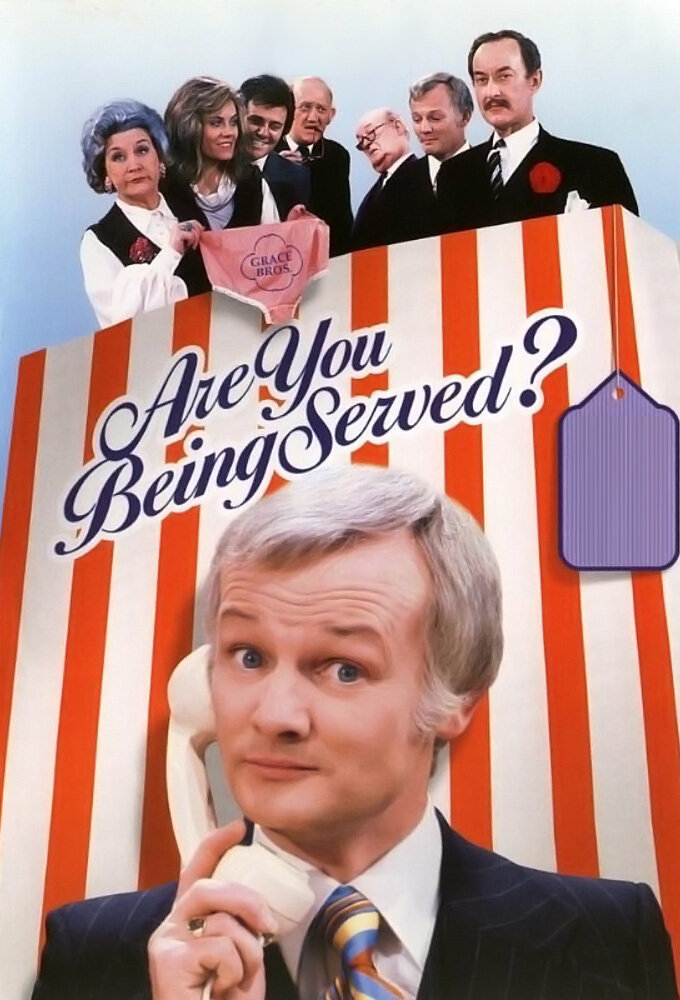
Are You Being Served?1972
The spiritual ancestor: a department store instead of a stately home, but the same genius for mining comedy from class pretension, double meanings, and characters who are absolutely committed to their ridiculous bits.
But The innuendo gets heavy-handed and the formula repeats itself. Some episodes just sit in one joke for far too long.
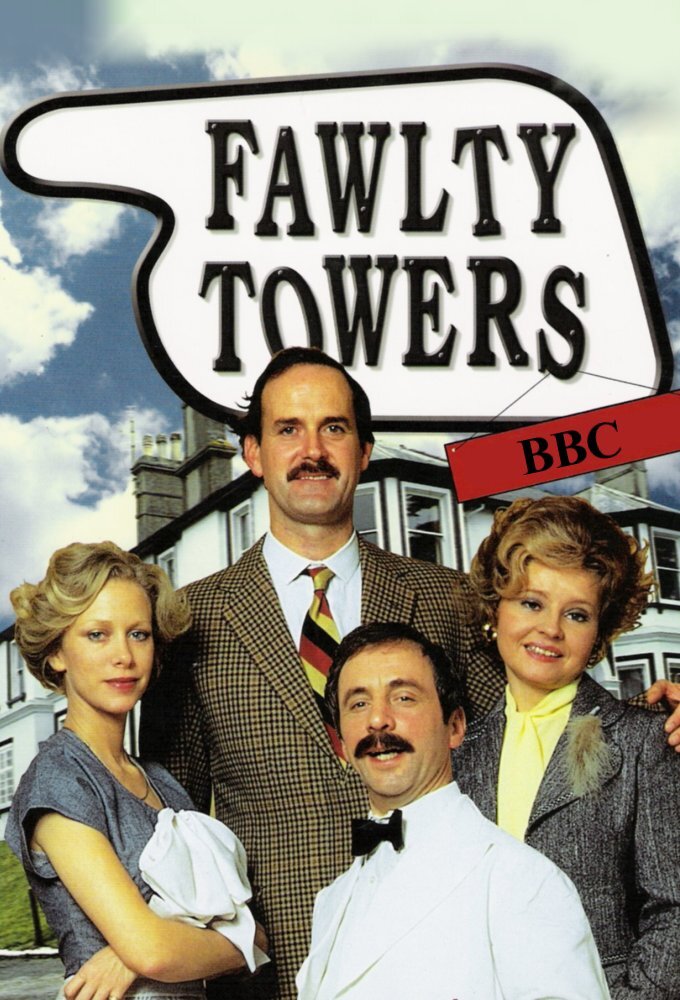
Fawlty Towers1975
Peak British sitcom: a chaotic hotel owner and his long-suffering staff. Tighter writing, darker edge, but the same physicality and the same delight in watching people fail spectacularly at their jobs.
But Only twelve episodes total. Basil Fawlty is exhausting—brilliantly so, but exhausting. Not everyone wants to spend an evening watching that much desperation.
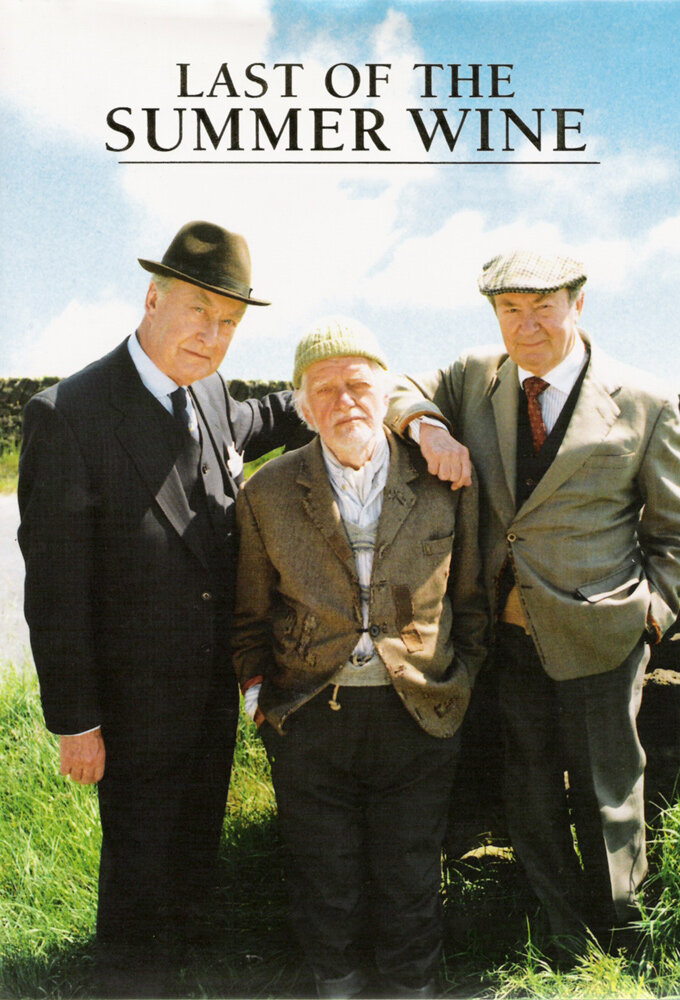
Last of the Summer Wine1973
The longest-running British comedy: three older men causing chaos in a Yorkshire village. Gentler than M'Lord, but shares its love of physical comedy, character warmth, and the comedy that lives in everyday stubbornness.
But It runs to 37 seasons. That's intimidating. And the early episodes move slower than you might expect from a sitcom.
Not sure tonight? Get a pick in a minute, starting from You Rang, M'Lord?
The wildcard
Something you would not have found on your own.
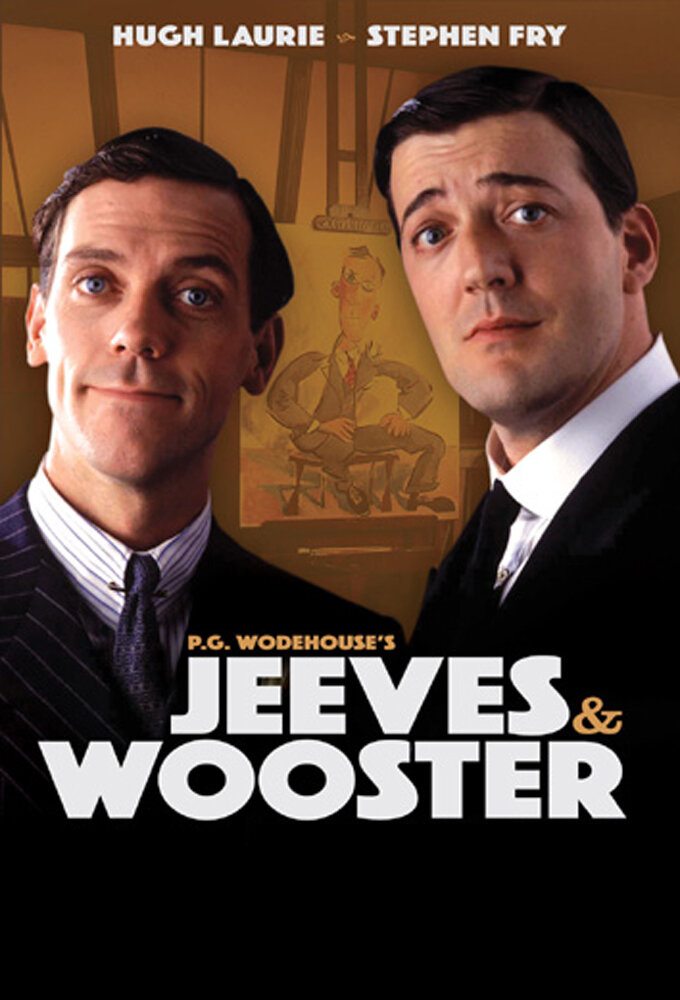
Jeeves & Wooster1990
Both are set in the 1920s and both find their comedy in the collision between incompetent upper-class characters and their infinitely more capable servants; both love the era's manners and language.
P.G. Wodehouse's 1920s stories—the exact same era as M'Lord—adapted with the same visual flair and affection for comic language. An idle aristocrat and his brilliantly competent valet solving elaborate social disasters. It shares the DNA but approaches it through sharp writing rather than slapstick.
But It's more literary, less silly. If you want pure physical comedy, this trades that for verbal wit and intricate plotting. Some episodes are darker than the tone suggests.
More like this (7)
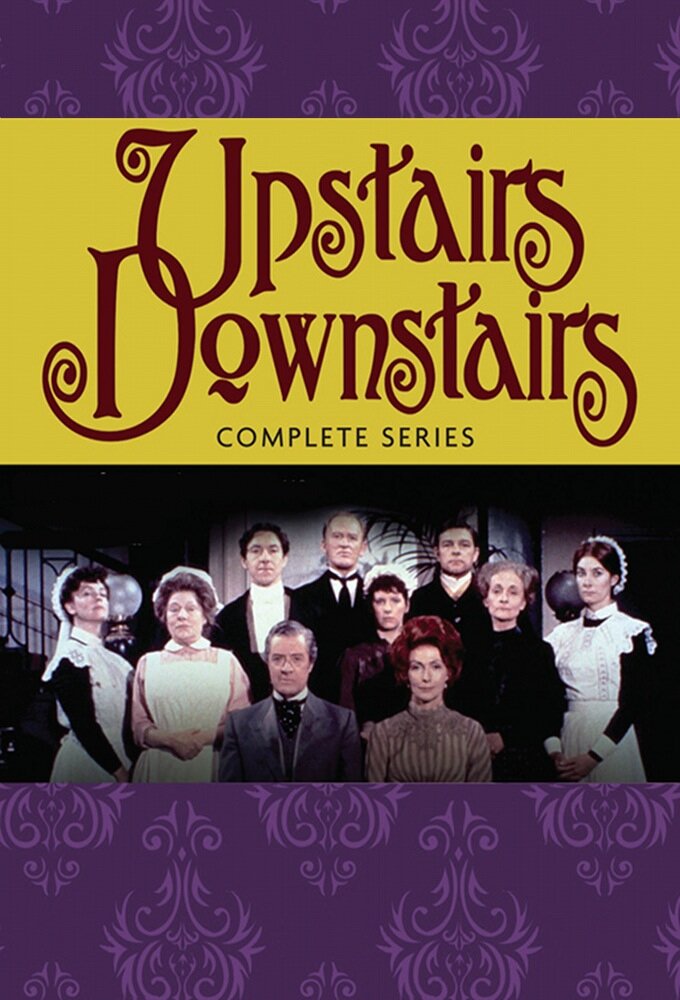
Upstairs, Downstairs1971
Not a comedy, but the template for everything: a grand house, upstairs and downstairs coexisting in careful tension. If you love the world of M'Lord, this is where that world came from, played completely straight and absolutely gripping.
But It's a drama, not a laugh track. Emotionally heavy. Some stories drag across multiple episodes in ways that test patience.
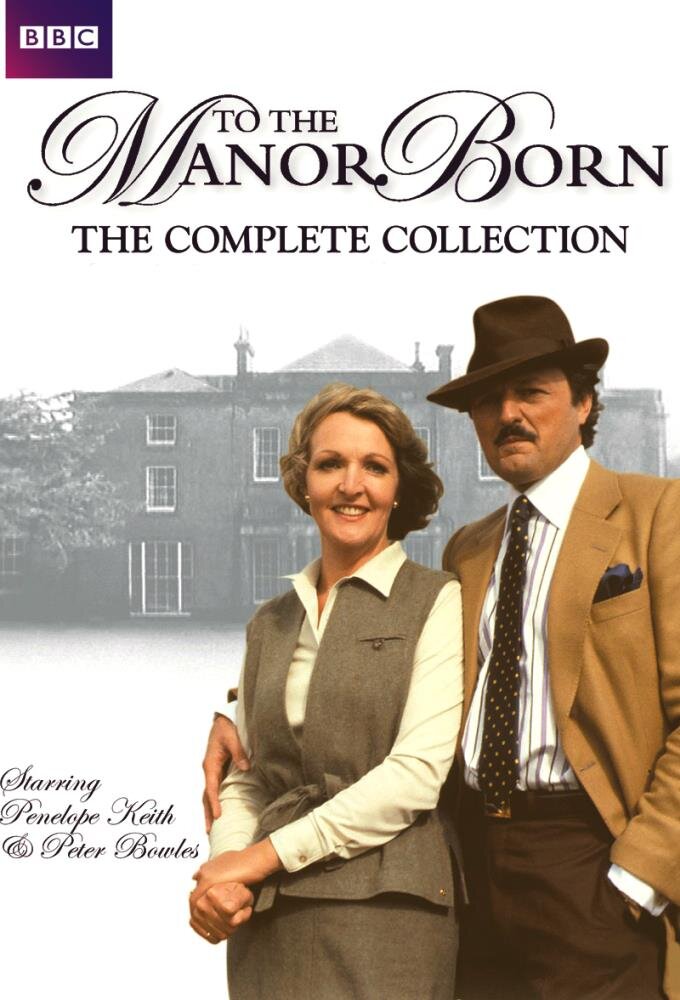
To the Manor Born1979
An impoverished aristocrat and a self-made businessman in a country estate. Lighter than Blackadder, more sentimental than Are You Being Served, with the same pleasure in watching class collision unfold with grace and humour.
But The early seasons work better than later ones when the show softened further. Some episodes feel padded to fill the runtime.
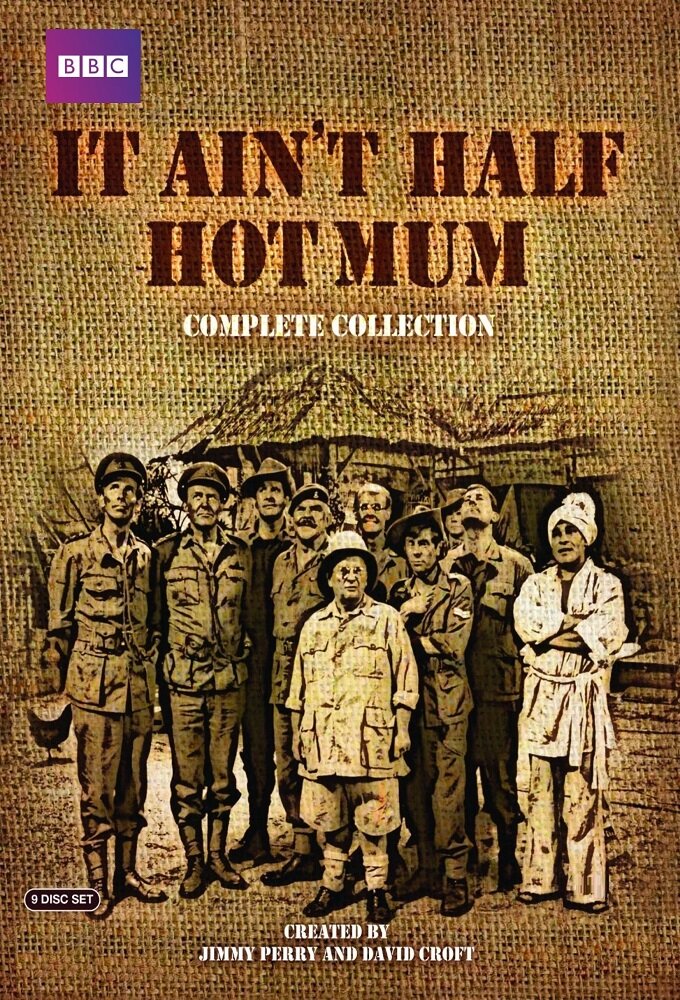
It Ain't Half Hot Mum1974
British soldiers in Burma during World War II, with the same ensemble cast energy and affection for character quirks. Slapstick, catchphrases, and the comedy of people stuck together in absurd circumstances.
But The premise relies on racial stereotypes that, while period, haven't aged well. The comedy sits in dated tropes that modern viewers may find uncomfortable.
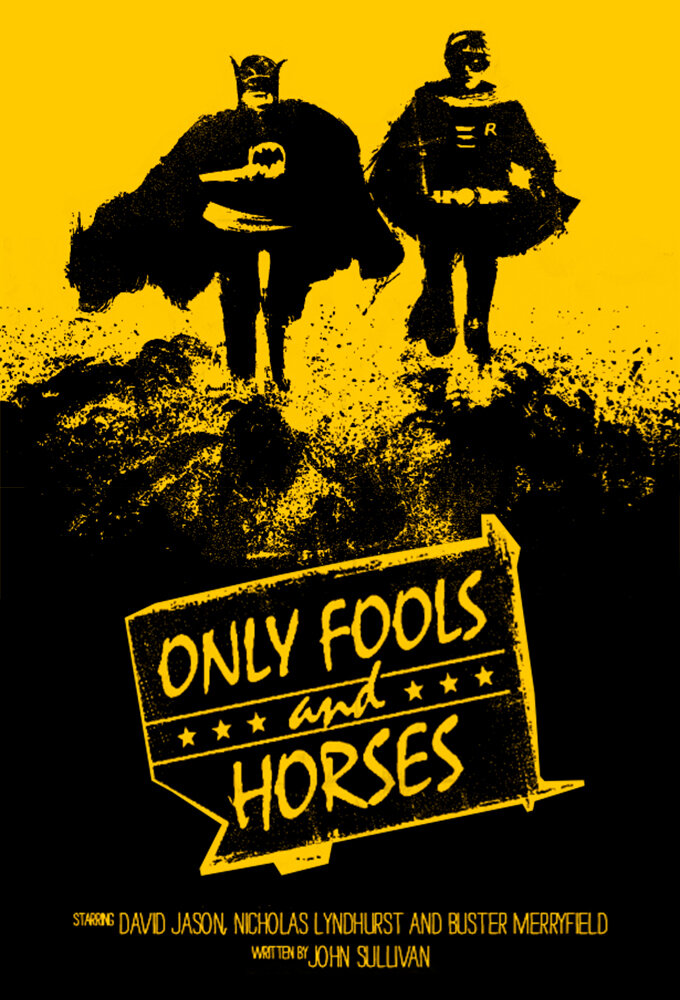
Only Fools and Horses....1981
Different world—working-class London rather than aristocratic estates—but the same mastery of timing, the same running gags that deepen over time, and genuine affection for flawed people doing their best.
But The early seasons are rougher than you expect. It takes a few episodes to find its groove, and some viewers bounce off the Peckham setting entirely.
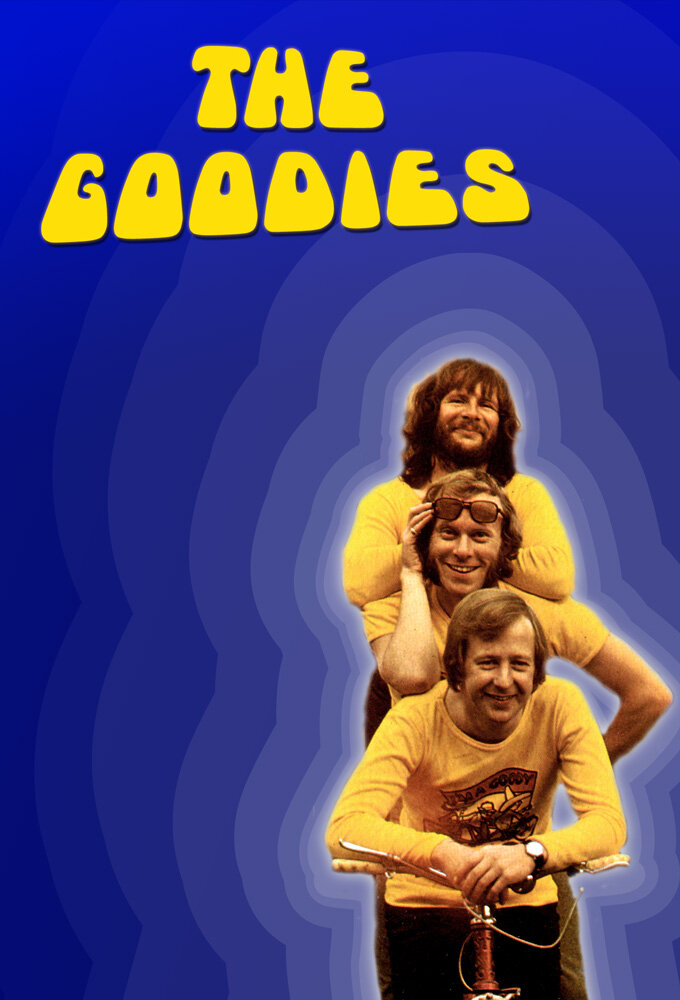
The Goodies1970
Three comedians solving absurd problems in absurd ways. Anarchic, inventive, utterly committed to physical comedy and running gags that spiral into chaos.
But The chaos can feel aimless. It's very 1970s—looser and stranger than you probably want from a sitcom, with ideas that don't land.
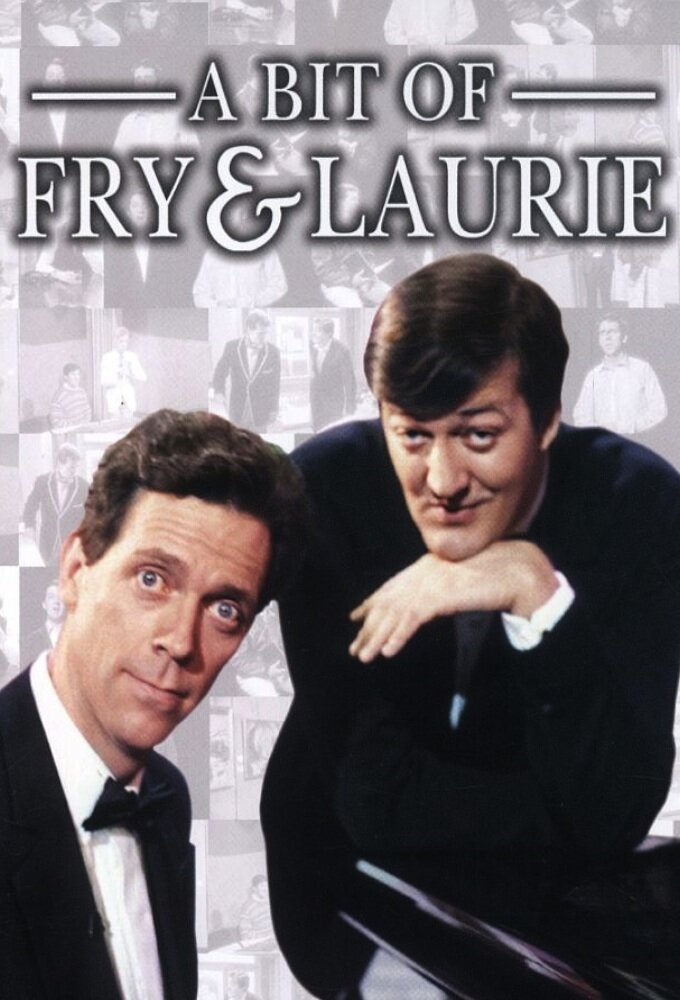
A Bit of Fry and Laurie1987
Same era of British comedy, same love of class-based humour and physical performance, but distilled into five-minute pieces rather than a sustained narrative.
Sketch comedy rather than sitcom, but Stephen Fry and Hugh Laurie playing class stereotypes—pompous aristocrats, flustered servants, upper-class buffoons—with the same timing and physical commitment. Much shorter pieces, but the same DNA.
But Sketch shows live and die by individual premises. Some sketches fall flat. It's episodic: there's no narrative, no character development, just the joke and then the next thing.
The Remains of the Day1993
Both are set in grand English houses with masters and servants as central characters; M'Lord mines comedy from the same power dynamics that Remains plays as tragedy—seeing the same world from the opposite emotional angle.
A butler and lord in a grand English house, but Merchant-Ivory playing it as a quiet tragedy about duty, restraint, and roads not taken. Everything M'Lord makes funny—the hierarchy, the formality, the servant's self-erasure—is here played as heartbreaking. A completely different register, same furniture.
But It's slow, measured, entirely serious. If you want laughs, you won't find them. It asks you to sit with grief. Some find it remote or emotionally withholding.

People
Cast





Writing
- David CroftCreator
- Jimmy PerryCreator