
Film
Parallel Mothers
Almodóvar's return to intimate drama traces the entangled lives of two women—one joyfully embracing accidental motherhood, the other devastated by it—after they meet in a hospital delivery room. It's tender, luminous, occasionally melodramatic. For anyone who loves character-driven cinema about female experience and the weight of choices we don't see coming.
If you liked this
The Lord of the Rings: The Return of the King2003
Andrei Zvyagintsev's masterpiece about a father's sudden return and its ripples through a family, told with glacial precision and unbearable emotional weight. Essential for anyone seeking cinema that trusts silence over explanation.
But It's very slow, very cold, and offers no catharsis. The pacing will test your patience; the ending may disturb you.

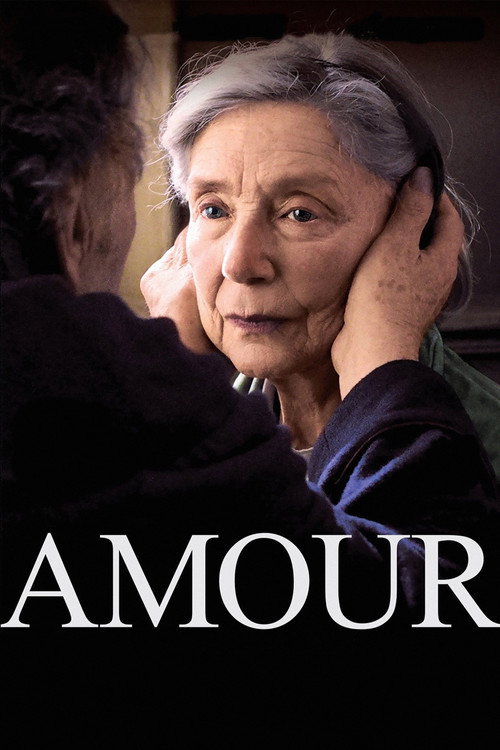
Amour2012
Haneke's portrait of an aging couple navigating terminal illness and dependency. Devastatingly intimate, it finds strange grace in deterioration. The performances by Emy Janssen and Jean-Louis Trintignant are practically unbearable in their authenticity.
But It is relentlessly bleak. Watching it feels like an obligation to grief rather than entertainment. Some find it punishing.
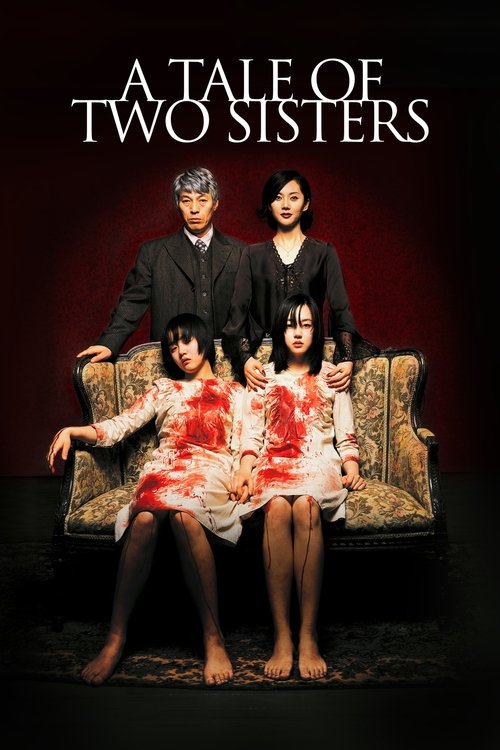
A Tale of Two Sisters2003
A Korean film about two sisters adjusting to their father's new marriage, which gradually reveals itself to be about something far darker and more psychologically complex. Gorgeous cinematography and a twist that recontextualizes everything.
But The tonal shift into horror territory may feel jarring. Some viewers find the family trauma difficult to sit with.
Not sure tonight? Get a pick in a minute, starting from Parallel Mothers
The wildcard
Something you would not have found on your own.
Stalker1979
Both films are fundamentally about the weight of choices—conscious and unconscious—and the way desire (whether for motherhood, meaning, or transformation) reshapes everything that follows.
Tarkovsky's science-fiction meditation on desire, faith, and the unknowable examines what we want and why we want it through the journey of a guide, a professor, and a writer toward a mysterious room. It's an entirely different register—philosophical, metaphysical—but shares Almodóvar's interest in how personal choices spiral outward.
But It's 163 minutes of philosophical abstraction with minimal plot. The philosophical register is demanding and the payoff is existential, not narrative.

More like this (7)
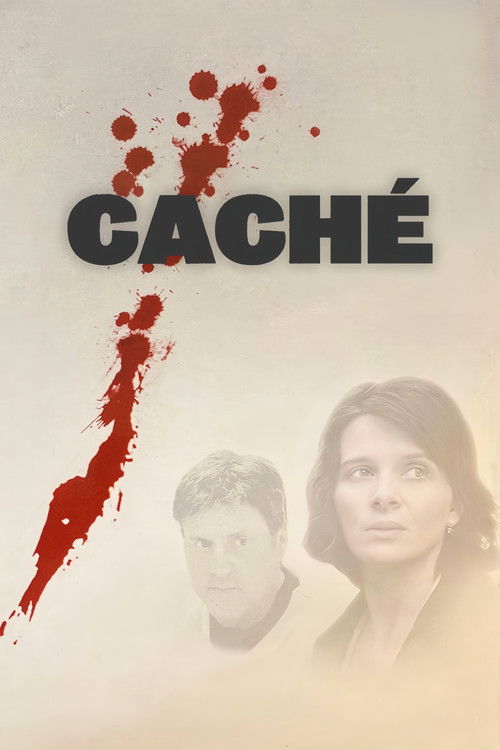
Caché2005
Haneke's morally ambiguous thriller about a bourgeois French couple terrorized by mysterious videotapes forces you to interrogate your own assumptions about guilt and complicity. Maddening and brilliant.
But There's no satisfying resolution. The mystery is never solved, and that's the point—but it frustrates many viewers who want answers.
BPM (Beats per Minute)2017
Robin Campillo's chronicle of an AIDS activism group in 1990s Paris balances documentary specificity with emotional devastation. It's angry, sexy, heartbreaking, and alive in a way most films about historical trauma are not.
But It's graphically sexual and explicitly political. Long, demanding, and uninterested in making activism palatable to the squeamish.

Moonlight2016
Barry Jenkins' portrait of a Black boy's passage to manhood across three decades, structured like a poem. Formally daring, visually ravishing, and quietly revolutionary in its refusal to sensationalize or explain masculinity.
But The pacing is glacial and the narrative sparse. It demands active attention and rewards patience, but won't deliver plot in any traditional sense.

The Turin Horse2011
Béla Tarr's final film imagines Nietzsche's last days in spare, monochromatic sequences. It's hypnotic and philosophically dense, a meditation on decline and meaning that feels biblical in scope.
But It's essentially a series of ritualized, repetitive scenes with minimal narrative momentum. Watching it requires surrendering to abstraction entirely.

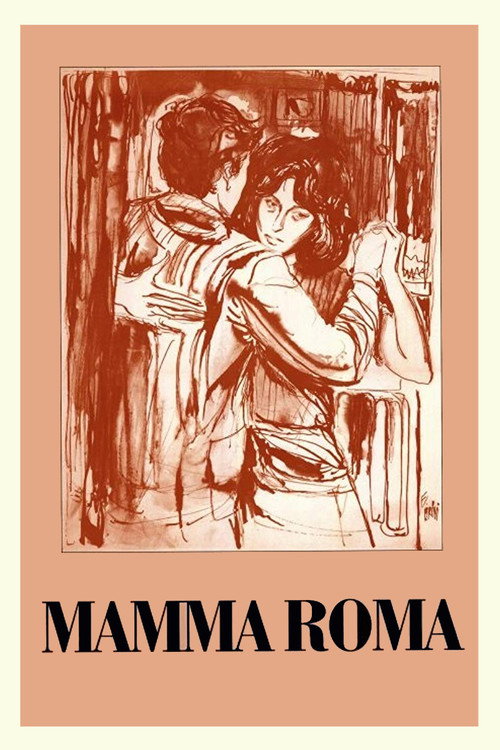
Mamma Roma1962
Pasolini's film about a former sex worker trying to build a respectable life for herself and her son remains startlingly modern in its refusal to judge or sentimentalize. Magnani is extraordinary, and the final sequence is unforgettable.
But Pacing feels deliberately slow by contemporary standards. The social realism can be uncomfortable, and the ending is bleakly tragic.
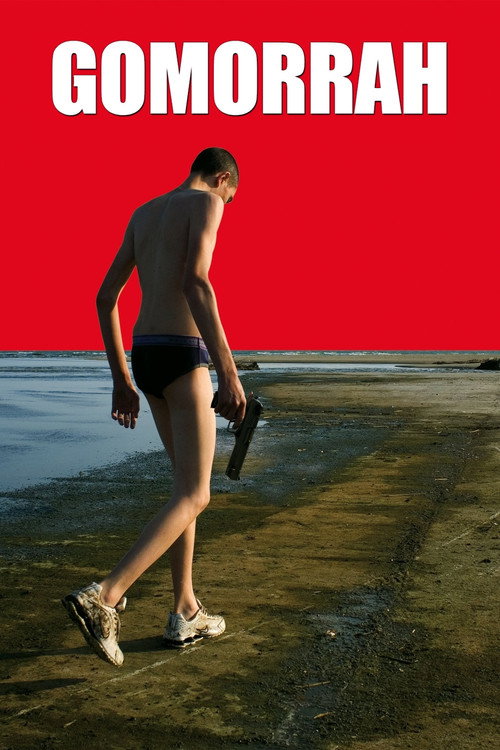
Gomorrah2008
Where Parallel Mothers explores how accident reshapes a woman's life, Gomorrah shows how environment and circumstance metastasize through generations. Both refuse easy answers about agency and fate.
Matteo Garrone's documentary-like investigation of Naples' mafia underworld follows four interconnected lives as crime seeps into every level of existence. It's brutal, immersive, and structurally restless in a way that mirrors moral disorientation.
But It's viscerally violent and offers no redemptive arc. Despair is the through-line; escape feels impossible. The narrative is deliberately fragmented, which some find frustrating.
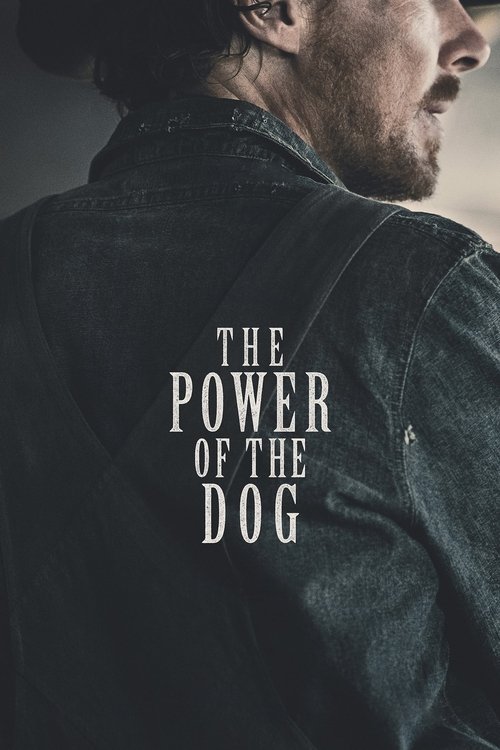
The Power of the Dog2021
Both films pivot on secrets between family members and the way unspoken wounds determine everything. Both use landscape (Spanish vs. Montanan) to frame internal isolation.
Jane Campion's sparse, psychologically intricate Western about a cruel rancher, his remarried brother, and an unexpected interloper. Gorgeously shot, morally complex, and built entirely on what's unsaid between characters. It's as interested in suppressed feeling as Almodóvar is in its explosion.
But It's glacially slow, withholding in ways that can feel punitive. The brutal masculinity on display is ugly and unrelenting. The twist divides viewers.
People
Cast
 Penélope CruzJanis
 Milena SmitAna
 Israel ElejaldeArturo
 Aitana Sánchez-GijónTeresa
 Rossy de PalmaElena
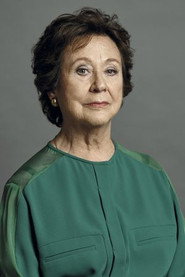 Julieta SerranoBrígida



Directing
- Júlia Marcos LázaroAssistant Director Trainee
- Pedro AlmodóvarDirector
- Manuel CalvoFirst Assistant Director
- Yuyi BeringolaScript Supervisor
- David EsquivelSecond Assistant Director
- Laura DíezSecond Assistant Director
- Virginia MaílloSecond Assistant Director
- Juan CarlevarisThird Assistant Director
Writing
- Pedro AlmodóvarScreenplay
Production
- Bárbara PeiróAssociate Producer
- Diego PajueloAssociate Producer
- Eva LeiraCasting
- Yolanda SerranoCasting
- Esther GarcíaExecutive Producer
- Agustín AlmodóvarProducer
- César PardiñasProduction Manager