
Film
I, Dolours
A haunting portrait of IRA bomber Dolours Price, built from interviews she granted on condition of posthumous release. Through reenactments and her own voice, the film traces her radicalization, the 1973 Old Bailey bombing, her devastating hunger strike, and her later disillusionment. It's unflinching about violence while never losing sight of the person behind the ideology—a meditation on conviction, consequence, and what it costs to believe absolutely in something.
Should you watch it?
Watch it if you want a clear-eyed portrait of a political mind, told through the subject's own recollections and vividly staged reenactments of her early life.
Skip it if you need a tidy historical overview or a neutral account of the Troubles, since this rarely steps back from its subject's own justifications and self-regard.
What it asks of you: Expect 82 minutes of one unapologetic voice, little relief and a measured pace that rewards patience and attention.
Not sure? Find tonight's pick in a minute.
If you liked this
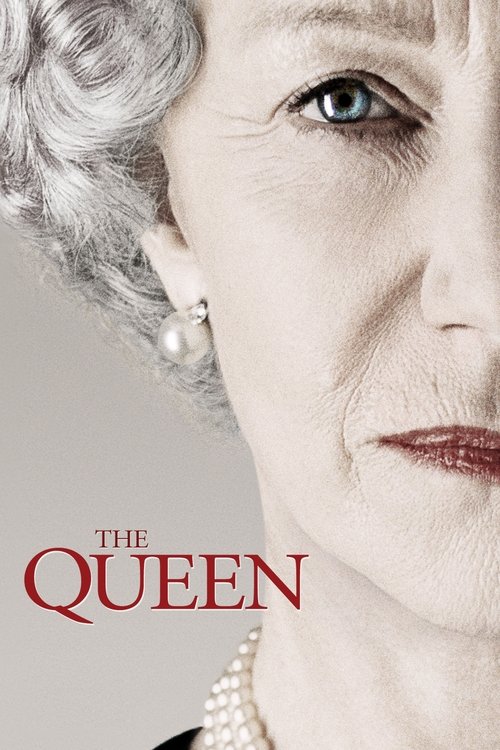
The Queen2006
Stephen Frears examines how institutions protect themselves in crisis, examining power through a personal tragedy. Like Dolours, it asks uncomfortable questions about who decides the official story.
But It's a chamber piece about royal protocol rather than visceral drama. If you want action or passion, this measured restraint may feel cold.
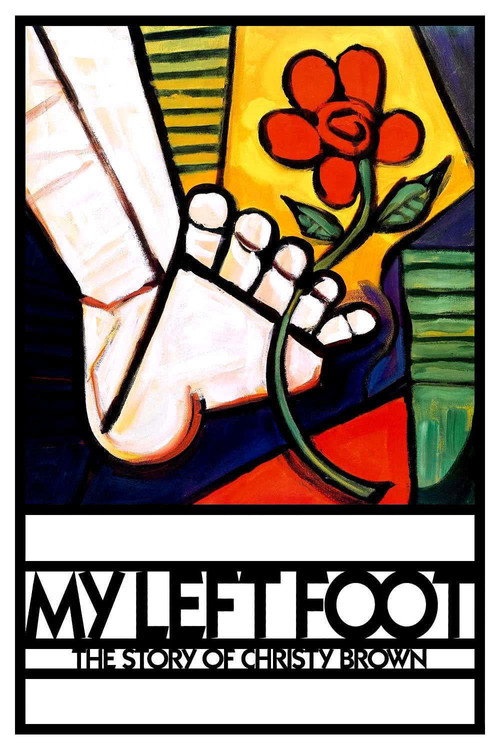
My Left Foot: The Story of Christy Brown1989
Another Irish biography of someone defined by defiance and physical suffering. Daniel Day-Lewis inhabits an impossible life with the same fierce specificity that animates Dolours's recollections.
But The tone is more intimate and less political. You're signing up for character study, not ideology.
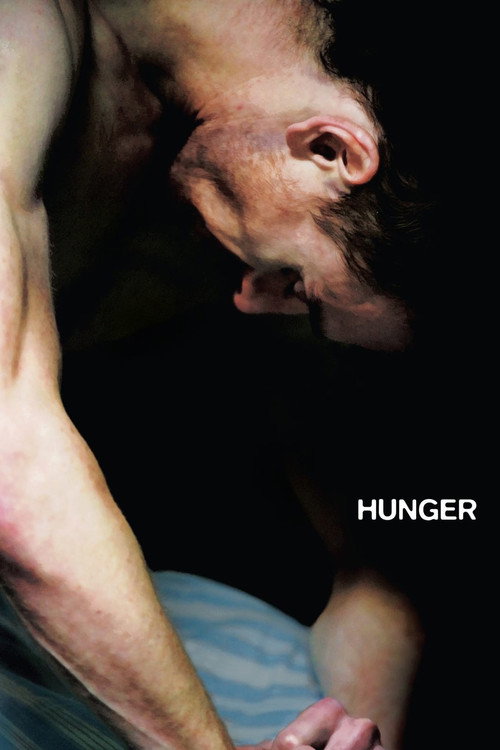
Hunger2008
Steve McQueen's film culminates in a hunger strike sequence of devastating power. If Dolours's 200 days haunt you, this will show you exactly why they mattered and what they cost.
But It's brutally slow and visual rather than narrative. Some find it punishing to watch; that's partly the point.
Not sure tonight? Get a pick in a minute, starting from I, Dolours
The wildcard
Something you would not have found on your own.
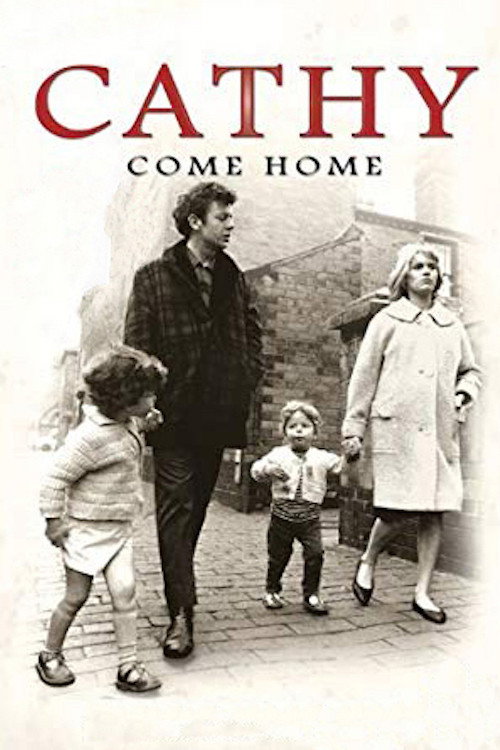
Cathy Come Home1966
Both use the documentary form to force audiences to sit with uncomfortable truths about how institutions abandon or destroy people. Both are shaped by conviction about social harm, but Loach turns the camera on systems rather than on the person harmed.
Ken Loach's play-as-documentary about a woman losing everything became a political moment. Like Dolours, it uses intimate storytelling to expose systemic violence, but Loach finds it in poverty and bureaucracy rather than ideology.
But It's grainy 1960s television and emotionally punishing. The aesthetic is austere; there's no comfort in watching it.
More like this (8)
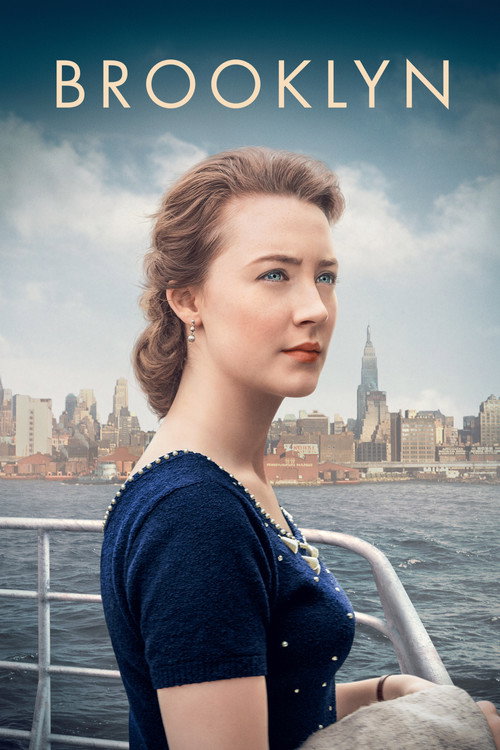
Brooklyn2015
John Crowley's film about Irish emigration shares Dolours's interest in identity split between two worlds. A gentler film, but it asks similar questions about belonging and home.
But It's a romance first and foremost. If you're looking for political edge, you'll find sentiment instead.
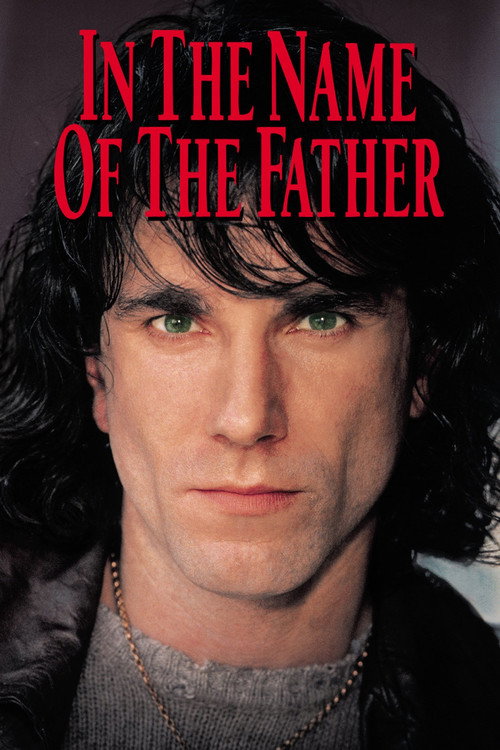
In the Name of the Father1993
Jim Sheridan's account of the Guildford Four wrongful convictions sits in the same historical moment. It's about the Troubles' collateral damage and institutional injustice, with real fury beneath.
But It can veer toward melodrama. The emotion sometimes overrides the complexity you find in Dolours.
Spotlight2015
Tom McCarthy's investigation of institutional cover-up mirrors the film's interest in hidden truths and official silence. Both ask what happens when powerful organizations protect their own.
But It's procedural and American. The political stakes feel smaller and more familiar than Dolours's story.

The Act of Killing2012
Joshua Oppenheimer lets a perpetrator of atrocities speak in his own words and reckon with what he's done. Like Dolours, it's about examining a life shaped by violence from the inside.
But It's much longer and demands patience. The reenactment aesthetic may frustrate you if you prefer straightforward documentary.

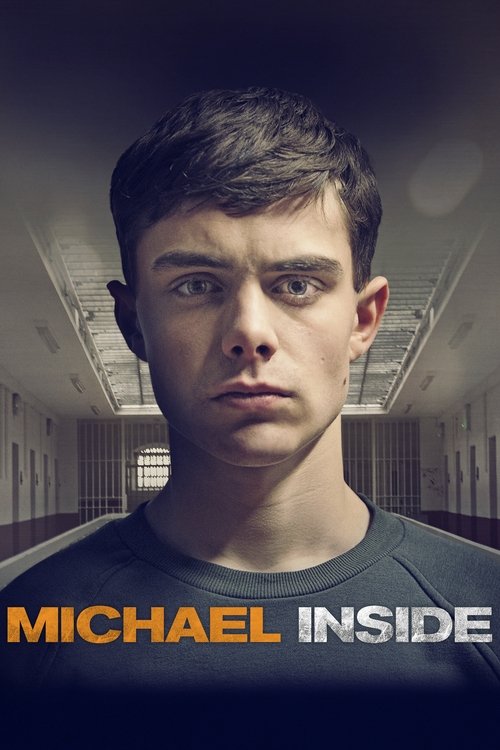
Michael Inside2018
Released the same year, this Irish prison drama captures the claustrophobia and radicalization that Dolours knew intimately. It's contemporary but spiritually adjacent.
But It's fiction, so it lacks the documentary's authority. The story is bleaker without the counterweight of reflection.
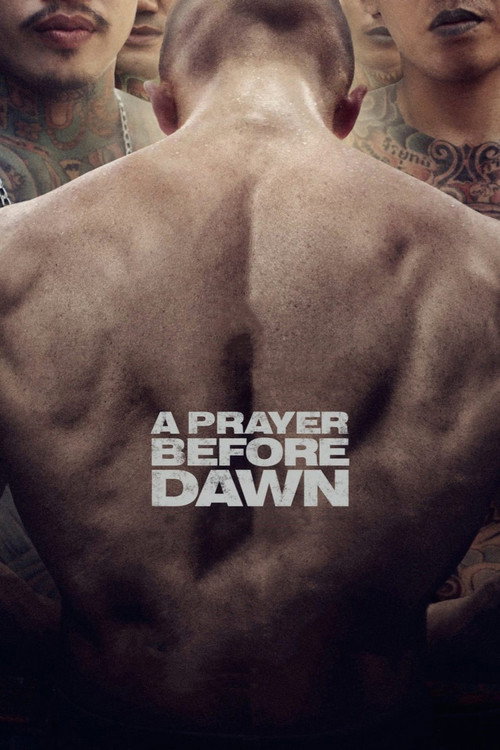
A Prayer Before Dawn2018
Joe Cole's boxer imprisoned in Thailand faces suffering and transformation. It shares Dolours's interest in physical endurance as political or spiritual act, though the context is utterly different.
But It's brutal and difficult in ways that have nothing to do with Dolours's themes. You're watching for form, not connection.
Sans Soleil1983
Both are fascinated by how conviction becomes identity, and both use fragmented, non-linear storytelling to suggest how memory and ideology distort each other. Sans Soleil is what happens when you refuse to simplify a political life into a story.
Chris Marker's essay film uses memory, archives, and voice-over to assemble a portrait of political consciousness across decades and continents. It's about how belief shapes how we see the world—the exact subject of Dolours, but through a completely different form.
But It's abstract, associative, and demands active viewing. If you want narrative or conventional structure, this will frustrate you.

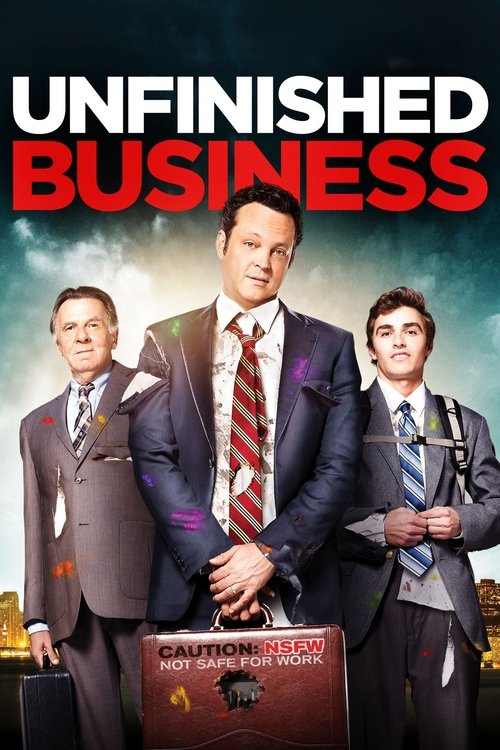
Unfinished Business2015
Both are about Irish people testifying against institutions that harmed or imprisoned them. Both use first-person testimony as an act of resistance and reclamation. Unfinished Business shows what happens when power structures refuse to listen; Dolours shows what happens when someone finally speaks after decades of silence.
This RTE series about victims of institutional abuse in Ireland sits in the same landscape as Dolours's story—examining harm and truth-telling within Irish institutions. It's journalism rather than biography, but it carries the same weight.
But It's a television series, so it requires commitment. The accumulation of testimony can be overwhelming rather than clarifying.
People
Cast
- Dolours PriceSelf
- Lorna LarkinDolours Price
- Lauren BealeChild Dolours Price
- Gail BradyMarian Price
- Hilary VeseyAunt Bridie
- Lauren CarrYoung Aunt Bridie
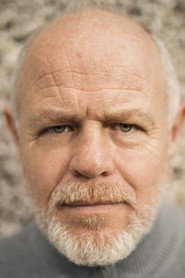 Enda OatesJoe Lynskey
- Mimi CarrollJean McConville
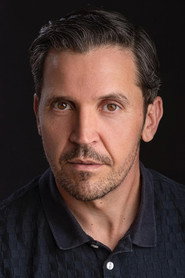 Mark LoughranAlbert Prince
- Shane FallonKevin McKee
- George CumminsSeamus Wright
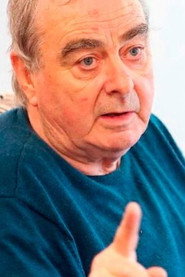 Ed MoloneyDolours' Interviewer (voice)
Directing
- Maurice SweeneyDirector
- Stephen FullerFirst Assistant Director
Writing
- Ed MoloneyWriter
- Maurice SweeneyWriter
Production
- Ed MoloneyProducer
- Nuala CunninghamProducer
- Paul MylerProducer
- Louise FullamProduction Coordinator