
Film
Hillsborough
- Drama
- Very dark
Hillsborough tells the story of the 1989 stadium disaster that killed 96 Liverpool fans through the eyes of three families caught in it. It's a methodical, unflinching account of how a catastrophe unfolds and what happens when institutions move to protect themselves rather than acknowledge responsibility. Essential British television that asks uncomfortable questions about power, negligence, and who gets believed.
If you liked this
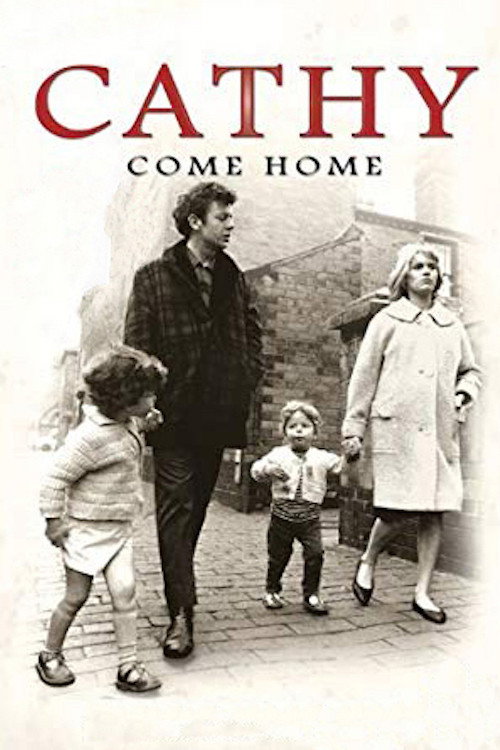
Cathy Come Home1966
A landmark social-realist play that changed British broadcasting by treating poverty as a system, not a personal failing. It has the same moral urgency as Hillsborough—uncomfortable, necessary, and unwilling to let the audience off the hook.
But Made in 1966, the style feels dated, and watching is draining rather than entertaining. It demands you sit with despair without resolution.
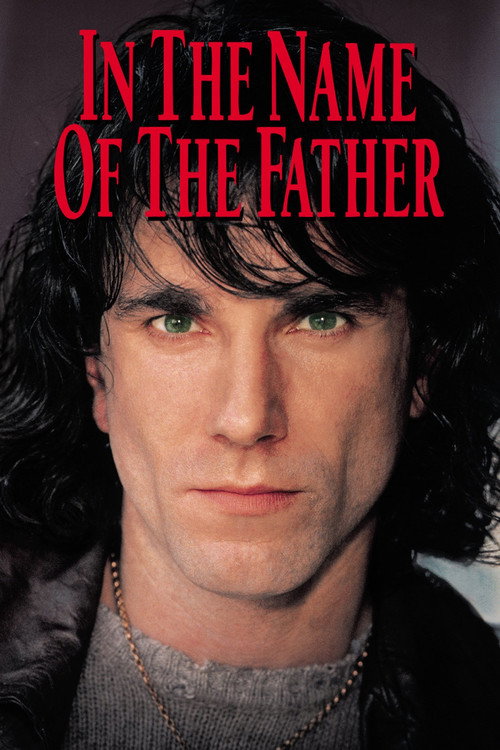
In the Name of the Father1993
Another true injustice made urgent and human: the Guildford Four wrongly imprisoned for an IRA bombing. Like Hillsborough, it shows how institutions close ranks, how the innocent bear the cost, and how families endure the aftermath of betrayal.
But It's angry rather than subtle, and the courtroom theatrics occasionally overshadow the quieter horror of what was done to real people.
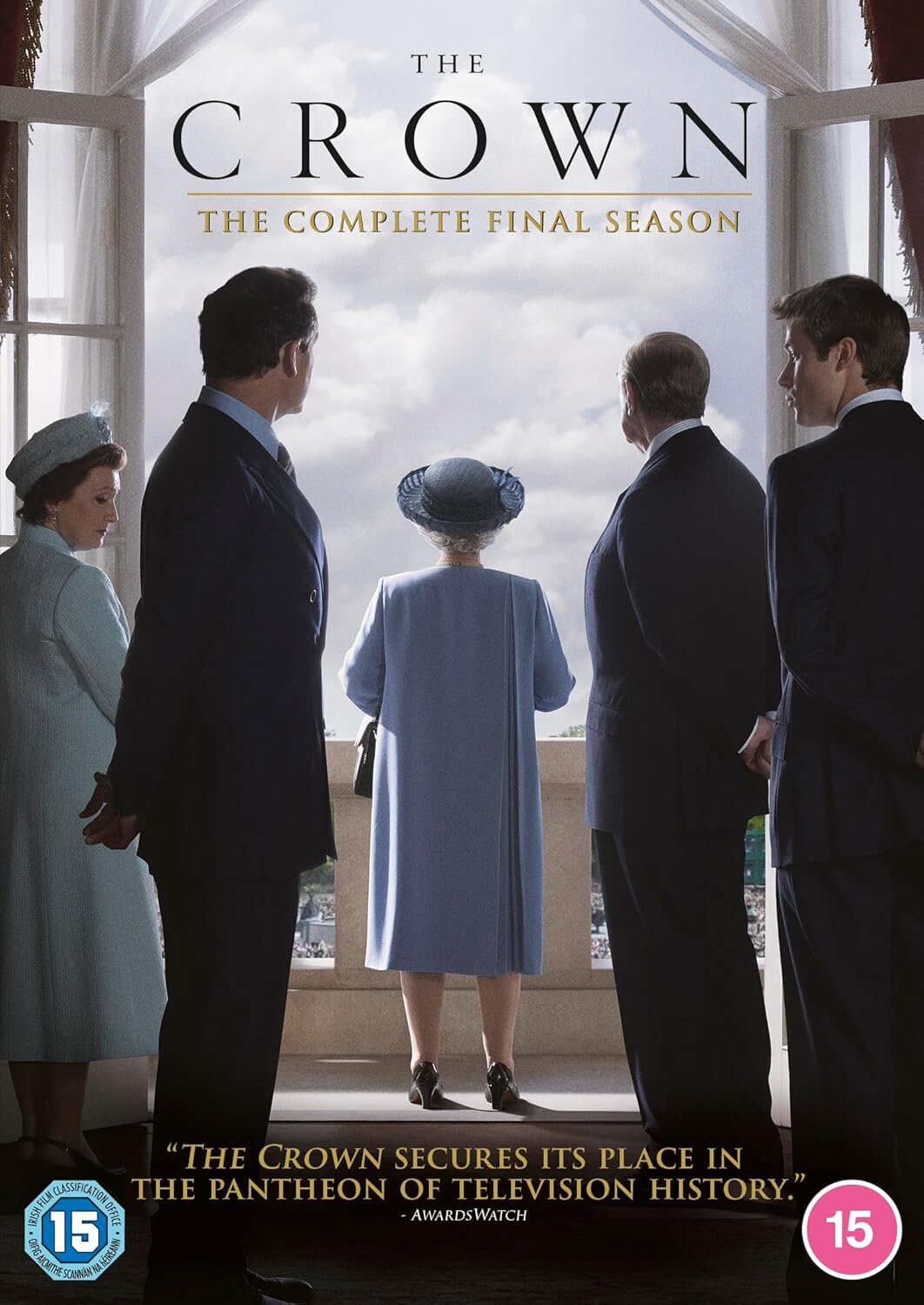
The Crown2016
When done right—which it often is—The Crown explores how institutions prioritize reputation over human cost, something Hillsborough makes visceral. Season 4 especially wrestles with how power operates and what it erases.
But It's gossipy and dramatized, sometimes sacrificing nuance for narrative. The further it gets from documented fact, the less it resembles what Hillsborough does so carefully.
Not sure tonight? Get a pick in a minute, starting from Hillsborough
The wildcard
Something you would not have found on your own.
The Act of Killing2012
Both interrogate institutional power by showing how it rewrites history. Hillsborough asks who gets blamed for a tragedy; The Act of Killing asks what happens when nobody is blamed at all.
A documentary where perpetrators of mass atrocity are asked to reenact their crimes. Like Hillsborough, it's about how institutions protect killers and how truth-telling becomes an act of resistance against official narratives designed to silence victims.
But It's morally complex in ways that disturb—you're watching confessed murderers, and the film doesn't condemn them simply. Some find this complicit; others find it essential.

More like this (6)
Kes1970
A British kitchen-sink classic that captures working-class life with tenderness and rage. The social textures match Hillsborough—it's interested in how ordinary people are failed by institutions and indifference.
But It's about a boy and a hawk, not a disaster. The connection is thematic rather than narrative, which some find oblique.

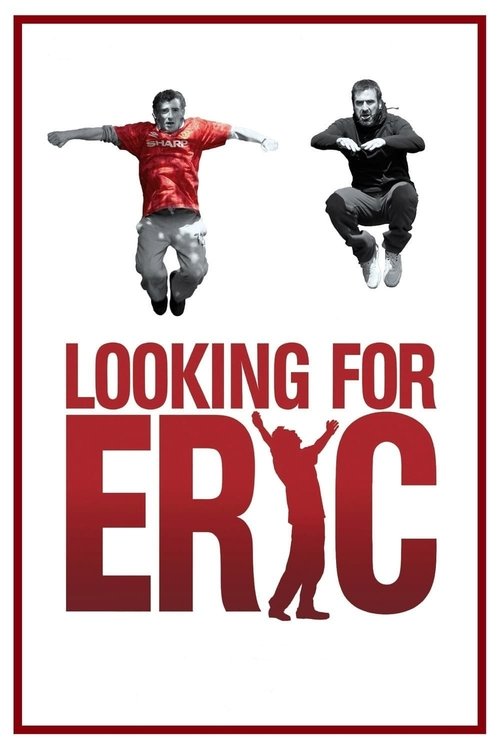
Looking for Eric2009
A Manchester-set film about loyalty, community, and what football means to people. It captures the emotional weight Hillsborough explores—football as identity, as connection, as something worth dying for.
But It's a comedy-drama, sometimes too light for the depths it occasionally touches. The tone whipsaws between funny and tender.
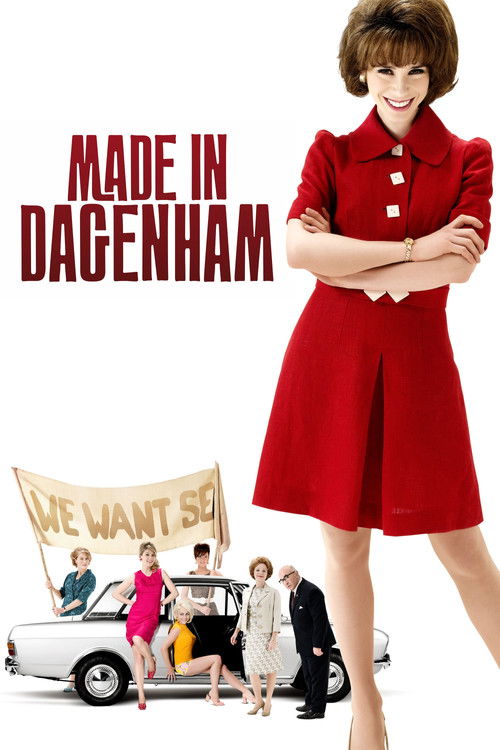
Made in Dagenham2010
Women fighting institutional power and indifference to assert their dignity. Like Hillsborough, it's about ordinary people forced to become activists because the system failed them first.
But It's occasionally more Hollywood than Hillsborough's grittiness allows. The structure is more conventional, less interested in moral ambiguity.
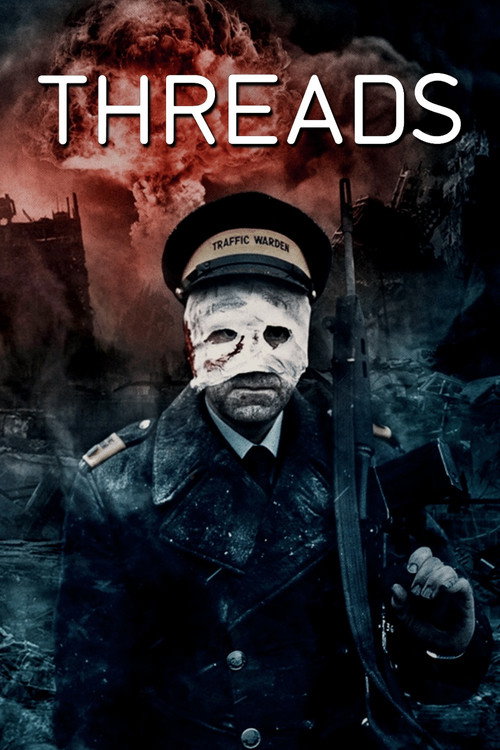
Threads1984
A documentary-style drama about nuclear war's aftermath that treats catastrophe with Hillsborough's unflinching realism. Both refuse sentimentality and ask what happens when systems collapse and who survives.
But It's apocalyptic and relentlessly bleak. Even by disaster-drama standards, it's punishing to watch and offers no hope whatsoever.
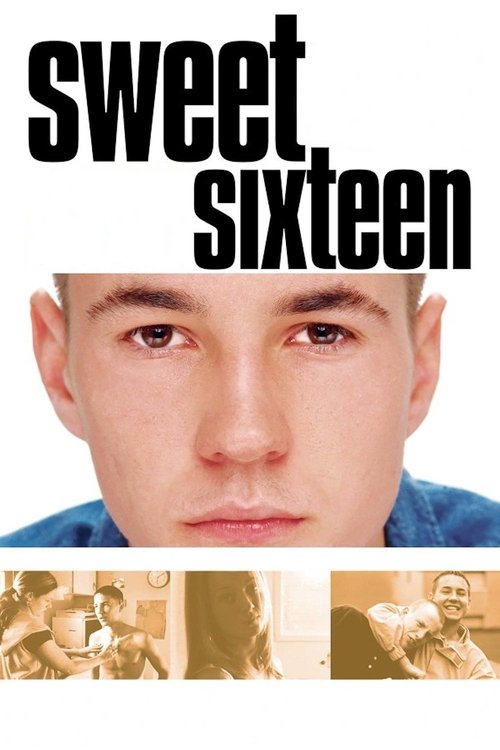
Sweet Sixteen2002
Both see working-class suffering not as individual failing but as a structural problem. Hillsborough asks 'who killed these people?'; Sweet Sixteen asks 'who broke this child?'—the answer in both is a system indifferent to accountability.
Ken Loach's raw Scottish film follows a boy navigating poverty and family breakdown. It shares Hillsborough's class perspective—both are about how the powerful's decisions destroy ordinary lives, shown through specific, unflinching detail.
But It's grim without catharsis, shot in a docudrama style that some find more depressing than moving. The protagonist isn't sympathetic in ways that make comfort easy.
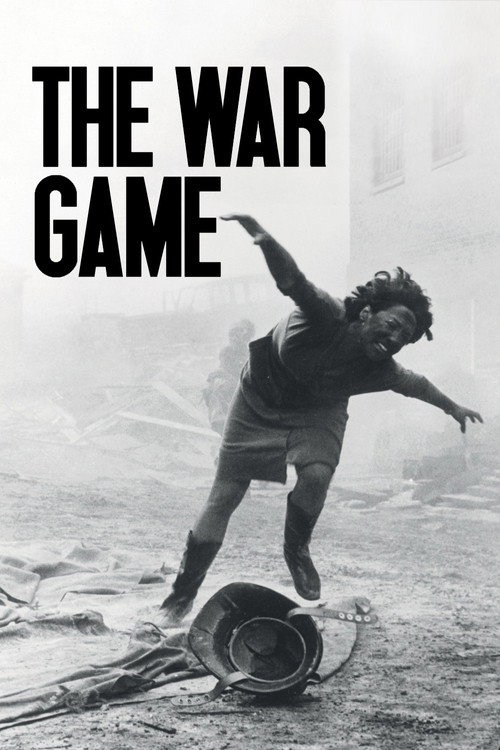
The War Game1966
Both are British dramas that were treated as dangerous by powerful people. Each forces a specific, material reckoning with how institutions fail the people they're meant to protect, and both were initially silenced for doing so.
A banned mock-documentary about nuclear war's effects on Britain. Like Hillsborough, it was suppressed by authority for being too honest, too able to force viewers to confront institutional negligence and the real cost of power's decisions.
But It's a 48-minute black-and-white TV special from the 1960s, formal and distant by modern standards. The horror is conceptual rather than immediate—harder to feel than to understand.
People
Cast
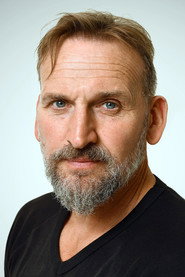 Christopher EcclestonTrevor Hicks
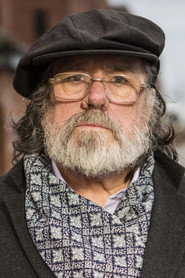 Ricky TomlinsonJohn Glover
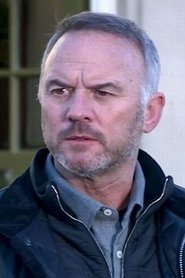 Mark WomackEddie Spearritt
 Maurice RoëvesChf Supt. Duckenfield
 Annabelle ApsionJenni Hicks
 Rachel DaviesTeresa Glover
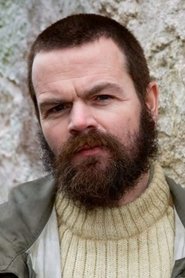 Stephen WaltersIan Glover
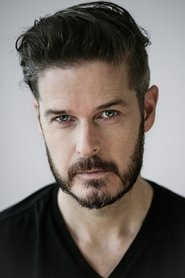 Scot WilliamsJoe Glover
 Tracey WilkinsonJan Spearritt
- Kevin KnapmanAdam Spearrit
- Sarah GrahamSarah Hicks
- Anna MartlandVicki Hicks
Directing
- Charles McDougallDirector
Writing
- Jimmy McGovernWriter
Production
- Gub NealExecutive Producer
- Ian McBrideExecutive Producer
- Nicola ShindlerProducer
Recommended by
Oranges and Sunshine, Suspect: The Shooting of Jean Charles de Menezes