
Film
Everything Is Copy
A portrait of Nora Ephron, the writer-director who made us believe in romantic comedy, built on her own archives and conversations with those closest to her. Her son Jacob Bernstein constructs something that moves between admiration and interrogation—funny, unsparingly honest about ambition and reinvention, and haunted by the cancer she didn't discuss publicly. Essential for anyone curious about how art and life collide.
If you liked this
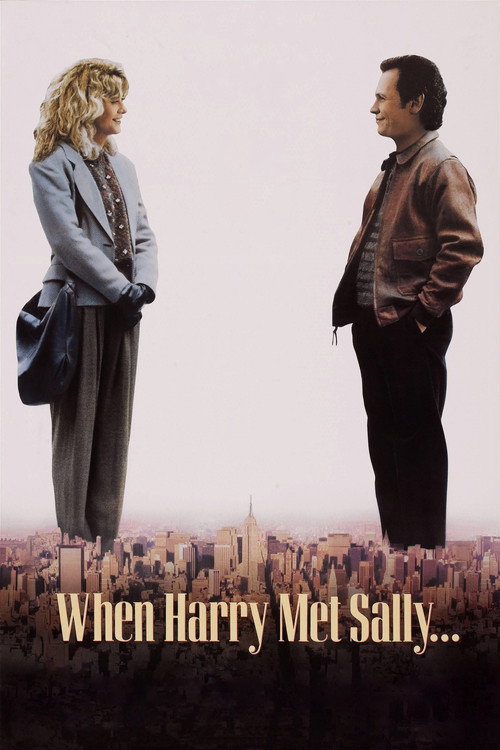
When Harry Met Sally...1989
The film that crystallized Ephron's philosophy—that friendship and attraction can coexist, that desire is funny, that dialogue matters more than plot. It's the template for everything she became known for.
But The New York romanticism can feel dated, and if you're resistant to the idea that soulmates exist, the ending will irritate you thoroughly.
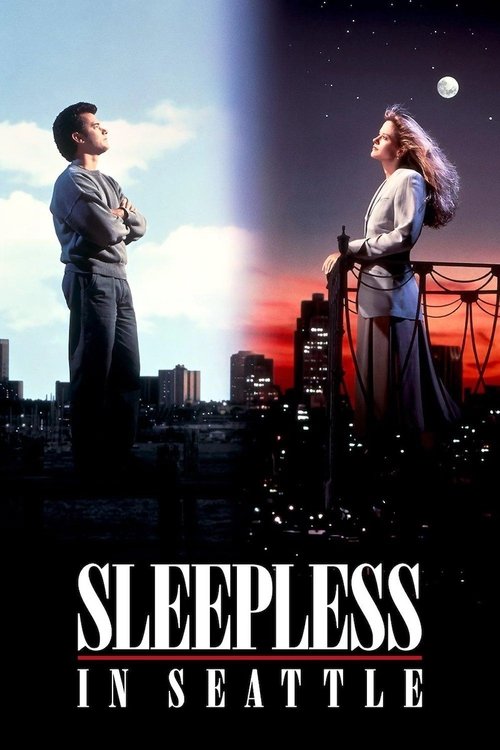
Sleepless in Seattle1993
Proof that Ephron could make a film that works as pure entertainment while smuggling in real observations about grief, single parenthood, and the stories we tell ourselves about love.
But It's unabashedly sentimental, and the plot hinges on contrivances that require genuine faith from the audience to accept.
You've Got Mail1998
The last and most audacious of her romantic comedies—a film about intimacy in the digital age, corporate greed, and the self we perform online. It's more interested in conversation than kisses.
But Tom Hanks and Meg Ryan's chemistry feels more intellectual than electric, and some of the corporate satire gets lost in the rom-com machinery.

Not sure tonight? Get a pick in a minute, starting from Everything Is Copy
The wildcard
Something you would not have found on your own.
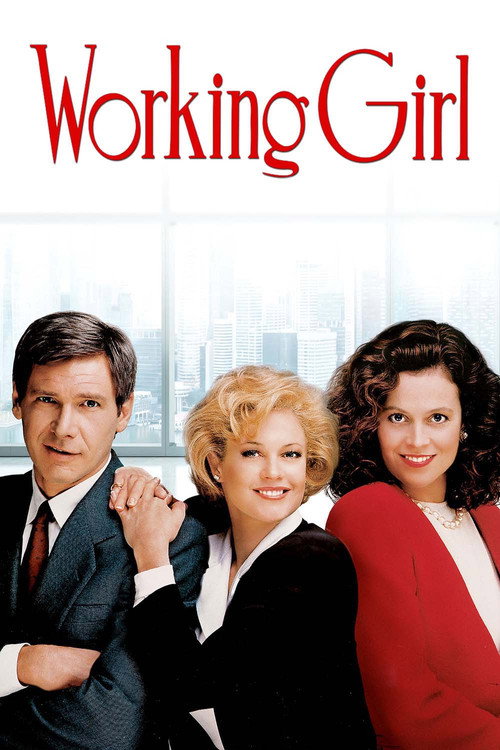
Working Girl1988
Both films understand that intelligence and desire are inseparable, and that a woman's ambition is as compelling as her romantic life—often more so.
Mike Nichols' film shares Ephron's fascination with ambition, class, and women using their wits to survive in systems stacked against them. It's romantic comedy as economic argument, and it breathes the same air as her best work.
But It's very much of the '80s in ways that can feel claustrophobic. Melanie Griffith's performance splits the difference between camp and sincerity, which not everyone will buy.
More like this (8)
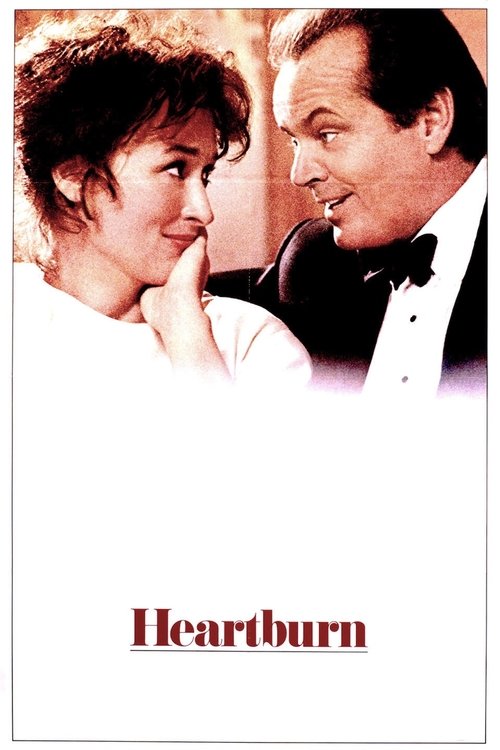
Heartburn1986
Ephron's directorial debut, adapted from her own novel about infidelity and marriage. Meryl Streep brings sharp comedy to genuine pain. It's where you first see Ephron's particular brand of turning humiliation into art.
But It's uneven—the tonal shifts between farce and heartbreak don't always land, and Jack Nicholson seems to be in a different film.
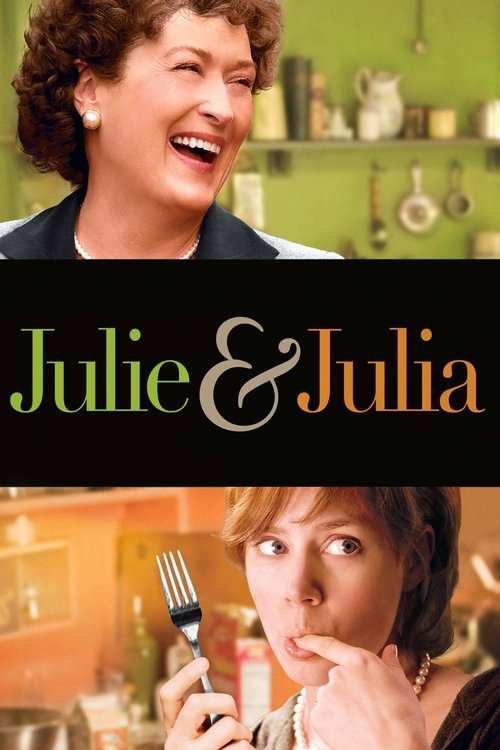
Julie & Julia2009
Her final film, a love letter to ambition, self-reinvention, and the pleasure of mastering a craft. The Julia Child half is especially wonderful—about wanting to matter in the world.
But The contemporary storyline with Meryl Streep is so charming it nearly drowns out the Julie Powell half, which can feel like filler by comparison.
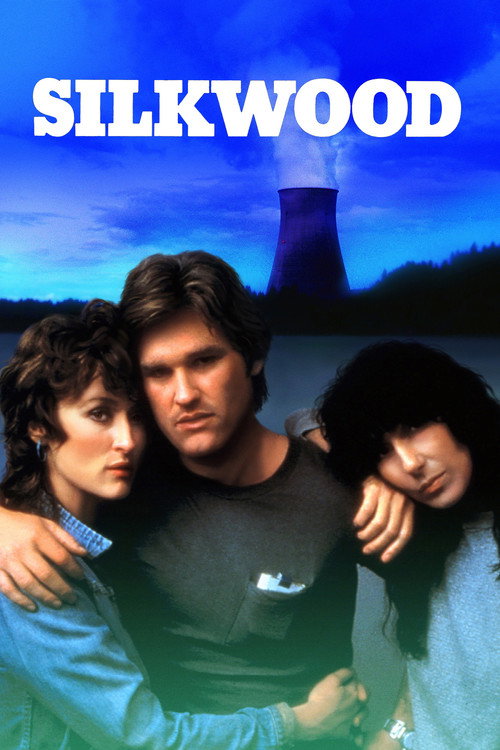
Silkwood1983
Ephron as director confronts serious material—corporate negligence, nuclear danger, a real woman's death. It shows her range beyond romantic comedy and her commitment to moral clarity.
But It's a heavy procedural drama that doesn't offer the emotional catharsis you might expect, and it meanders in places.
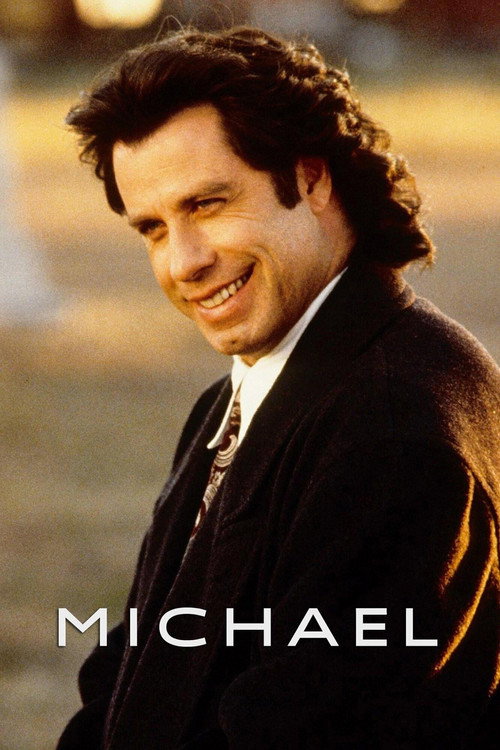
Michael1996
A gentler film than her others, about an angel and faith. It's where Ephron's sentimentality is most unapologetic, and it contains some genuinely tender moments about connection and mortality.
But It's slight, and the premise doesn't have much dramatic muscle. If you're allergic to whimsy, this will feel like wasting time.
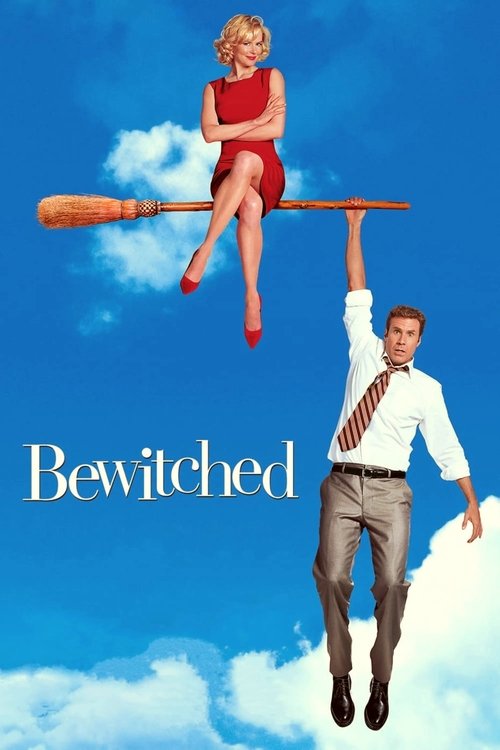
Bewitched2005
Ephron reimagines the TV show as a meta-comedy about acting, marriage, and the difference between the real and performed self. It's clever in ways most broad comedies wouldn't dare attempt.
But The concept is more interesting than the execution, and it never quite commits to the weird premise it's set up. The laughs are thin.
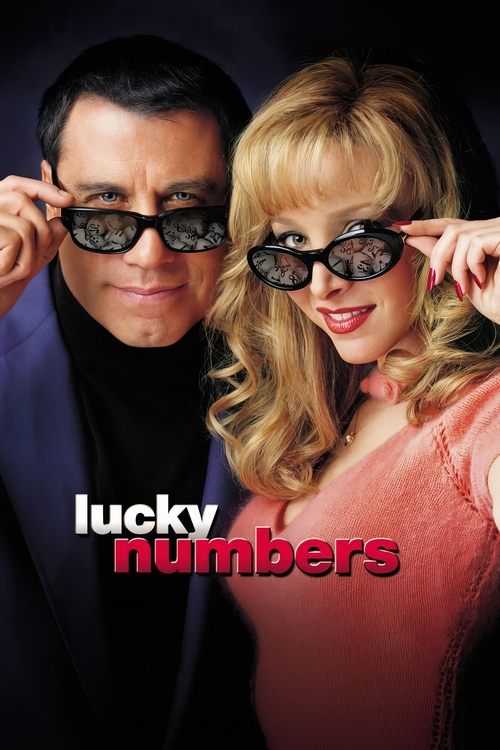
Lucky Numbers2000
A dark comedy ensemble piece about greed and desperation in a small town. It shows Ephron willing to get messy and cynical, far from her romantic-comedy brand.
But The tonal chaos is a problem rather than a feature—it feels like Ephron and the material are working against each other, and it's not funny enough to justify the meanness.
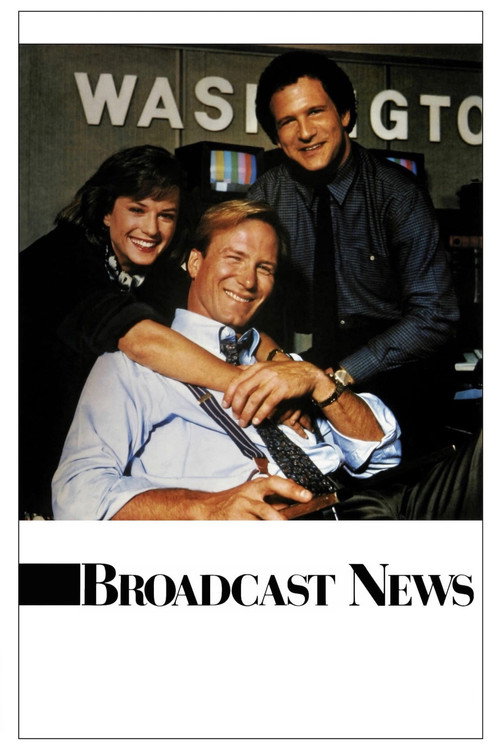
Broadcast News1987
Both made comedies about professional life and emotional vulnerability in the same moment, understanding that the workplace is where we perform ourselves most carefully.
James L. Brooks' film is Ephron's closest peer—about brilliant people in competitive fields, about the gap between public performance and private need, about wanting things you can't have. It has her rhythm and her moral seriousness.
But At 133 minutes, it's a commitment, and the meditative pacing will bore anyone looking for faster laughs. Some of the emotional beats are raw in uncomfortable ways.
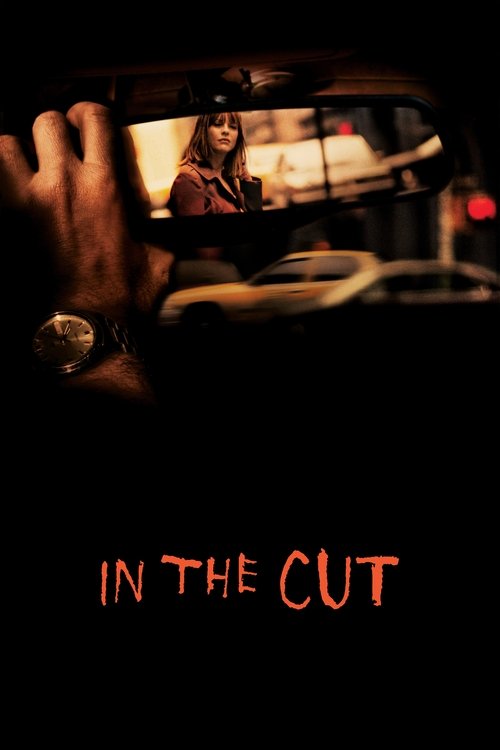
In the Cut2003
Both use the frame of desire as a way to examine how women navigate a world that wants to consume them, though they reach opposite conclusions about whether that's survivable.
Jane Campion's film is the dark negative of Ephron's romantic vision—sexual, dangerous, about a woman who cannot trust her own desire. It's challenging and strange, but it's asking the same questions Ephron was about what we want and why we're drawn to people who hurt us.
But It's a thriller/erotic drama that's bleak and sometimes brutal. It has explicit sexuality and violence, and some will find it misogynistic rather than complex. It's nothing like Ephron in tone.
People
Cast
 Nora EphronSelf (archive footage)
 Delia EphronSelf
 Tom HanksSelf
 Meryl StreepSelf

 Meg RyanSelf
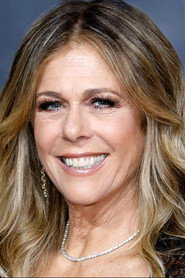 Rita WilsonSelf
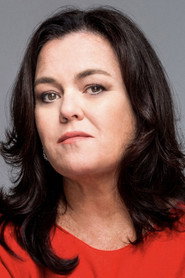 Rosie O'DonnellSelf
 Gaby HoffmannSelf
 Bob BalabanSelf
 Amy PascalSelf
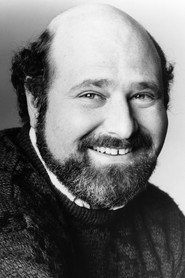 Rob ReinerSelf
Directing
- Jacob BernsteinDirector
- Nick HookerDirector
Writing
- Jacob BernsteinWriter
Production
- Alexandra PitzAssociate Producer
- Annabelle DunneExecutive Producer
- Graydon CarterExecutive Producer
- Sheila NevinsExecutive Producer
- Carly HugoProducer
- Jacob BernsteinProducer
- Matthew ParkerProducer
- Lisa HellerSupervising Producer