
Film
Workplace
Gary Hustwit's sleek 64-minute documentary examines how office design is finally catching up to how we actually work. Following R/GA's New York headquarters redesign by Foster + Partners, it explores the tension between digital transformation and physical space. For anyone curious about work culture, design thinking, or why your office feels stuck in 2005.
Should you watch it?
Watch it if you find yourself idly wondering why open-plan offices feel the way they do and enjoy watching designers argue over desks, light and walls as if the answer mattered a lot.
Skip it if you want a film with a story, characters you follow through a plot, or a sharp point of view; this is an explainer-style tour of one design project, and it stays polite rather than provocative.
What it asks of you: Sixty-odd minutes of patient observation, with long stretches of meetings and building work rather than quick cuts or narration pushing you along.
Not sure? Find tonight's pick in a minute.
If you liked this
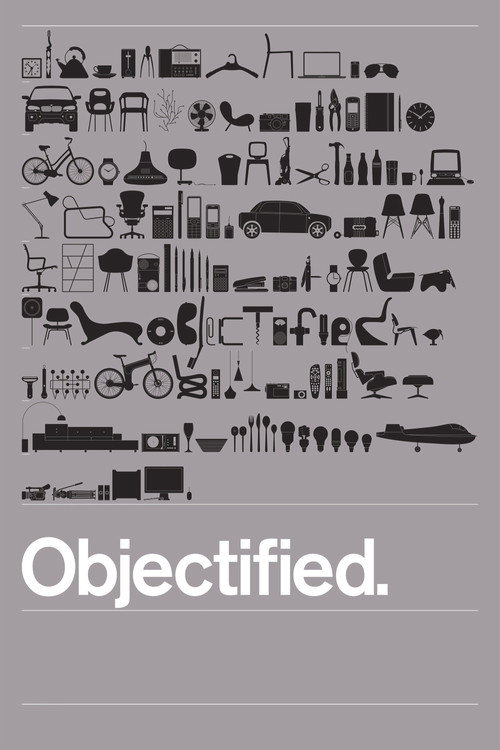
Objectified2009
Hustwit's earlier design documentary about everyday objects and the thinking behind them. Same director, same intelligence, same visual elegance—a perfect entry point if you haven't seen his work.
But At 75 minutes, it's another essay film without narrative drive. If you need plot, this won't deliver it.
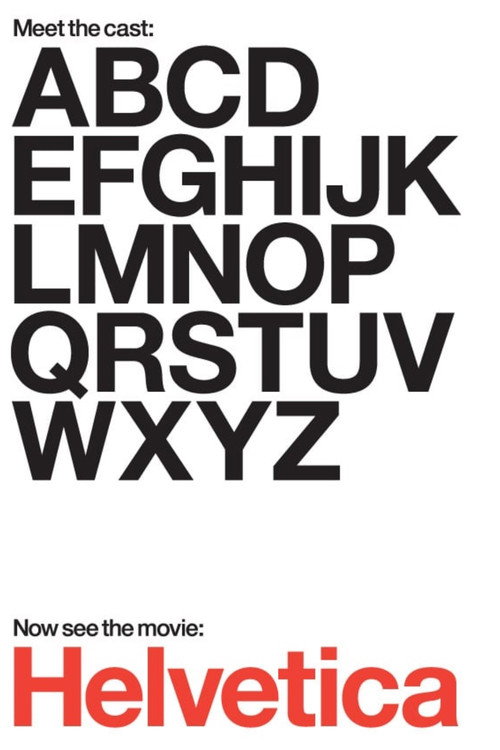
Helvetica2007
Another Hustwit design documentary, this time about a typeface that changed the world. Unexpectedly gripping, gorgeously shot, and surprisingly funny about something that seems impossibly dry.
But It's a film about a font. Even knowing the premise works doesn't mean sitting down for it feels natural.
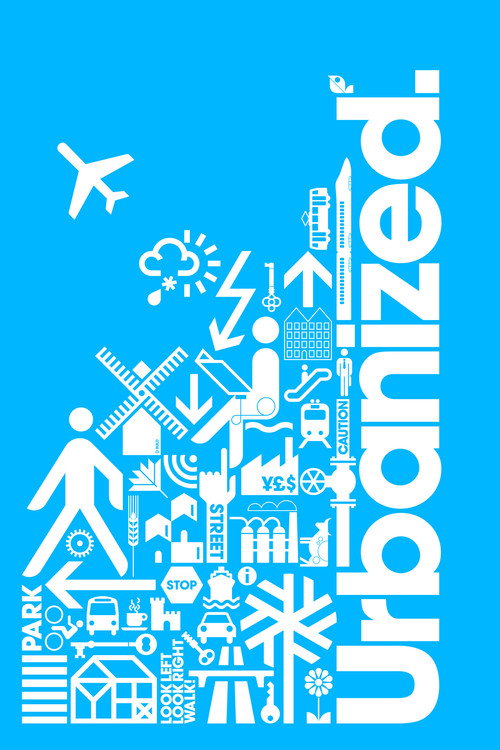
Urbanized2011
Hustwit's third design doc, zooming out to cities themselves. Same visual language and intellectual rigor, but broader in scope—cities are living workplaces for millions.
But The widest of his three documentaries can feel a touch diffuse. Lots of voices, lots of examples, sometimes hard to land a argument.
Not sure tonight? Get a pick in a minute, starting from Workplace
The wildcard
Something you would not have found on your own.
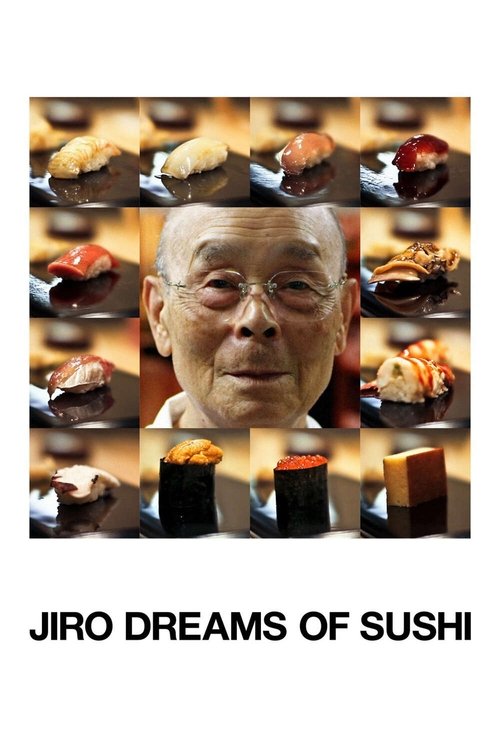
Jiro Dreams of Sushi2011
Hustwit again, but this time the 'workplace' is a 10-square-foot counter. Same visual precision applied to a radically different space—the intimate versus the corporate.
Hustwit directed this too. A sushi master's workspace is as carefully designed as any office—his hands, his knife, his counter become a design problem solved over sixty years. A meditation on how spaces enable mastery.
But It's hypnotic and slow. If you're looking for conventional momentum, you'll be bored within five minutes.
More like this (5)
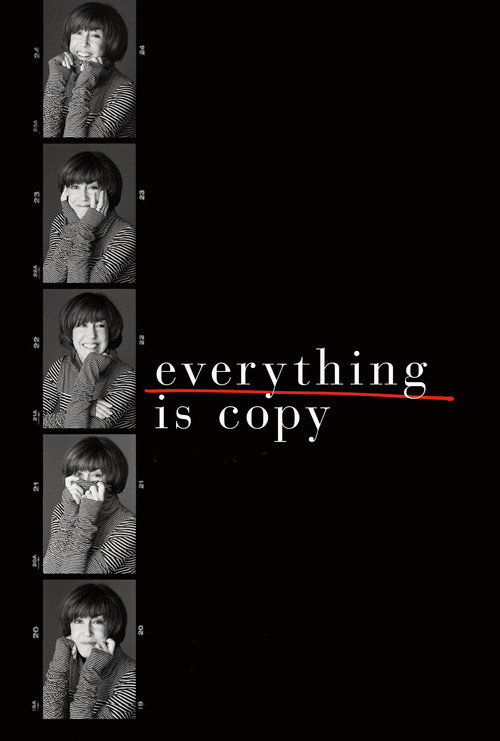
Everything Is Copy2015
A documentary about the writer Nora Ephron that explores how life becomes art. Relevance: the office is where creativity happens, where life becomes work becomes product. Smart and moving.
But It's a writer's portrait, not a design film. The connection to workplace culture is thematic, not direct.
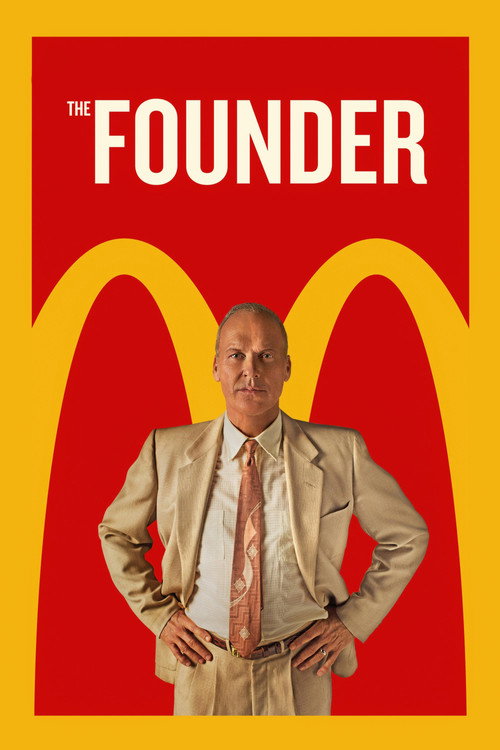
The Founder2016
Michael Keaton as Ray Kroc building McDonald's empire. About ambition, innovation, and the physical spaces that enable (or control) how people work. Engrossing and darkly funny.
But It's a conventional biopic that loves its subject less than it pretends. And it's a shadow of what it could be.
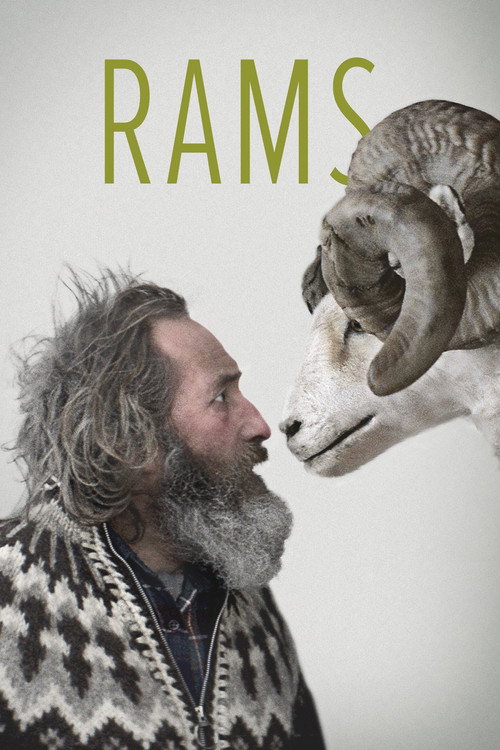
Rams2015
A documentary about the design philosophy of Dieter Rams. Meditative, gorgeously shot, about the thinking that shapes the spaces and objects we inhabit. Zen design cinema.
But It moves slowly and makes few concessions to momentum. If you need things to happen, you will find yourself waiting.
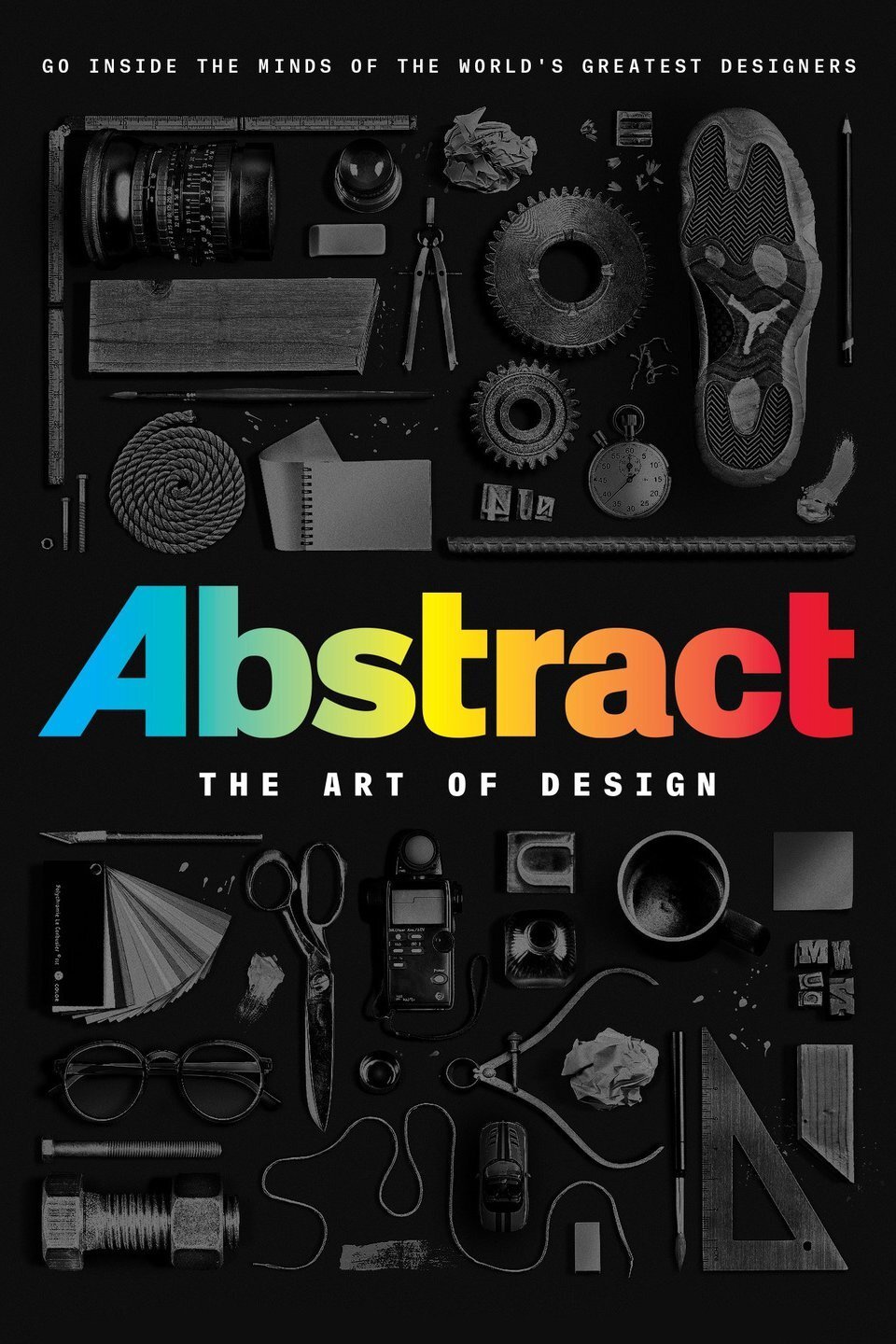
Abstract: The Art of Design2017
Netflix series where each episode profiles a different designer or design discipline. Same visual language as Hustwit, same intellectual generosity, eight times over instead of once.
But Anthology format means you're hunting for the good episodes. Not all of them land with equal force.
Stalker1979
Both explore how physical space shapes human behavior and possibility. Workplace asks the question optimistically. Stalker asks it with existential dread. The contrast illuminates both.
Tarkovsky's meditative science-fiction film about a guide leading people through a mysterious zone. Slow, philosophical, about how space shapes desire and choice. Oblique but profound examination of how environment shapes consciousness.
But It's 163 minutes of philosophical slow cinema. Not a documentary. Soviet. From 1979. If you need narrative clarity, this will frustrate you intensely.

People
Directing
- Gary HustwitDirector
Production
- Jessica EdwardsAssociate Producer
- Gary HustwitProducer
Recommended by
A Bread Factory, Part One: For the Sake of Gold, Schmatta: Rags to Riches to Rags