
Film
The Tragedy of Man
Márta Mészáros's towering animated adaptation of Imre Madách's Hungarian play is a 166-minute journey through human creation, ambition, and ruin. Gorgeously drawn in a style that's part Romantic nightmare and part socialist realism, it watches Adam and Eve tumble through history—from Eden through Napoleon, industry, and empire—each era a fresh catastrophe. For patient viewers who want animation to be seriously adult.
If you liked this
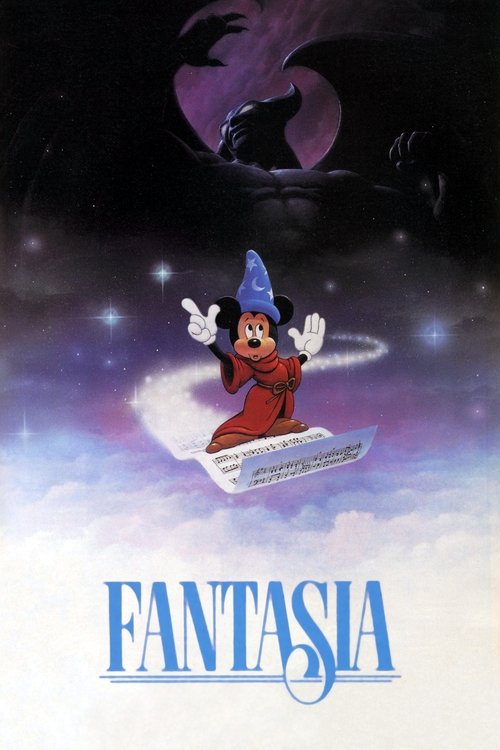
Fantasia1940
Proof that animation can be high art without words. Like Tragedy, it trusts music and image to carry philosophical weight. A direct ancestor to what Jankovics attempts here.
But It's abstract and slow by design. If you need dialogue to stay engaged, you'll struggle with entire stretches.
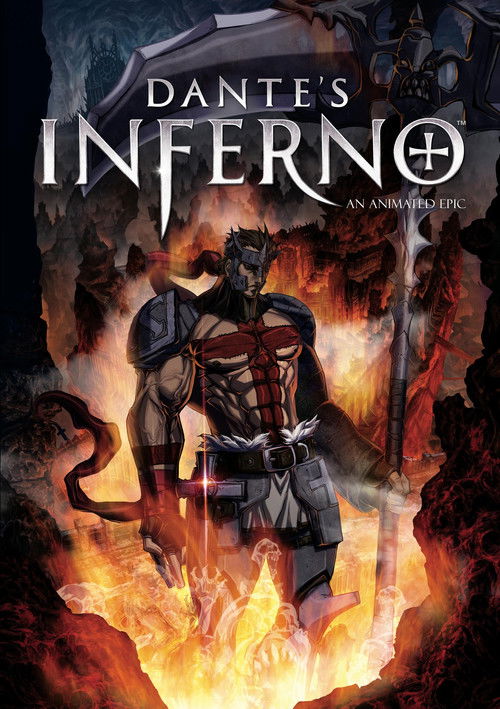
Dante's Inferno: An Animated Epic2010
Same epic ambition and art-for-adults sensibility. A guided descent through punishment and history, visualized in the style of medieval art. Released just one year before Tragedy.
But The animation is gorgeous but sometimes stiff. It lacks the emotional dynamism you might want from 90 minutes of suffering.
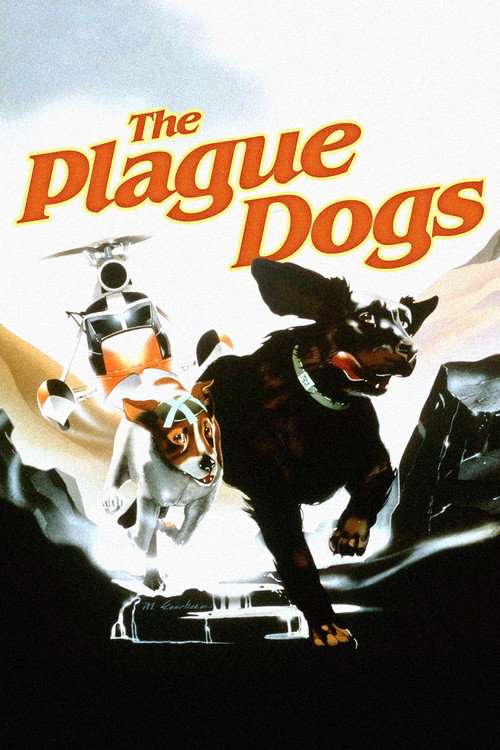
The Plague Dogs1982
Animated, uncompromising, and furious about human cruelty. It treats its audience like adults capable of sitting with darkness and philosophical exhaustion.
But It's relentlessly bleak and the animation is deliberately ugly. Most people will find it unbearably depressing rather than cathartic.
Not sure tonight? Get a pick in a minute, starting from The Tragedy of Man
The wildcard
Something you would not have found on your own.
Stalker1979
Both are philosophical epics that refuse to console. They watch humanity cycle through want and ruin, but locate meaning in the witnessing itself rather than in rescue or redemption.
Tarkovsky's three-hour meditation on human longing, faith, and disappointment. Like Tragedy, it's adamant that human desire will betray us, but it finds something transcendent in that betrayal. Devastating and slow and essential.
But It moves at glacial pace and has almost no plot. Patience isn't enough—you need surrender. Many people find it punishing rather than enlightening.

More like this (8)
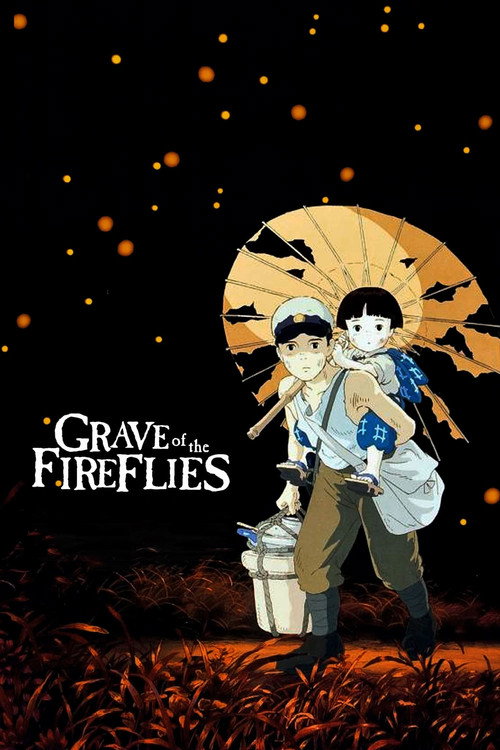
Grave of the Fireflies1988
Proof that animation's reach is as deep as any film ever made. A requiem for innocence and the weight of history. Shares Tragedy's commitment to seriousness without sentiment.
But It's devastating—not in a entertaining way, but in a way that leaves you wrecked. Some viewers feel ambushed by the emotional intensity.
The Holy Mountain1973
Jodorowsky's hallucinatory spiritual journey through history and symbol. Like Tragedy, it's a surreal progression through ages and archetypes, densely packed with meaning and strangeness.
But It's aggressively weird and resists interpretation. The surrealism will frustrate anyone wanting a straightforward narrative or clear messages.

Synecdoche, New York2008
Charlie Kaufman's one live-action film is Tragedy's spiritual sibling: a sprawling, anguished meditation on art, ambition, and the futility of human creation. Equally demanding but equally rewarding.
But It's maximalist and bewildering. The plot resists summary, and you need to surrender to its logic rather than trying to follow it traditionally.

Requiem for a Dream2000
Darren Aronofsky's assault on your nervous system about desire, addiction, and the human capacity for self-destruction. Shares Tragedy's sense that human nature cycles through the same failures.
But It's viscerally punishing. The sound design and editing are meant to stress you out, and many viewers find it too aggressively unpleasant to revisit.

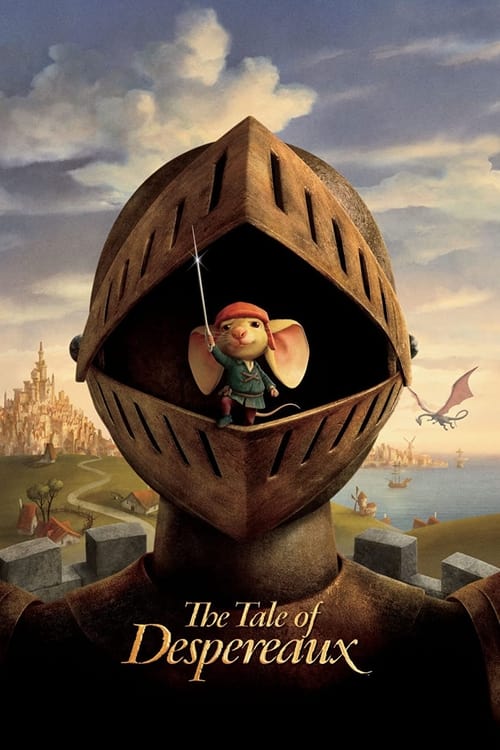
The Tale of Despereaux2008
Don Bluth's gorgeously classical fairy-tale animation with serious undercurrents of loss and cruelty. Shares Tragedy's sense that beauty and darkness belong in the same frame.
But It undercuts its own darkness with whimsy at crucial moments. If you want uncompromising bleakness, it softens too much for comfort.
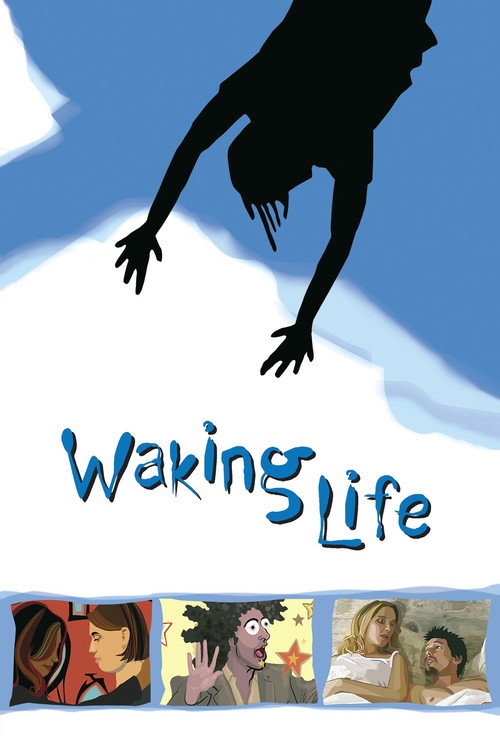
Waking Life2001
Richard Linklater's rotoscoped philosophical essay-film about consciousness and meaning. Like Tragedy, it's an animated journey through ideas and eras, dialogue-driven but utterly visual.
But The repetitive technique wears on you, and the philosophy is sometimes undergraduate-level. The lack of plot can feel like excuse-making for philosophical meandering.
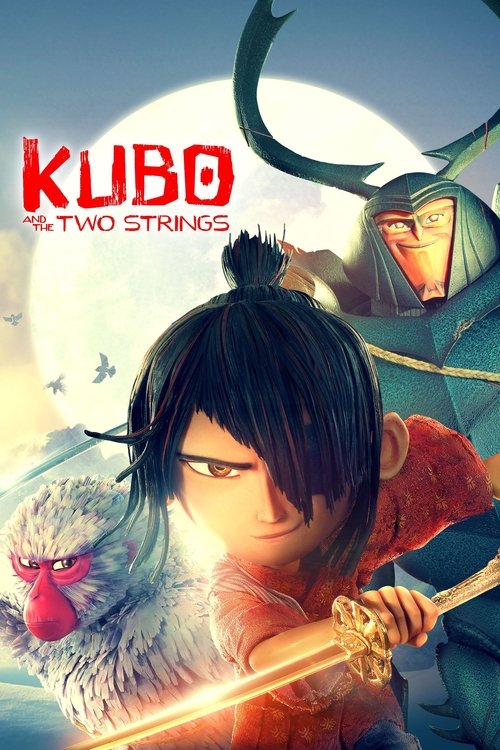
Kubo and the Two Strings2016
Both trust animation to carry weight that live-action often reserves for 'serious' cinema. Both see mythology and human suffering as the province of careful, gorgeous visual storytelling.
Stop-motion animation about myth, mortality, and a child navigating a world that wants him dead. It's visually rapturous and emotionally profound—animation made by someone who understands that beauty and tragedy are not opposites.
But The plot twists into family melodrama near the end. Some viewers feel the emotional gut-punch undercuts the visual grandeur that came before it.
Come and See1985
Both are meditations on historical cycles of cruelty made by filmmakers from Eastern Europe (or the Eastern Bloc) determined that their work be a monument to suffering, not entertainment.
Elem Klimov's Soviet masterpiece about a boy conscripted into World War II. It's live-action, not animated, but it's the closest thing to Tragedy in its refusal to look away from human capacity for destruction. Unforgettable and shattering.
But It's not a film you watch for pleasure. It's a film that injures you deliberately. Many people watch it once and never again, which is sometimes the point.

People
Cast
 Tamás SzélesÁdám (voice)
- Ágnes BertalanÉva (voice)
 Mátyás UszticsLucifer (voice)
 Tibor SzilágyiÚr (voice)
 Piroska MolnárA Föld szelleme (voice)
Directing
- Edit KõAssistant Director
- Marcell JankovicsDirector
Writing
- Imre MadáchTheatre Play
- Marcell JankovicsWriter
Production
- Edit KõExecutive Producer
- Borbála MezeiProducer
- Károlyné KonczProducer
Recommended by
Berserk: The Golden Age Arc II - The Battle for Doldrey, An Ordinary Man