
Film
Little Nemo: Adventures in Slumberland
A 1989 Japanese-American animated feature where a boy named Nemo is literally pulled into the dreamland of Slumberland by its king. It's a gorgeously drawn, sometimes unsettling journey through impossible architecture and genuine wonder, caught between children's adventure and something stranger. For anyone who loved the visual invention of early animation, or who remembers being a kid and actually *afraid* of dreams.
Should you watch it?
Watch it if you love dreamlike storybook fantasy where the imagery does the talking, and you don't mind a gentle, old-fashioned sense of wonder built on hand-drawn color and bold invention.
Skip it if you want a tight, character-driven plot, because this is more a parade of dazzling dream set-pieces than a story that tightens its grip.
What it asks of you: Roughly ninety-five minutes of unhurried wonder, where the logic rides on images rather than explanation, and the mood slowly turns from playful to tense.
Not sure? Find tonight's pick in a minute.
If you liked this
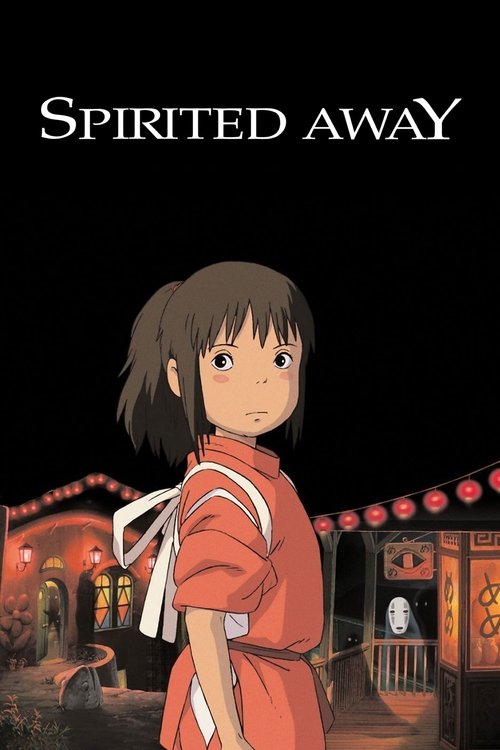
Spirited Away2001
A child plunged into a magical world that obeys its own logic, gorgeously animated, with real stakes hidden beneath whimsy. Miyazaki's masterpiece does what Little Nemo attempts: makes dreamscapes feel lived-in and dangerous.
But Long at two hours, with pacing that doesn't rush. The dubbed version (which most watch) loses some nuance from the original Japanese.
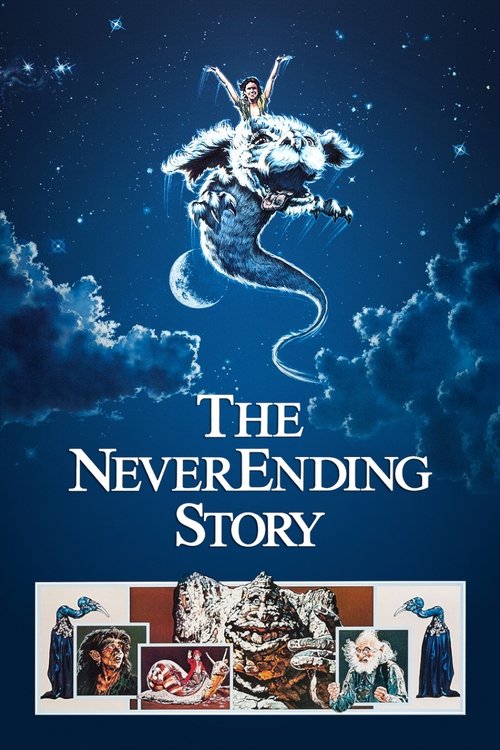
The NeverEnding Story1984
Another boy pulled into a fantasy realm that's visually ravishing and emotionally genuine. It understands that the most important battles in fantasy are internal, and it doesn't patronize children.
But The practical effects haven't aged perfectly, and the second half loses the tight focus of the first. Some of the emotional beats land harder than others.
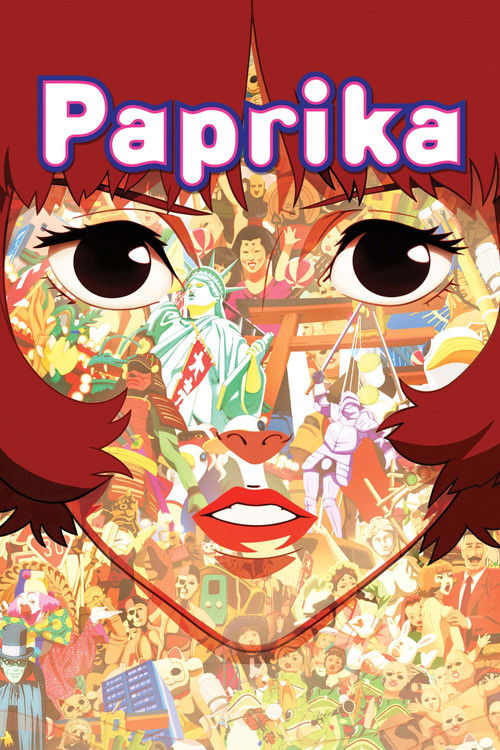
Paprika2006
Japanese animation, dreamscapes as narrative, reality splintering. Kon's surreal masterpiece shares Little Nemo's DNA—impossible visuals, a world where logic bends, genuine dread hiding in beauty.
But Wildly more experimental and abstract. If you want story over spectacle, this will frustrate you. It's deliberately disorienting.
Not sure tonight? Get a pick in a minute, starting from Little Nemo: Adventures in Slumberland
The wildcard
Something you would not have found on your own.
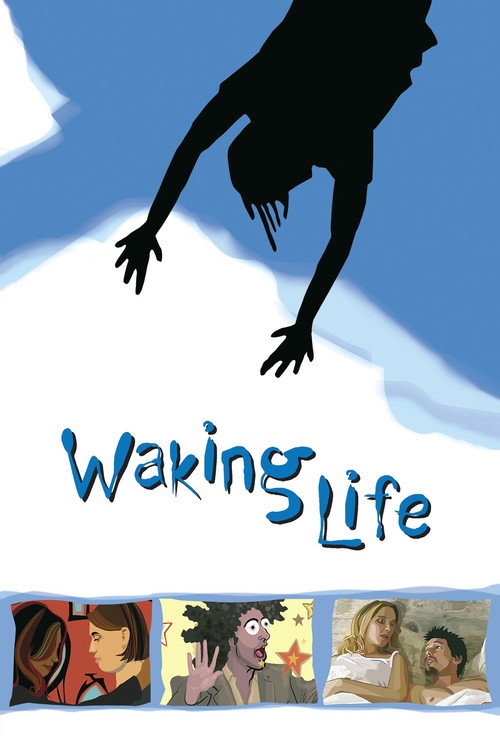
Waking Life2001
Both are journeys through impossible worlds where the architecture and logic are dreamlike. But where Little Nemo is a child's adventure, Waking Life is a man's philosophy—the same territory, completely different altitude.
Rotoscoped animation (live action filmed, then traced over) creates an uncanny, fluid dreamscape. A young man wanders a world that's literally becoming aware it's a dream. It's philosophically restless and visually hypnotic—what happens when you stop pretending dreams need logic.
But It's essentially a series of conversations about consciousness and free will. If you want plot or character, you'll find neither. Some find it pretentious, others transcendent; few feel neutral.
More like this (8)
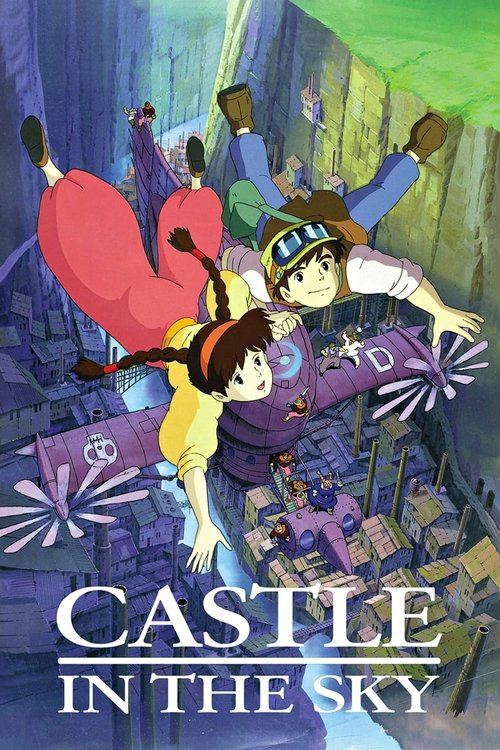
Castle in the Sky1986
A boy and girl, a floating castle, hand-drawn animation that still takes your breath away. It's pure adventure—gasp-inducing sequences, genuine peril, and the kind of world-building that makes you believe in the impossible.
But Slow by modern standards. The plot is fairly straightforward, so if you're chasing complexity, this won't deliver it.
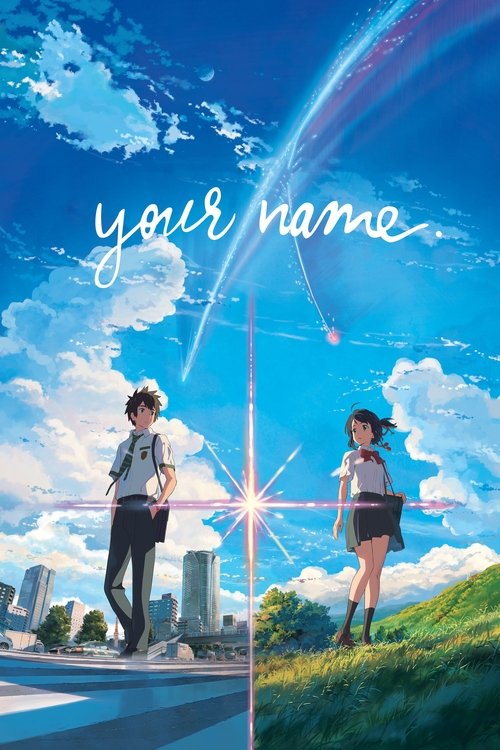
Your Name.2016
Japanese animation at its visual peak. Two teenagers whose identities literally swap; like Little Nemo, it's about the collision between real life and something dreamlike, gorgeously rendered and emotionally devastating.
But Anime romance might not be your thing. The second half leans harder into melodrama than the first, which some find maudlin.
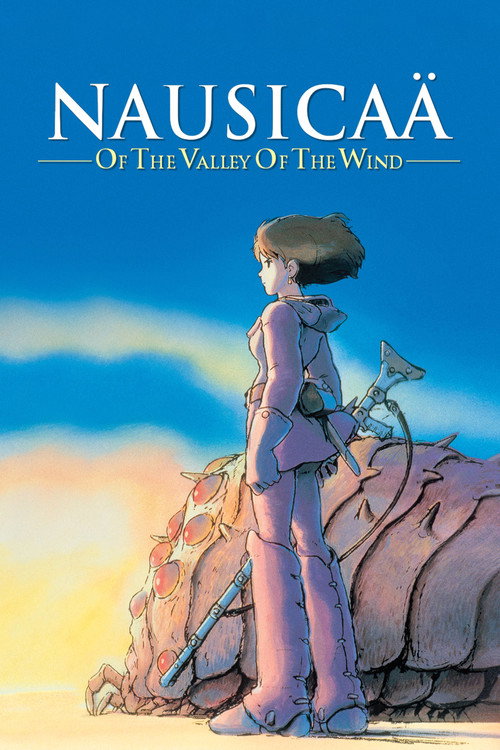
Warriors of the Wind1984
Adventure, environmental stakes, gorgeous animation, and a girl moving through a world of hostile wonders. Miyazaki's pre-Studio Ghibli masterpiece has the same sense of awe and real danger.
But It's a manga adaptation, so if you haven't read it, some plot beats land incompletely. It also predates a lot of animation refinement.
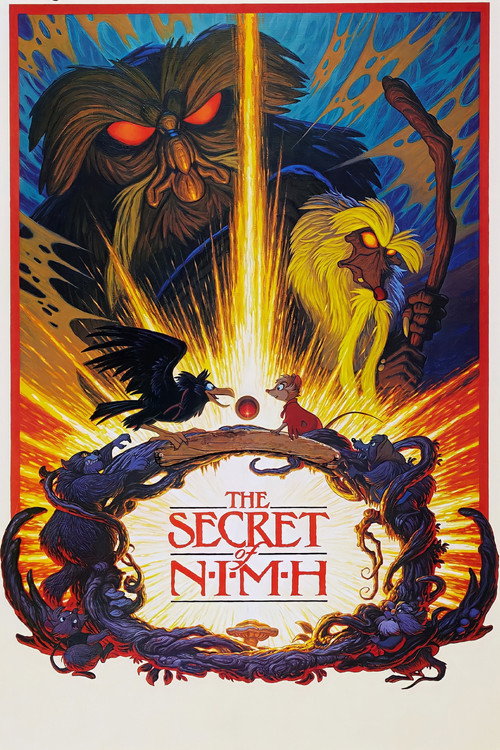
The Secret of NIMH1982
A mother mouse in an impossible situation, animated with a darkness that respects the audience's intelligence. It shares Little Nemo's willingness to let things get genuinely scary beneath the fantasy surface.
But The animation is inconsistent in places, and the plot becomes heavier and more violent than the opening promises. Some find it bleak.
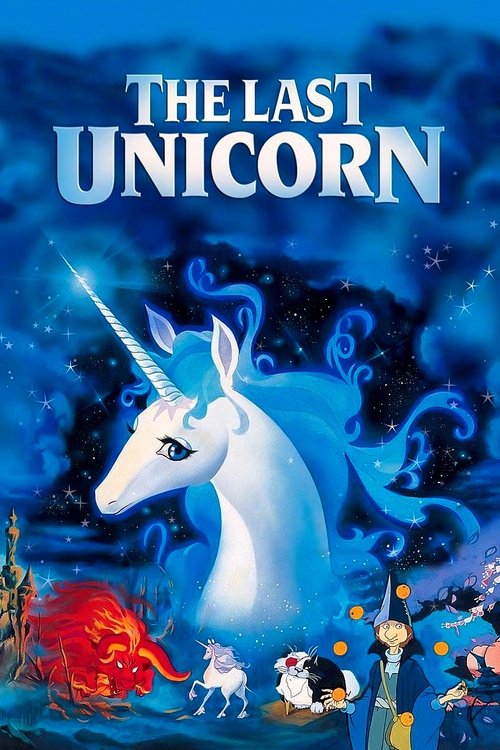
The Last Unicorn1982
A creature on a quest through a world that's forgotten magic. Beautifully animated, melancholic, and unafraid to be sad. It understands that wonder and heartbreak go together.
But Slow and elegiac. If you want action and momentum, this will feel static. It's a film about loss, not victory.
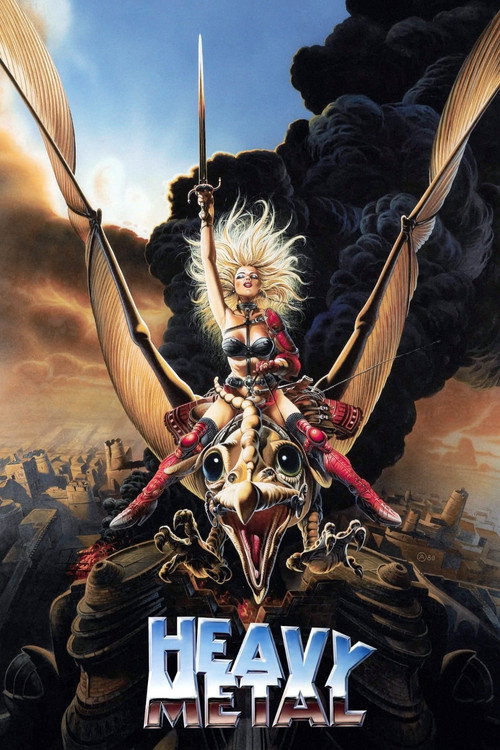
Heavy Metal1981
An anthology of animated stories, wildly varied in tone and animation style. It's surreal, ambitious, and proves animation could be more than either children's entertainment or straightforward narrative.
But It's genuinely crude in places—some segments are juvenile, and the tonal shifts are jarring. It's also rated R, and not because of anything precious.
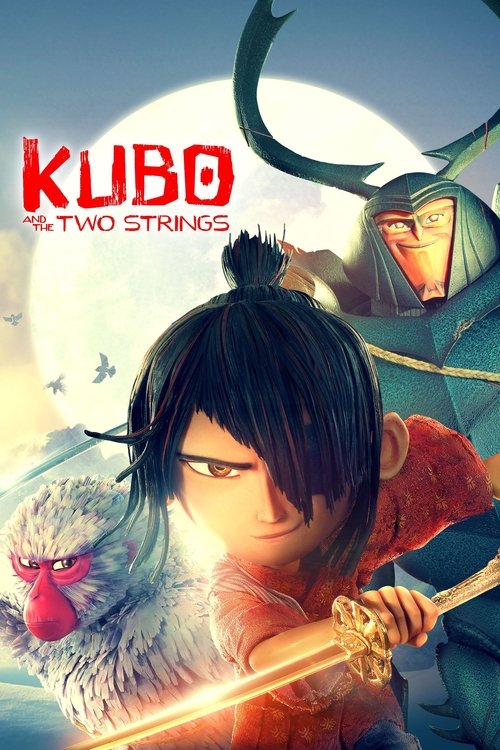
Kubo and the Two Strings2016
Both pull from Japanese aesthetics and mythology. Both feature boys in fantastical worlds. But where Little Nemo is pure dream logic, Kubo is rooted in tangible folklore and physical craft.
Stop-motion, not hand-drawn; beautifully crafted. A boy with magical origami power travels a landscape straight out of Japanese folklore. It has Little Nemo's willingness to show genuine horror alongside wonder, and its animation is stunningly inventive.
But Stop-motion moves at a different pace than 2D animation; it can feel stiff to viewers used to fluidity. The story, while lovely, is fairly familiar.
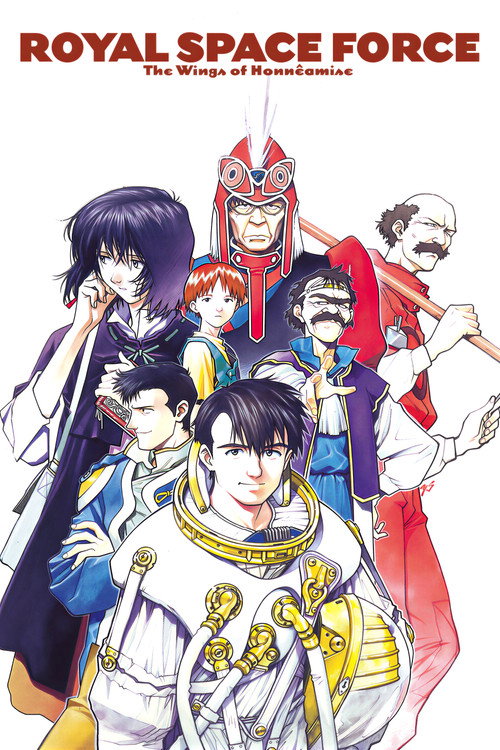
Royal Space Force - The Wings of Honneamise1987
Same era as Little Nemo, same incredible hand-drawn animation work. Both are '80s Japanese animation at its most ambitious and least concerned with profit. But where Nemo is dreamscape, Honneamise is dystopian; where Nemo feels like a child's fever dream, Honneamise feels like a fever dream of an entire civilization.
A gorgeously hand-drawn original anime about a young man training for a spaceflight in an alternate world. It's *weird*—unpredictable, visually stunning, tonally unexpected. It respects neither anime conventions nor viewer expectations.
But It's a 1987 anime, so the pacing is glacial by modern standards. The plot meanders. The religious allegory isn't subtle. Finding it is hard; watching it requires patience.
People
Cast
- Takuma GonoNemo (voice)
 Chikao OhtsukaFlip (voice) / Professor Genius (voice)
 Hiroko KasaharaPrincess Camille (voice)
 Kenji UtsumiKing Morpheus (voice)
 Taro IshidaNightmare King (voice)
 Tessyo GendaNemo's Father (voice)
 Mari YokooNemo's Mother (voice)
 Hiroshi OtakeOompa (voice)
 Keiichi NanbaOomp (voice)
 Masaharu SatoOompo (voice)
 Kozo ShioyaOompe (voice)
 Hiroko EmoriOompy (voice)
Directing
- Masami HataDirector
- Masanori HataDirector
- William T. HurtzDirector
Writing
- Winsor McCayOriginal Story
- Chris ColumbusScreenplay
- Richard OuttenScreenplay
- Jean GiraudStory
- Yutaka FujiokaStory
- David HilbermanStory Consultant
- Frank ThomasStory Consultant
- Koji ShimizuStory Consultant
- Ollie JohnstonStory Consultant
- Robert TowneStory Consultant
- Ray BradburyWriter
Production
- Koji TakeuchiAssociate Producer
- Zita CampisiCasting Director
- Shunzo KatoCo-Producer
- Sander SchwartzExecutive In Charge Of Production
- Yutaka FujiokaProducer
Recommended by
Nacho Libre, Cool World, Mr. Magorium's Wonder Emporium, InHumanoids, The 13 Ghosts of Scooby-Doo