
Film
The Spirit
Frank Miller's audacious 2008 noir-fantasy about a masked cop fighting crime in a stylized shadow-city. High-contrast black-and-white visuals meet melodrama and pulp action. It swings wildly between earnest and campy, demanding viewers who either love Miller's maximalism or find it exhausting. Pure style over substance, but the style is genuinely distinctive.
If you liked this
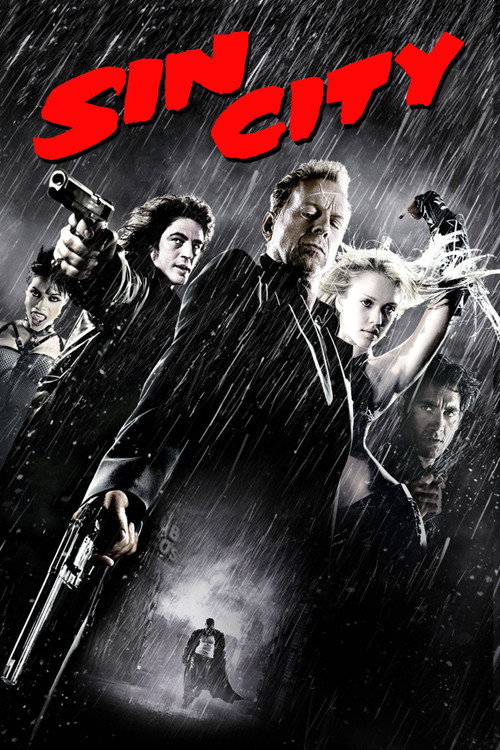
Sin City2005
The obvious touchstone: Miller's graphic novel brought to screen with the same high-contrast monochrome aesthetic and violent pulp energy. If you're drawn to The Spirit's look, this is where that visual language was perfected first.
But It's significantly darker and more brutal, with sexual violence that isn't played for fun. The episodic structure can feel repetitive if you don't connect with the noir tone.
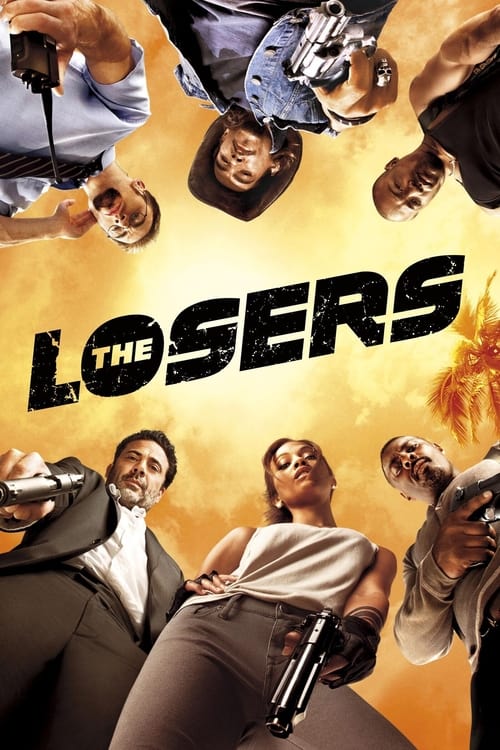
The Losers2010
A stylized action-thriller with similar commitment to comic-book visuals, humor, and over-the-top plotting. Cast of charismatic actors playing it straight while everything around them goes delightfully bonkers.
But Released after The Spirit and less distinctive visually. It's slicker but safer—less willing to risk looking ridiculous, which sometimes makes it less fun.
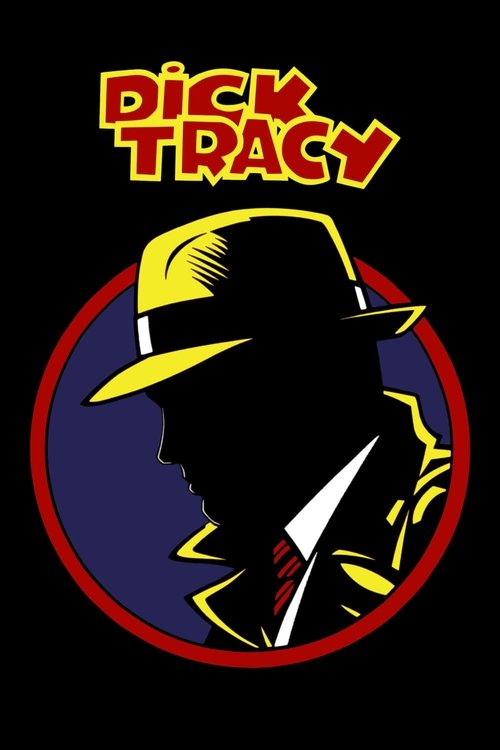
Dick Tracy1990
Warren Beatty's love letter to pulp and primary colors: a fedora-wearing detective in a hyper-stylized city fighting grotesque villains. Shares The Spirit's commitment to artifice over realism and to making the frame itself part of the storytelling.
But The pacing is deliberate and the tone is more whimsical than thrilling. Some find the stylization precious rather than energizing.
Not sure tonight? Get a pick in a minute, starting from The Spirit
The wildcard
Something you would not have found on your own.
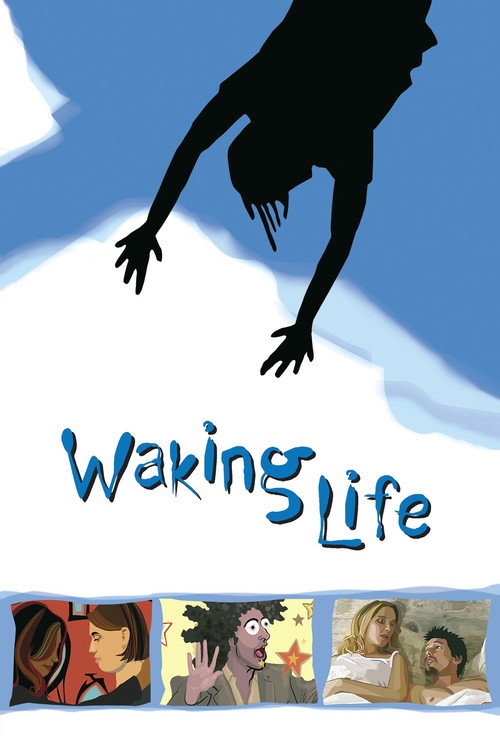
Waking Life2001
Both films treat the rules of physical reality as optional. The Spirit hides behind shadows and mythology; Waking Life operates inside a dream where the laws don't apply. Both prioritize atmosphere and visual experimentation over narrative logic.
Rotoscoped animation of conversations in a dreamlike city. Like The Spirit, it's a complete commitment to visual style as substance—but instead of noir it's philosophical speculation. A man moves through spaces that are explicitly impossible, which is closer to The Spirit's actual DNA than most live-action comparisons.
But The entire film is dialogue and philosophical argument. There's minimal plot and no action. If you want visceral thrills, this is meditation instead.
More like this (8)
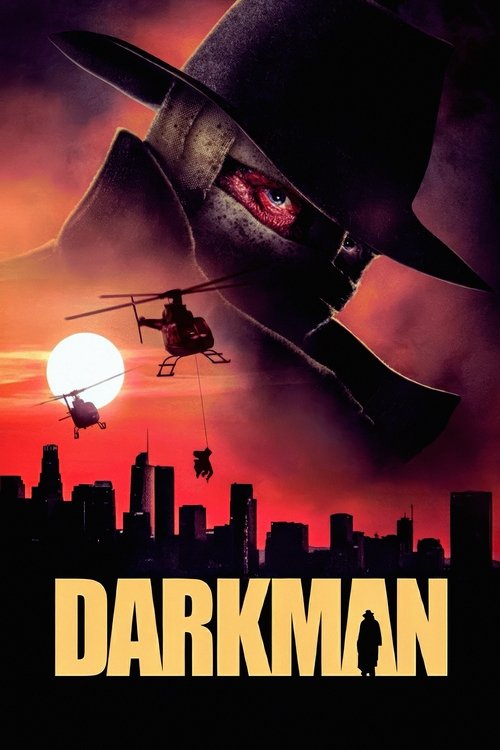
Darkman1990
Sam Raimi's underrated masked-vigilante origin story has the same pulp DNA and B-movie commitment. Practical effects, operatic violence, and a hero defined by shadowy mythology rather than psychological depth.
But Genuinely rough around the edges, with uneven acting and CGI that hasn't aged well. The film knows this and doesn't apologize.
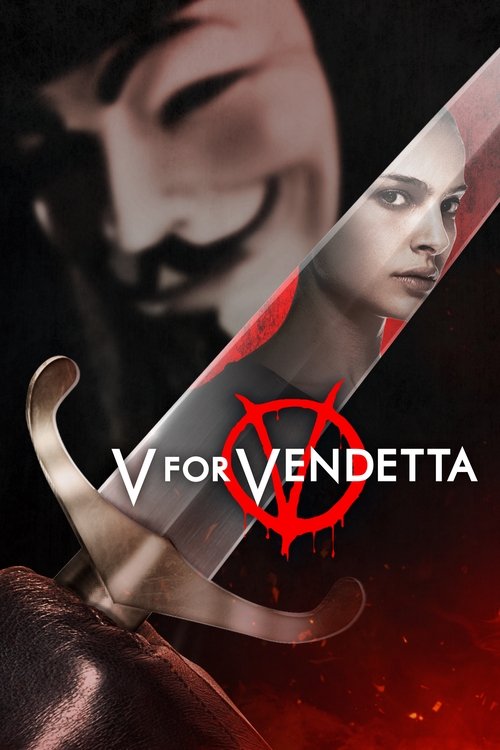
V for Vendetta2006
A masked avenger fighting corruption in a dystopian city, with visual flair and theatrical violence. James McTeigue brings graphic-novel sensibility to Moore and Lloyd's source material with committed style.
But The politics are sometimes blunt and the second half dips into standard action-thriller territory. The anonymity of the protagonist means there's limited character work.
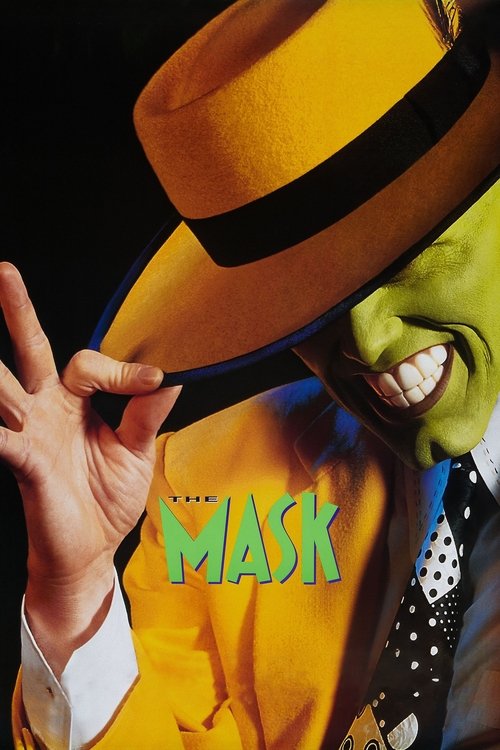
The Mask1994
Jim Carrey in a fantastical urban noir where reality warps around the protagonist. Cartoonish violence, stylized color palette, and an unhinged energy that doesn't pretend to be grounded.
But Completely bonkers tone might exhaust you after 100 minutes. The comedy hasn't universally aged well and it's aggressively of the '90s.
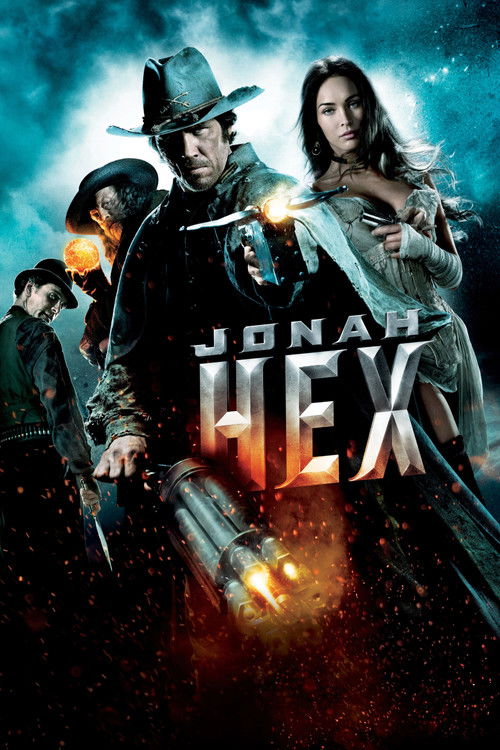
Jonah Hex2010
Another Brolin-fronted comic adaptation with surreal action beats and a commitment to heightened weirdness. Western-superhero hybrid that refuses to settle into any single gear.
But Released to near-universal derision and feels like it was edited in a panic. Has genuine cult-weird moments but also genuine catastrophes.
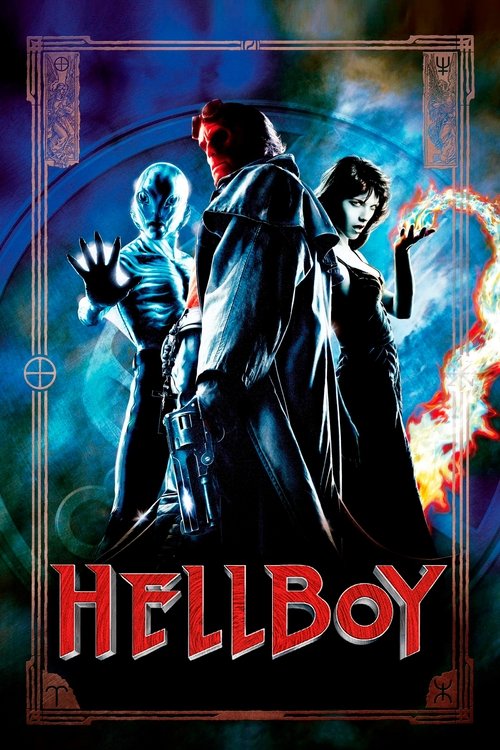
Hellboy2004
Guillermo del Toro's stylized action-fantasy with eccentric casting, practical creature effects, and no interest in naturalistic dialogue. A masked hero in a weird city fighting impossible things.
But The plotting is messy and some character choices feel half-baked. The 2019 reboot is worse, which doesn't help this one's reputation.
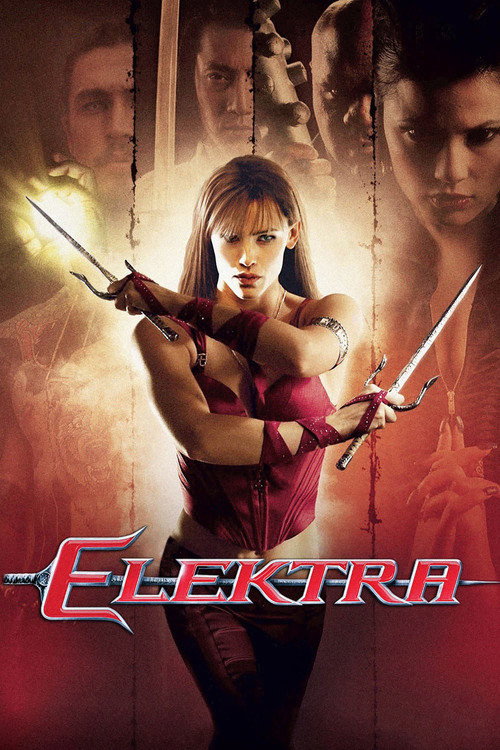
Elektra2005
Daredevil spin-off with visual experimentation and commitment to comic-book aesthetic. Jennifer Garner as a stylized warrior in a heightened world, backed by kinetic fight choreography.
But Even fans of the source material acknowledge it doesn't quite work. Inconsistent tone and a script that struggles to justify its own plot beats.
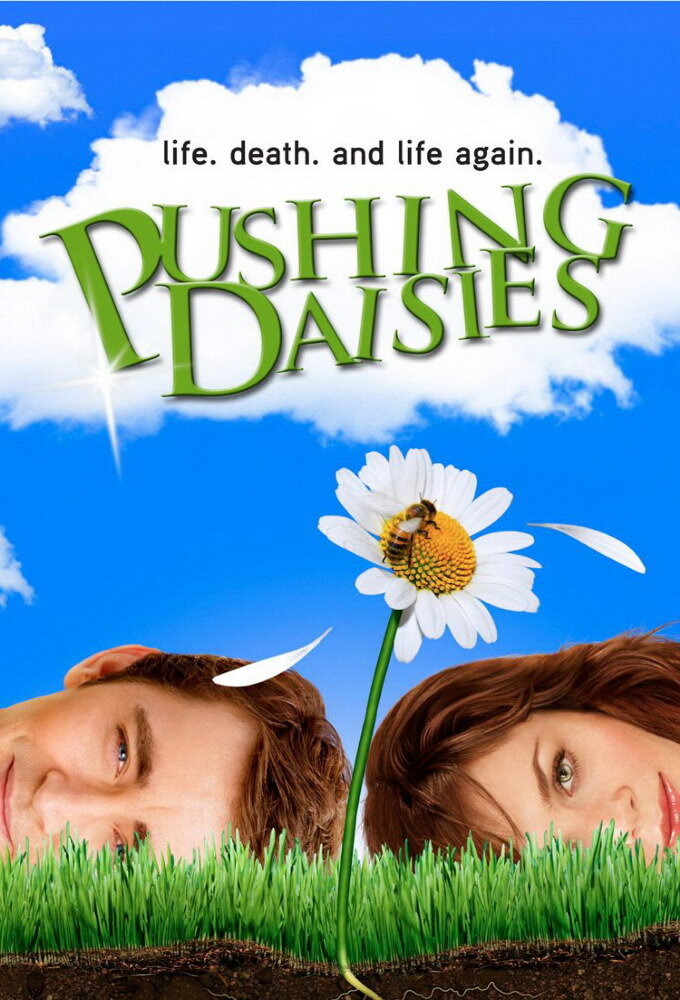
Pushing Daisies2007
Both embrace the idea that a story's setting can be as much of a character as the people in it. The Spectral City and the Pie-Hole are both impossible places where the real world's rules simply don't apply.
A TV series with more confident artificiality than The Spirit achieved. Hyper-stylized production design, melodrama played straight, and a willingness to break every rule of naturalism. Each frame looks handcrafted. Wonderfully weird without irony.
But Only two seasons before cancellation. The whimsy is relentless and can feel cloying. Some find the affectedness exhausting rather than charming.
Mulholland Drive2001
Both films feature masked or hidden identities, both are obsessed with visual style as their primary storytelling tool, and both present cities that feel more like dreamscapes than real places. The Spirit reaches for noir pulp; Mulholland Drive reaches for psychological horror—but both are using the visual language to tell you the city itself is the real character.
Lynch's dreamlike Los Angeles noir where the visual surface shifts and reality becomes unstable. Black-and-white photography, stylized performance, and a commitment to mood over coherence. A masked mystery at the heart of a stylized city.
But Deliberately obscure and structurally confusing. Some see it as profound; others see it as pretentious. The second half dissolves into abstraction that frustrates rather than illuminates.

People
Cast
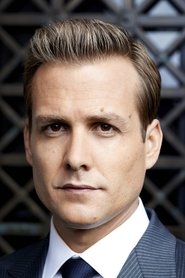 Gabriel MachtThe Spirit / Denny Colt
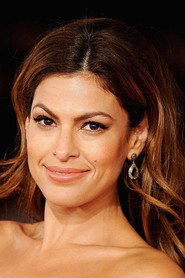 Eva MendesSand Saref
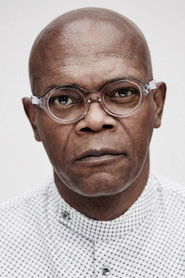 Samuel L. JacksonOctopus
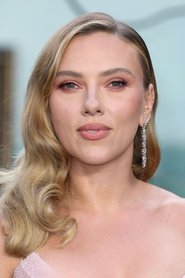 Scarlett JohanssonSilken Floss
 Sarah PaulsonEllen Dolan
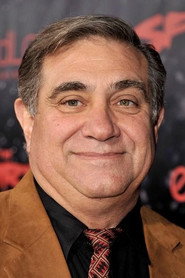 Dan LauriaDolan
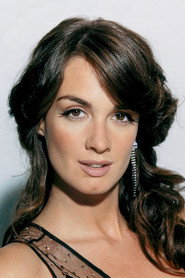 Paz VegaPlaster of Paris
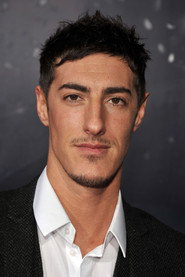 Eric BalfourMahmoud
 Jaime KingLorelei Rox
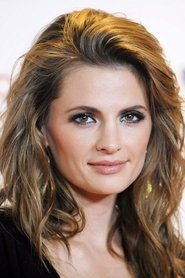 Stana KaticMorgenstern
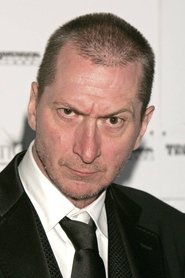 Frank MillerLiebowitz
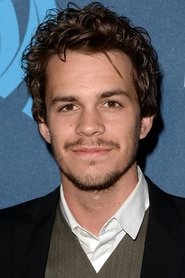 Johnny SimmonsYoung Spirit
Directing
- Frank MillerDirector
Writing
- Will EisnerComic Book
- Frank MillerScreenplay
Production
- Deborah AquilaCasting
- Jennifer L. SmithCasting
- Tricia WoodCasting
- Benjamin MelnikerExecutive Producer
- Bill LischakExecutive Producer
- Jeff AndrickExecutive Producer
- Michael BurnsExecutive Producer
- Michael PaseornekExecutive Producer
- Steven MaierExecutive Producer
- Alton WalpoleLine Producer
- Deborah Del PreteProducer
- F.J. DeSantoProducer
- Gigi PritzkerProducer
- Linda McDonoughProducer
- Marc SadeghiProducer
- Michael UslanProducer