
Film
Faults
A cult deprogrammer is hired to extract a woman from a mysterious group, but nothing proceeds as expected. Darkly funny and deeply unsettling, it rewires your assumptions about who's manipulating whom. For anyone who loves psychological games that shift ground beneath you.
Should you watch it?
Watch it if you like dry, deadpan dialogue laid over a strange cult-rescue caper, where the laughs and the unease keep bumping into each other.
Skip it if the talkiness is the point, so if you need propulsive set pieces or a clear moral compass, the slow, verbal back-and-forth may test your patience.
What it asks of you: Ninety minutes, a brisk length, with the tone sliding between brittle comedy and quiet dread; it wants you to keep up with conversations rather than be carried by plot.
Not sure? Find tonight's pick in a minute.
If you liked this
Compliance2012
A fast-food manager believes police and manipulates a young employee into increasingly humiliating situations. Like Faults, it's about how ordinary people become complicit in their own victimization through social pressure and false authority.
But The premise makes you angry and uncomfortable. It feels deliberately designed to horrify rather than entertain you.

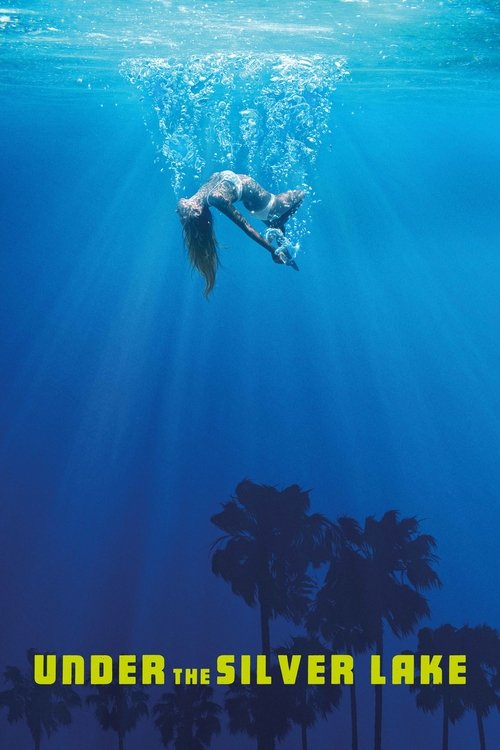
Under the Silver Lake2018
A man obsessed with unraveling conspiracies in Los Angeles spirals deeper into paranoia and interpretation. Both films share that queasy feeling of not knowing if the protagonist is seeing patterns or creating them.
But Nearly three hours long, fragmented, and deliberately obscure. It doesn't give you easy answers and some will find it pretentious rather than mysterious.
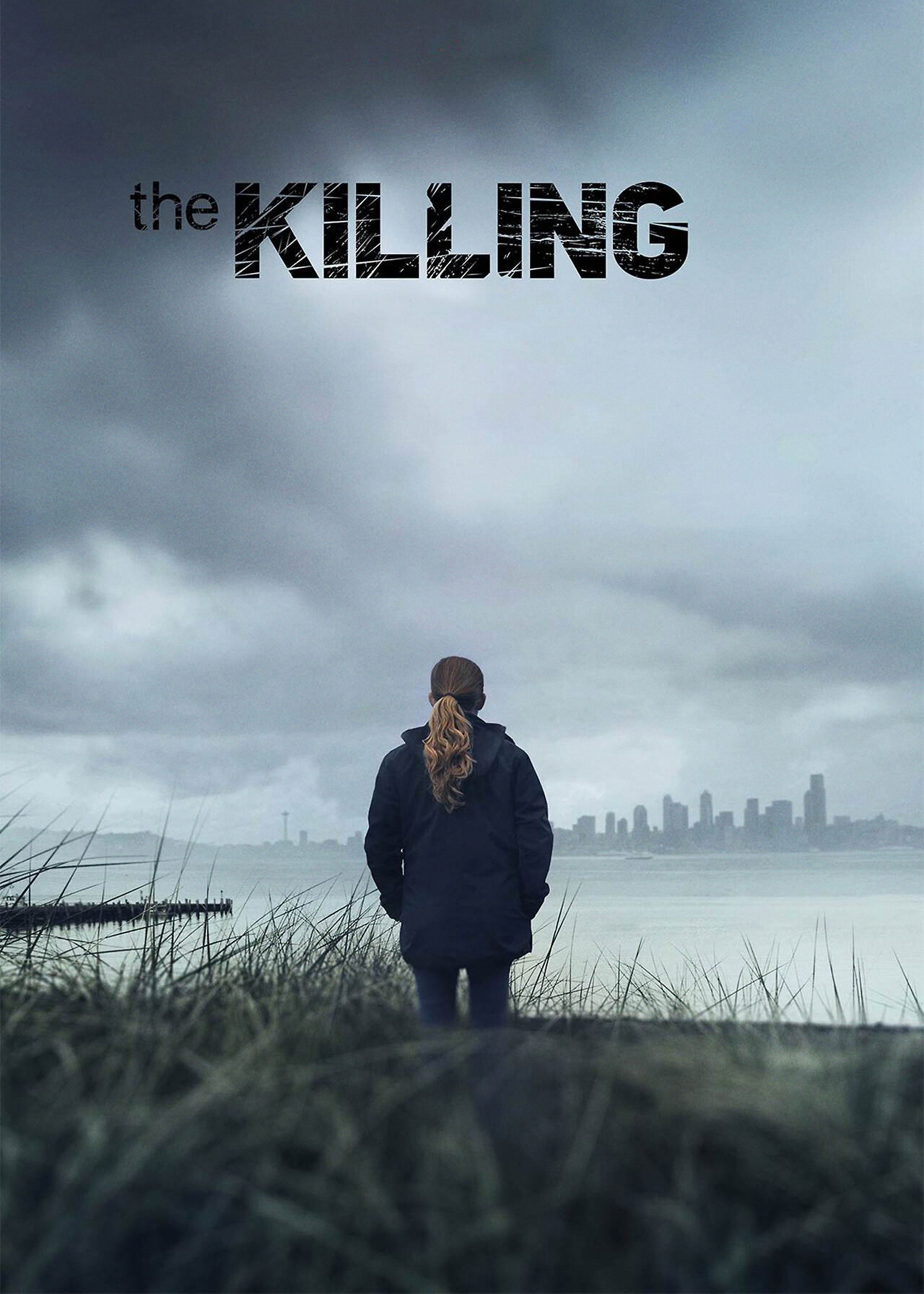
The Killing2011
A detective pursues a murder while everything around her—family, colleagues, suspects—becomes morally compromised. Shares Faults' interest in how people rationalize harmful choices and how certainty blinds you to alternatives.
But Deliberately slow, with a bleak Scandinavian tone. Some seasons resolve disappointingly after long investment. Not designed to make you feel good.
Not sure tonight? Get a pick in a minute, starting from Faults
The wildcard
Something you would not have found on your own.
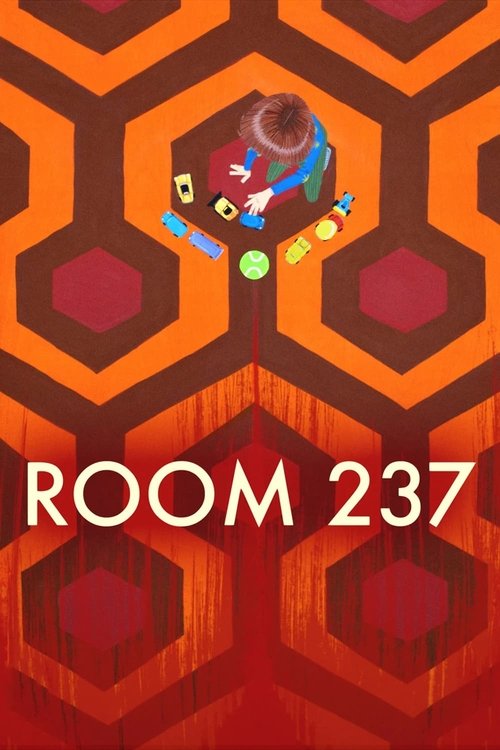
Room 2372012
Both are about the seductive certainty of seeing hidden structure. In Faults, the deprogrammer believes he knows the truth; in Room 237, theorists believe they've decoded the film. Neither interrogates whether those structures were really there.
A documentary where theorists argue The Shining encodes hidden meanings in every frame. Like Faults, it's about pattern recognition, obsession, and whether you're discovering real secrets or imposing them onto ambiguity. Genuinely disorienting.
But It's a documentary made from clips and talking heads. If you haven't seen The Shining, this becomes mostly incomprehensible. Some viewers find the theories silly rather than fascinating.
More like this (8)
Take Shelter2011
A man becomes convinced a catastrophic storm is coming and pushes his family away to prepare. Like Faults, it asks: when someone seems irrational, how do you know if they're unwell or right?
But Intentionally tension-based rather than plot-driven. The ending doesn't settle anything definitively, which some find frustrating.

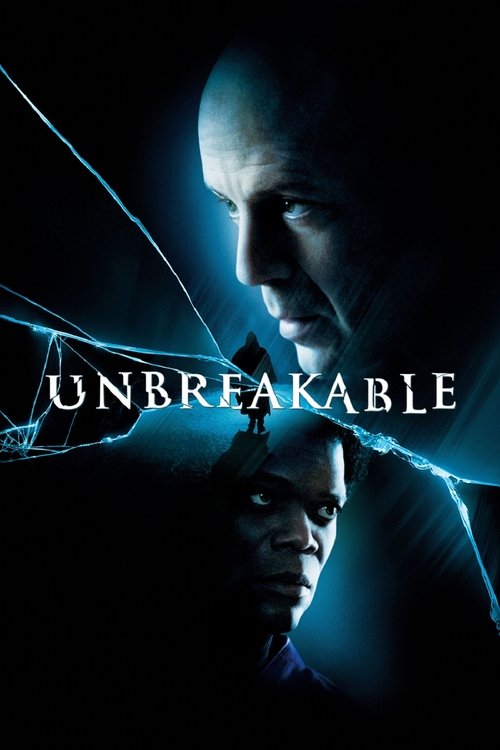
Unbreakable2000
A man discovers he might have superhero abilities, manipulated by someone who seems helpful. Both films hinge on a revelation that recontextualizes everything you've watched, played deadpan.
But Shyamalan's twist-focused approach feels dated now. If you know the ending, the slow buildup becomes tedious rather than tense.
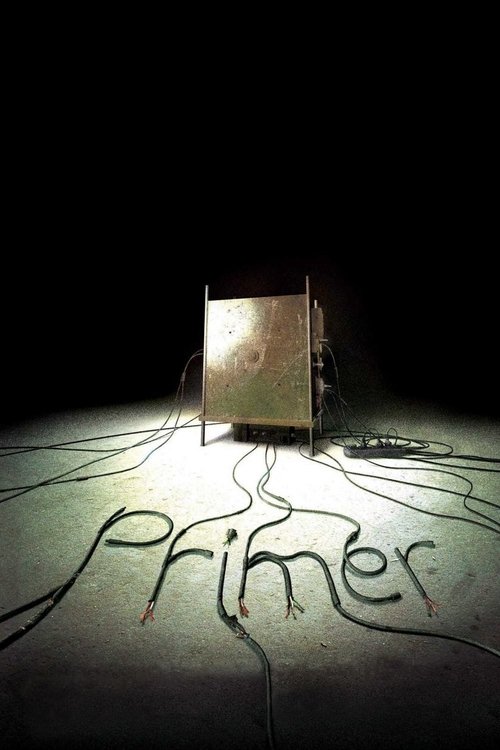
Primer2004
Two engineers build something they don't fully understand and lose control of it completely. Dense, disorienting, and obsessed with how people rationalize increasingly irrational situations. Rewards close attention.
But The dialogue is deliberately unclear, the narrative loops back on itself, and there's no scene explaining what happened. Many find it impenetrable rather than clever.
Martha Marcy May Marlene2011
A woman escapes a cult and struggles to reintegrate with her sister, who doesn't believe her account. Faults and this are mirror images: both about the difficulty of proving manipulation to skeptical observers.
But Slow, atmospheric, and deliberately ambiguous about whether the protagonist is reliable. It's more mood than plot, which doesn't work for everyone.

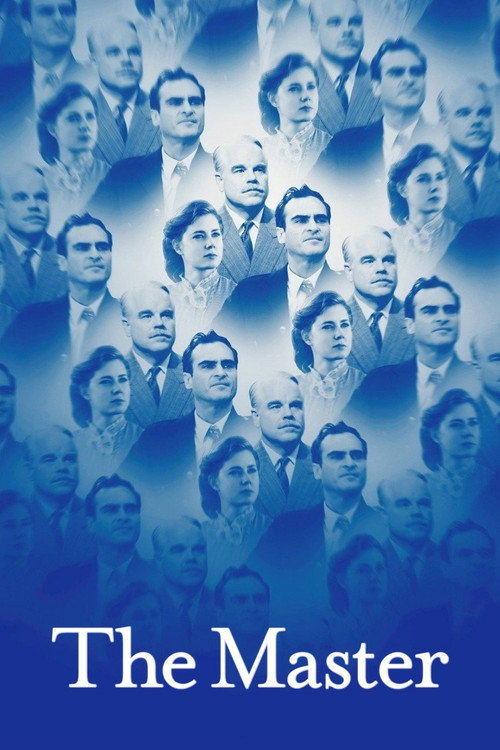
The Master2012
A drifter becomes entangled with a charismatic cult leader, and their psychological power dynamic shifts constantly. Anderson's camera work and the performances create a pressure-cooker atmosphere similar to Faults' interpersonal intensity.
But Nearly two hours of character study with minimal conventional plot. Demands active engagement and can feel deliberately obscure about its intentions.
Skincare2024
A dermatologist becomes obsessed with a patient's skin condition, blurring professional and personal boundaries. Explores the quiet ways people exert control over others through apparent care, much like Faults' psychological cat-and-mouse.
But Very slow-burn and European in pacing. The horror is subtle and psychological rather than obvious, which can read as underwhelming.

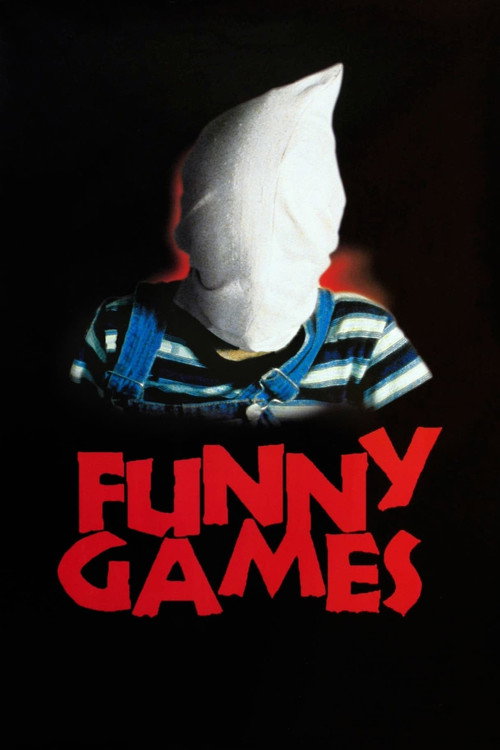
Funny Games1997
Both are about charisma as a weapon and how quickly someone can reverse power dynamics. The villains in both are intelligent, patient, and exploit small psychological openings relentlessly.
Two charming young men trap a family in their home and play psychological games. Haneke's original Austrian version (not the shot-for-shot remake) treats its violence minimally but the manipulation is vicious and detailed in a way that mirrors Ansel's techniques.
But It's deliberately designed to make you uncomfortable with your own desire for entertainment. There's almost no catharsis, which feels punishing. Some viewers see it as torture porn regardless of intent.
The Act2019
Both examine how control is negotiated rather than imposed. Neither character is simply victim or villain, and both the manipulator and the manipulated have complicity in the system. Neither the deprogrammer nor the boyfriend can 'fix' what they find.
A true-crime miniseries about Dee Dee Blanchard and her daughter Gypsy Rose. Like Faults, it explores mutual manipulation between captor and captive, and how an outsider (Gypsy's boyfriend) tries to intervene in a toxic dynamic he doesn't fully understand.
But Based on real abuse and murder. The story is deeply sad rather than thrilling, and the pacing is slow as it carefully unpicks a relationship you'll find morally exhausting to watch.

People
Cast
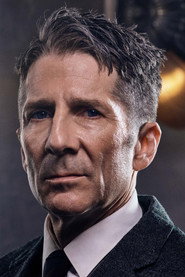 Leland OrserAnsel
 Mary Elizabeth WinsteadClaire
 Chris EllisDad
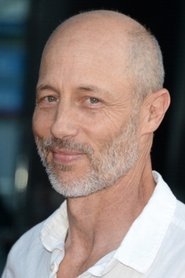 Jon GriesTerry
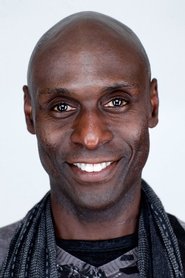 Lance ReddickMick
 Beth GrantEvelyn
- Cruz FloresHotel Staff
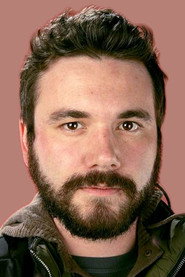 AJ BowenAngry Patron
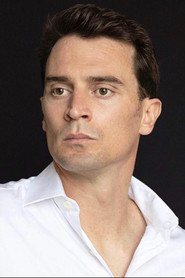 Nicholas TucciJames
- Suzan AverittPhoto Studio Customer
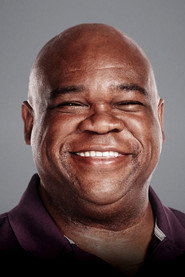 Leonard Earl HowzeRaymond
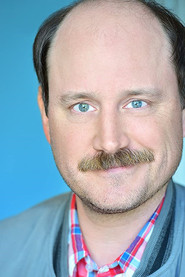 Davey JohnsonConcierge
Directing
- Riley StearnsDirector
Writing
- Riley StearnsScreenplay
Production
- Courtney BrightCasting
- Nicole DanielsCasting
- Chris HardingCo-Producer
- Roxanne BenjaminCo-Producer
- Brian JoeExecutive Producer
- Keith CalderProducer
- Mary Elizabeth WinsteadProducer