
Film
Chapter Two
Neil Simon's affectionate comedy-drama about grief, second chances, and learning to live again. A recently widowed author meets a woman who makes him want to smile—but his guilt keeps getting in the way. Warm, funny, and genuinely touching, it's for anyone who knows that healing isn't linear and love the second time around feels different, not lesser.
Should you watch it?
Watch it if you like romantic comedies with real grief underneath, where the jokes come from awkward people trying to be honest about what they feel rather than from a set-up-and-punchline machine.
Skip it if you want a brisk, tidy romance; at just over two hours it lingers over the quieter, stickier moments between its two leads, and some of the banter feels dated.
What it asks of you: Settle in for a long, talky film that moves at the speed of conversation, with the mood shifting between wry and wistful and little interest in neat resolution.
Not sure? Find tonight's pick in a minute.
If you liked this
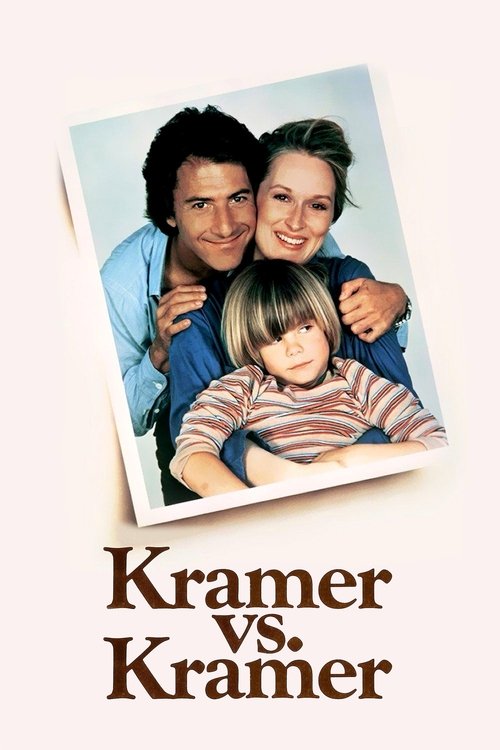
Kramer vs. Kramer1979
Released the same year, it's a more serious take on adult relationships and single parenthood. Meryl Streep and Dustin Hoffman navigate love and loss with the same emotional honesty Simon brings here, but through a different lens—custody rather than grief.
But It can feel procedural at times, focusing heavily on legal minutiae. Some find the gender politics dated, even for 1979.
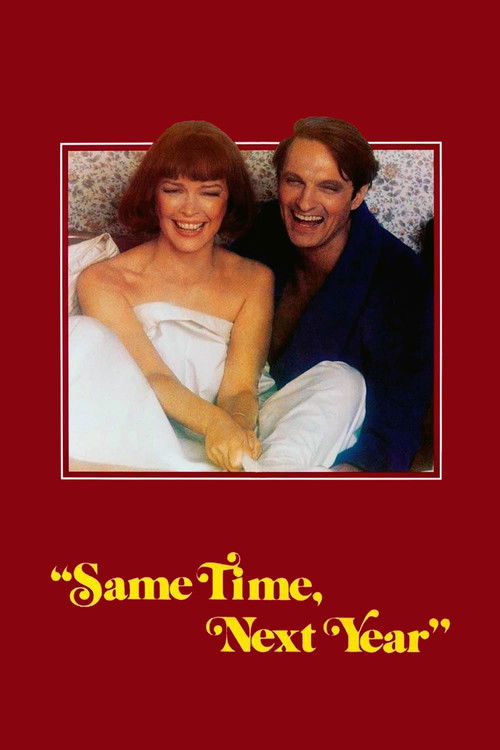
Same Time, Next Year1978
Alan Alda and Ellen Burstyn meet once a year for decades in this funny, moving romance. It has Chapter Two's warmth and faith in second acts, with a structure that lets you feel time passing in a way that's both wistful and hopeful.
But The episodic format means it jumps around. If you need linear momentum, the film's gentle pacing might feel slack.
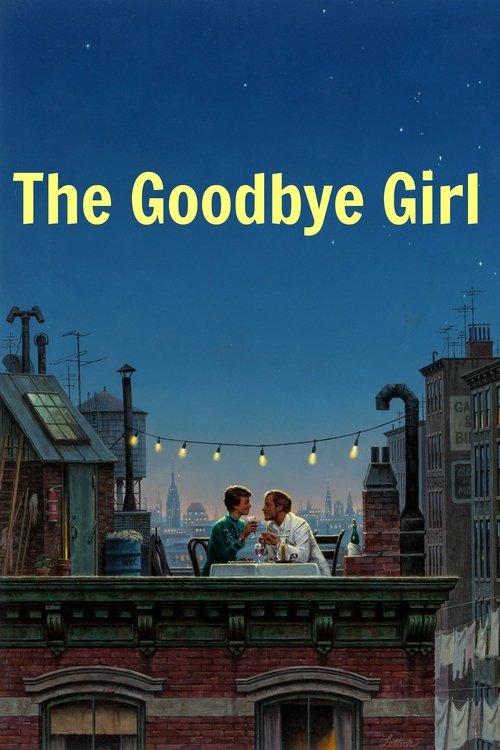
The Goodbye Girl1977
Another Neil Simon film with Richard Dreyfuss and Marsha Mason (who's here too). It's lighter than Chapter Two but shares that Simon gift for making comedy out of real adult awkwardness and the kindness two people can offer each other.
But The humor dates more noticeably than the emotion. Some of the '70s sensibility will feel quaint.
Not sure tonight? Get a pick in a minute, starting from Chapter Two
The wildcard
Something you would not have found on your own.
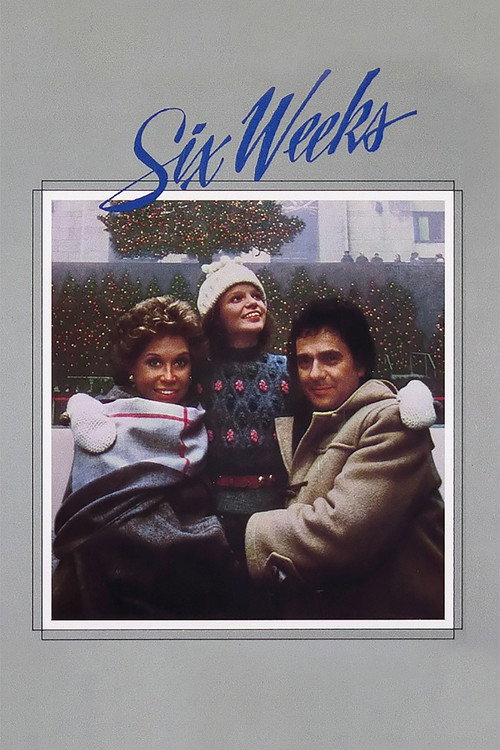
Six Weeks1982
Both are about adults in their 40s and 50s learning that second chances don't erase what came before—they just ask you to be brave enough to try again anyway. Same register, same stakes, same generous heart.
A wealthy businessman and a dancer fall into an unlikely romance. What sounds like froth becomes genuinely moving—grief reappears, but the film sits with it without losing its tone. It's Chapter Two's cousin, with similar emotional maturity and a willingness to feel two things at once.
But The '80s sheen is thick, and some plot points feel manipulative. The ending divides people sharply.
More like this (8)
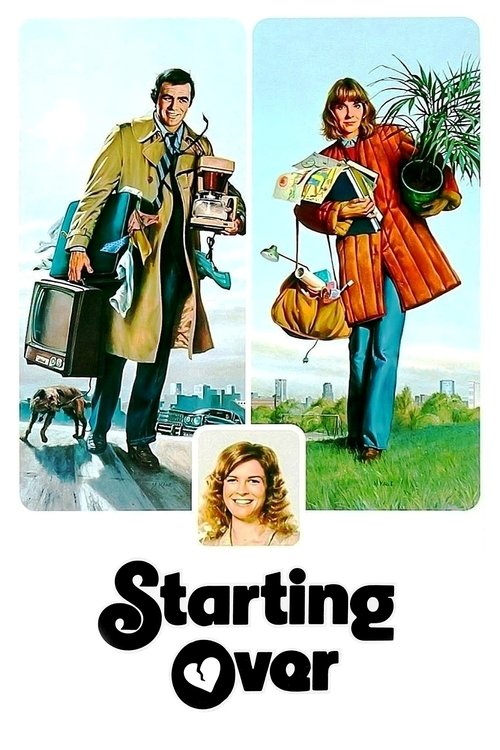
Starting Over1979
Burt Reynolds and Jill Clayburgh navigate starting fresh after divorce. It's buoyant and sexy where Chapter Two is contemplative, but both believe in growth and that you can fall in love again—just differently.
But The tone is lighter, almost romantic-comedy at times. If you want deeper wrestling with grief, this won't scratch that itch.
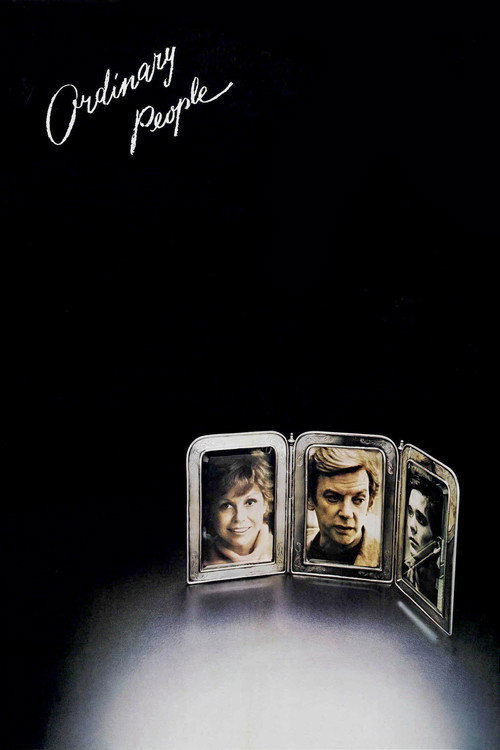
Ordinary People1980
A family fractured by loss tries to rebuild. It's more serious than Chapter Two, but shares that concern with how trauma ripples through relationships and whether love can hold under pressure.
But It's considerably darker. Robert Redmond's film doesn't have Simon's lightness—if you want warmth alongside the sadness, this tips the other way.
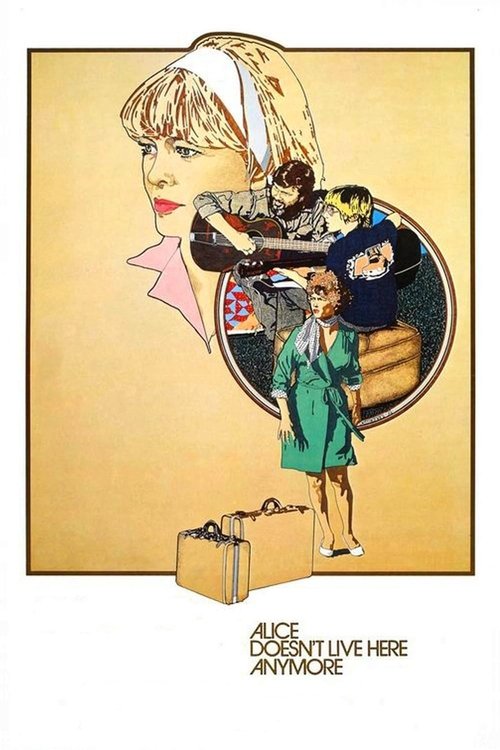
Alice Doesn't Live Here Anymore1974
Ellen Burstyn as a widow reinventing herself. It has Chapter Two's faith in women's capacity to change and choose, with Scorsese's grit underneath Simon's sentimentality—both approaches to the same question of what comes next.
But It's scrappier and more austere. The film moves through multiple relationships and locations; it's less focused than Chapter Two's intimate dance.
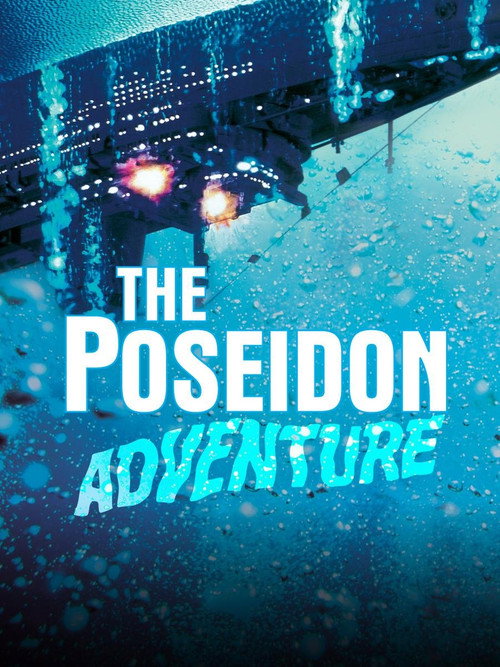
The Poseidon Adventure1972
A different kind of Neil Simon script—a disaster film where an ensemble survives catastrophe. It shows Simon's range: he can write funny banter about anything, even a capsized ship, and does the human moments as well.
But This is a very '70s disaster movie. If you come for Chapter Two's intimate tone, this sprawling spectacle will be jarring.
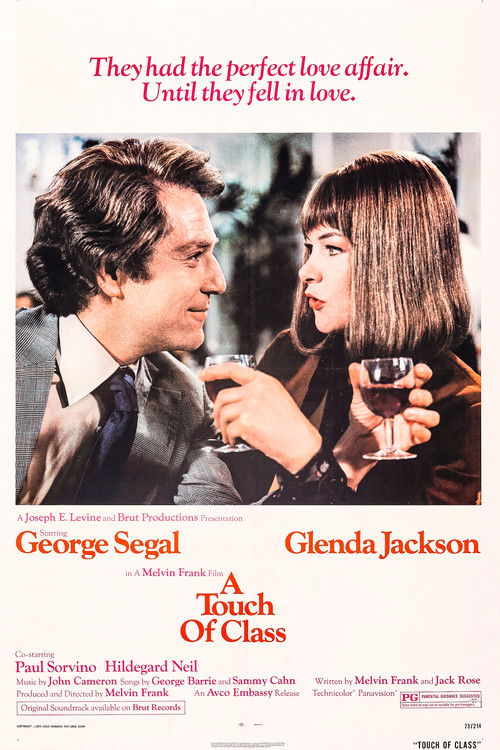
A Touch of Class1973
George Segal and Glenda Jackson in a romantic comedy about an affair that's surprisingly mature. It has Chapter Two's understanding that adult relationships are complicated, funny, and sometimes messy in ways that don't get resolved neatly.
But The central premise is infidelity. If you're not in the mood for rooting for people behaving badly, it'll put you off.
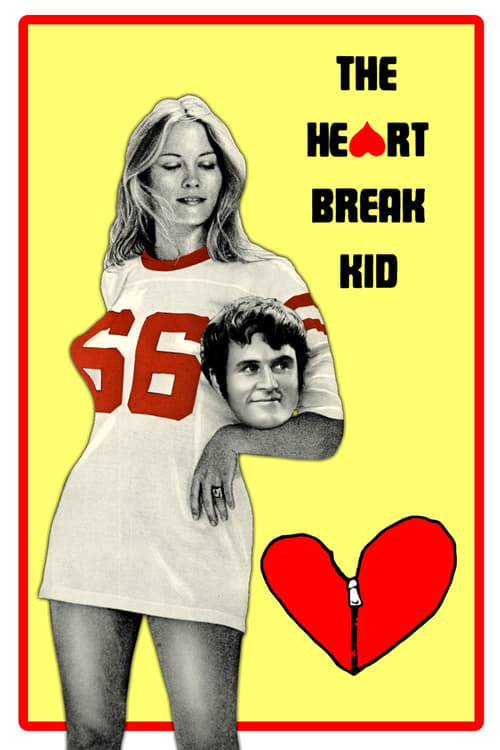
The Heartbreak Kid1972
Elaine May directs and Neil Simon wrote it. A honeymoon goes wrong when the groom meets someone else. It's funnier and crueler than Chapter Two, but explores that same terrain of desire, guilt, and whether we can ever get our emotional timing right.
But It's darker than Simon's usually warm voice. The male lead is pretty unlikeable, and the film doesn't let him off the hook.
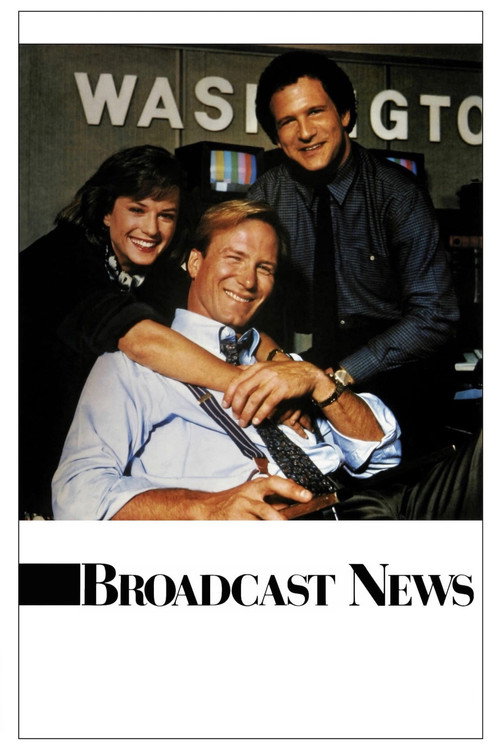
Broadcast News1987
Both treat grown-up relationships with respect and complexity. Both believe that funny people can be hurt people. Both trust the audience to follow feelings that contradict each other.
James L. Brooks' ensemble comedy-drama about journalists in love. It has Chapter Two's conversational rhythm and faith in witty, intelligent adults navigating real feeling. The dialogue sparkles, but the emotions land—Brooks understands that humor and sadness aren't opposites.
But It's very '80s and very New York in its assumptions. If you're not invested in the careers subplot, the middle sags.
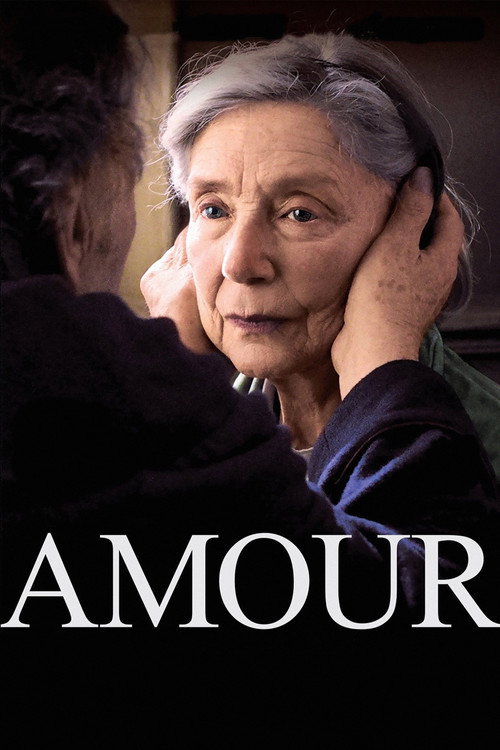
Amour2012
Chapter Two is about choosing to love despite what love costs. Amour is about choosing to stay when there's no choice left. Same commitment, different season.
Michael Haneke's chamber piece about an elderly couple after one suffers a stroke. It sounds heartbreaking—it is—but it's also a love story, tender and unsentimental. In 87 minutes it asks what loyalty and presence really mean. It's Chapter Two's destination, decades later.
But It is genuinely bleak. No humor, no escape, just two people and the facts of aging. This is the opposite of escapism.
People
Cast
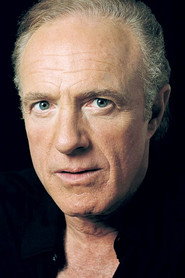 James CaanGeorge Schneider
 Marsha MasonJennie MacLaine
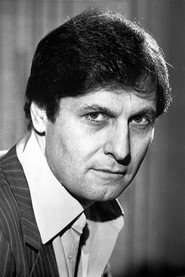 Joseph BolognaLeo Schneider
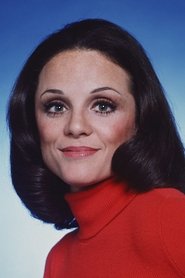 Valerie HarperFaye Medwick
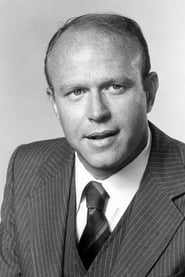 Alan FudgeLee Michaels
 Judy FarrellGwen Michaels
 Debra MooneyMarilyn
 Isabel CooleyCustoms Officer
- Imogene BlissElderly Lady in Bookstore
- Barry MichlinMaitre d'
 Ray YoungGary
- Greg ZadikovWaiter
Directing
- Robert MooreDirector
Writing
- Neil SimonScreenplay
- Neil SimonTheatre Play
Production
- Margaret BoothAssociate Producer
- Jennifer ShullCasting
- Roger M. RothsteinExecutive Producer
- Ray StarkProducer
Recommended by
The Goodbye Girl, Ice Castles, Plaza Suite, A Touch of Class, All Night Long, Best Friends