
Film
Ice Castles
A figure skater loses her sight in a freak accident and must rebuild her life and career from nothing. Ice Castles is a weepie sports drama that earns its tears through genuine stakes and human connection rather than manufactured sentiment. It's a film about blindness that somehow never feels exploitative, about ambition tempered by love. Made for anyone who's ever grieved something they thought defined them.
If you liked this
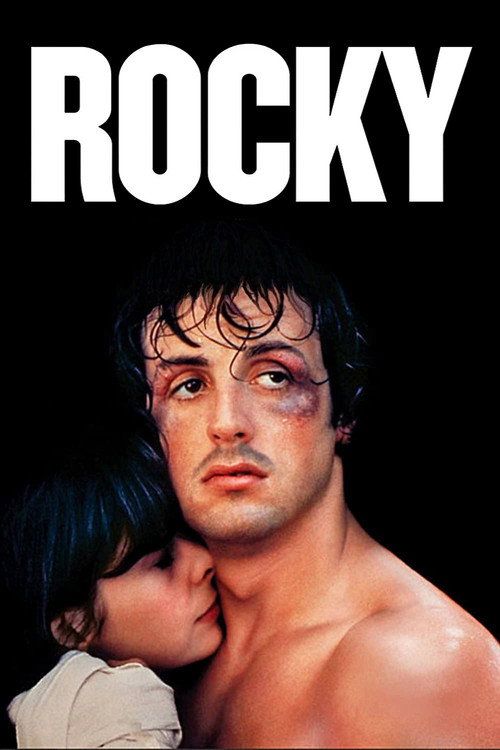
Rocky1976
The template for inspirational sports underdog stories. Stallone's everyman boxer facing impossible odds has the same emotional DNA as Alexis rebuilding her life: failure as prelude, not ending. Sincere without being saccharine.
But Slower paced than modern sports films, and the romance subplot can feel like dead air between training montages.
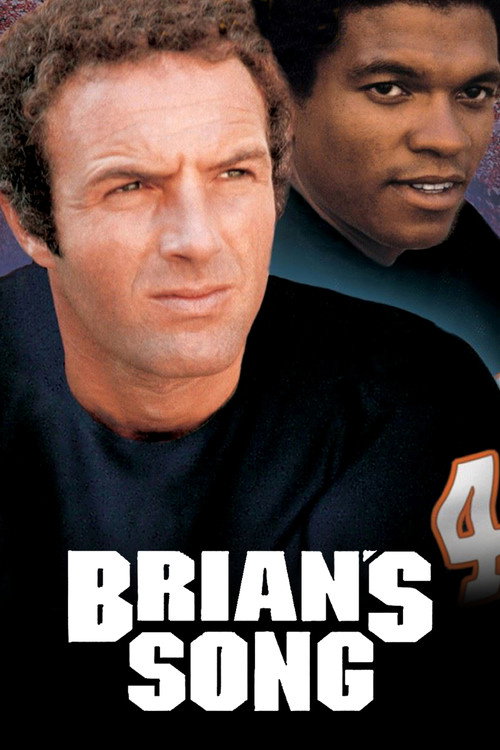
Brian's Song1971
Made-for-TV drama about friendship and mortality that influenced everything after it. Cuts through sentiment to show how grief actually works. If Ice Castles moved you, this will absolutely wreck you in the best way.
But It's a TV movie from the '70s—the production values show it. The emotional bluntness works in its favour, but it reads as dated.
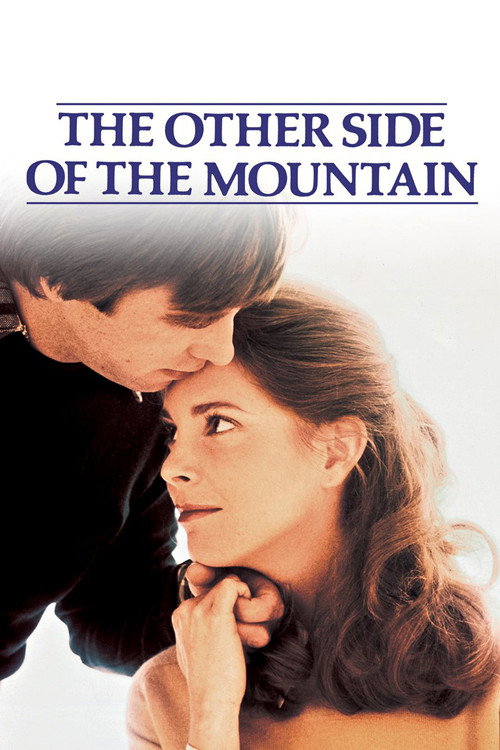
The Other Side of the Mountain1975
Jill Kinmont, a ski racer, becomes paralyzed and learns to live differently. Essentially a spiritual sibling to Ice Castles. Marilyn Hassett gives an unglamorous, unflinching performance. Quietly devastating.
But Both films share similar DNA, so if you want something truly different, keep scrolling. The second half loses momentum.
Not sure tonight? Get a pick in a minute, starting from Ice Castles
The wildcard
Something you would not have found on your own.
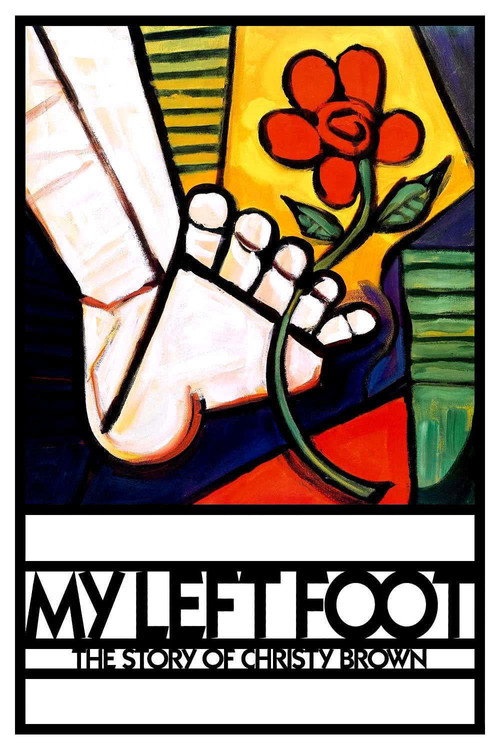
My Left Foot: The Story of Christy Brown1989
Both films refuse to position disability as the end of desire, ambition, or selfhood. Both centre the internal life of their protagonists rather than treating them as inspiration for others. Both are about proving something to yourself, not the world.
Daniel Day-Lewis as Christy Brown, an Irish artist with severe cerebral palsy. The inversion of Ice Castles: here, physical limitation is the starting point, not the tragedy. His triumph is in existing fully, creating art, loving fiercely. Not a sports film, but about the same essential determination. The performance is ferocious and tender at once.
But Darker, grittier, less traditionally uplifting. The film doesn't smooth over Christy's pain or his toxicity. The early scenes are bleak. It's a biopic that refuses sentimentality even when it would comfort you.
More like this (8)
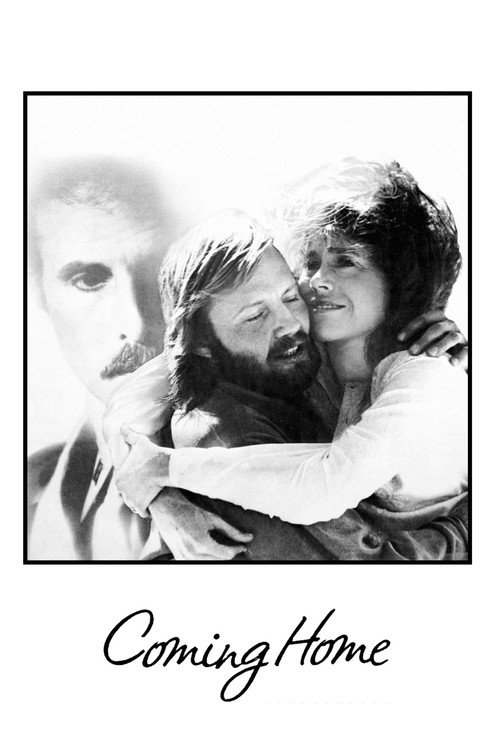
Coming Home1978
Released the same year, set in the same emotional register. Jon Voight's paralyzed veteran and the life rebuilt around him. Mature, sensual, and deeply humane about bodies and desire after trauma. Utterly absorbing.
But The love triangle can feel dated and will require patience. Not a sports film—the emotional work happens in different spaces.
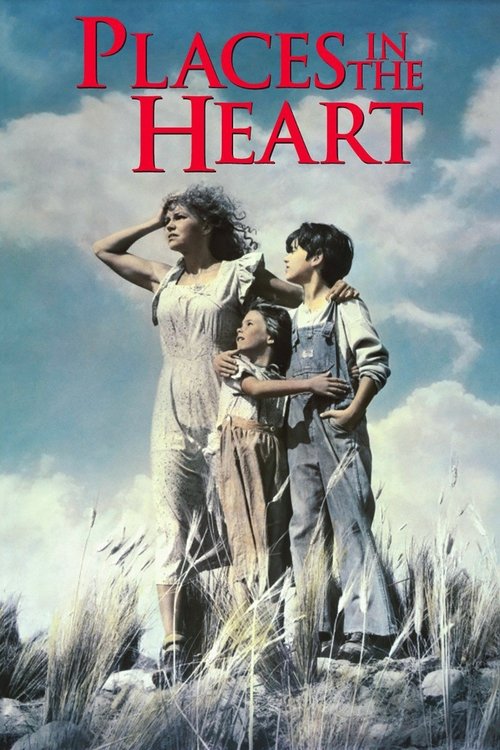
Places in the Heart1984
Sally Field's widow learning to run a farm during the Depression. Combines sports-film determination with melodrama's emotional openness. Another film about making yourself indispensable when circumstance says you're finished.
But Bounces between tones sometimes awkwardly. The final communion scene bewilders as many as it moves.
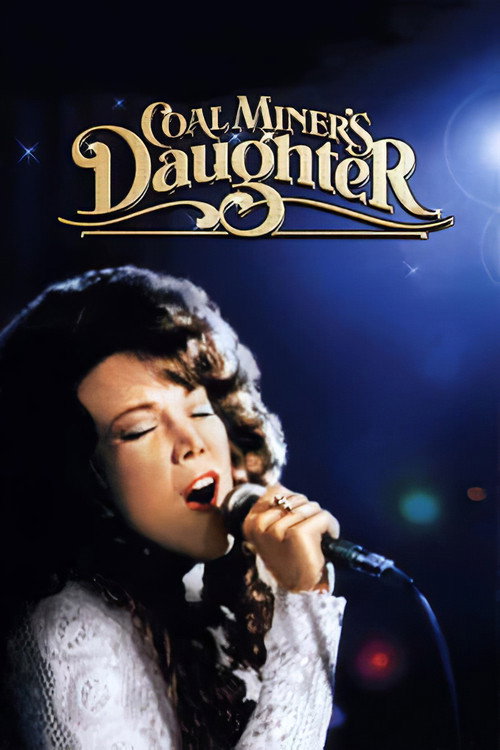
Coal Miner's Daughter1980
Sissy Spacek is luminous as Loretta Lynn clawing toward stardom from poverty. Same period energy as Ice Castles, same focus on ambition, sacrifice, and the people who hold you up. Spacek's performance is immaculate.
But Country music as central motif; if that's not your world, the film requires more patience. Tommy Lee Jones's character feels undercooked.
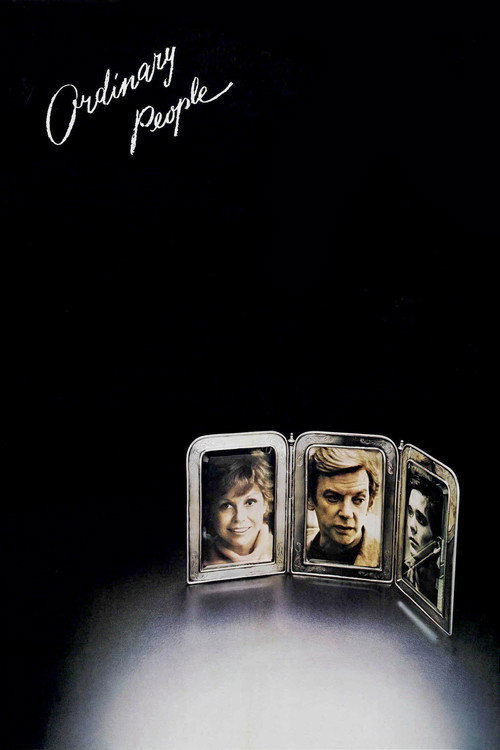
Ordinary People1980
Redford's directorial debut about a family learning to live after a drowning death. Grief structured like ice castles itself—beautiful, fragile, easily shattered. Quietly precise about how trauma reshapes everyone differently.
But Deliberately slow. Some find it cold despite its emotional subject. The wealthy suburban setting can read as insular.
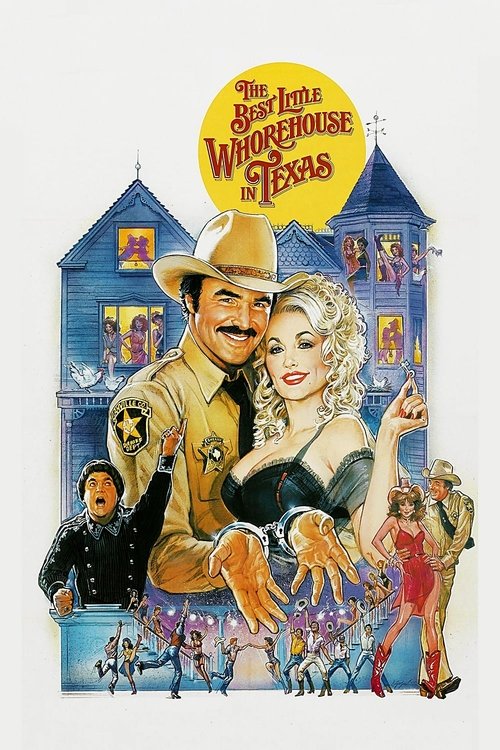
The Best Little Whorehouse in Texas1982
Not actually similar in plot, but similar in spirit—a character defending what they've built and who they are against pressure to become something else. Dolly Parton's warmth and conviction. A musical with real stakes underneath the sequins.
But Tonal whiplash between comedy and sincerity. The musical numbers are broad. Some won't buy a brothel owner as a sympathetic protagonist, even though Dolly makes the case.
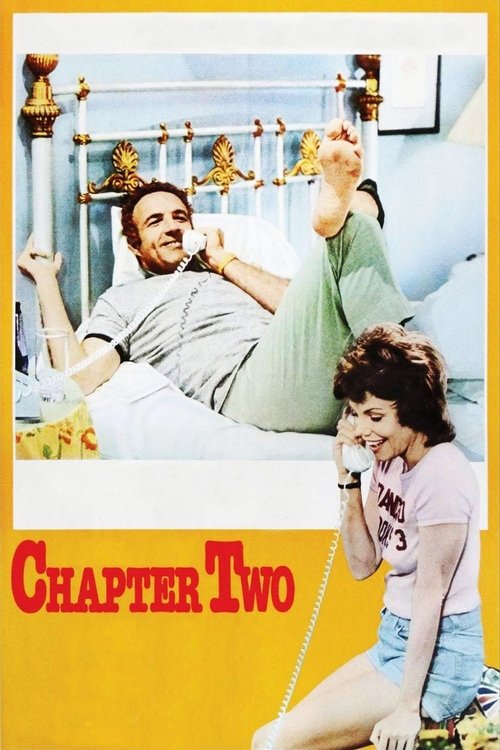
Chapter Two1979
Neil Simon's meditation on grief, memory, and falling in love again after loss. Falk and Bisset have extraordinary chemistry. A film about rebuilding yourself that doesn't need a physical comeback—just an emotional one.
But Very '70s New York neurotic, very talky. If you want something physically active, this is all interior life.
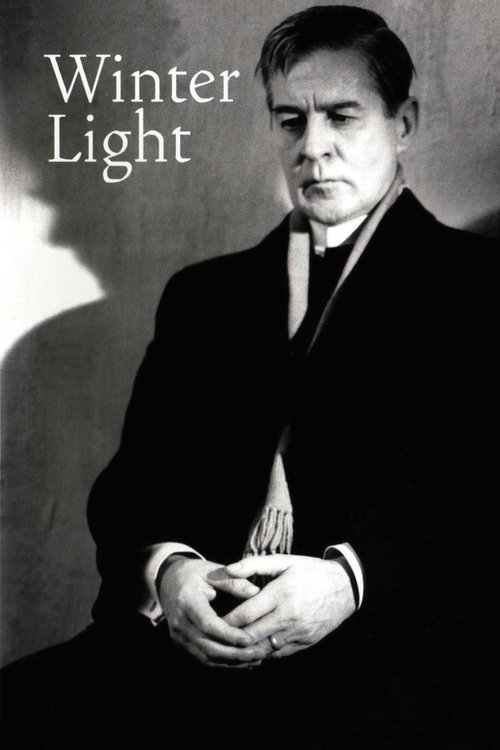
Winter Light1963
Both films understand that the real catastrophe isn't the event itself, but the silence afterward. The work of rebuilding happens not in public triumph but in private, repetitive, unglamorous persistence. Both are studies in how we live when living is all we can do.
Bergman's chamber piece about a pastor losing faith, shot in black and white, built from conversation and doubt. Has nothing to do with ice skating, everything to do with the internal cold Alexis experiences. A meditation on how we survive meaning's absence. Austere, meditative, glacially beautiful.
But Bergman is Bergman—three people in a room for ninety minutes, speaking to the void. Requires surrender. No score, no manipulation, no external reassurance that things will be okay.
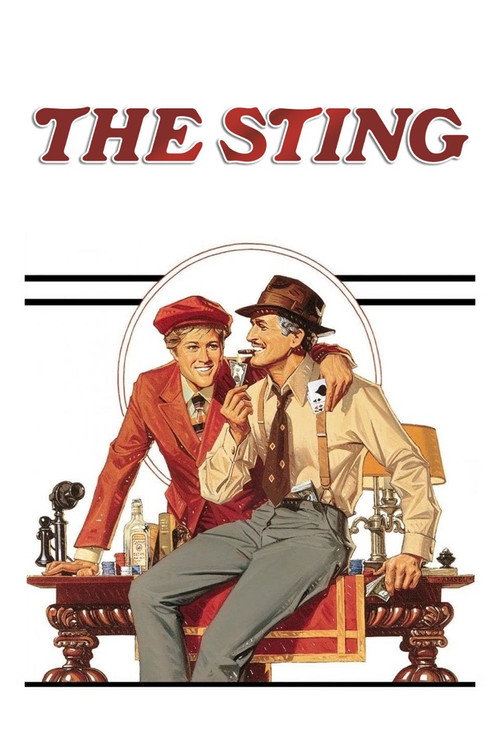
The Sting1973
Both are about reinvention and performance. In Ice Castles, Alexis must relearn her body; in The Sting, the marks must be manipulated into believing a false reality. Both understand that becoming someone new requires community, timing, and letting go of who you were.
Gorgeous con-artist film with Redford and Newman. Seems completely different—comedy, caper, 1930s—but structurally identical: a character whose life is destroyed, who must rebuild themselves entirely, who does so through intelligence and the love of people who believe in them. Scott Joplin's piano score is sunlight on ice.
But If you want emotional sincerity and gravitas, this is the opposite: it's playful, even frivolous. The plot twists matter more than character depth. Some find the con-artist morality empty.
People
Cast
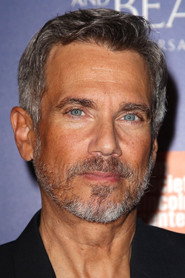 Robby BensonNick Peterson
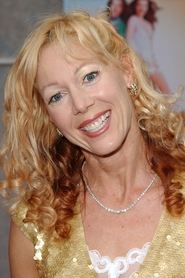 Lynn-Holly JohnsonAlexis Winston
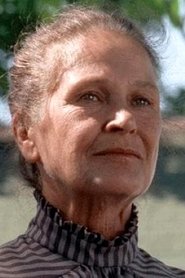 Colleen DewhurstBeulah Smith
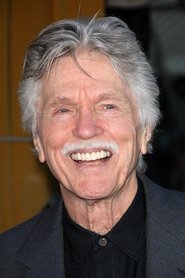 Tom SkerrittMarcus Winston
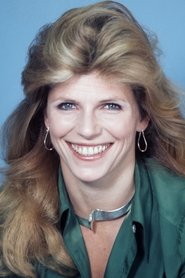 Jennifer WarrenDeborah Mackland
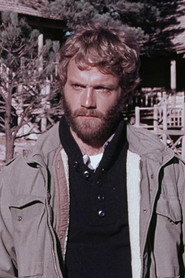 David HuffmanBrian Dockett
- Diane ReillySandy
- Craig T. McCullenDoctor
- Kelsey UffordCeciel Monchet
- Leonard LilyholmHockey Coach
- Brian FoleyChoreographer
- Jean-Claude BleuzeFrench Coach
Directing
- Donald WryeDirector
Writing
- Donald WryeWriter
- Gary L. BaimWriter
Production
- Jane FeinbergCasting
- Mike FentonCasting
- S. Rodger OlenicoffCo-Producer
- Rosilyn HellerExecutive Producer
- John KemenyProducer