
Film
Six Weeks
A wealthy widow and her dying daughter meet a charming politician and spend the girl's final weeks living out her dreams across New York City. It's a tear-stained, unflinching look at mortality wrapped in the glitter of ballet and ice skating—built entirely on the gamble that sincerity can move you even when the machinery shows. For anyone who still believes in a good cry.
Should you watch it?
Watch it if you enjoy a sentimental, big-hearted drama where two unlikely grown-ups get swept into a child's last wishes and let the gentle comedy of a tour through Manhattan do the heavy lifting.
Skip it if you want a story with real grit about illness, since this one softens its hardest material into soft-focus sightseeing and keeps the tears expected rather than earned.
What it asks of you: Runs about an hour and three-quarters at an easy, unhurried clip, with long stretches of sightseeing and gentle banter before the emotional weight gathers.
Not sure? Find tonight's pick in a minute.
If you liked this
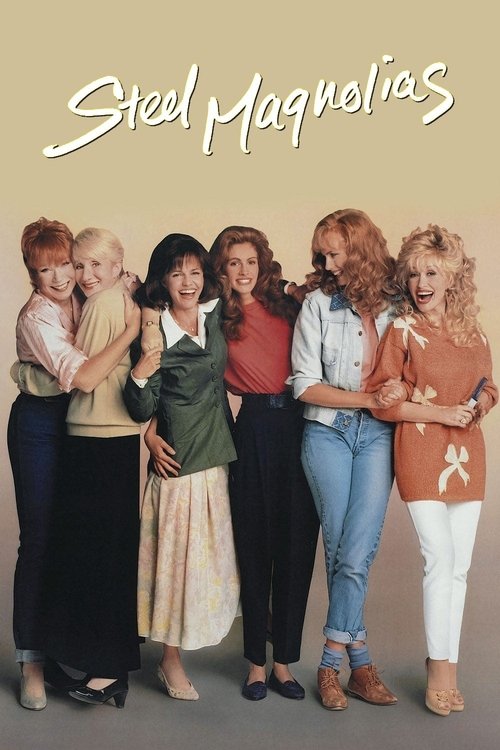
Steel Magnolias1989
A ensemble of Southern women face loss and love with humor and backbone. It has the same emotional architecture as Six Weeks—a countdown to grief that refuses to look away—but finds more room for laughter and the complex anger beneath the tears.
But The quips can feel like armor, and some viewers find the relentless Southern charm calculated rather than earned.
Terms of Endearment1983
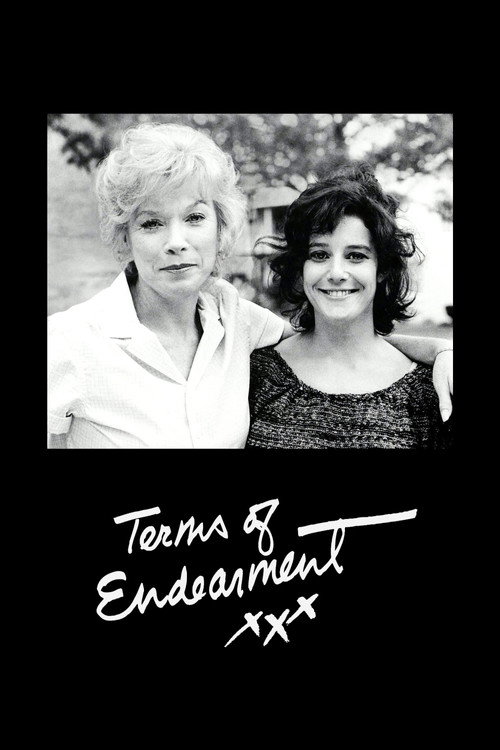
Three generations of women across decades, building toward a reckoning with mortality and what we leave unsaid. It shares Six Weeks' willingness to let sentiment exist without irony, and its final act is genuinely devastating.
But Nearly three hours, and the pacing can feel glacial in the middle sections when nothing plot-wise is moving.
The Boy in the Striped Pyjamas2008
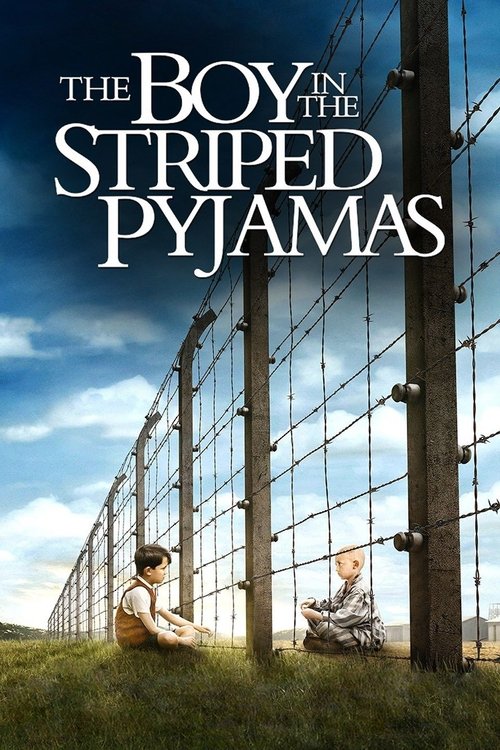
A child's perspective on the incomprehensible, told with the same clear-eyed intensity and refusal to sentimentalize the unsentimental. Both films trust their young leads to carry unbearable weight.
But The subject matter is Holocaust atrocity. Not a film for distraction, and the ending is deliberately, painfully predetermined.
Not sure tonight? Get a pick in a minute, starting from Six Weeks
The wildcard
Something you would not have found on your own.
The Red Shoes1948
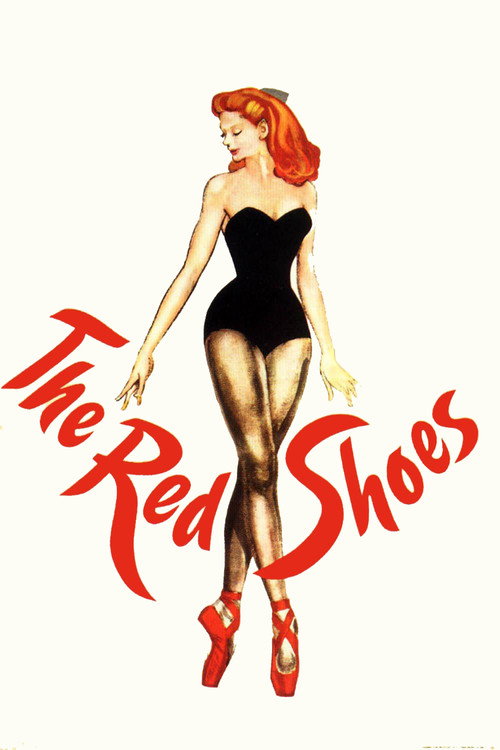
Both films believe that art and movement can briefly free us from the body's limitations, and both end by asking whether that freedom was worth the cost.
A ballerina chooses between art and love, and the film itself is a Technicolor dream so gorgeous it feels like living inside passion. Six Weeks uses ballet as metaphor for transcendence; this is what happens when ballet *is* the transcendence, when the form swallows the woman.
But It's a different era of cinema entirely—painterly, operatic, more concerned with beauty than naturalism. And its ending takes a turn toward darkness that the ethereal visuals don't prepare you for.
More like this (8)
A Walk to Remember2002
Young love colliding with terminal illness, played completely straight without irony or deflection. It's unashamed about what it is, much like Six Weeks, and aims for the heart with surprising craft.
But If you're allergic to Nicholas Sparks' earnestness or Mandy Moore's early aughts sentimentality, this will feel overripe rather than moving.

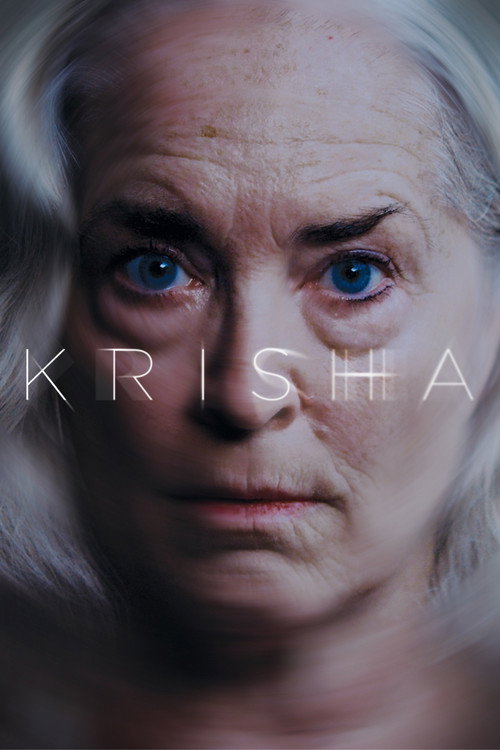
Krisha2016
A family dealing with addiction, mortality, and the gap between what we want for our children and what life allows. Deeply felt and unsentimental, with a quiet power that builds slowly.
But Shot on a micro-budget with non-professional actors, it's deliberately rough and deliberately slow. Patience required; immediate gratification not on offer.
The Farewell2019
A family rallies around a matriarch keeping her terminal diagnosis secret, navigating love, duty, and cultural expectation. It finds profound humor in grief without deflating the actual grief underneath.
But The tonal shifts between comedy and heartbreak can feel jarring if you're looking for consistency of mood.

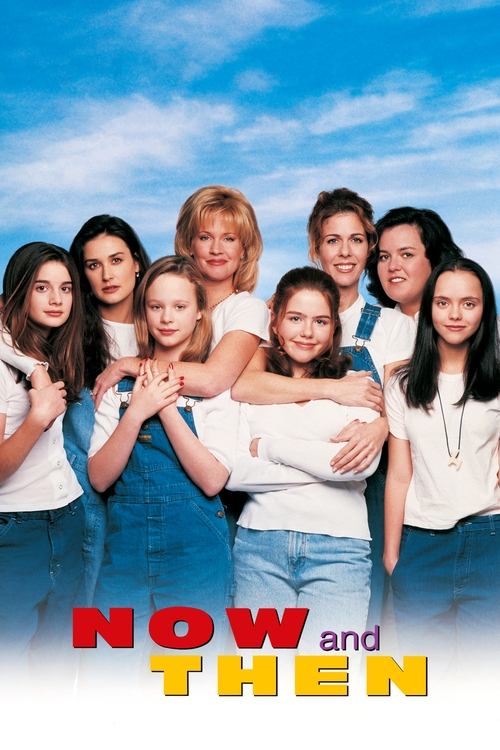
Now and Then1995
Two timelines, two versions of the same woman, separated by loss and regret. It has Six Weeks' willingness to sit with quiet devastation and the question of what a life adds up to.
But It's a deeply melancholic film—not bleak, but unmistakably sad in ways that don't resolve neatly.
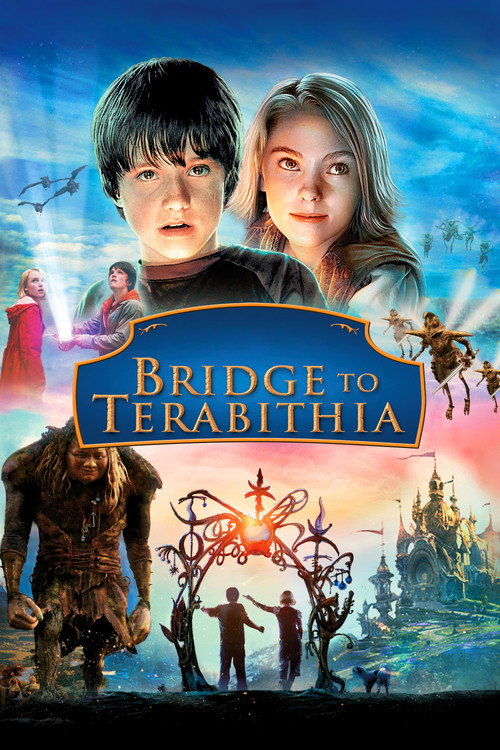
Bridge to Terabithia2007
A child's friendship becomes a sanctuary, then a reckoning with mortality when that sanctuary is shattered. It understands that childhood pain is not less than adult pain, just less articulate.
But Some viewers find the fantasy sequences inconsistent with the grounded realism, or feel the film tries too hard to soften the blow rather than sit in it.
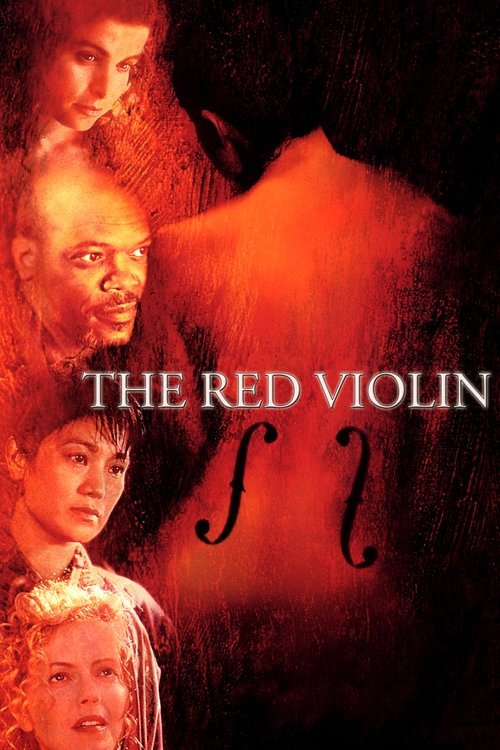
The Red Violin1998
An elderly man and a young girl form a bond in the shadow of illness and poverty. Mexican cinema at its most humanist, uninterested in easy answers or uplift.
But Slow, sparse, in Spanish, and profoundly unglamorous in its portrait of suffering and limitation. The opposite of epiphany cinema.
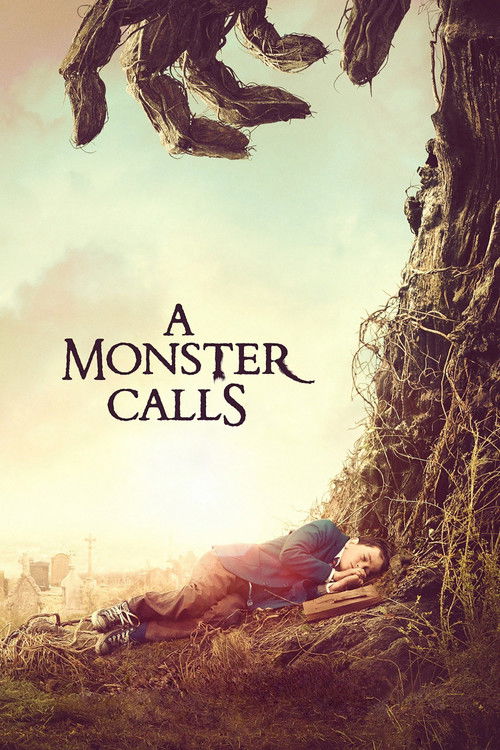
A Monster Calls2016
Both use fantastical elements—ice skating at Rockefeller Center as dream, a talking tree as dream—to make dying feel less like a medical fact and more like a story the child gets to be the center of.
A boy copes with his mother's cancer through a magical-realist friendship with a creature made of wood. It's how you make a children's story about adult mortality—not by softening it, but by giving grief a visible form to argue with.
But The creature design is deliberately unsettling rather than comforting, and the film refuses the fantasy rescue that children's stories typically promise. The ending is what it is.
Ikiru1952
Both ask: what is a life well-lived at the end? Both answer not with answers but with the simple decision to give something to people you won't know, to make beauty or kindness before you disappear.
A Japanese widower discovers he is dying and spends his final weeks building a playground for children he'll never see play in it. Kurosawa's masterpiece about meaning-making in the face of nothing. Absolute.
But It's 143 minutes of a quiet man coming to terms with emptiness, shot in black-and-white. No music swells, no grand gestures. If you're looking for catharsis, you have to build it yourself from almost nothing.

People
Cast
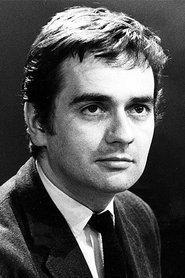 Dudley MoorePatrick Dalton
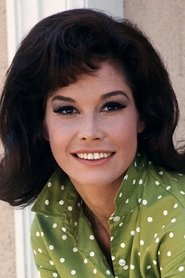 Mary Tyler MooreCharlotte Dreyfus
- Katherine HealyNicole Dreyfus
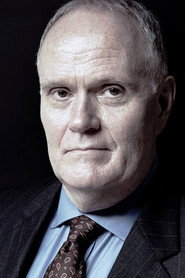 Michael EnsignChoreographer
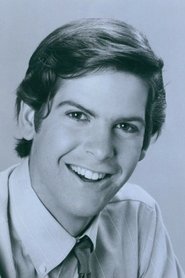 Bill CalvertJeff Dalton
 Anne DitchburnAnne, the Assistant Choreographer
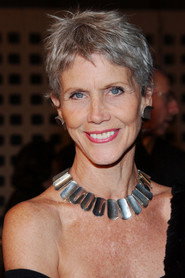
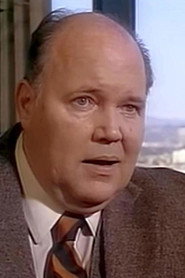
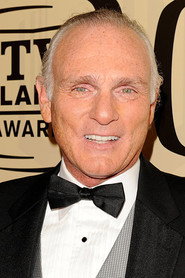
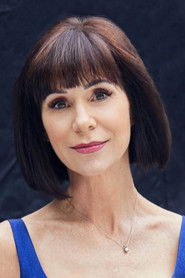 Susan EganBallet Dancer
Directing
- Tony BillDirector
Writing
- Fred Mustard StewartNovel
- David SeltzerScreenplay
Production
- Hillary Anne RippsAssociate Producer
- Jane FeinbergCasting
- Marci LiroffCasting
- Mike FentonCasting
- David SalvenExecutive In Charge Of Production
- Jon PetersProducer
- Peter GuberProducer
- David SalvenProduction Manager