
Film
Brighton Beach Memoirs
A tender, funny memoir of adolescence in 1930s Brooklyn: a teenage boy navigating puberty, cramped family life, and first crushes in a crowded Jewish household. It's warm without being saccharine, honest about desire and embarrassment, and filled with the specific texture of a time and place. For anyone who's felt too much and known too little.
If you liked this
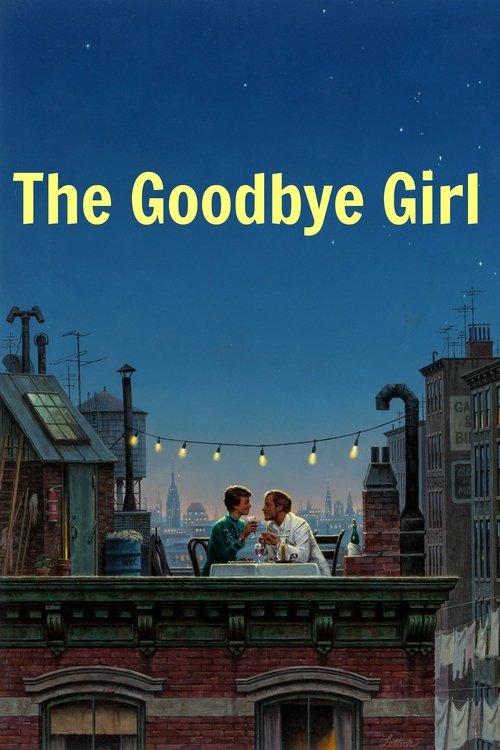
The Goodbye Girl1977
Also directed by Herbert Ross, starring Richard Dreyfuss. It shares the same New York sensibility, Jewish humor, and emotional warmth—romantic and funny without ever feeling maudlin or forced.
But It's a romantic comedy, not a coming-of-age story, so the energy and focus are quite different. If you want more memoir-like reflection, this pivots away from it.
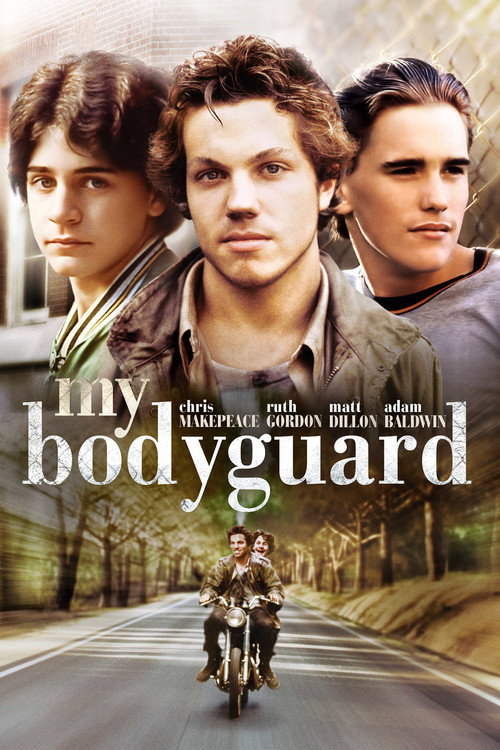
My Bodyguard1980
A portrait of adolescence that doesn't condescend to teenagers. It captures the genuine terror and comedy of high school social dynamics, with real warmth underneath the awkwardness.
But Less focused on family life than Brighton Beach, and the tone is a bit more conventionally dramatic. The humor is gentler and less rooted in character voice.
A Christmas Story1983
Narrated by an adult remembering childhood with the same mixture of affection and comedy. It's about mishap and embarrassment in a tight family unit, with period detail that grounds everything.
But The humor is broader and more slapstick. It's also become so culturally ubiquitous that it can feel familiar even if you haven't seen it.

Not sure tonight? Get a pick in a minute, starting from Brighton Beach Memoirs
The wildcard
Something you would not have found on your own.
This Is England2007
Both are intimate coming-of-age memoirs that use specificity of place, era, and family to explore how adolescence feels from the inside. Both trust the audience to hold contradictions: comedy alongside real pain, nostalgia without sentimentality.
A brutal, funny portrait of adolescence in working-class England. Like Brighton Beach, it's deeply specific to a time and place, built on character voice and observation. It earns both its comedy and its darkness.
But It's set in 1980s skinhead culture and contains graphic violence and disturbing behavior. The humor is dark and the trajectory is genuinely tragic in ways Brighton Beach is not.

More like this (7)
Ragtime1981
An ensemble portrait of turn-of-century America that captures immigrant experience, class struggle, and family life with the same specificity. It's ambitious and genuinely moving about America's past.
But It's epic in scale and sometimes overwhelming. The narrative bounces between multiple families, so it lacks the intimate focus of a personal memoir.

Porky's1981
A raunchy, joyful comedy about high school boys and sexual obsession. It's crass and funny in a way that captures real adolescent preoccupations without pretense or shame.
But It's much cruder and less emotionally sophisticated. The humor is broad and sometimes mean-spirited; there's no family warmth to ground it.

The Best Years of Our Lives1946
An earlier portrait of American life focused on adjustment and family. It has the same humanistic attention to how ordinary people navigate desire, disappointment, and belonging.
But It's three and a half hours and focused on returning soldiers, not adolescence. The tone is more serious and less comedic throughout.

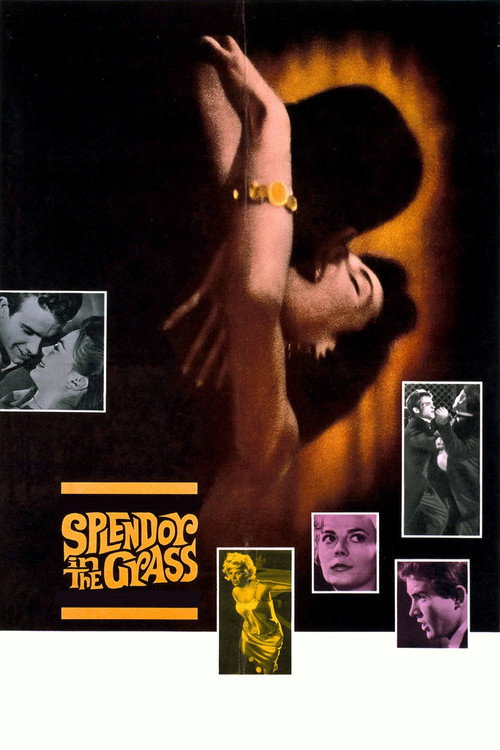
Splendor in the Grass1961
A passionate, intelligent film about young love and sexual repression. It takes adolescent desire seriously and examines how family and society shape it—similar thematic territory to Brighton Beach.
But It's melodramatic and tragic. If you want humor and warmth alongside the awkwardness, this goes much darker.
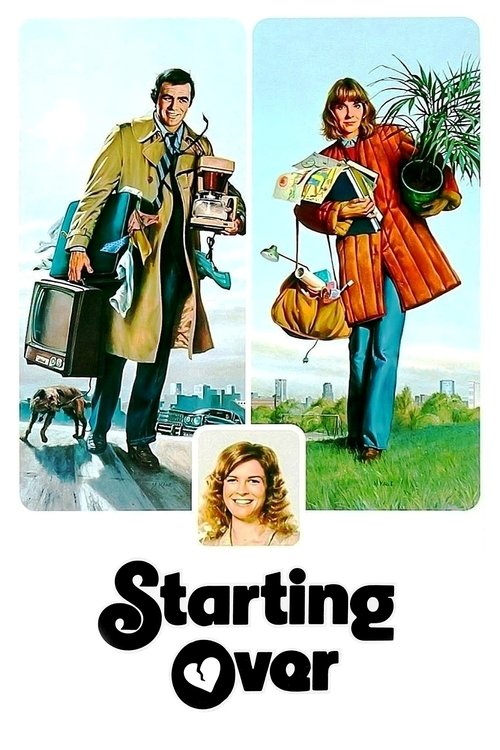
Starting Over1979
Another Herbert Ross film with similar sensibility: warm, funny, and focused on emotional honesty. It's about adults but has the same generous humor and New York setting as Brighton Beach.
But It's a romantic dramedy for grown-ups, not a coming-of-age story. The stakes and situations are entirely different, even if the tone resonates.
Bicycle Thieves1948
Both are rooted in economic reality—the specific weight of being poor in a specific time. Both see family not as sentimental but as the survival unit it actually is. Both understand that money (or the lack of it) shapes everything, including how you feel about yourself.
An Italian neorealist masterpiece about a poor family in postwar Rome. It's quiet, observant, and heartbreaking—focused entirely on how ordinary people survive economic precarity with dignity and love.
But There's no humor or lightness. It's devastating and ends in genuine tragedy. If you want warmth alongside the hardship, this offers only hardship and grace.

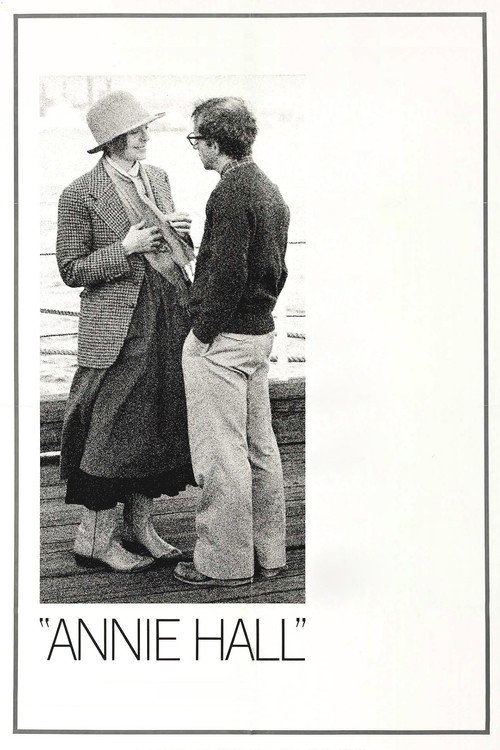
Annie Hall1977
Both are narrated personal essays about identity: remembering who you were and how you became who you are. Both use comedy to explore vulnerability. Both trust that the specific details of one life matter universally—that memoir is the opposite of generic.
Woody Allen's masterpiece uses direct address and memory to examine identity, family, and growing up. It's funny and introspective in equal measure, structured as personal essay rather than plot.
But It's about adult romance and neurosis, not adolescence. The humor is cerebral and sometimes self-absorbed. If you want the warmth of family, this focuses on romantic anxiety instead.
People
Cast
 Jonathan SilvermanEugene Morris Jerome
 Blythe DannerKate
 Stacey GlickLaurie
 Lisa WaltzNora
 Judith IveyBlanche
 Bob DishyJack
 Brian DrillingerStanley
 James HandyFrank Murphy
 Bette HenritzeMrs. Murphy
 Steven HillMr. Stroheim
 David MarguliesMr. Farber
 Fyvush FinkelMr. Greenblatt
Directing
- Gene SaksDirector
Writing
- Neil SimonScreenplay
- Neil SimonTheatre Play
Production
- Joseph M. CaraccioloAssociate Producer
- Howard FeuerCasting
- David ChasmanExecutive Producer
- Ray StarkProducer
- Joseph M. CaraccioloUnit Production Manager