
Film
Ragtime
Miloš Forman's sprawling 1981 epic weaves together four intertwined stories in turn-of-the-century New York: a black pianist's tragedy, a wealthy family's unraveling, an immigrant's ascent, and America's racial reckoning. It's gorgeously mounted but deliberately fractured—a three-hour novel on screen, more interested in texture and collision than catharsis. For those who prize ambition and historical texture over tidy narrative.
If you liked this
The Godfather Part II1974
Another sprawling, decades-spanning epic that trusts you to hold multiple timelines and moral complexities. Coppola's similar ambition: use history as character, capitalism as tragedy, America as the real story.
But Nearly as long, and the tonal shifts between past and present can feel abrupt. Requires patience and attention.

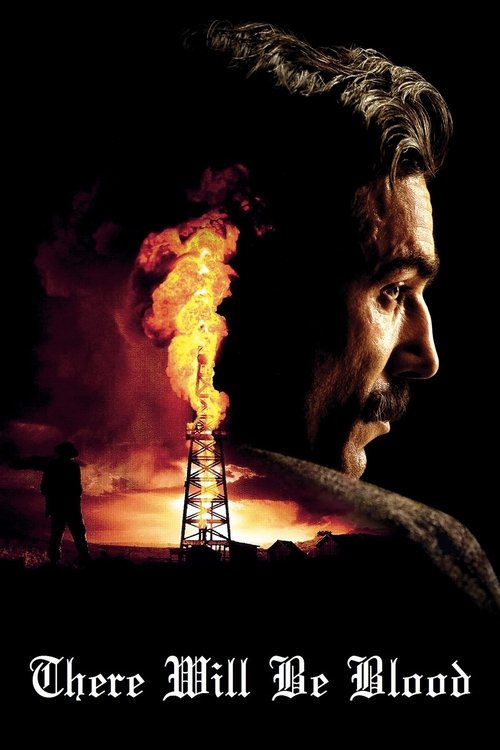
There Will Be Blood2007
A visionary director (Anderson) orchestrating an ensemble across early 20th-century America. Both films treat historical texture as moral backdrop—oil wealth, racial violence, the rot beneath prosperity.
But Deliberately paced and austere. Paul Thomas Anderson moves like he's underwater, and the opera-like repetition might feel glacial.
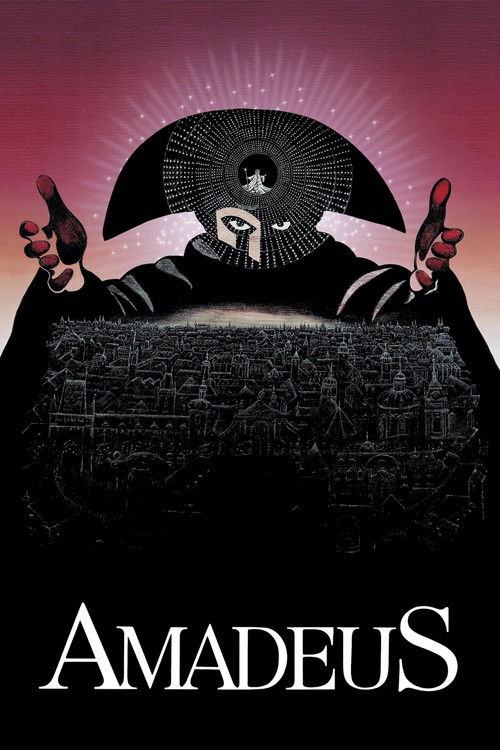
Amadeus1984
Forman again, with the same visual opulence, historical sweep, and refusal to make ambition simple. A jealous rival, artistic genius, the machinery of power—same preoccupations, different century.
But Nearly as long and very talky. Mozart's genius is treated as almost supernatural, which some find overwrought.
Not sure tonight? Get a pick in a minute, starting from Ragtime
The wildcard
Something you would not have found on your own.
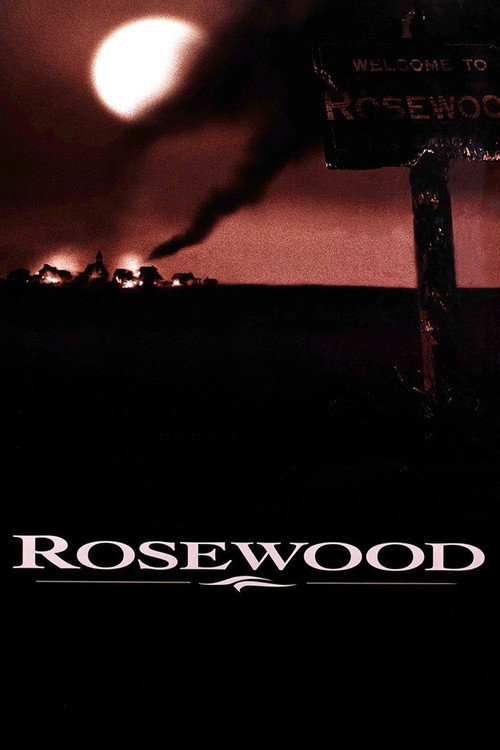
Rosewood1997
Both films are about American racial violence as a structural fact, not a crime. Both refuse to resolve it or make white guilt a substitute for justice. Both understand that history is ongoing.
John Singleton's reconstruction of the 1923 massacre of a Black Florida town. Like Ragtime, a historical rupture where racial violence shatters a community. Direct, devastating, and refuses sentimentality.
But Explicitly about racial terrorism. Some find it too blunt; others find the climactic violence exploitative rather than clarifying. Difficult watch, no aesthetic distance.
More like this (8)
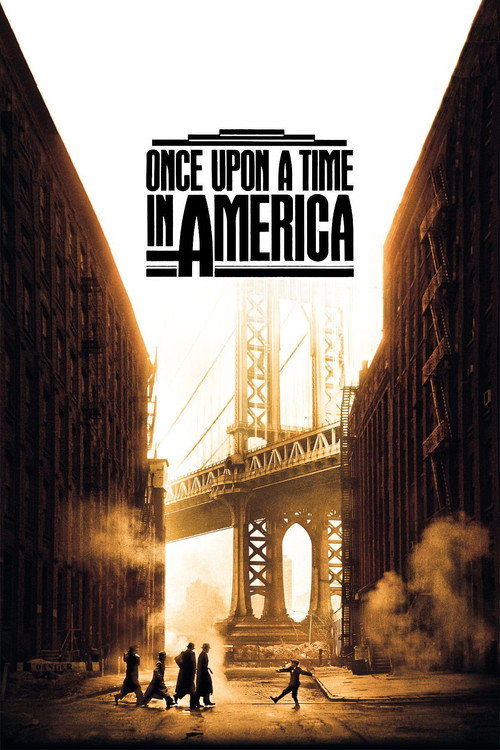
Once Upon a Time in America1984
Sergio Leone's epic of Jewish gangsters in New York across sixty years. Collage-like structure, nostalgic dread, America as a machine that grinds up dreamers. Equally ambitious reach.
But Notoriously cut and recut. The fractured chronology can feel genuinely confusing. Also bleak in ways that dwarf even Ragtime's tragedy.
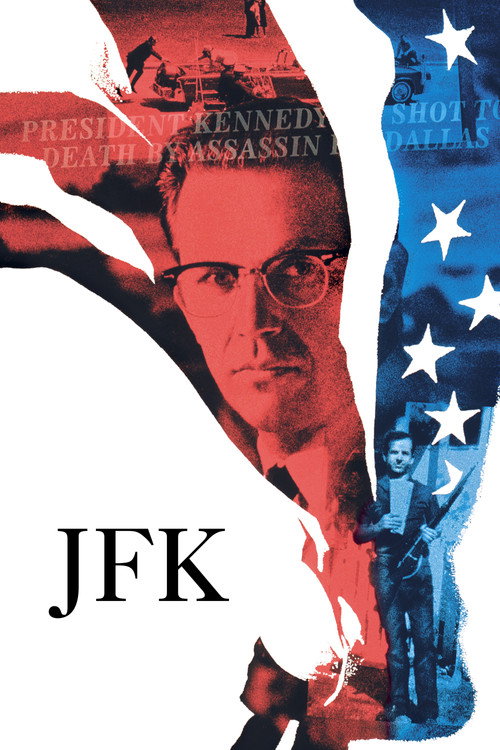
JFK1991
Oliver Stone's maximalist three-hour investigation of American power, conspiracy, and historical forces. Multiple storylines, period detail, and the conviction that history is stranger and darker than we admit.
But The paranoia and visual excess can tip into hysteria. Stone doesn't always know when to pull back, and some sequences feel more like propaganda than cinema.
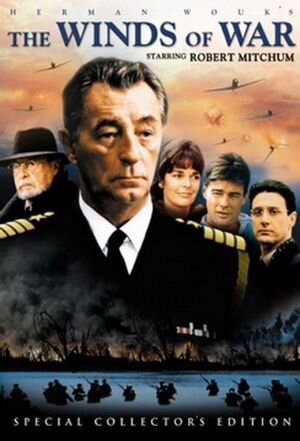
Herman Wouk's The Winds of War1983
A sweeping miniseries that also cross-cuts between intimate family drama and massive historical forces. It wants to show you everything—intimacy and empire, small lives and global consequence.
But Feels dated now; the romance subplots can clog the engines. World War II will not be a surprise, and some of the dialogue is genuinely creaky.
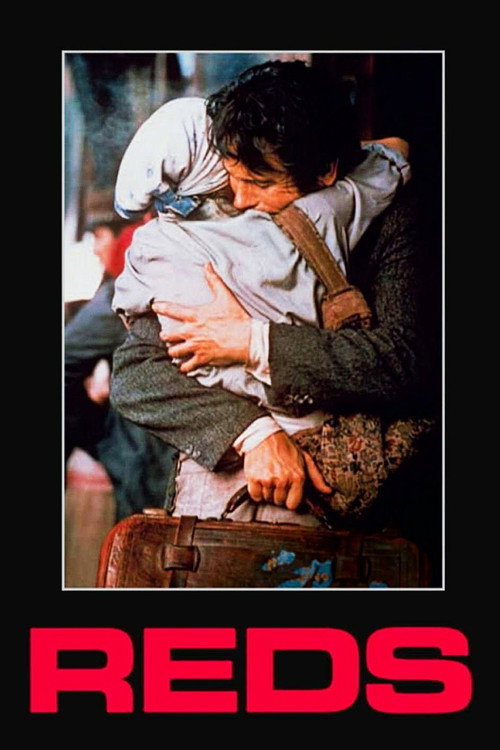
Reds1981
Warren Beatty's three-hour Russian Revolution epic with real historical interviewees commenting in real time. Like Ragtime, it's asking whether individual passion can matter amid historical tides.
But The frame-story interviews are a bold choice that doesn't quite land. Beatty the romantic hero can seem at odds with the material's actual darkness.
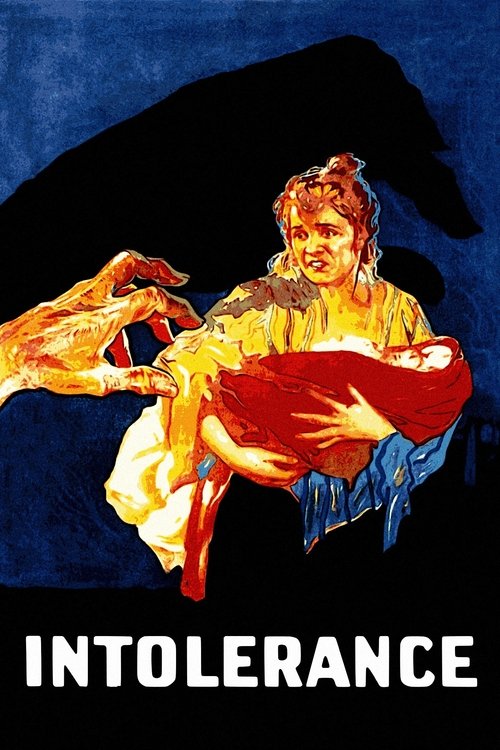
Intolerance: Love's Struggle Throughout the Ages1916
D.W. Griffith's four-narrative ancient epic, a formal ancestor of Ragtime's structure. Multiple timelines and societies all pursuing the same tragic patterns. Silent but utterly clear what it wants.
But A technical marvel that's genuinely difficult to watch. Griffith's politics are repellent, and the film's own architecture fights against emotional clarity.
Singin' in the Rain1952
Set in the same period, focused on the same tensions between genuine artistry and commercial machinery. Not a drama, but the same historical moment as a subject, just asked different questions.
But A musical. If you came for Ragtime's weightiness, the joy and technical brilliance might read as evasion rather than insight.

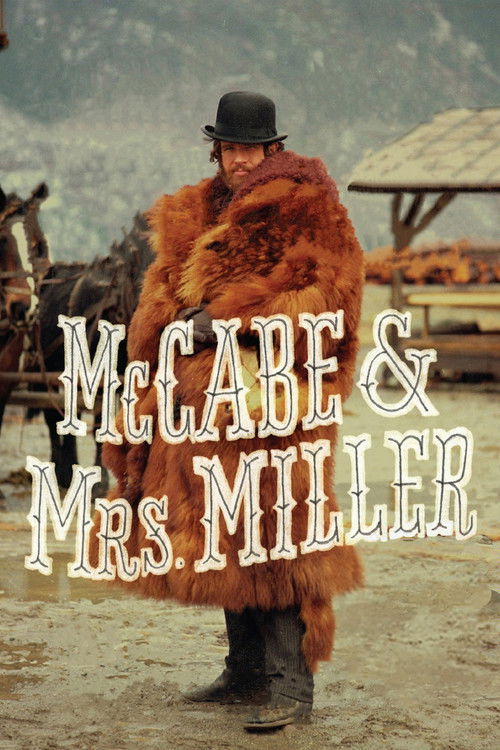
McCabe & Mrs. Miller1971
Both are about American enterprise as inexorable—about people trying to build something or escape something in a system that flattens both attempts. Both trust you to sit with failure.
Robert Altman's muddy, overlapping frontier capitalism epic. Multiple voices, multiple failures, America as a beautiful con. Like Ragtime but in the West, with snow instead of ragtime orchestras.
But The dialogue is nearly impenetrable at first—everyone talks over everyone. Altman's aesthetic is deliberately anti-clear. And the ending is genuinely nihilistic.
Synecdoche, New York2008
Both are formally ambitious works about scale and ambition run amok. Both love America and despair of it in equal measure. Both understand that sometimes the form of the work *is* the content—that fragmentation itself is the point.
Charlie Kaufman's fractured masterpiece about a theater director building a life-size replica of New York inside a warehouse. Like Ragtime, it's about the impossibility of capturing America, history, or human complexity through art.
But Genuinely difficult and increasingly abstract. You may feel like you're drowning. It's not explained; it's experienced. The film asks whether you can tolerate being lost.

People
Cast
 James CagneyNew York Police Commissioner Rhinelander Waldo
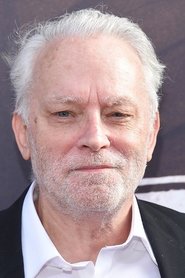 Brad DourifYounger Brother
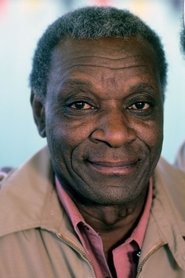 Moses GunnBooker T. Washington
 Elizabeth McGovernEvelyn Nesbit
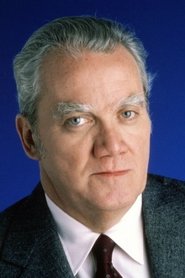 Kenneth McMillanWillie Conklin
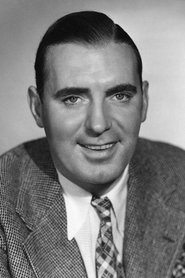 Pat O'BrienDelmas
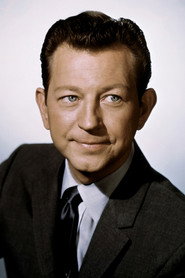 Donald O'ConnorEvelyn's Dance Instructor
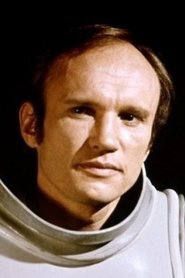 James OlsonFather
 Mandy PatinkinTateh
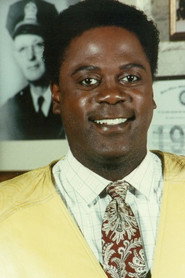 Howard RollinsCoalhouse Walker Jr.
 Mary SteenburgenMother
 Debbie AllenSarah
Directing
- Michael StevensonAdditional Second Assistant Director
- Miloš FormanDirector
Writing
- E. L. DoctorowNovel
- Michael Weller Screenplay
Production
- Richard BrickAssistant Unit Manager
- Fred SidewaterAssociate Producer
- Mary GoldbergCasting
- Bernard WilliamsExecutive Producer
- Michael HausmanExecutive Producer
- Dino De LaurentiisProducer
- Malcolm J. ChristopherProduction Manager
- Patricia ChurchillProduction Manager
Recommended by
Hester Street, Brighton Beach Memoirs, The Hotel New Hampshire