
Film
The Man Who Loved Women
Blake Edwards' romantic comedy about a sculptor whose compulsive pursuit of women lands him in therapy. Burt Reynolds brings charm and self-awareness to a character who's simultaneously ridiculous and vulnerable. It's a film about desire, attachment, and the possibility of genuine change—executed with the kind of elegant, knowing tone Edwards mastered. For anyone who likes their comedies smart about human nature.
If you liked this
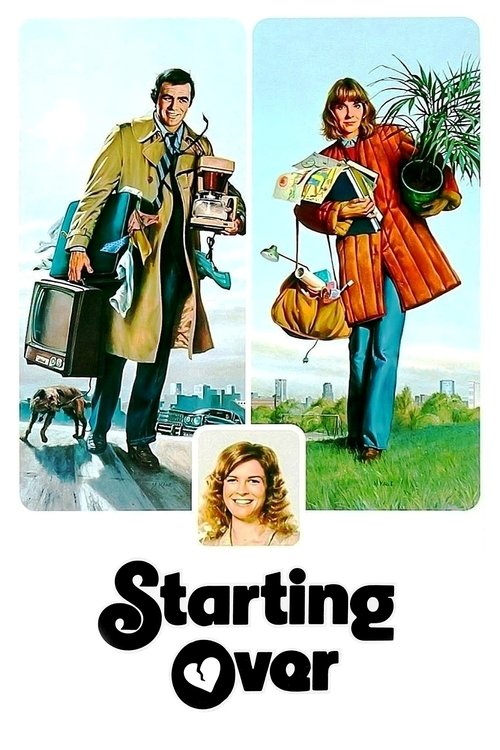
Starting Over1979
Burt Reynolds in excellent form, post-divorce, learning to date again. Alan J. Pakula balances humor and genuine feeling about loneliness and second chances with real warmth.
But The pacing meanders; some romantic comedy beats feel sitcom-broad despite the A-list cast's efforts.
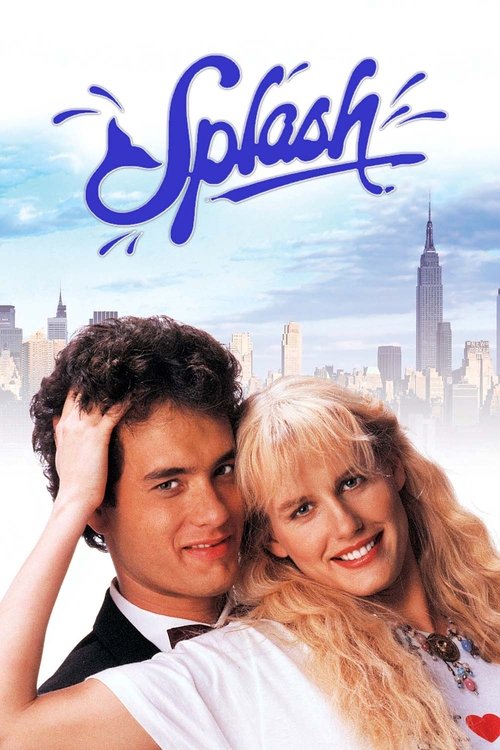
Splash1984
Ron Howard's smart romantic fantasy, where desire meets impossibility. Like Edwards' film, it takes romantic longing seriously while never losing its humor or humanity.
But The magical-female character can read as a male fantasy in ways that date it; some viewers will find it saccharine.
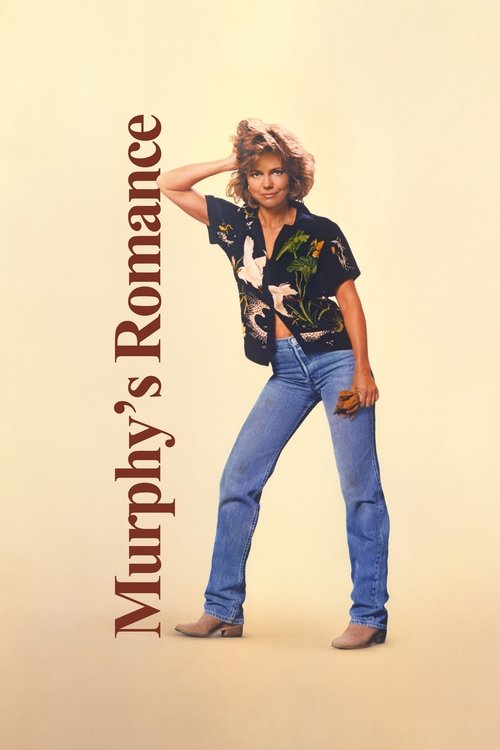
Murphy's Romance1985
James Garner and Sally Field in a mature, genuinely witty romantic drama about two adults working toward connection. A film about love that trusts its audience to understand nuance.
But It's unglamorous and quiet; if you want sweep and grand gestures, this gentle film will feel slight.
Not sure tonight? Get a pick in a minute, starting from The Man Who Loved Women
The wildcard
Something you would not have found on your own.
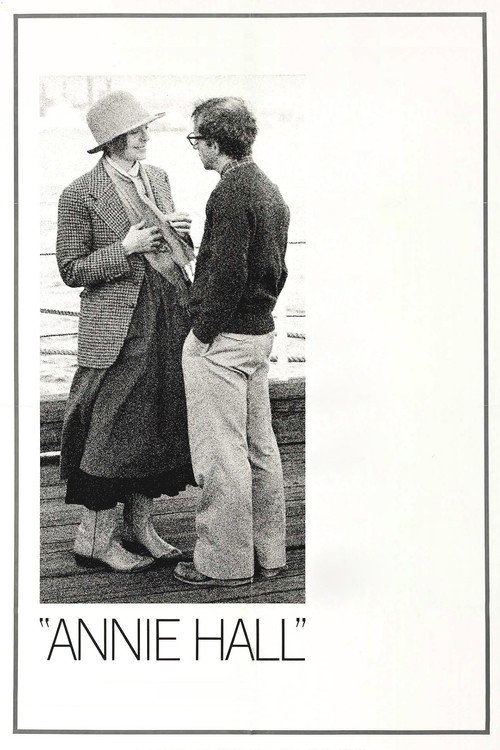
Annie Hall1977
Both are comedies structured around a man's psychiatric reckoning with his own patterns of desire; both feature a male protagonist trying to understand what he actually wants versus what he's been chasing.
Woody Allen's breakthrough about a neurotic man and the women he loves, structured as a kind of non-linear confession. Both films use comedy as therapy—their male leads narrate their own bewilderment about desire and connection.
But It's a completely different register: quieter, more formally experimental, and the humor is anxious rather than charming. If you want Burt Reynolds' warmth, you won't find it here.
More like this (7)
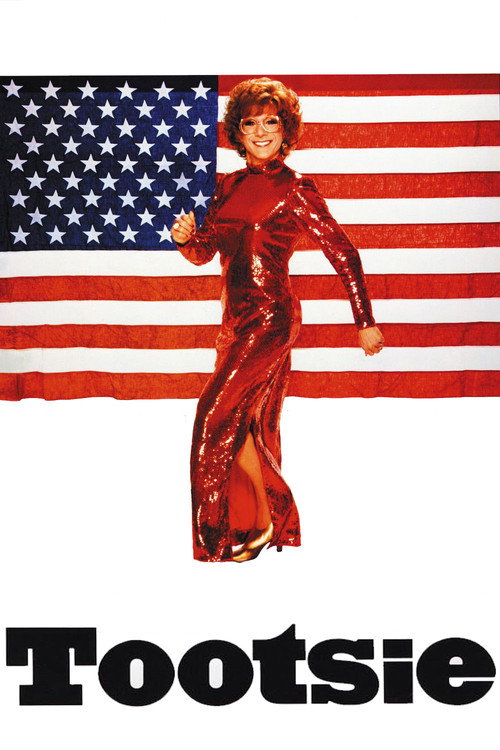
Tootsie1982
Dustin Hoffman's actor-character learns empathy through radical perspective-shift. Like Edwards' film, it uses comedy to explore how men relate to women, but with more structural ambition.
But At two hours, it can feel like it's working too hard to earn its lessons; the tone shifts jar occasionally.
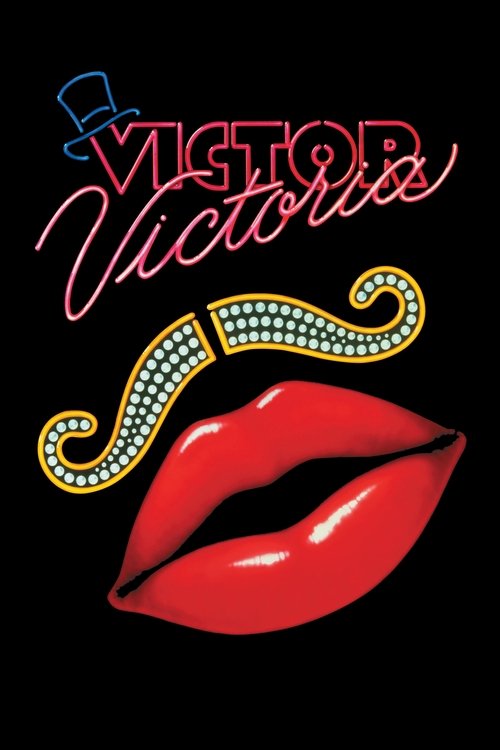
Victor/Victoria1982
Blake Edwards again, this time with Julie Andrews (who's also in The Man Who Loved Women). A gender-play farce that's genuinely clever about identity and desire.
But The plot mechanics get convoluted; you have to work to follow who knows what, and not everyone enjoys that kind of puzzle.
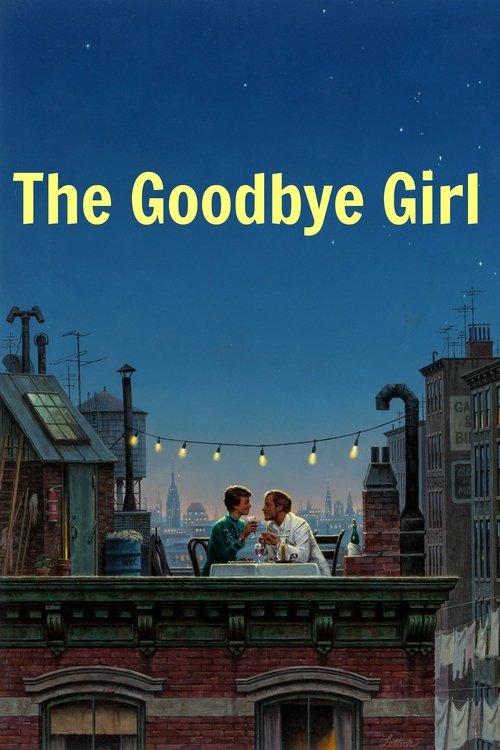
The Goodbye Girl1977
Richard Dreyfuss as an out-of-work actor sharing an apartment with Marsha Mason. It's about two damaged people learning to live with someone real instead of fantasy.
But Dated romantic comedy rhythms; the sentimentality can feel heavy-handed to modern sensibilities.
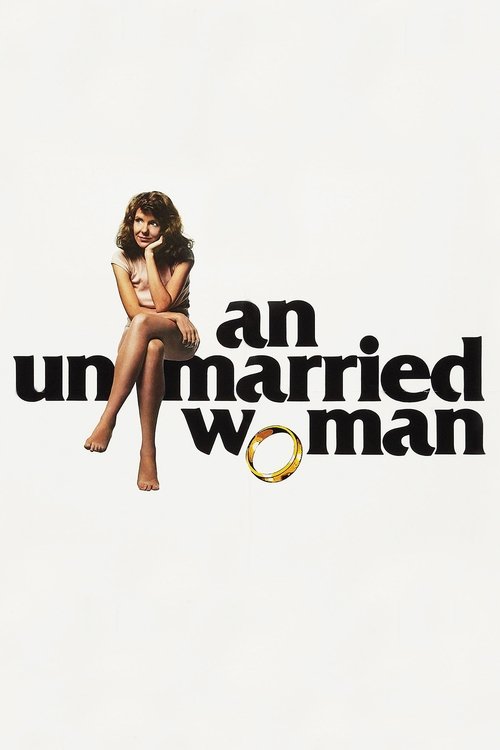
An Unmarried Woman1978
Jill Clayburgh after divorce, finding her own ground. A serious comedy about autonomy and desire from a female perspective, made in the same era with complementary concerns.
But It's deliberately paced and introspective; there's no plot engine, which will frustrate viewers who want momentum.
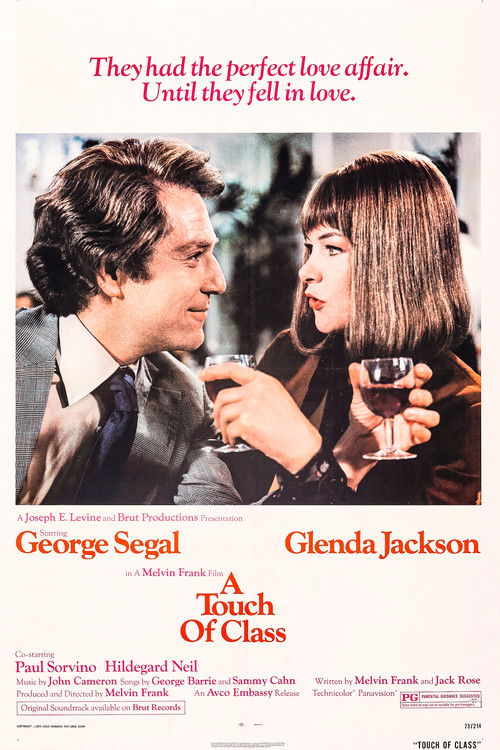
A Touch of Class1973
George Segal and Glenda Jackson in an affair comedy that actually thinks about consequences and character. Older, but the DNA is there—comedy about adult romantic messes.
But The humor is heavily '70s in sensibility; some gags feel creaky, and the gender dynamics won't sit right with everyone.
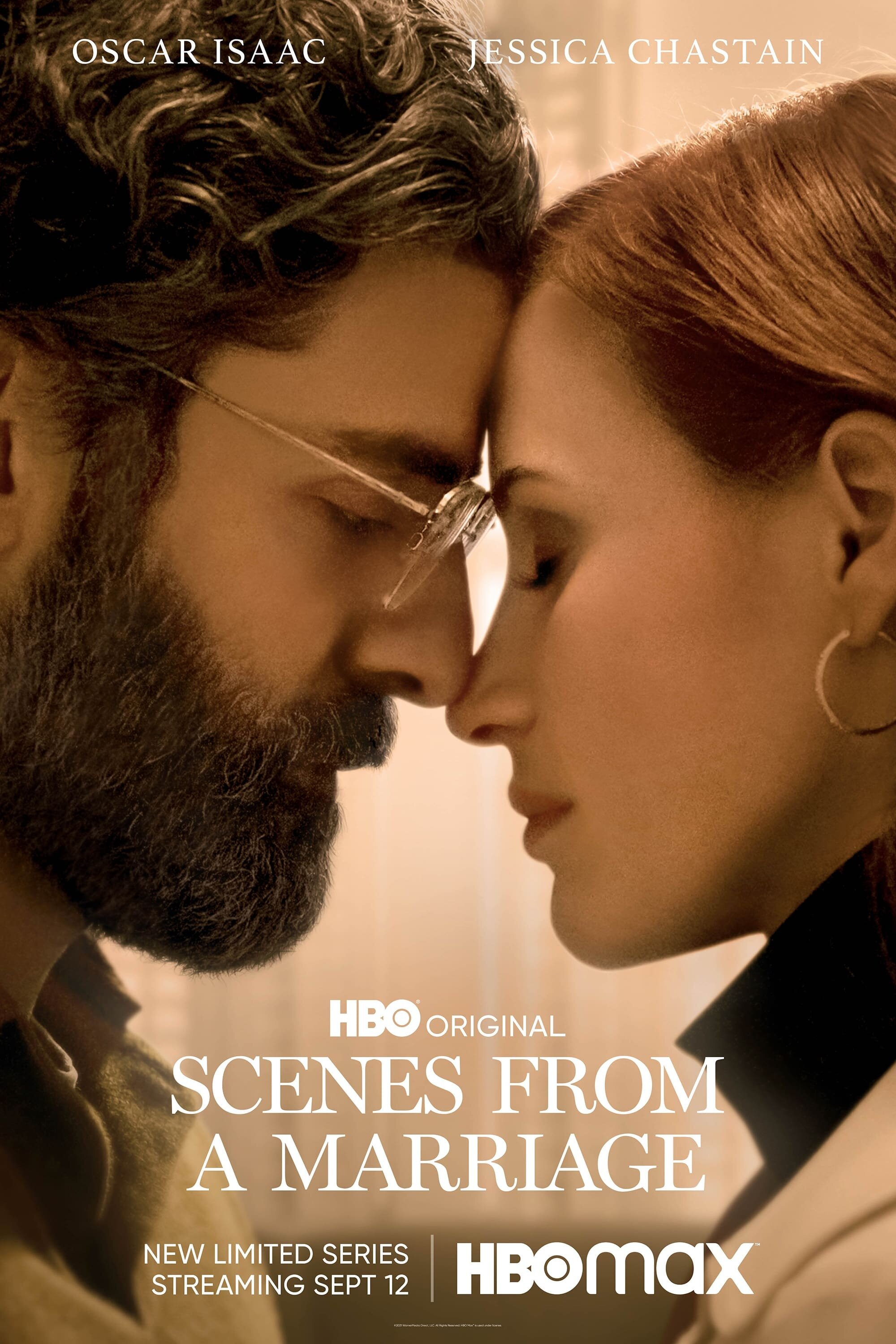
Scenes from a Marriage2021
Both examine the gap between what men want and what women are; Bergman goes toward tragedy where Edwards goes toward comedy, but they're asking identical questions about whether desire and real connection can coexist.
Ingmar Bergman's miniseries following a couple across years of intimacy and dissolution. Devastating and precise about what people want from each other, why it fails, and what remains. The tonal opposite of Edwards' film, but the same obsession.
But It's Swedish television from 1973, subtitled, and unrelentingly serious about marriage and desire. There is no lightness, no resolution, no comfort. Most people will find it exhausting before it's transcendent.
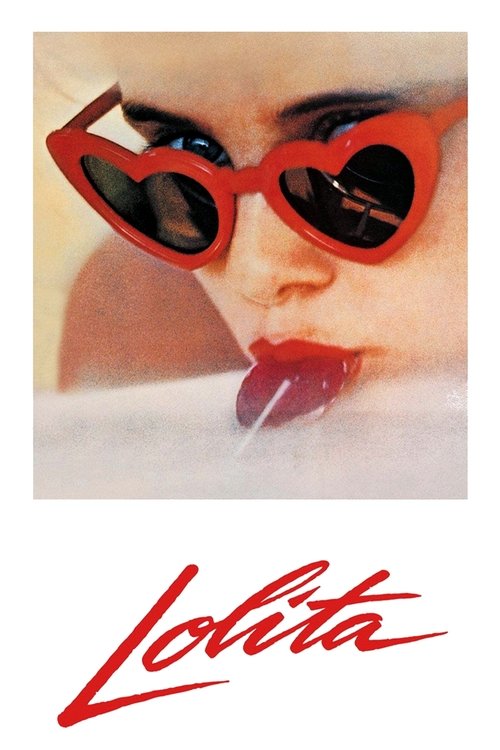
Lolita1962
Both films center on a man's compulsive attraction to women as a character problem. Edwards asks if he can change; Kubrick asks how deeply corrupted such a man really is. They're opposite answers to the same question.
Stanley Kubrick's adaptation of Nabokov, with James Mason's Humbert—a charming, cultured, utterly poisonous narrator describing his obsession. A film that looks at male desire with no softening; the same subject as Edwards' film, stripped of warmth and comedy.
But It's difficult, ambiguous, and asks you to sit with a deeply unlikable man's rationalization. The subject matter is disturbing and the film offers no moral comfort. Not entertainment in any conventional sense.
People
Cast
 Burt ReynoldsDavid Fowler
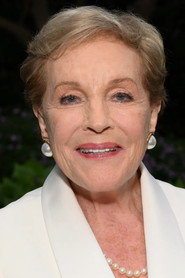 Julie AndrewsMarianna
 Kim BasingerLouise Carr
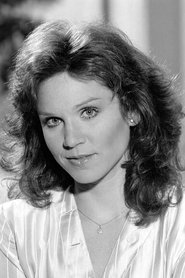 Marilu HennerAgnes Chapman
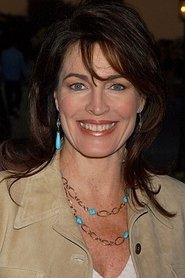 Cynthia SikesCourtney Wade
 Jennifer EdwardsNancy
 Sela WardJanet Wainwright
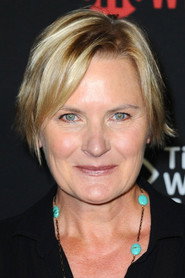 Denise CrosbyEnid
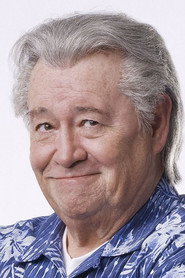 Barry CorbinRoy Carr
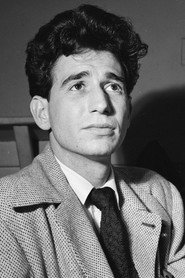 Shelly ManneHimself
- Ellen BauerSvetlana
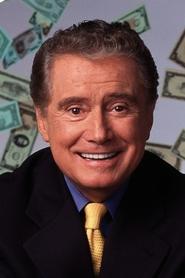 Regis PhilbinHimself
Directing
- Blake EdwardsDirector
Writing
- François TruffautOriginal Film Writer
- Michel FermaudOriginal Film Writer
- Suzanne SchiffmanOriginal Film Writer
- Blake EdwardsScreenplay
- Geoffrey EdwardsScreenplay
- Milton WexlerScreenplay
Production
- Gerald T. NuttingAssociate Producer
- Jonathan D. KraneExecutive Producer
- Blake EdwardsProducer
- Tony AdamsProducer