
Film
The Big One
Michael Moore's 1997 documentary confronts corporate outsourcing and American joblessness by chasing down CEOs, visiting closed factories, and asking why Nike manufactures abroad while US workers struggle. It's aggressively charming, funny, and furious—Moore at his most energetic and least subtle. For viewers who want their documentaries to provoke and perform, not merely inform.
If you liked this
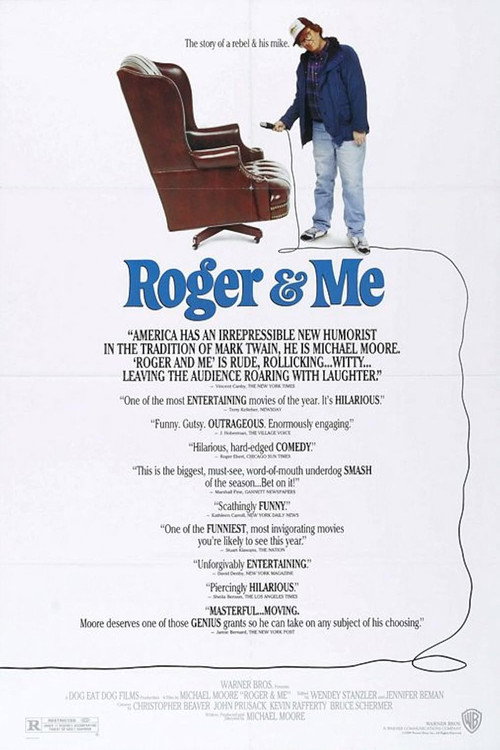
Roger & Me1989
Moore's debut and template: a filmmaker pursuing an untouchable executive, mixing gotcha confrontation with working-class heartbreak. The DNA of his entire career starts here, executed with sharper focus and less self-awareness.
But The editing feels manipulative even by Moore's standards, and the jokes can overshadow the genuine tragedy of Flint's collapse.
Bowling for Columbine2002
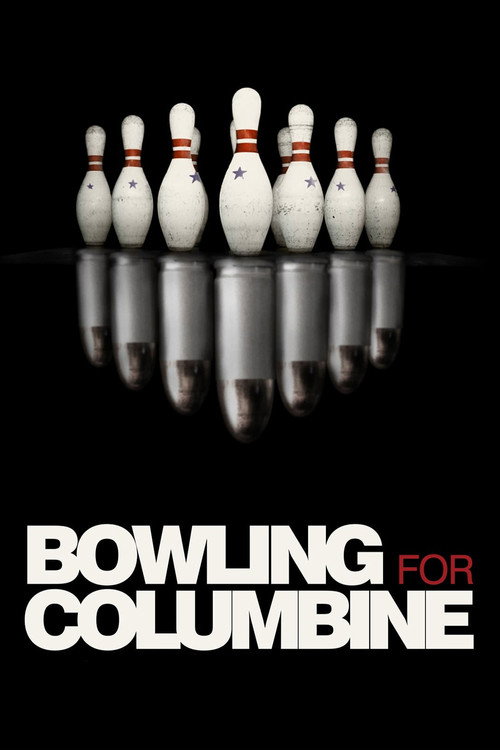
Moore matures slightly while keeping his combative energy. An investigation into American gun violence that asks harder questions and finds more complicated answers than you'd expect from the title.
But It still operates on conviction rather than evidence, and some interview subjects feel genuinely uncomfortable in ways that may read as exploitation.
Capitalism: A Love Story2009
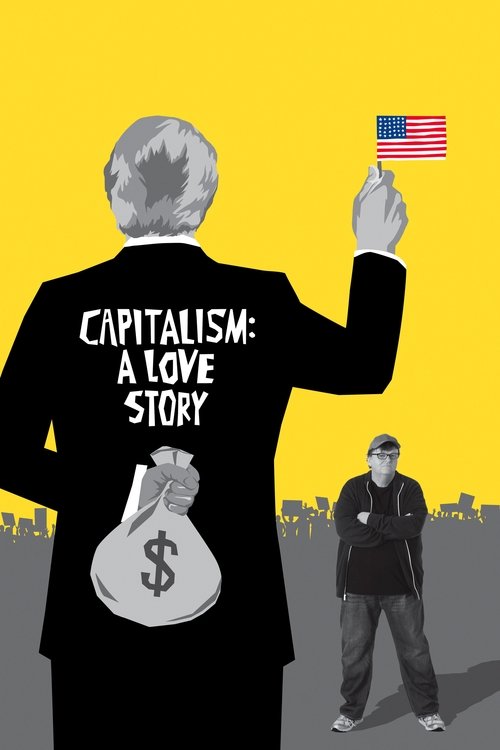
Moore's most sprawling polemic, synthesizing everything he's learned about corporate malfeasance into an apocalyptic vision of American greed. Exhausting and exhilarating in equal measure.
But The scope overwhelms the argument. It sprays outrage in every direction and expects that volume equals insight.
Not sure tonight? Get a pick in a minute, starting from The Big One
The wildcard
Something you would not have found on your own.
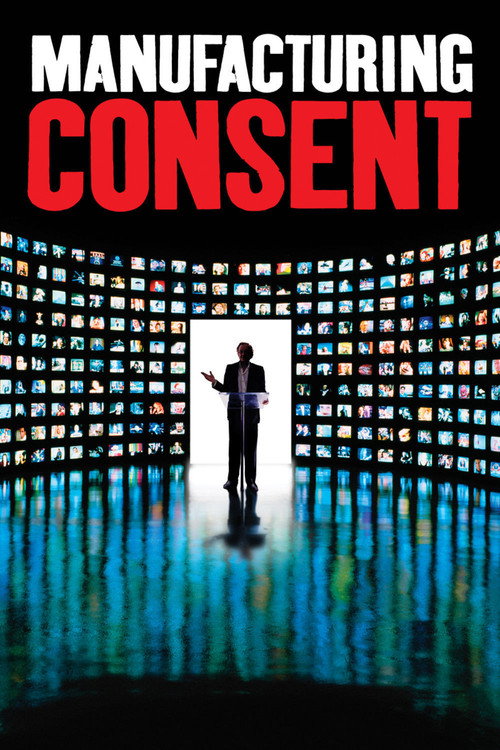
Manufacturing Consent: Noam Chomsky and the Media1992
Both films argue that American corporations and institutions operate without democratic accountability, but Chomsky pursues the argument through media theory while Moore chases it through confrontation and humor.
Chomsky and two filmmakers dissect how corporate media manufactures consent for imperial policy. More rigorous and less charming than Moore, but equally convinced that American institutions are designed to serve capital over people. The intellectual ancestor of Moore's moral fury.
But It's three hours, largely static, and Chomsky's argument requires patience and philosophical generosity. If you want to be entertained, this will feel like homework.
More like this (8)
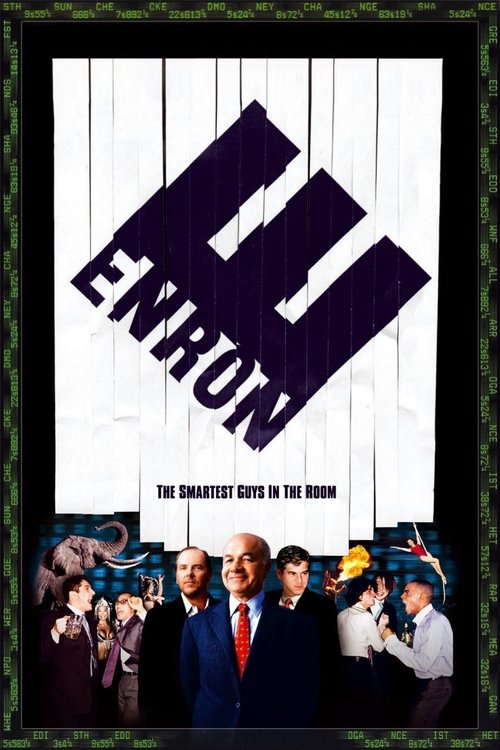
Enron: The Smartest Guys in the Room2005
A documentary about corporate fraud that finds both humor and horror in how smart people rationalized catastrophic theft. Taut, perfectly structured, and genuinely page-turning.
But The technical complexity of derivatives and accounting fraud may bore viewers who want their documentaries more personal and less economic.
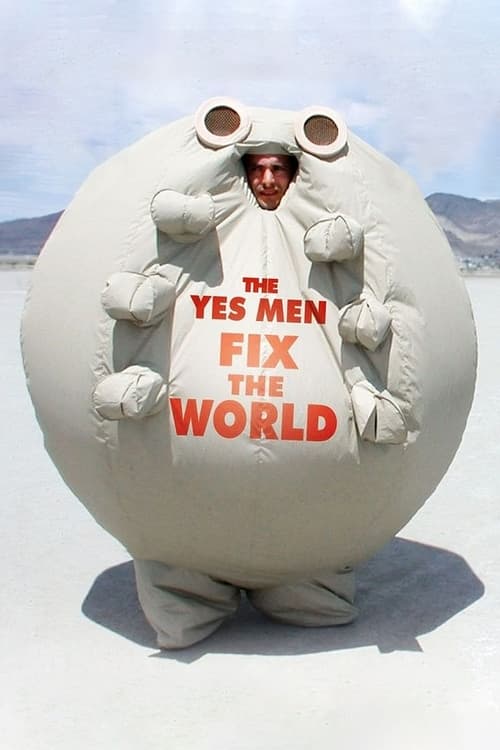
The Yes Men Fix the World2009
Activists impersonate Shell and Dow Chemical to humiliate them publicly. It's Moore's style—confrontation, pranks, corporate shame—but executed with craft and genuine cleverness.
But The satire can be too clever for its own good, and you may spend half the runtime unsure whether you're watching real footage or performance art.
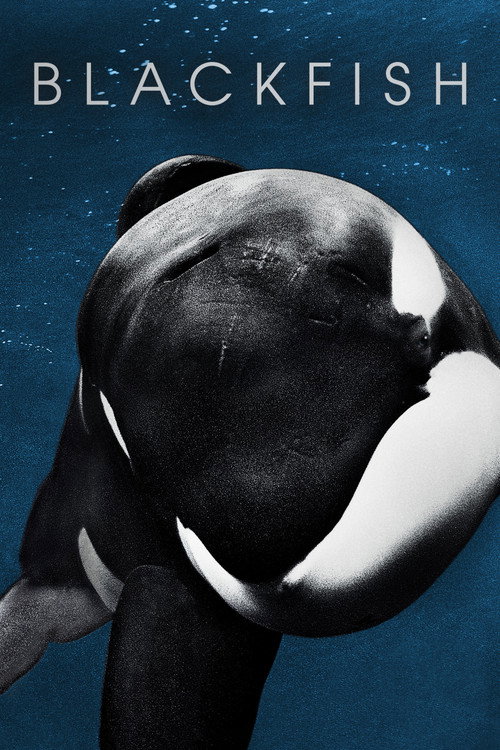
Blackfish2013
An investigation into SeaWorld that builds like a thriller, with mounting evidence of animal suffering and corporate deception. Harrowing and methodical where Moore is ebullient and scattered.
But It's a one-note polemic dressed as journalism, and some of its key claims have been disputed or muddied since release.
The Imposter2012
A documentary that refuses easy judgment: a man assumes a dead boy's identity, a family accepts him, and the film sits in the queasy space between truth and performance. Urgent and unsettling.
But The narrative is deliberately unreliable, and some viewers find the approach frustrating rather than illuminating.

Super Size Me2004
Fast food meets performance art: Morgan Spurlock eats nothing but McDonald's for a month and documents the physical and psychological wreckage. It's funny, digestible, and impossible to ignore.
But The methodology is flawed, the conclusions overreached, and it oversimplifies obesity into a convenient villain. Nutritionists have torn it apart.

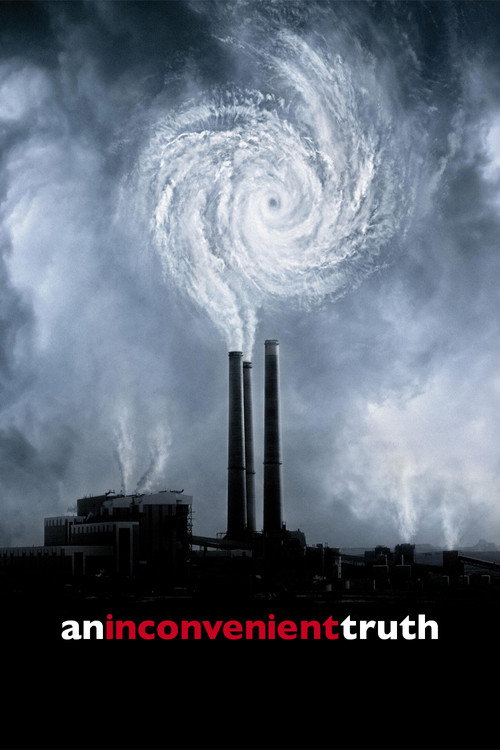
An Inconvenient Truth2006
Al Gore's climate change presentation repackaged as cinema. If you want documentary-as-lecture delivered by someone with genuine expertise and high production values, this delivers exactly that.
But It feels like watching a PowerPoint, some predictions haven't aged well, and the film itself doesn't seem interested in drama or human story.
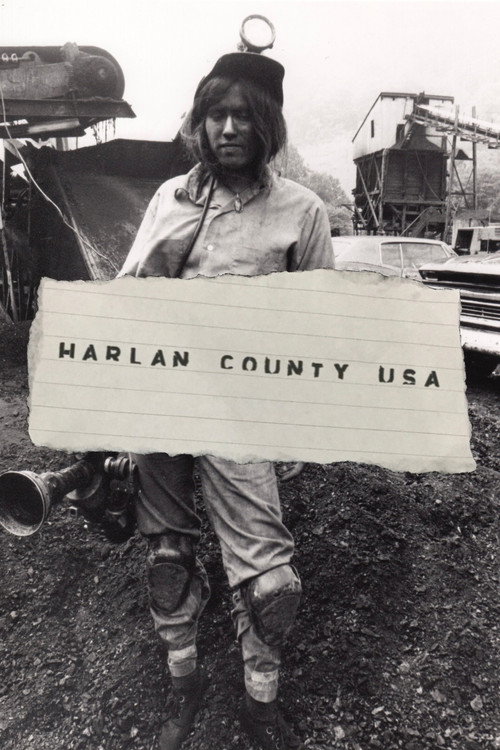
Harlan County U.S.A.1976
Both are American labor documentaries, but Kopple lets her subjects define the narrative while Moore inserts himself at the center. Watching them back-to-back shows two radically different approaches to the same righteous anger.
A documentary about coal miners striking against brutal exploitation. Barbara Kopple embeds with the union for two years and creates something that moves from investigation into lived experience. It's patient where Moore is kinetic, but equally enraged.
But The pacing is deliberate to the point of slowness. There are long scenes of mining work and waiting. Moore would have cut it in half and punched it up.
The Corporation2003
Both films see corporations as entities that need to be exposed and confronted, but The Corporation is more diagnostic (what is this thing?) while The Big One is more accusatory (why are you doing this?).
A sprawling Canadian documentary that treats the corporation as a legal entity and psychologically profiles it. If it were a person, what pathology would we diagnose? Intellectually ambitious and visually inventive, with a darker sense of humor than Moore allows.
But At two hours and forty minutes, it's overstuffed with talking heads and metaphors. The film mistakes scope for depth and can feel like it's trying to be everything.
People
Cast
 Michael MooreSelf
- Jim CzarneckiSelf
- Elaine BlySelf - Random House Media Escort
- Brian DanitzSelf
- Richard JewellSelf - Innocent Guy
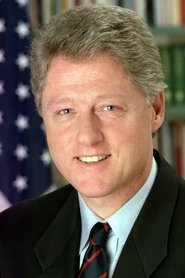 Bill ClintonSelf (archive footage)
 Jerry SpringerSelf (archive footage)
- Dan BurnsHimself - Radio Personality
- Chip CarterHimself - Forbes Campaign
- Joel FeickHimself - Radio Commentator
- Doug FranceHimself - Random House Representative
- Mary GielowHerself - Media Escort in Milwaukee
Directing
- Michael MooreDirector
Writing
- Michael MooreScreenplay
- Michael MooreWriter
Production
- Tia LessinCoordinating Producer
- David MortimerExecutive Producer
- Jeremy GibsonExecutive Producer
- Dianne GriffinLine Producer
- Jim CzarneckiLine Producer
- Kathleen GlynnProducer