
Film
In Defense of Food
Michael Pollan's investigation into how industrial food systems have hijacked our diets and what eating actually looked like before marketing departments convinced us we needed their products. It's a measured, intelligent documentary that makes you think without lecturing. For anyone who's ever wondered why "healthy" food tastes like cardboard or why nutritional advice keeps contradicting itself.
Should you watch it?
Watch it if you enjoy a patient, argumentative essay on the stuff on your plate, the kind that treats a grocery aisle like a crime scene and still sounds reasonable.
Skip it if you want hard data and clinical proof, since this leans on reasoning, anecdote and a narrator who keeps circling back to his own argument.
What it asks of you: Nearly two hours of mostly seated conversation, the argument built slowly across interviews and narration rather than by any sudden turn.
Not sure? Find tonight's pick in a minute.
If you liked this
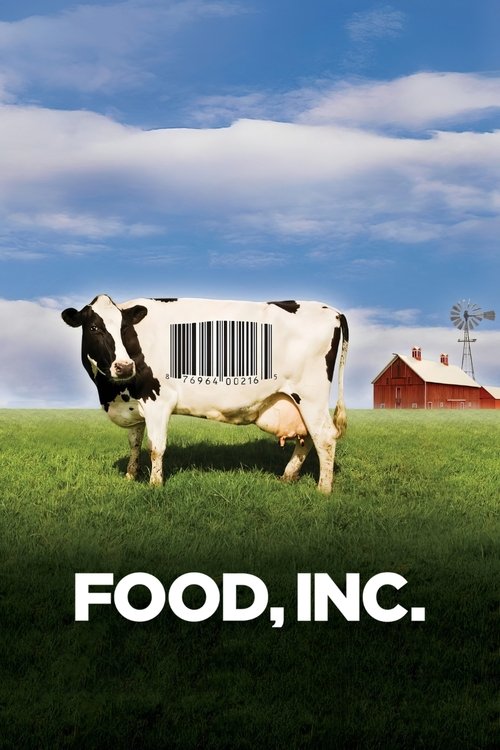
Food, Inc.2008
A darker, more system-focused look at industrial agriculture and how corporations control what reaches your plate. Exceptionally well-constructed visual argument about power and profit in food production.
But More prosecutorial in tone than Pollan's gentler approach. Some scenes of animal farming are genuinely disturbing and not easy to sit through.
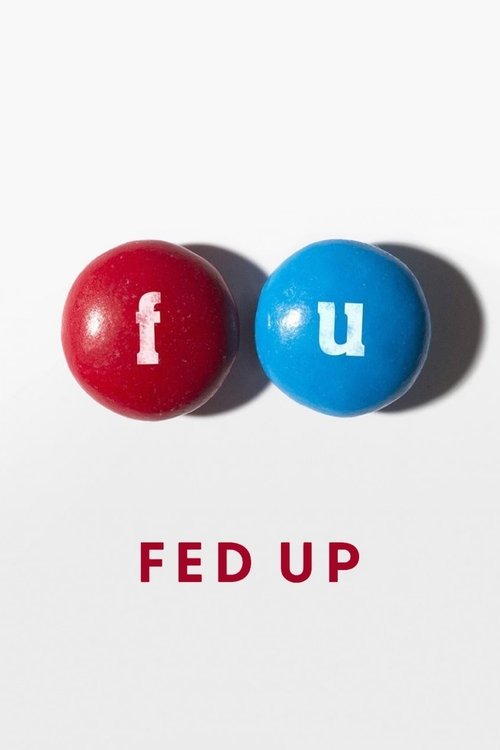
Fed Up2014
Katie Couric-fronted documentary that zeroes in on added sugar and the food industry's deliberate manipulation of health data. Genuinely infuriating if you care about being lied to.
But Narrower focus than Pollan's broader look at food culture. Some talking heads repeat themselves. The anger, while justified, can feel didactic.
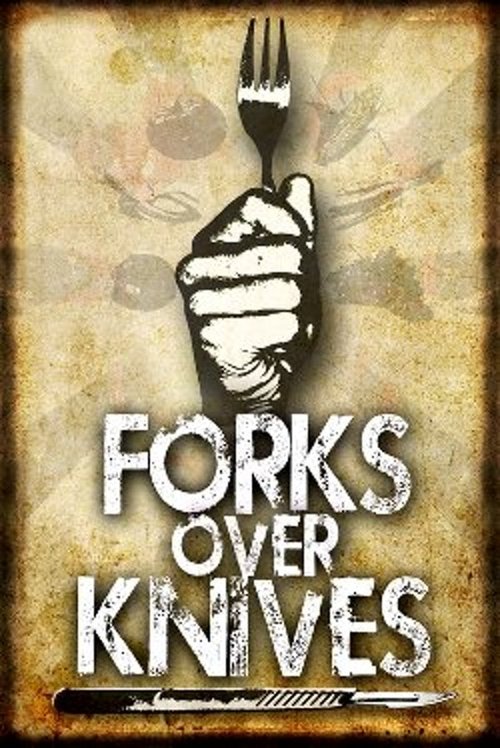
Forks Over Knives2011
Charts the science of plant-based eating through interviews with researchers and the stories of people who reversed serious illness through diet alone. Visually engaging and genuinely moving.
But Advocates aggressively for veganism. Some of the science gets simplified, and it dismisses competing nutritional approaches without much nuance.
Not sure tonight? Get a pick in a minute, starting from In Defense of Food
The wildcard
Something you would not have found on your own.
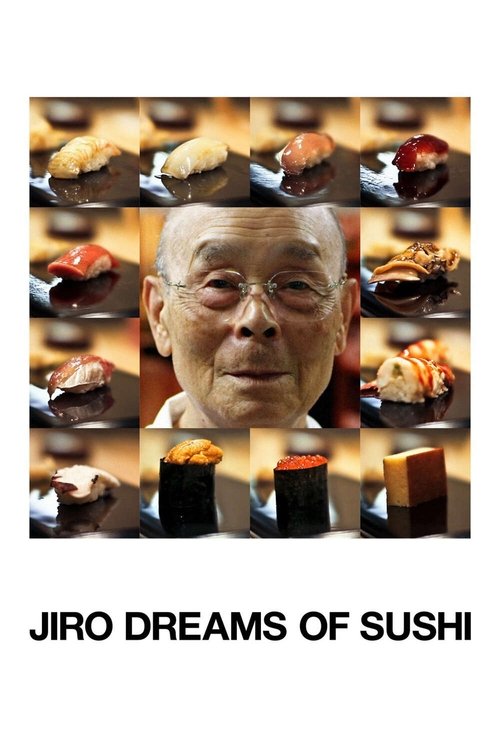
Jiro Dreams of Sushi2011
Where Pollan deconstructs what went wrong with food systems, Jiro embodies the opposite: a life dedicated to the principle that food quality comes from mastery, restraint, and respect for ingredients rather than novelty or efficiency.
A portrait of an 85-year-old sushi master in Tokyo who has spent 60 years refining his craft through obsessive attention to fundamentals and sourcing. Moves at his pace, not ours. Meditative and revelatory.
But Extremely slow. No narrative arc, no conflict, no revelation about sushi itself. Some viewers find it precious rather than profound. Very different in mood from Pollan's investigation.
More like this (5)
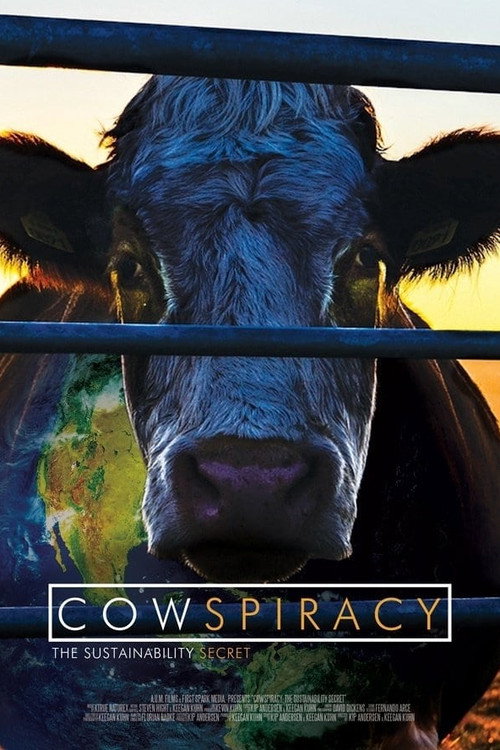
Cowspiracy: The Sustainability Secret2014
Makes the environmental case for plant-based eating with crisp graphics and interviews with sustainability experts. Feels urgent without being shrill, and covers ground Pollan doesn't.
But Heavily weighted toward one dietary conclusion. The production can feel slick in a way that undercuts the seriousness of the argument. Some claims need more backing.
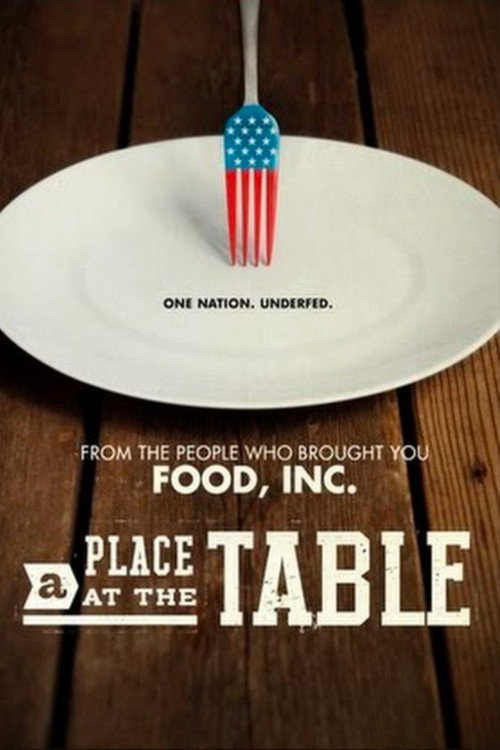
A Place at the Table2012
Focuses on food insecurity in America—the human cost when diet becomes a luxury. Heartbreaking and essential context for any conversation about what we eat.
But Heavier on emotion than on analysis of why the problem persists. Less about food science, more about poverty. Can feel like advocacy over investigation.
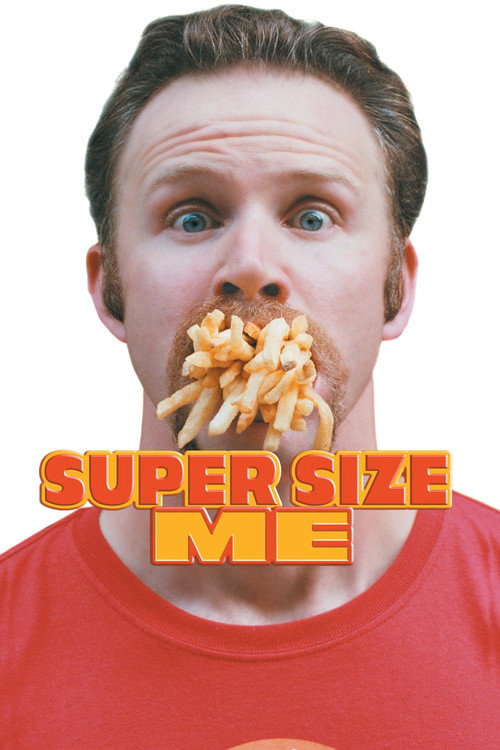
Super Size Me2004
Morgan Spurlock eats McDonald's for a month and tracks the damage. Probably the most entertaining entry point to thinking about industrial food. Still works.
But Anecdotal and sensationalist by design. One person, one brand, one month tells you less than you'd think. The spectacle has aged better than the science.
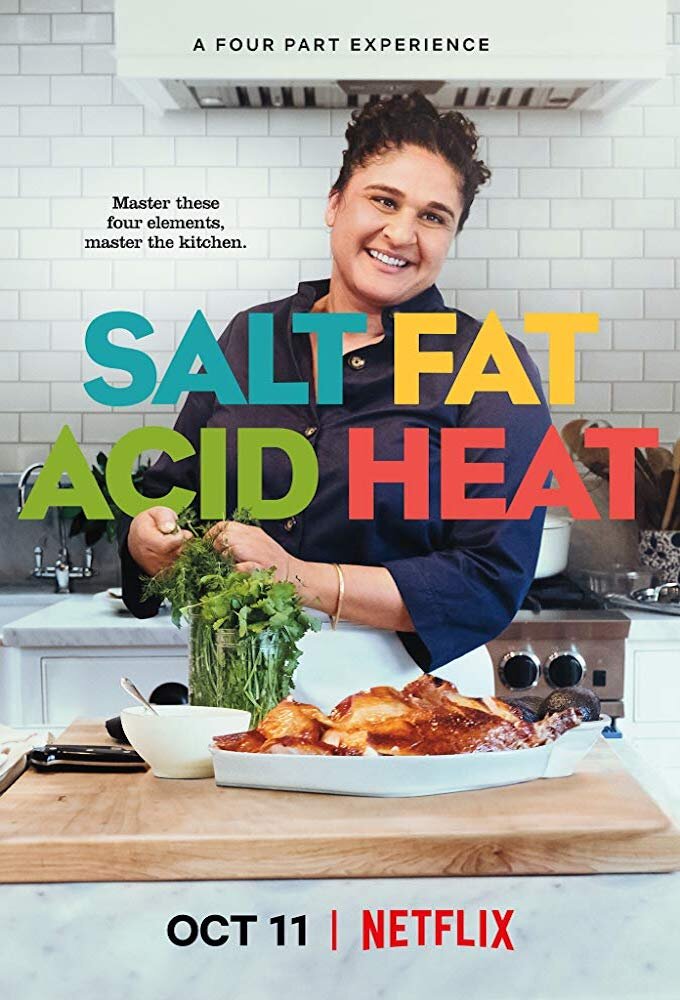
Salt Fat Acid Heat2018
Samin Nosrat teaches the fundamentals of cooking with clarity and visible joy. Not an argument about what to eat, but a practical pathway to understanding and trusting your own palate.
But Doesn't engage with Pollan's larger critique of the food system. More cooking show than documentary analysis. Assumes you have access to good ingredients.
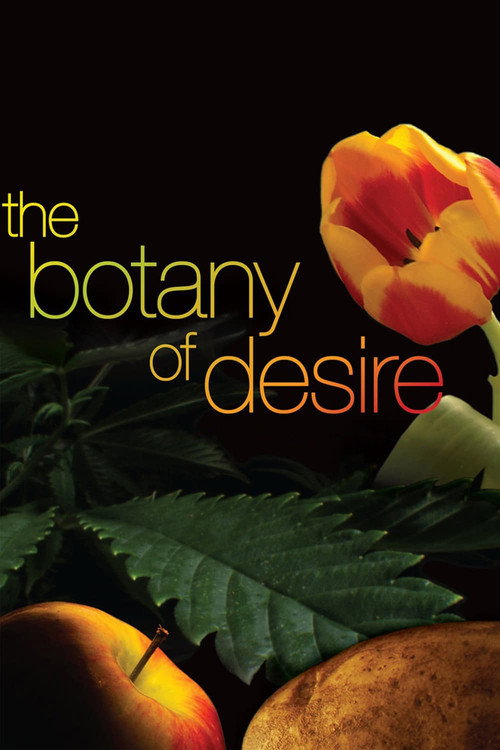
The Botany of Desire2009
Same author, different mode: rather than explaining what went wrong with food, this asks how we've always been in conversation with plants, and what that means for how we should eat and live.
A three-part PBS series that tells the history of human cultivation through four plants: apple, tulip, potato, and marijuana. Written by and featuring Michael Pollan, but narrative and lush rather than argumentative. Sees us and nature as co-creators.
But Slower and more reflective than In Defense of Food. Less about immediate dietary advice. Some viewers find the counterculture segment preachy. Requires patience with ambiguity.
People
Cast
 Michael PollanNarrator and Story Consultant
- David KesslerSelf
- David LudwigSelf
- Paul RozinSelf
- Marion NestleSelf

Directing
- Michael SchwarzDirector
Writing
- Edward GrayWriter
Production
- Jessica Van RheenenAssociate Producer
- Emily TaguchiCoordinating Producer
- Edward GrayProducer
- Michael SchwarzProducer