
Film
Taste the Waste
A German documentary that follows the staggering journey of food from farm to landfill, showing how much is discarded at every stage and why markets, regulations, and convenience conspire to waste it. Infuriating and galvanizing rather than preachy. Essential viewing for anyone who eats.
If you liked this
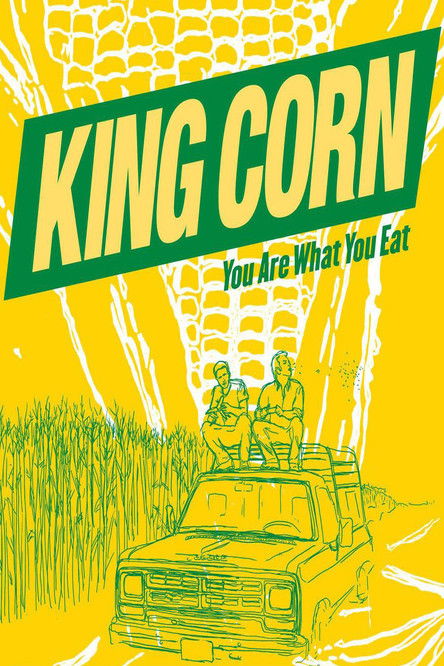
King Corn2007
Two Americans trace a bushel of corn through the industrial food system, discovering how one crop became the hidden ingredient in nearly everything we eat. Companion piece to understanding food waste's roots.
But Similar structure and tone means if you've seen one, you feel the pressure of the other. Slightly more focused on economics than impact.
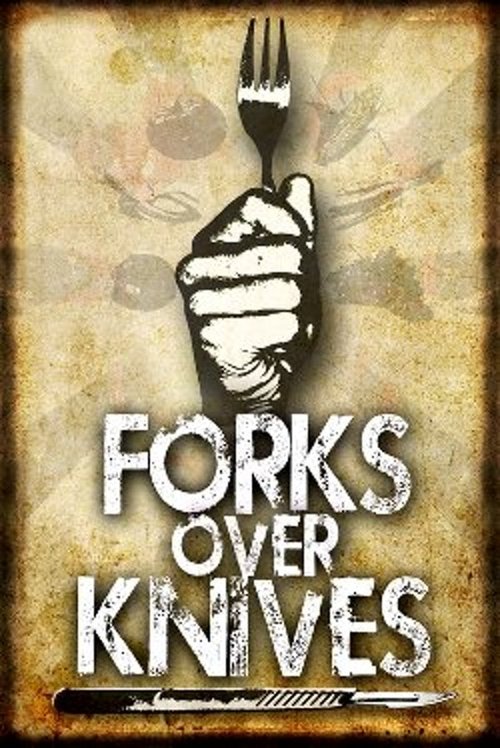
Forks Over Knives2011
Investigates how diet-related disease is linked to processed food and animal products, with personal stories that ground the argument. Makes you rethink what ends up on your plate.
But The plant-based advocacy can feel singular. Some of the science has aged or faced criticism since release.
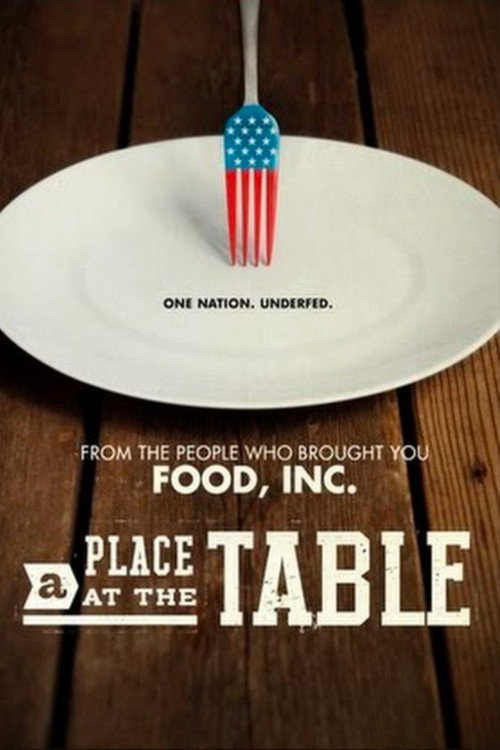
A Place at the Table2012
Examines food insecurity in America by following three families struggling to afford enough to eat while surrounded by waste. Transforms the waste conversation into one about justice.
But Deliberately sad and slow. Not designed to entertain. The policy solutions feel distant from the human stories.
Not sure tonight? Get a pick in a minute, starting from Taste the Waste
The wildcard
Something you would not have found on your own.
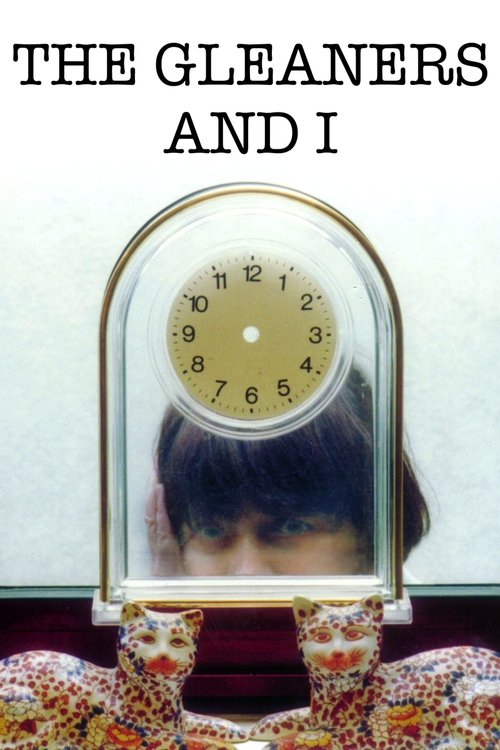
The Gleaners and I2000
Both films look at food waste, but where Taste the Waste diagnoses a system, Varda shows the humans already living inside it. One is outrage, the other is love.
Agnès Varda's poetic documentary about people who collect leftover food from harvests and markets across France. Treats scavenging as both survival and art, full of dignity and curiosity rather than judgment.
But Meditative and digressive rather than argumentative. No angry takedown, no call to action—just observation and humanity. Some find it meandering.
More like this (6)
The True Cost2015
About fast fashion's environmental and human toll, but works as a sister film: same system of disposal, same invisibility of consequence, just different goods.
But Documentarian style is heavy-handed. Some criticism that solutions offered are too consumer-focused to challenge the core problem.

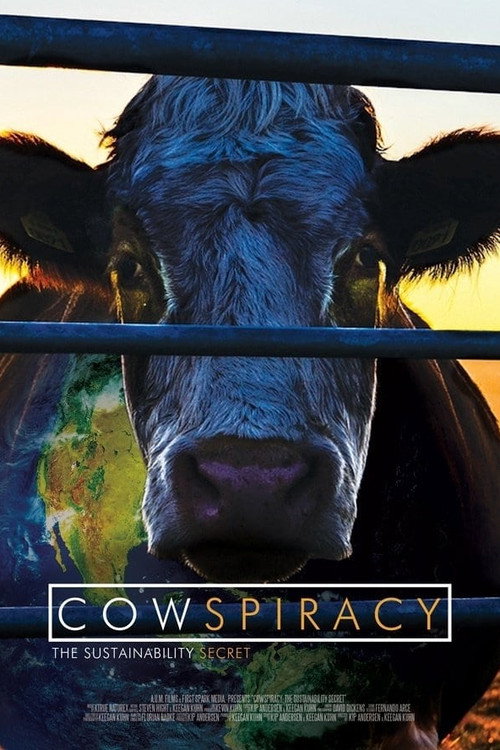
Cowspiracy: The Sustainability Secret2014
Documentary about livestock's environmental footprint that includes water waste and land use alongside food waste. Broadens the picture without straying too far from the theme.
But The vegan argument feels zealous to some. Accused of cherry-picking data and ignoring nuance around regenerative farming.
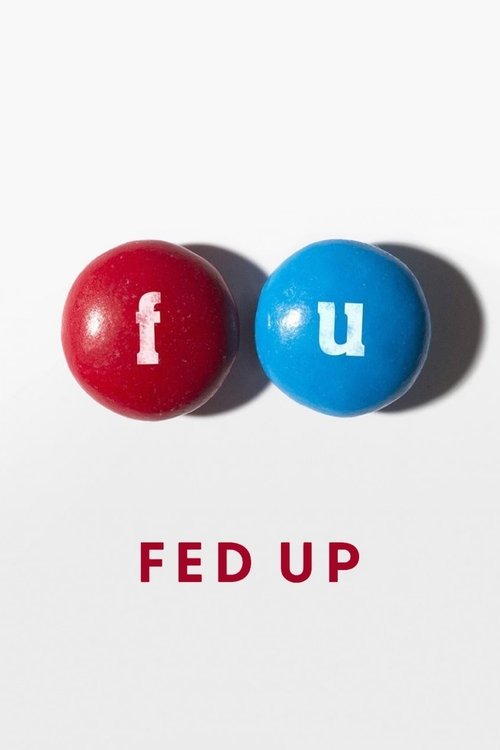
Fed Up2014
Examines how sugar and processed foods became the norm in American diets, with celebrity testimonials and real kids' struggles. Accessible and angry without being condescending.
But Focuses on diet and health rather than waste specifically. Some nutritional claims have been debated by experts.
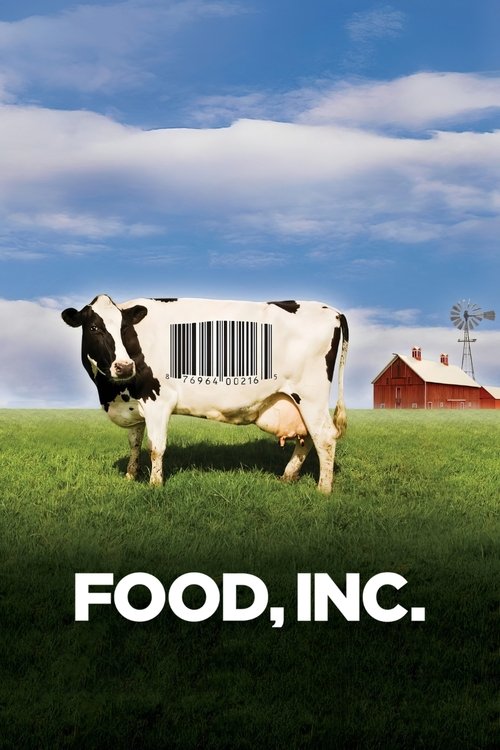
Food, Inc.2008
Robert Kenner's classic investigation of industrial agriculture covers contamination, labor, and the machinery that makes waste invisible. Seminal for understanding why the system works as it does.
But Now fourteen years old and feels a touch dated in its framing. Some solutions proposed have since become mainstream talking points.
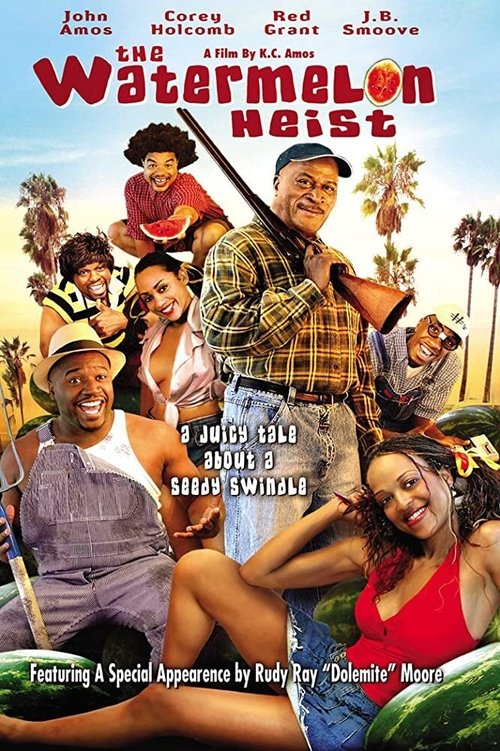
The Watermelon Heist2003
German film that documents the absurdity of agricultural waste regulations: why perfectly good produce gets destroyed for bureaucratic reasons. Darkly funny and direct.
But Short and narrower focus means less comprehensive. Low production values and dated feel even for a doc.
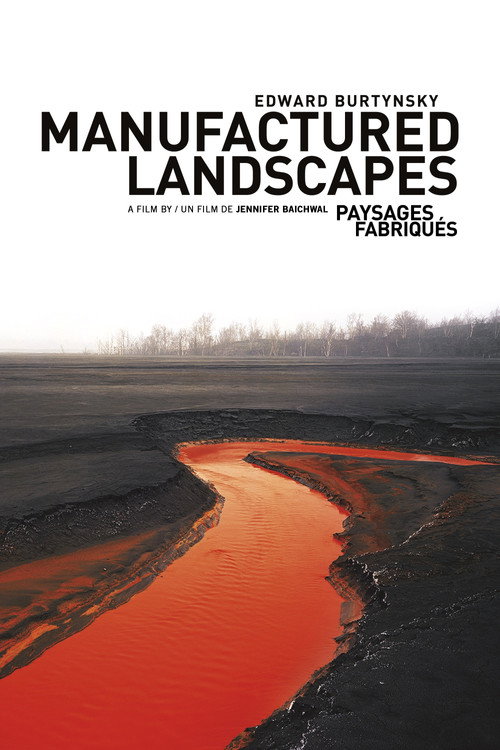
Manufactured Landscapes2006
Both expose hidden costs of consumption, but this one does it through beauty and scale rather than argument. Same moral anger, entirely different register.
A documentary essay in long, hypnotic tracking shots through Chinese factories and shipbreaking yards—visual poetry about the scale and consequence of industrial production and disposal. No narration, just images that haunt.
But Abstract and visual rather than explanatory. Some viewers find it slow and opaque. Won't give you easy answers about solutions.
People
Directing
- Valentin ThurnDirector
Writing
- Valentin ThurnWriter