
Film
Ingredients
Ingredients explores the local food movement through conversations with farmers and chefs rebuilding sustainable food systems. Shot with warmth and clarity, it's an accessible entry point to why eating locally matters—practical rather than preachy, focusing on real people making tangible change. For anyone curious about where their food comes from or skeptical of industrial agriculture.
Should you watch it?
Watch it if you enjoy food films that linger on farm fields, kitchen prep and the small daily decisions behind a plate, and you want to see the local-food idea shown through working hands rather than lectured at you.
Skip it if you want a sharp, tightly plotted documentary with a clear villain and a steady argument; this one wanders through many farms and kitchens and can feel more like a gentle collage than a pointed case.
What it asks of you: Seventy-three minutes of unhurried watching, mostly observational, with a calm pace and a mild tone, so you will need patience for scenes that simply let the work unfold.
Not sure? Find tonight's pick in a minute.
If you liked this
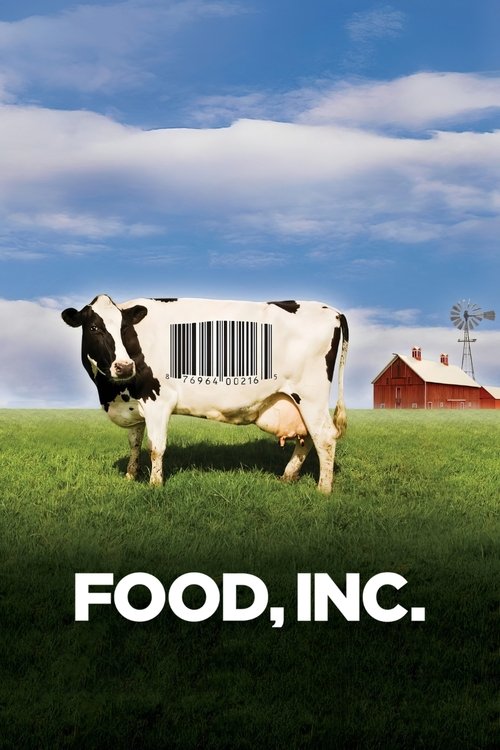
Food, Inc.2008
The definitive investigation into industrial food systems: how meat is produced, crops are controlled, and consumers are kept in the dark. Sharp, thorough, genuinely horrifying in places.
But Heavy-handed at times, and the solutions offered feel incomplete compared to the scale of the problem described.
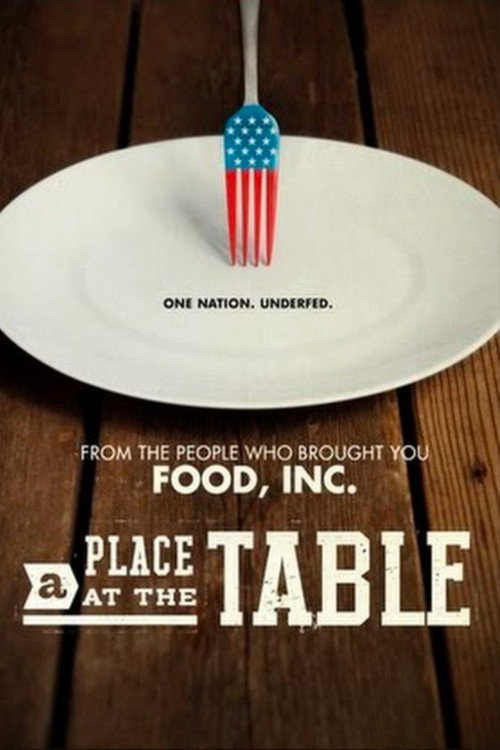
A Place at the Table2012
Shifts focus from sustainability to food insecurity in America, following families struggling to eat well. Intimate and unsentimental, less about ideology and more about lived reality.
But The poverty it depicts is relentless; it's hard to watch and offers few easy answers.
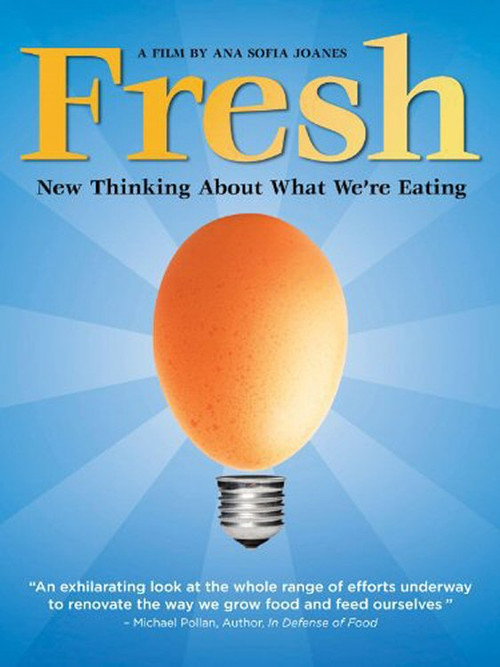
Fresh2009
A counterpoint to industrial agriculture that actually works: profiles of farmers proving regenerative methods are viable, productive, and profitable. Genuinely hopeful without being naive.
But Can feel like promotional material for its subjects; skeptics might want more external scrutiny.
Not sure tonight? Get a pick in a minute, starting from Ingredients
The wildcard
Something you would not have found on your own.
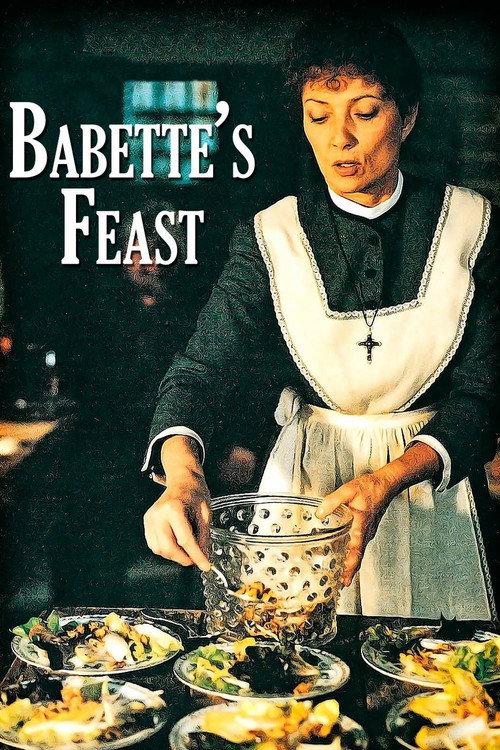
Babette's Feast1987
Both films suggest that food is never just fuel—that its source and preparation carry meaning that industrialization has deliberately erased.
A French chef prepares one extravagant meal for a small religious community, transforming the act of eating into transcendence. It's about ingredients and preparation as moral and spiritual practice—the opposite of industrial efficiency.
But Glacially paced, meditative to the point of stillness. If you need plot momentum, this will test your patience.
More like this (5)
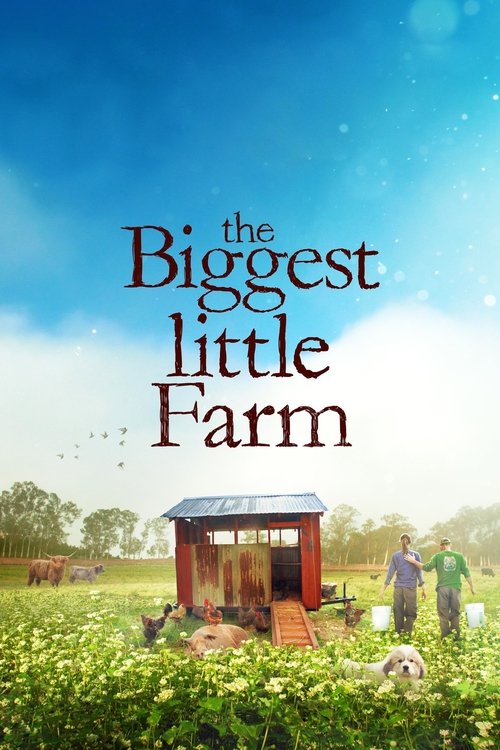
The Biggest Little Farm2019
A husband-and-wife team build a diversified farm from scratch in California. Visually gorgeous, funny, and oddly meditative—you forget you're watching an agricultural lesson.
But The fairy-tale ending glosses over how privileged you need to be to attempt this. Their success story isn't replicable for most people.
Forks Over Knives2011
Makes the case for plant-based eating through food science and personal transformation stories. More focused than other food docs—it knows exactly what it's arguing.
But Advocates for strict veganism with an almost zealous tone. Omnivores may feel lectured rather than convinced.
Taste the Waste2011
Examines food waste across the supply chain—from farms throwing away cosmetically imperfect produce to households discarding edibles. Eye-opening and genuinely maddening.
But Repetitive in structure; it keeps making the same point in different contexts without offering much practical recourse.
Farmlands2018
Documentary follows a photographer across America visiting family farms during harvest season. Celebrates rural communities with real affection and visual poetry without condescension.
But Shorter and slighter than other agricultural docs; some want more depth and investigation.
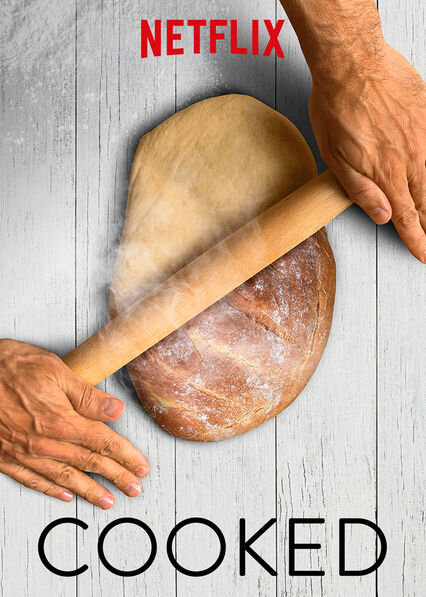
Cooked2016
Where Ingredients focuses on the local movement as solution, Cooked explores cooking itself as the fundamental human technology that built culture and community.
Michael Pollan's four-part series examines fire, water, air, and earth as cooking methods, tracing how human civilization literally cooked itself into being. Intellectually rapturous and visually sumptuous.
But Requires patience for long essay-form arguments; the historical and anthropological tangents will lose viewers seeking practical how-tos.
People
Directing
- Robert BatesDirector
Production
- Brian KimmelProducer