
Television series
Cooked
Michael Pollan guides you through four elements of cooking—fire, water, air, and earth—with the curiosity of someone genuinely learning as he goes. It's a smart, unhurried documentary that treats cooking as culture, science, and philosophy all at once. For anyone who thinks about food beyond the plate.
Should you watch it?
Watch it if you enjoy watching someone get properly absorbed in a craft, the way Pollan tackles bread, beer and braising as hands-on apprenticeships rather than quick cooking tips.
Skip it if you want a food show built around recipes, kitchen competition or chef personalities, because this is a documentary that treats cooking as a subject to investigate, not a lesson to follow.
What it asks of you: Four episodes of roughly fifty minutes each, unhurried and talky, with long stretches of Pollan at work and thinking aloud, so it rewards patience more than quick attention.
Not sure? Find tonight's pick in a minute.
If you liked this
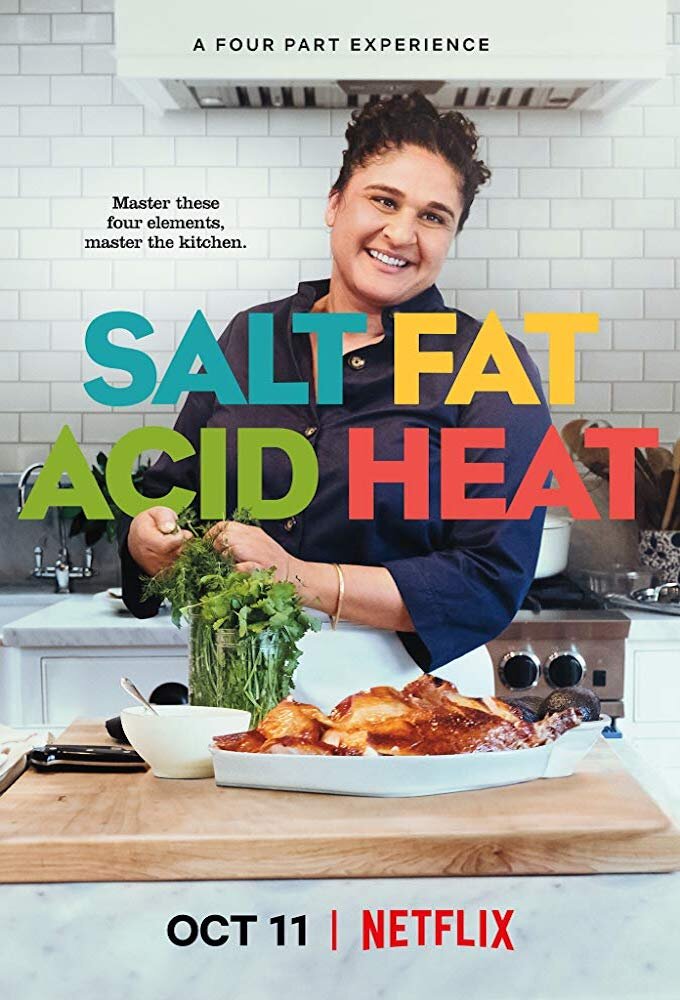
Salt Fat Acid Heat2018
Samin Nosrat makes cooking technique feel like revelation, breaking down the fundamentals with infectious joy and gorgeous cinematography. It's education that doesn't feel like school.
But Four episodes is all there is, and you'll wish for more. Some fundamentals get covered briskly if you're already confident in the kitchen.
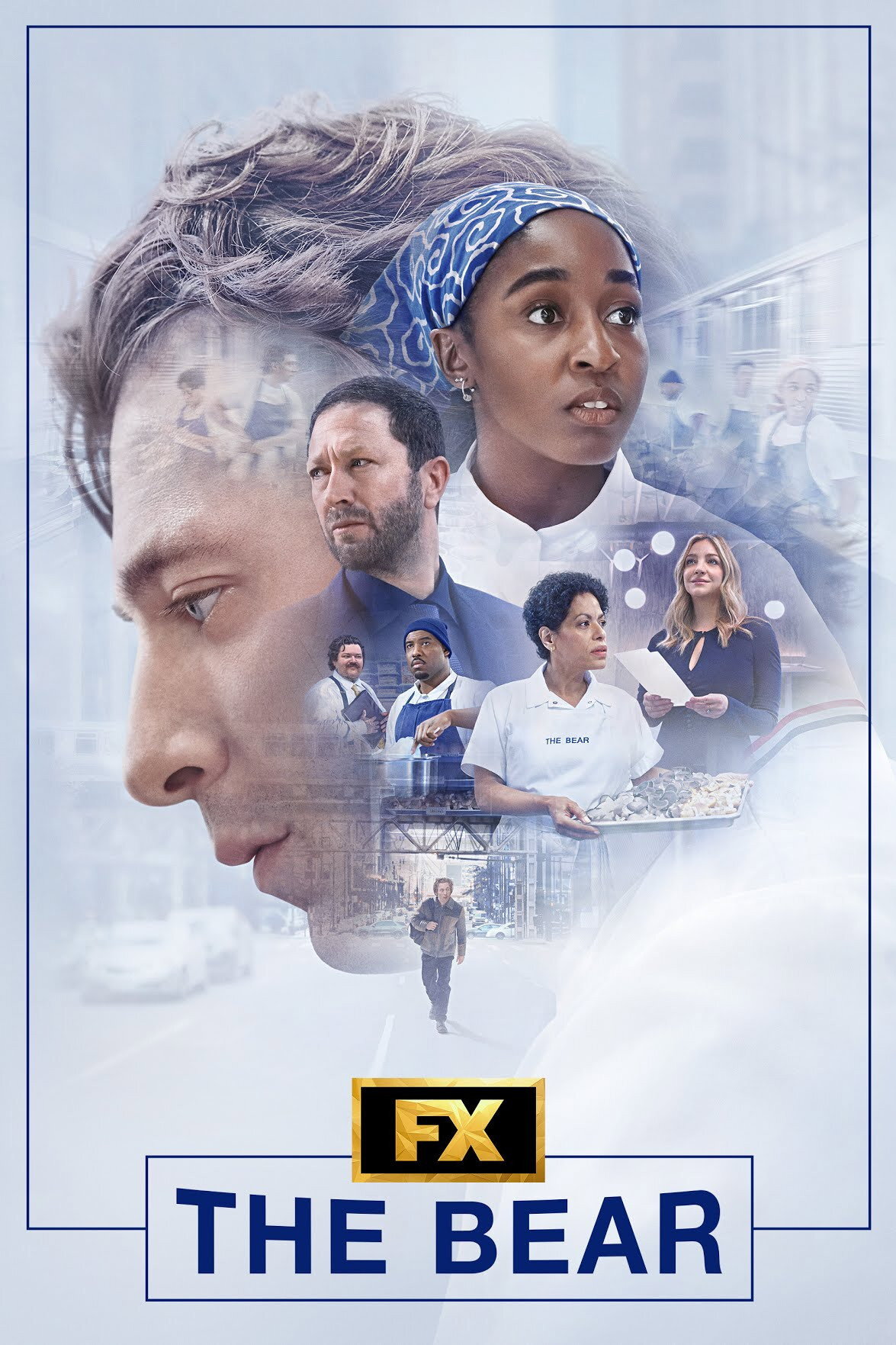
The Bear2022
A kitchen drama that captures the sensory chaos and precision of cooking under pressure, with characters who live food in their bones. It's tense, human, and visually ravishing.
But The first season is loud and deliberately claustrophobic. If you want calm meditation on food, this will stress you out.
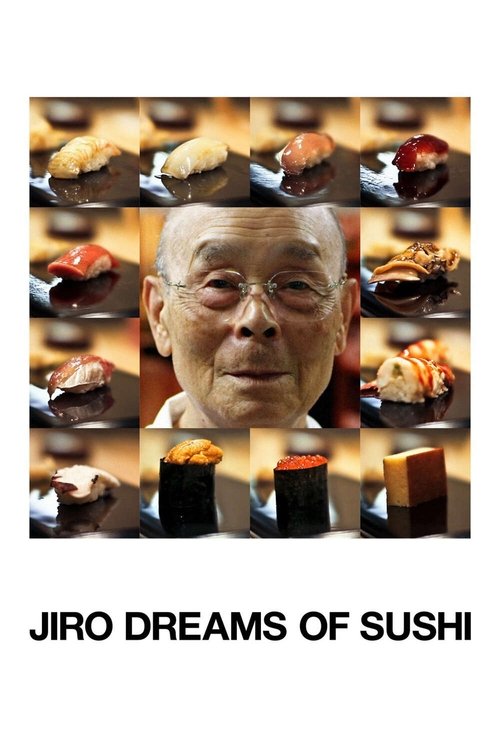
Jiro Dreams of Sushi2011
A hypnotic portrait of mastery and obsession, following an 85-year-old sushi chef's relentless pursuit of perfection. It transforms a meal into something approaching art.
But It moves slowly and repeats ideas. If you need plot momentum or don't care about Japanese craftsmanship, it'll feel static.
Not sure tonight? Get a pick in a minute, starting from Cooked
The wildcard
Something you would not have found on your own.
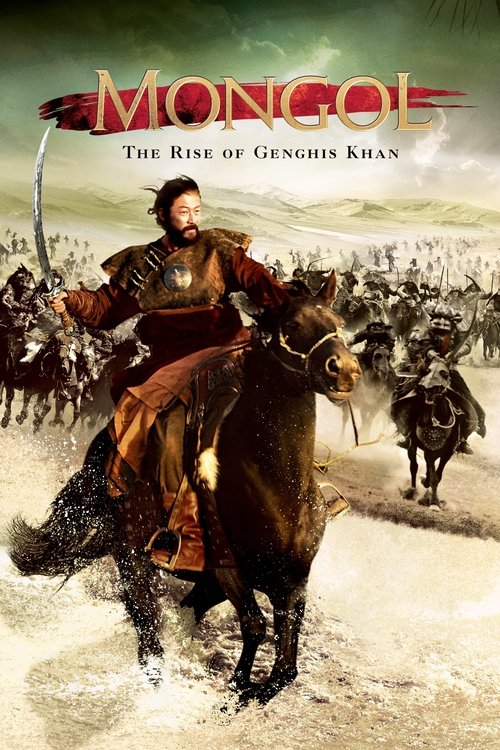
Mongol: The Rise of Genghis Khan2007
Both explore how fundamental human activities—cooking, conquest—reshape entire worlds. The mechanics of transformation as history.
An epic about empire built through appetite—conquest as hunger. Fire, movement, the transformation of raw into power. A wildly different medium that answers the same question Pollan asks about how civilization moves through the stomach.
But It's a Russian-Kazakh production in subtitled Mongolian. If you want accessibility, this demands patience. It's also violent and doesn't glamorize conquest.
More like this (4)
Food, Inc.2008
An essential investigation into industrial agriculture and where your food actually comes from. It's angry in the right way and changes how you think about eating.
But It's more polemic than exploration. Some arguments feel dated now, and the tone is relentlessly grim.
The Mind of a Chef2012
David Chang explores the philosophy behind cooking with genuine intellectual curiosity, moving between his restaurant, travels, and conversations with other creative people.
But It's uneven—some episodes land harder than others. Occasionally it mistakes introspection for insight.
High Score2020
A culinary competition that actually respects the contestants as artists and thinkers, not just technicians. The challenges matter and the judges understand cooking.
But Competition shows demand manufactured drama. This one has less of it than most, which some will find slow.
The Death of Stalin2017
Both are about transformation and the structures—political, chemical, social—that determine what becomes what. Pollan asks how fire shapes bread. Armando Iannucci asks how ideology shapes a nation.
A bitter, hilarious satire about power and its rituals, told through a society obsessed with maintaining order and appearance. Shot in black and white with ferocious energy.
But Soviet bureaucratic comedy is an acquired taste. If you don't find grim absurdism funny, this will just seem bleak and unfunny.
People
Cast
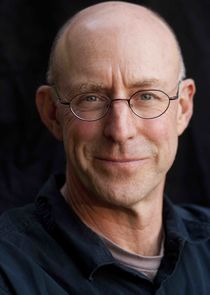 Michael PollanHost
Writing
- Alex GibneyCreator
- Michael PollanCreator
Recommended by
Salt Fat Acid Heat, Ugly Delicious, Spinning Plates, The Mind of a Chef, Gordon Ramsay: Uncharted, BBQ Pitmasters, Bake Off: The Professionals, Eating You Alive, The Final Table, Milk Street Television, Ingredients, Bake Squad