Television series
The Final Table
A high-stakes culinary tournament where duos of world-class chefs compete across nine cuisines, each episode set in a different country with its finest culinary talents judging. It's prestige food television with genuine stakes—tense, beautifully shot, and built on the premise that cooking itself is a language that transcends borders. For viewers who love watching experts at the absolute top of their craft.
Should you watch it?
Watch it if you enjoy competition shows where the pleasure is in watching skilled cooks chase a single prize across a sprawl of national cuisines, with the travelogue of each country doing as much work as the cooking itself.
Skip it if you want a tight, character-driven kitchen drama or sharp, cutting judging; this is glossy, upbeat and fairly polished, with the rivalries kept light and the stakes more pageant than pressure.
What it asks of you: Ten episodes of roughly fifty minutes each, paced like a travel-and-tasting trip rather than a race, so it rewards settling in and letting one country's food arrive before the next begins.
Not sure? Find tonight's pick in a minute.
If you liked this
Chef's Table2015
Gorgeously cinematographed deep dives into the philosophy and artistry of individual chefs at the world's best restaurants. Each episode is a meditation on a life's work, not just a competition.
But Deliberately paced and introspective—if you want adrenaline and elimination drama, you won't find it here. Some episodes are slow.
Iron Chef1993
The foundational template: secret ingredients, time pressure, expert judges, and chefs who are celebrities in their own right. Pure competitive cooking joy with style and showmanship baked in.
But The original Japanese version has dated production values and a very different energy than modern competition TV. Some find the format repetitive.
The Taste2013
Four elite chefs leading teams through blind-tasting challenges that focus on pure flavor and technique. Intimate, fast-paced, and genuinely unpredictable because you can't see your way to victory.
But Short-lived and feels hurried by comparison. The blind format sometimes obscures the cooking craft you actually want to see.
Not sure tonight? Get a pick in a minute, starting from The Final Table
The wildcard
Something you would not have found on your own.
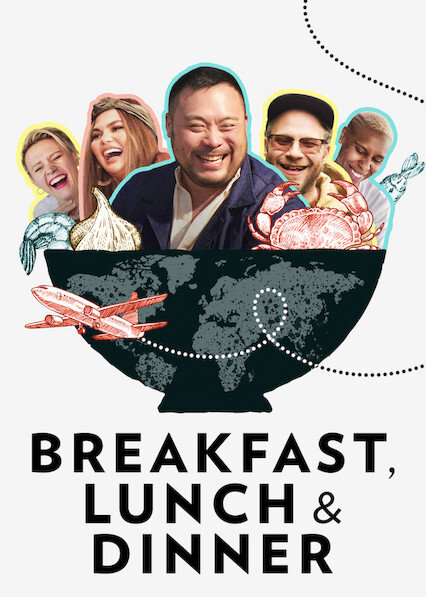
Breakfast, Lunch & Dinner2019
Both are globally minded food television that respects chefs as artists, but where The Final Table builds drama through competition, this builds it through genuine human curiosity and no stakes at all—the inverse energy.
Alton Brown travels with three different chefs to a single city, cooking one meal each. Loose, intimate, focused on conversation and discovery rather than pressure. You get to see world-class chefs relaxed and thinking out loud.
But Minimal structure and no stakes. If you want competitive tension or elimination drama, this is purely about the pleasure of eating and talking.
More like this (6)
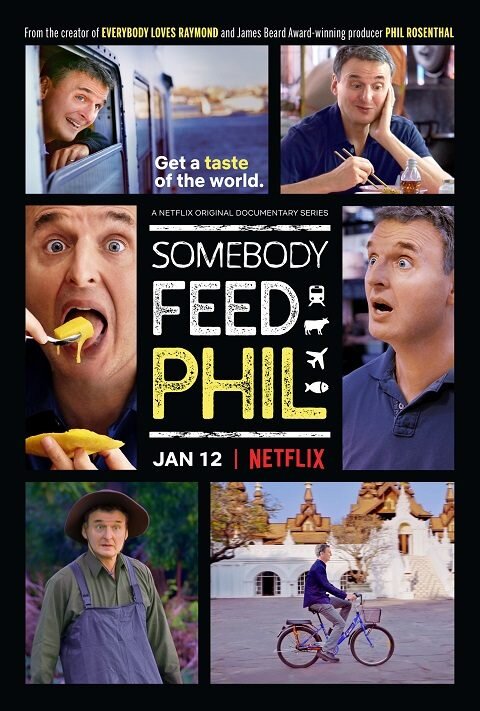
Somebody Feed Phil2018
Phil Rosenthal travels the world eating, talking to local chefs, and celebrating how food connects people across cultures. Joyful, warm, and genuinely curious rather than competitive.
But No stakes, no drama, no elimination—if you're watching for tension, this is a completely different rhythm. Some find it meandering.
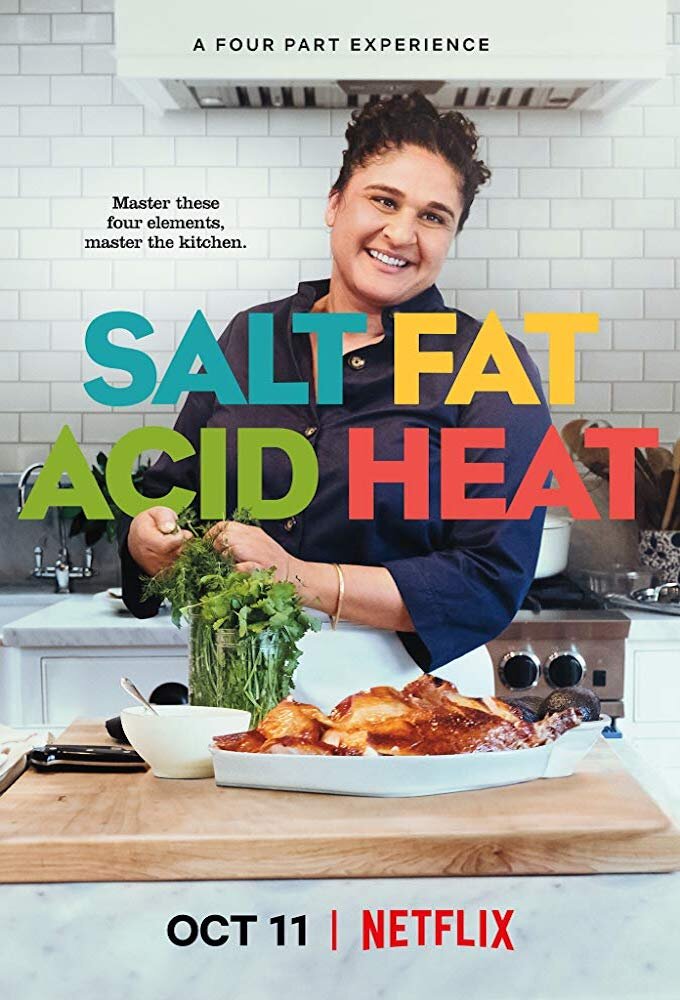
Salt Fat Acid Heat2018
Samin Nosrat demystifies cooking fundamentals by traveling and cooking with people worldwide. Exuberant, educational, and infectious in its love for the craft.
But Not a competition format at all—it's a masterclass with wanderlust. Some viewers find the teaching approach too elementary.
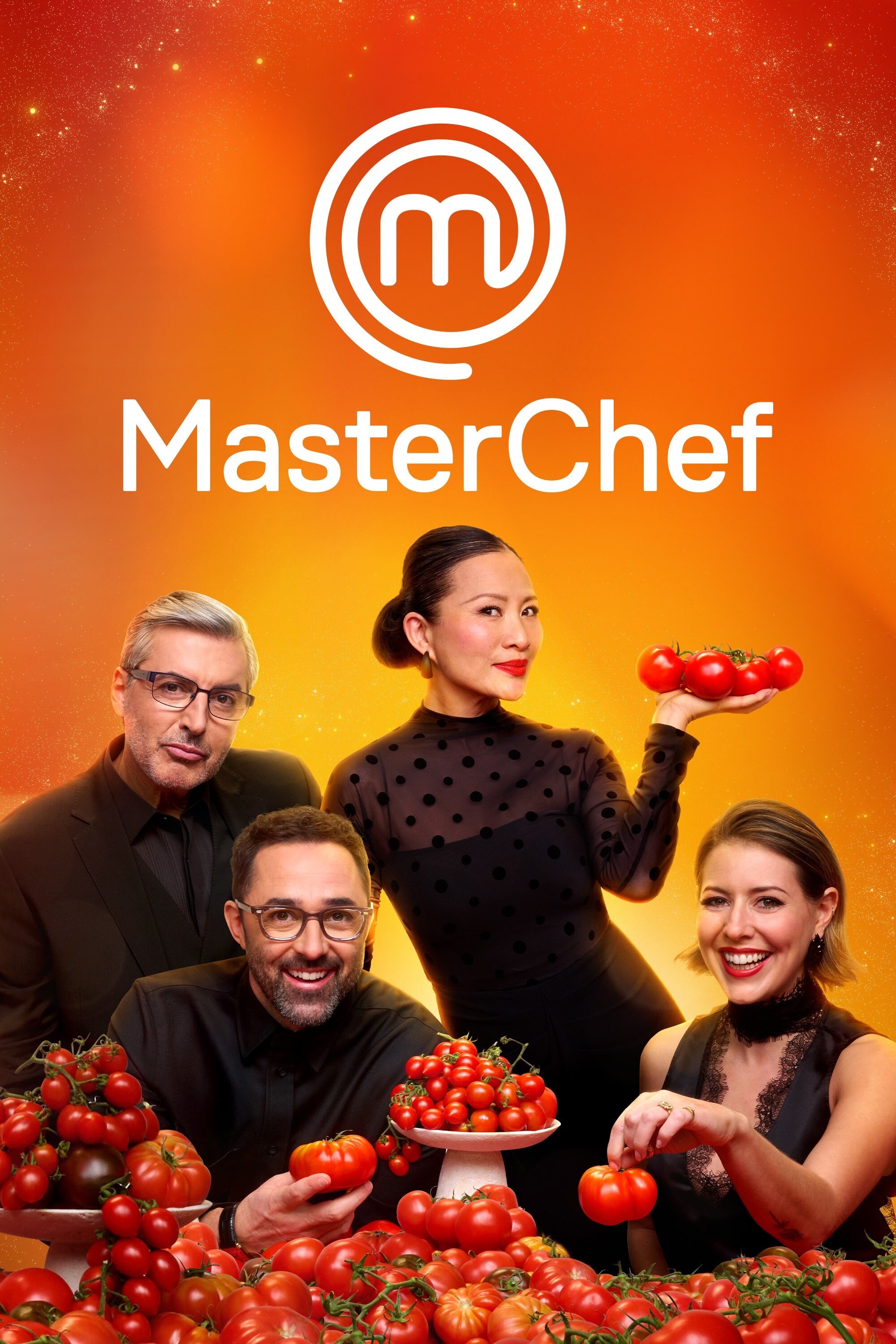
MasterChef Australia2009
Warm-hearted competition with genuine emotional depth. Contestants are amateurs with real dreams, judges are generous, and the cooking is taken seriously without cruelty.
But Long seasons that can feel repetitive. The tone is so wholesome it occasionally lacks edge or real jeopardy.
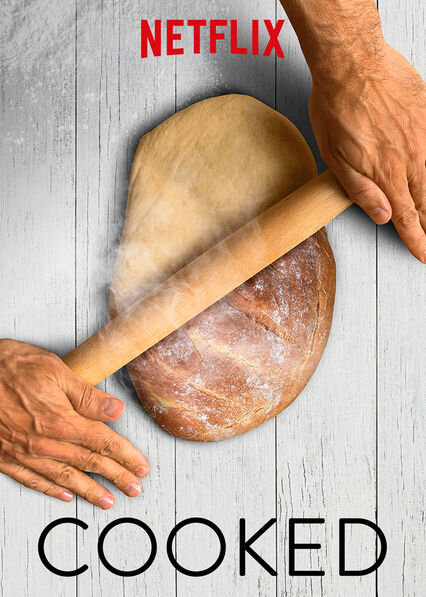
Cooked2016
Michael Pollan explores how cooking fire, water, air, and earth—with chefs and home cooks worldwide. Intellectually generous and filmed beautifully.
But Essayistic and meditative rather than dramatic. Some find it academic, and there's no competition arc to propel you forward.
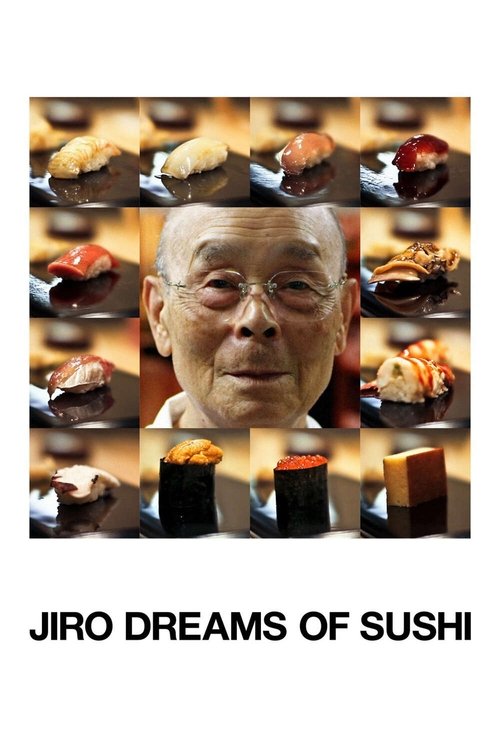
Jiro Dreams of Sushi2011
Where The Final Table celebrates versatility across cuisines, this is the opposite: one cuisine, one technique, one human being's entire life. Both are about excellence, but this asks what happens when excellence becomes the only thing.
A documentary portrait of an 85-year-old sushi master pursuing perfection in a ten-seat Tokyo restaurant. Meditative, precise, obsessive. A masterclass in how someone can spend a lifetime refining one thing.
But Very slow, very quiet, entirely focused on one man and his craft. No drama, no conflict, no arc—just daily work toward invisibly small improvements.
Godfather of Harlem2019
The Final Table is about competition, hierarchy, and the ruthlessness required to reach the top. This takes that exact structure—who rises, who falls, who survives—and moves it into crime, testing whether the same tension works when the stakes are lethal instead of culinary. It's the dark mirror.
Ving Rhames as a kingpin running an illegal enterprise in 1960s Harlem. Beautifully made crime drama with real violence, moral complexity, and a protagonist you shouldn't root for but do anyway.
But Zero food content. It has nothing to do with cooking except that both involve precision, timing, and consequences. You have to trust the connection.