Television series
Milk Street Television
- Light-hearted
- Dip in and out
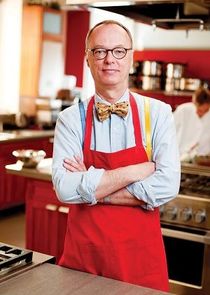
Milk Street Television strips cooking down to fundamentals: bold flavors, simple technique, global inspiration. Christopher Kimball leads a team hunting for smart shortcuts and recipes that actually work at home, not on television. It's practical without pretension, energetic without bombast. For people who want to cook better but don't have time for fussy food television.
If you liked this
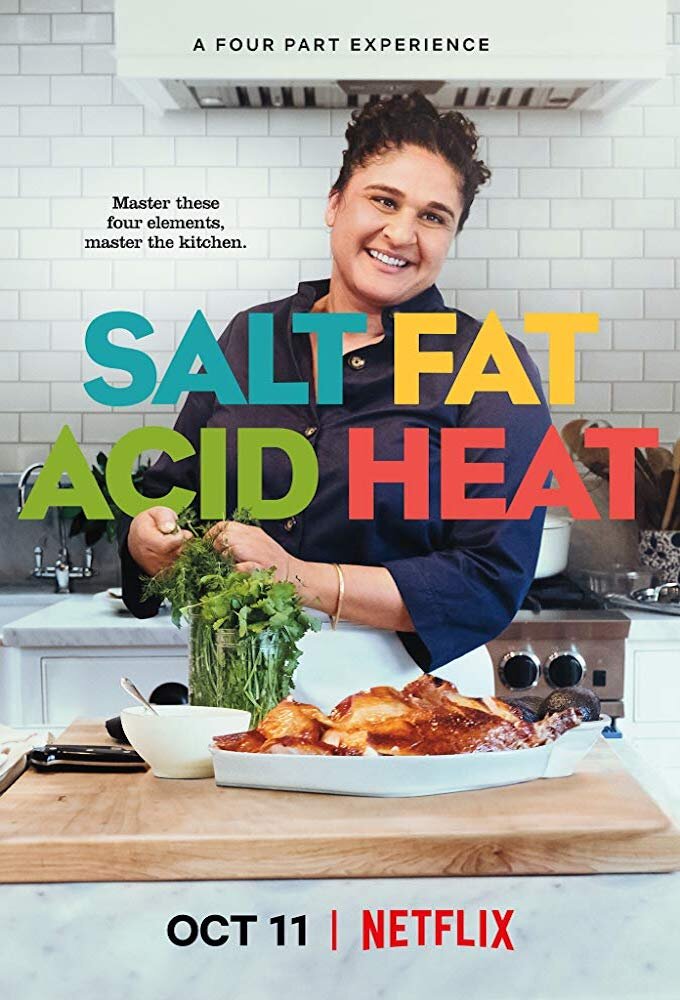
Salt Fat Acid Heat2018
Samin Nosrat makes cooking science visual and joyful, teaching you to think like a chef rather than follow recipes. It's the clearest food education on television.
But If you want to cook a specific dish tonight, this teaches principles instead. Some find her pacing slow.
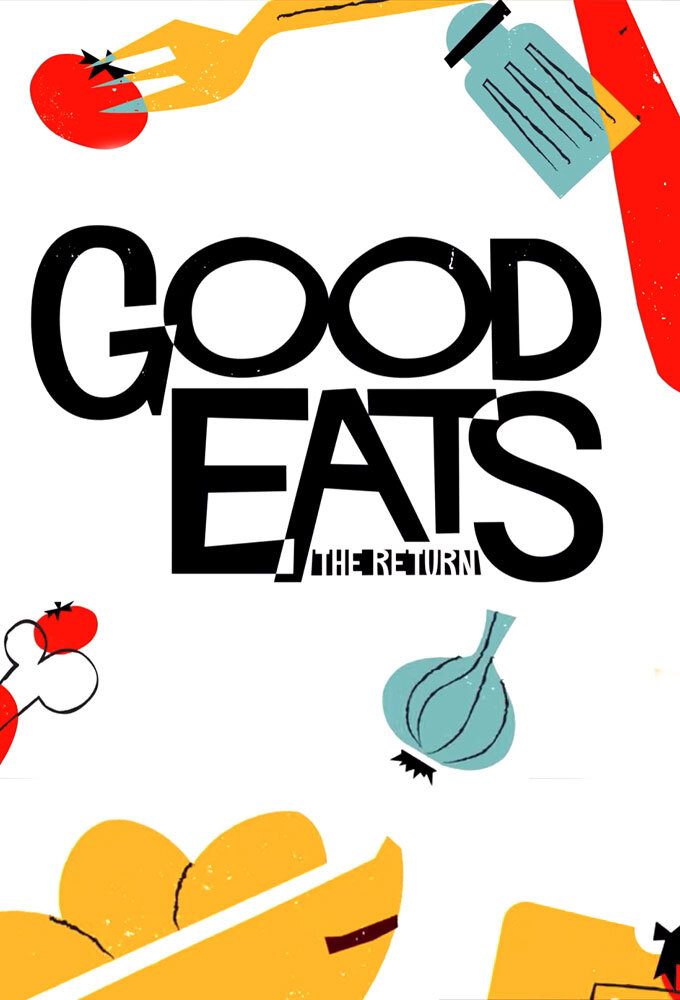
Good Eats1999
Alton Brown built food television on the same foundation: demystify technique, explain the why, make it fun. This is the prototype done brilliantly, with genuine personality.
But The 2000s production values and jokes feel dated. There are a *lot* of episodes to sort through.
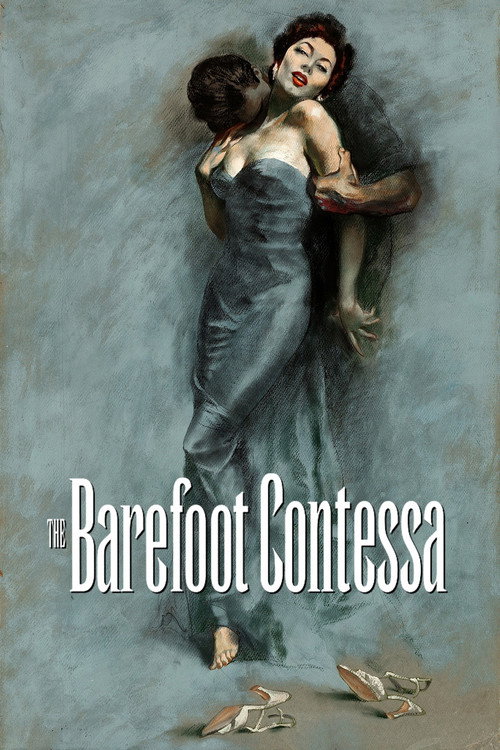
The Barefoot Contessa1954
Ina Garten shares Milk Street's belief in simplicity and flavor over flash. Elegant food that doesn't require a culinary degree, cooked with real ingredients and actual confidence.
But She assumes your life is already organized and serene. The tone is more formal than Milk Street's urgency.
Not sure tonight? Get a pick in a minute, starting from Milk Street Television
The wildcard
Something you would not have found on your own.
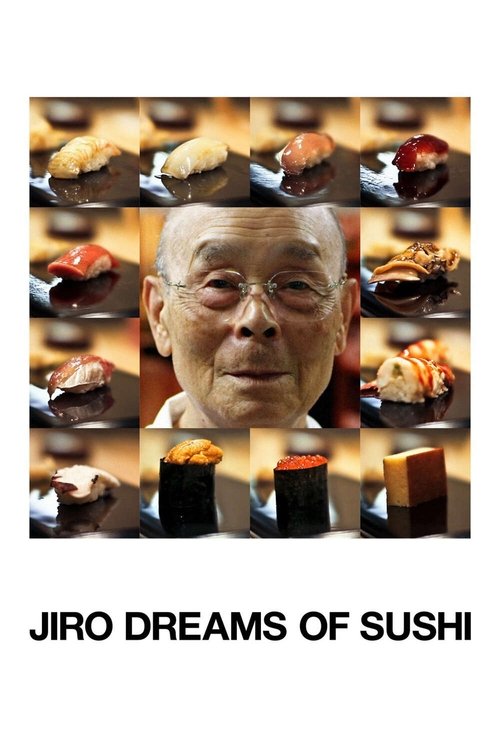
Jiro Dreams of Sushi2011
Opposite register—Milk Street is brisk and democratic; this is meditative and austere—but both believe that technique and respect for ingredients are the whole story.
A meditation on precision, repetition, and the pursuit of simple perfection. It's less about sushi and more about what mastery actually looks like.
But Very slow, reverent, and Japanese. Some find it hypnotic; others find it pretentious about rice.
More like this (3)
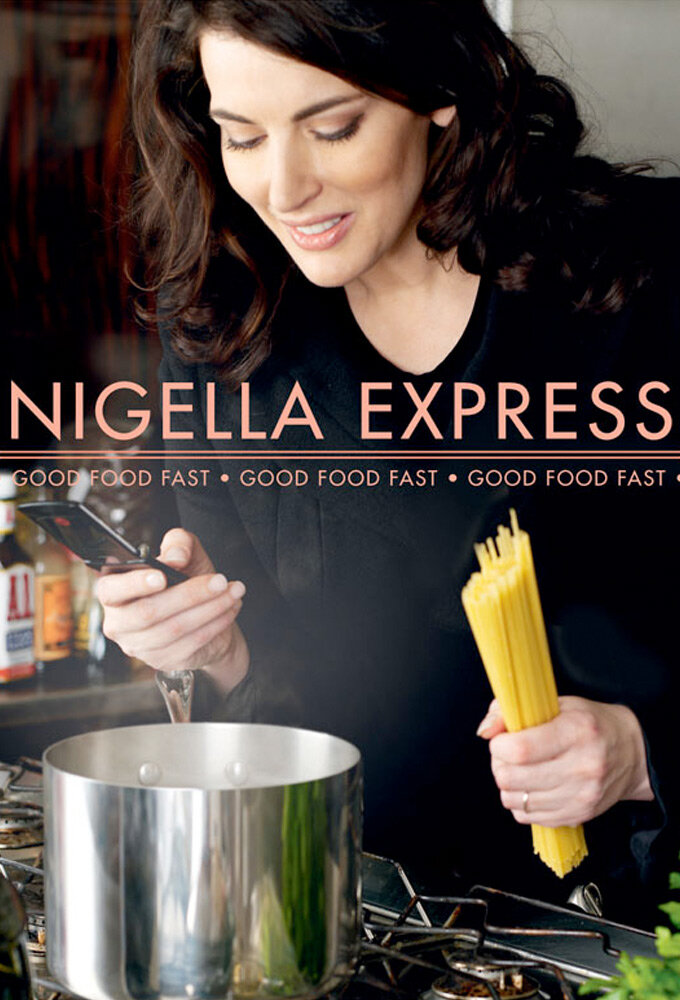
Nigella Express2007
Quick recipes that taste like real food, not shortcuts. Nigella's philosophy matches Milk Street's: cooking should be pleasurable and actually fit into your life.
But Lighter on technique and more focused on comfort. If you want to understand *why* things work, you won't find it here.
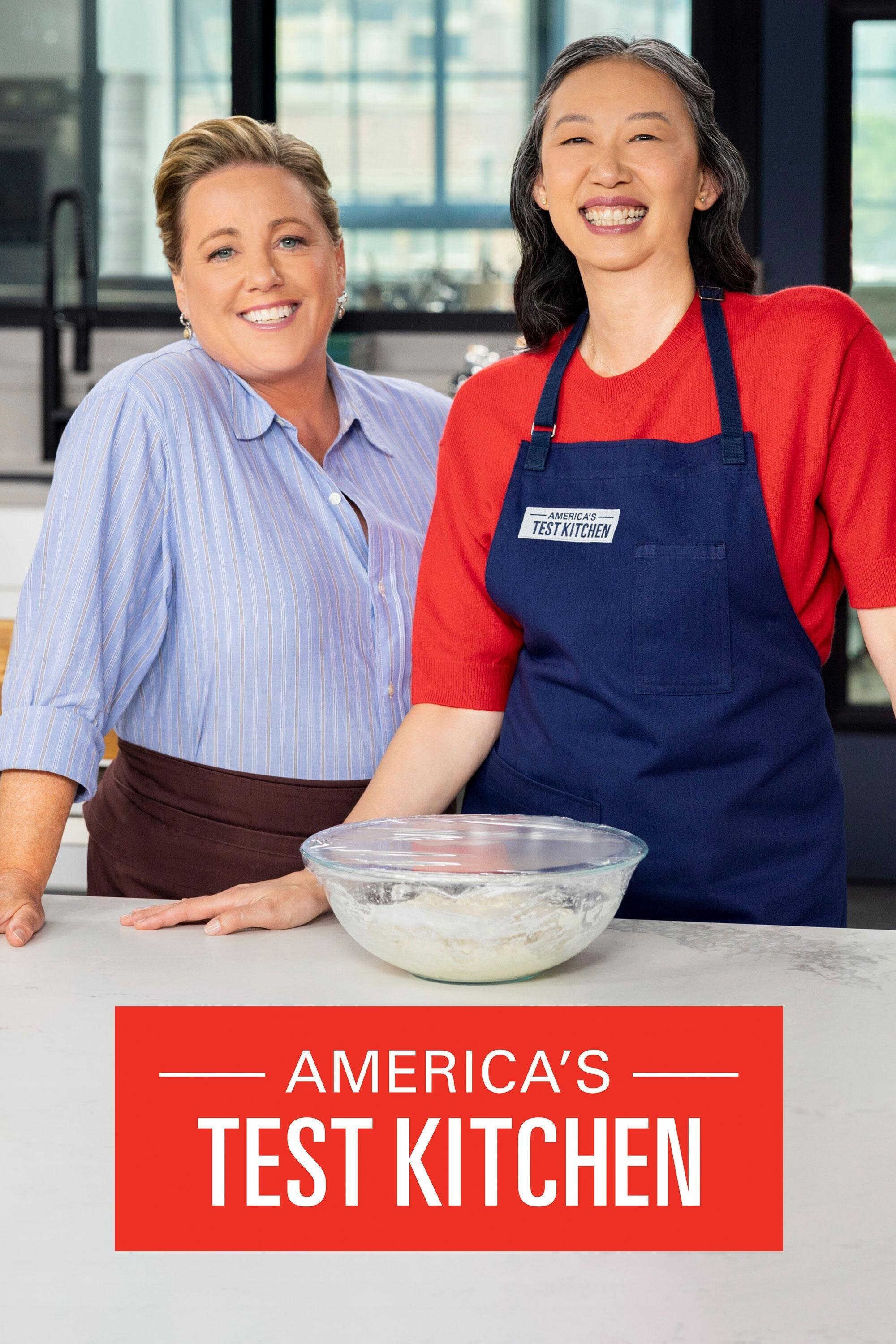
America's Test Kitchen2001
Obsessive recipe testing producing foolproof results. The same DNA as Milk Street—practical, reproducible cooking that respects your time and ingredients.
But The structure is repetitive: problem, test, solution. It can feel more like a lab than a show.
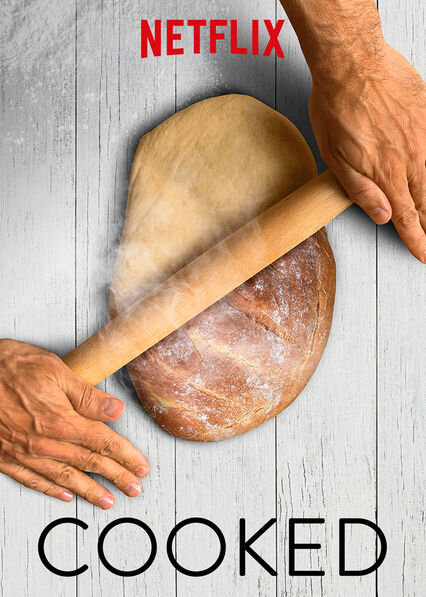
Cooked2016
Where Milk Street teaches you to cook better, this teaches you *why* cooking matters. Same reverence for fundamentals, different altitude.
Michael Pollan explores four techniques—fire, water, air, earth—as lenses on how cooking shaped human civilization. Beautiful, intellectually generous, and makes you understand your stove differently.
But It's anthropology and philosophy, not a cooking class. No recipes, no test kitchens, no urgency.