
Film
Mongol: The Rise of Genghis Khan
Sergei Bodrov's epic follows Temüjin's rise from enslaved outsider to Genghis Khan, tracing his transformation across the Mongol steppes. Shot in sweeping landscapes with visceral battle sequences, it's a character study wrapped in conquest mythology—how betrayal, loss, and ambition forge an empire. For those hungry for historical spectacle with genuine emotional weight.
Should you watch it?
Watch it if you enjoy sweeping historical epics built on bleak landscapes, stark silences and loyalty tested by hardship, where the drama lives in a few long, weathered faces rather than in dialogue.
Skip it if you want brisk plotting and constant incident, since it moves at a patient, deliberate pace and its violence is weighty and unhurried rather than kinetic.
What it asks of you: Roughly two hours of unhurried attention, with long wide shots of steppe and quiet stretches between its sharper, harder bursts of conflict.
Not sure? Find tonight's pick in a minute.
If you liked this
Braveheart1995
Mel Gibson directs and stars in another epic about a warrior uniting scattered clans against imperial oppression. The scale, the violence, the personal tragedy driving political transformation—all familiar territory explored with blockbuster conviction.
But By modern standards it's cartoonishly jingoistic and the historical accuracy is ornamental at best. Some scenes haven't aged gracefully.
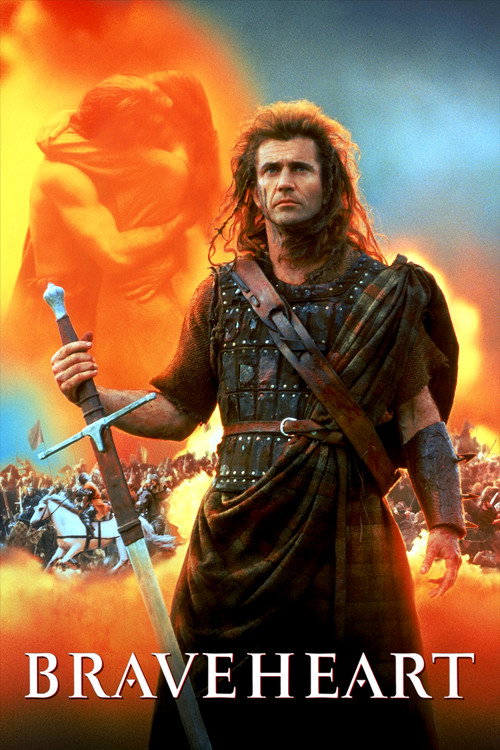
The Last Temptation of Christ1988
Scorsese examines a man becoming a legend through spiritual transformation. Like Mongol, it's fascinated by the gap between human vulnerability and mythic status, using intimate scenes to complicate heroic narratives.
But It's deliberately provocative and divisive in its interpretation of Christ. Three hours of theological debate masquerading as drama—not an action film at all.
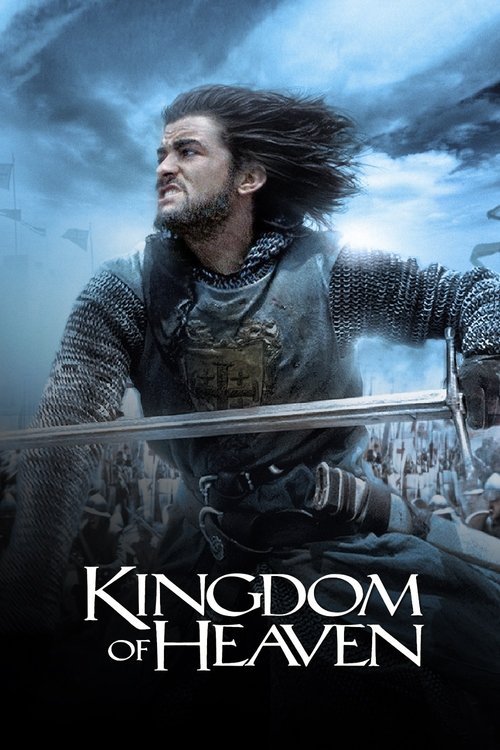
Kingdom of Heaven2005
Ridley Scott's director's cut is a sweeping meditation on how idealistic men navigate brutal empires. The cinematography matches Mongol's visual grandeur, and both explore duty, faith, and the cost of leadership.
But The theatrical cut is a mess; you need the three-hour restoration. Even then it's more introspective than kinetic, and some find it slow.
Not sure tonight? Get a pick in a minute, starting from Mongol: The Rise of Genghis Khan
The wildcard
Something you would not have found on your own.
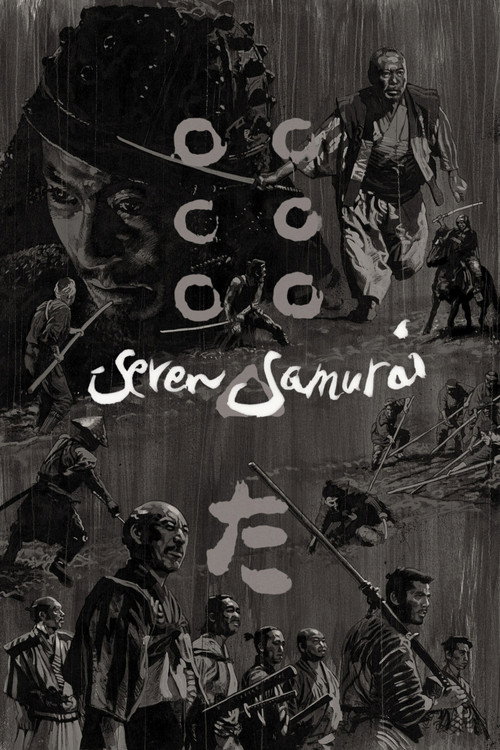
Seven Samurai1954
Both are epics about outsiders uniting disparate groups through force and character, exploring whether ambition can be moral or if greatness always demands sacrifice.
Kurosawa's masterpiece about seven masterless warriors hired to defend a village prefigures Mongol's central question: how do men of violence find purpose beyond conquest? The black-and-white cinematography and rain-soaked battles are as powerful as Bodrov's color and scale, just opposite in technique. Both films understand that leadership emerges from having already lost everything.
But At 207 minutes it demands patience. The pacing is deliberate, the dialogue matters, and if you need constant action momentum you'll feel stranded.
More like this (6)
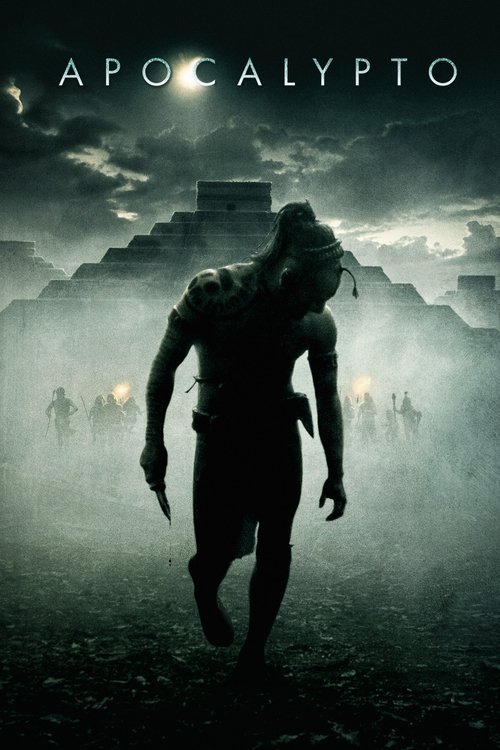
Apocalypto2006
A visceral action film about uprising and conquest told from the perspective of the dispossessed. Like Mongol, it uses landscape and violence as moral language, not spectacle for its own sake.
But Mel Gibson made it and the Maya civilization portrayed here is historically questionable. The relentless brutality exhausts some viewers.
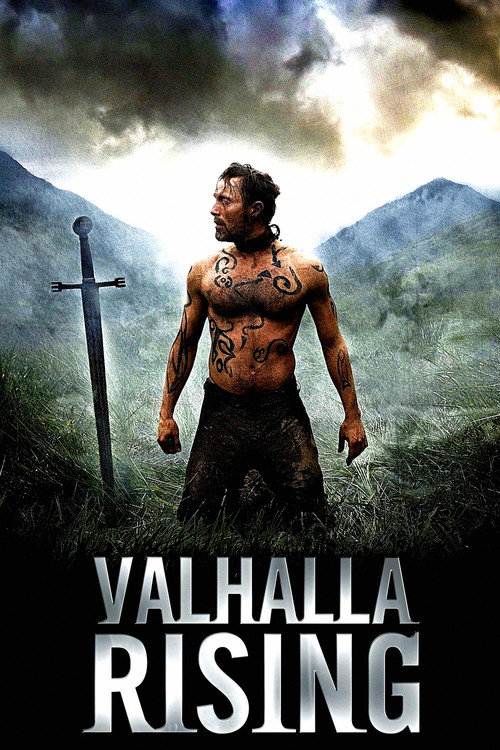
Valhalla Rising2010
Nicolas Winding Refn crafts a journey across hostile terrain that's more myth than biography. Tadanobu Asano stars; the film shares Mongol's interest in how violence shapes consciousness and destiny.
But It's deliberately obscure and meditative. If you want narrative clarity and conventional plotting, this will frustrate you intensely.
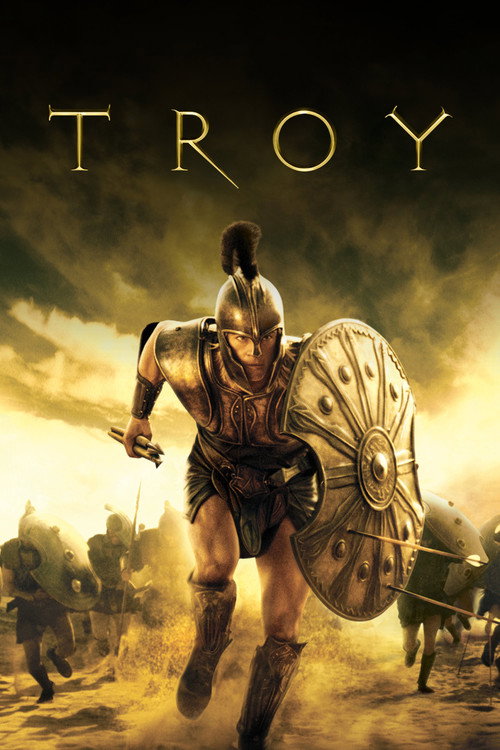
Troy2004
An ensemble war epic with impressive battle choreography and a similar blend of personal vendetta and historical sweep. Both films treat ancient conflict with operatic seriousness.
But It's overlong and Peter O'Toole aside, the acting is often wooden. The script mistakes talking about honor for exploring it.
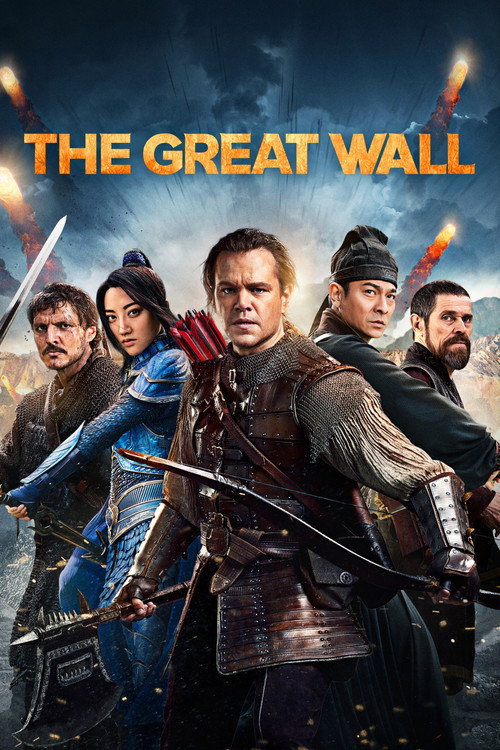
The Great Wall2016
Zhang Yimou's action spectacle is set in China and features Mongol-adjacent history. Gorgeous widescreen composition and ambitious set-pieces if you want more steppe-era conflict filmmaking.
But Matt Damon's presence feels incongruous and the plot is thin. Critics dismissed it as expensive and hollow, which isn't entirely wrong.
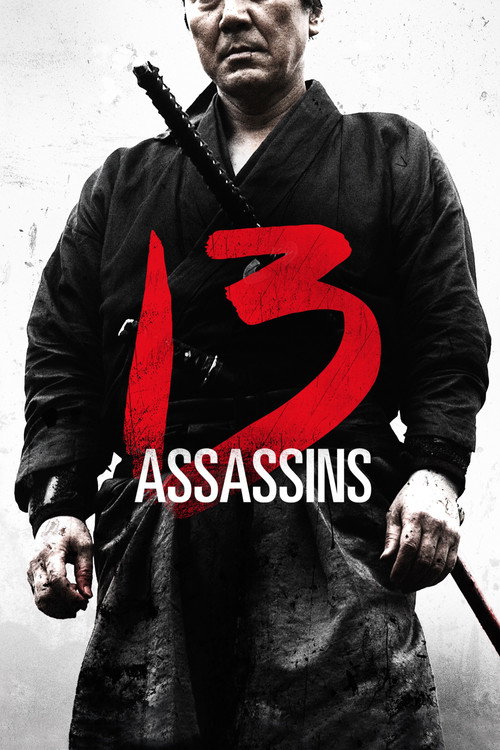
13 Assassins2010
Masaki Kobayashi's samurai epic shows how a band of outsiders organize to challenge imperial power. The siege finale rivals anything in Mongol for tactical ingenuity and human stakes.
But It's a slow build to violence; the first hour is deliberate conversation. The Japanese setting might feel distant if you're seeking steppe nomad authenticity.
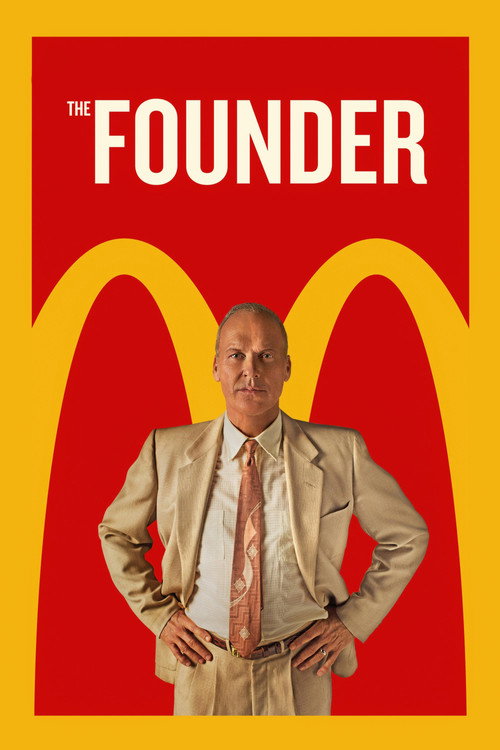
The Founder2016
Michael Keaton plays Ray Kroc's ruthless ascent from nothing to empire. Both films track how singular ambition steamrolls everything human in its path, though this one replaces swords with franchising.
But It's fundamentally about fast-food business mechanics. If you need historical scale and military grandeur, this American story will feel small and mercenary.
People
Cast
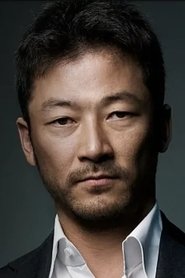 Tadanobu AsanoGenghis Khan / Temüjin
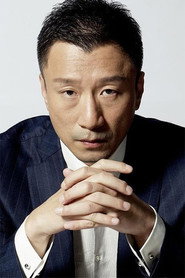 Sun HongleiJamukha
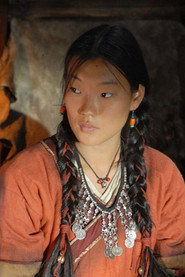 Khulan ChuluunBorte
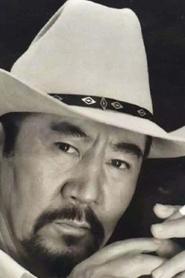 Baasanjav MijidEsugei
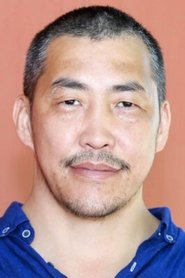 Amadu MamadakovTargutai
- He QiDai-Sechen
- Ben Hon SunMonk
- Ji Ri Mu TuBoorchu
- You ErSorgan-Shira
- Huntun BatuAltan
- Deng Ba Te ErDaritai
- Bao DiTodoen
Directing
- Sergei BodrovDirector
- Gulmira KarchalovaScript Supervisor
- Gulshat OmarovaSecond Unit Director
Writing
- Sergei BodrovScreenplay
- Arif AlievWriter
Production
- Gulshat OmarovaCasting
- Han Wei BiaoCasting
- Ui Ri Ji TuCasting
- Max WangLine Producer
- Gau Ming KuLocation Manager
- Wan DingLocation Manager
- Alec SchulmannProducer
- Anton MelnikProducer
- Bob BerneyProducer
- Manuela StehrProducer
- Marcos KantisProducer
- Sergei BodrovProducer
- Sergei SelyanovProducer
- Stefan ArndtProducer
- Ulli NeumannProducer