
Film
The Future of Food
A 2004 documentary examining how genetically modified crops have reshaped American agriculture, food systems, and the relationship between farmers, corporations, and government. Methodical and urgent, it presents interviews with farmers, scientists, and activists to ask unsettling questions about what's on our plates and who controls it. Essential viewing for anyone who eats.
If you liked this
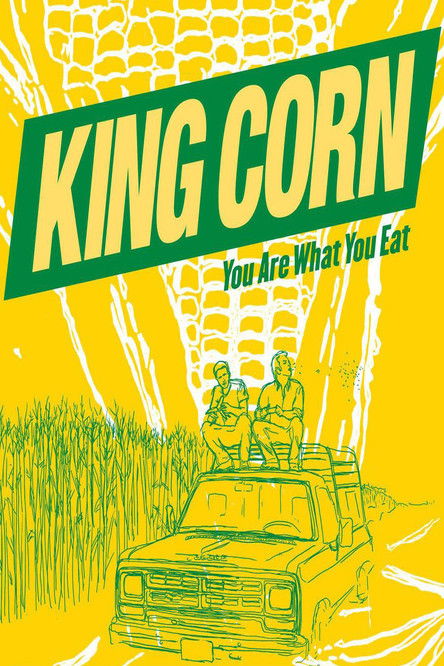
King Corn2007
Two filmmakers grow an acre of corn and follow it through industrial agriculture to discover how this single crop dominates our food supply and subsidies. Funnier and more intimate than it sounds, with real affection for the farmers they meet.
But It's slower than a thriller and doesn't offer easy solutions. Some viewers find the pacing digressive, especially in the middle sections.
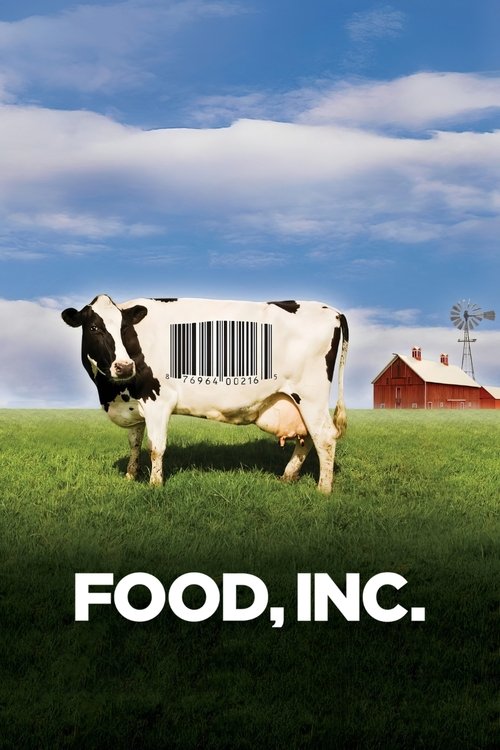
Food, Inc.2008
Robert Kenner's doc is slicker and more urgent than The Future of Food, building a clearer case about meat and dairy production. It connects corporate consolidation to environmental and health crises with clarity and momentum.
But The production values and celebrity involvement can feel like it's selling you something, just with better intentions. Some segments rely on shock value rather than nuance.
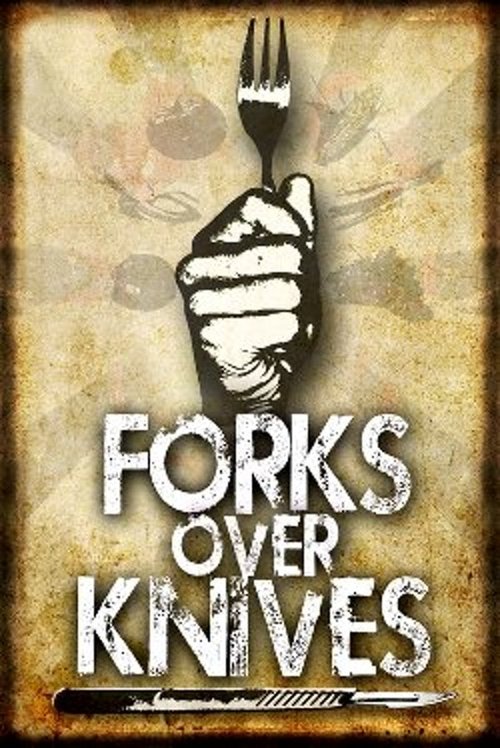
Forks Over Knives2011
Documentary that argues for plant-based eating using epidemiology and long-term health studies. Visually inventive and energetic, it pairs scientific rigor with genuine passion for preventing disease through diet.
But The advocacy can feel preachy, and some of its nutritional claims are more contested among experts than the film acknowledges. It's also firmly about solutions, not just problems.
Not sure tonight? Get a pick in a minute, starting from The Future of Food
The wildcard
Something you would not have found on your own.
Stalker1979
Both are about the machinery of control—one industrial and visible, one psychological and systemic. Both suggest that the real problem isn't what we eat, but what we've agreed to want.
Andrei Tarkovsky's philosophical science-fiction meditation on desire, power, and what we're willing to sacrifice to get what we want. Glacially paced and hypnotic, it asks deeper questions about systems and control than any polemic can touch.
But It's 163 minutes of deliberately slow cinema with long takes and minimal plot. If you want investigation delivered at documentary pace, this will test your patience—it moves at the speed of thought.

More like this (7)
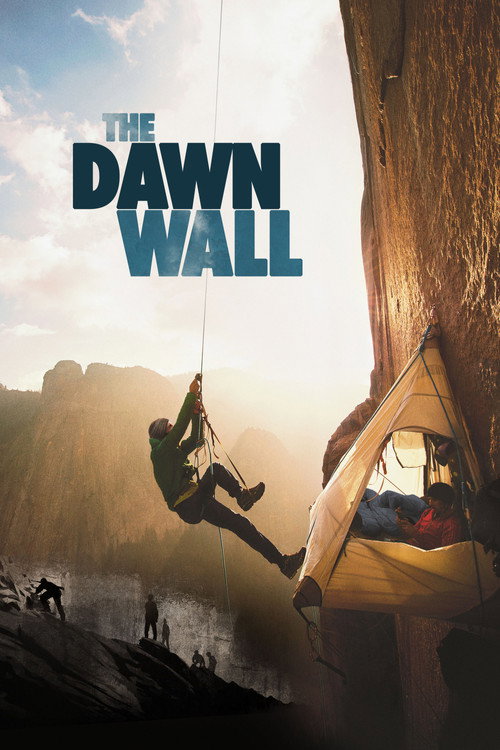
The Dawn Wall2017
Two climbers attempt an impossible free-climb of a granite face in Yosemite. Visually stunning and structurally gripping, it's a masterclass in documentary narrative about obsession and human limits.
But If heights make you physically uncomfortable, you will feel it. It's also fairly apolitical if you're seeking social critique rather than personal drama.
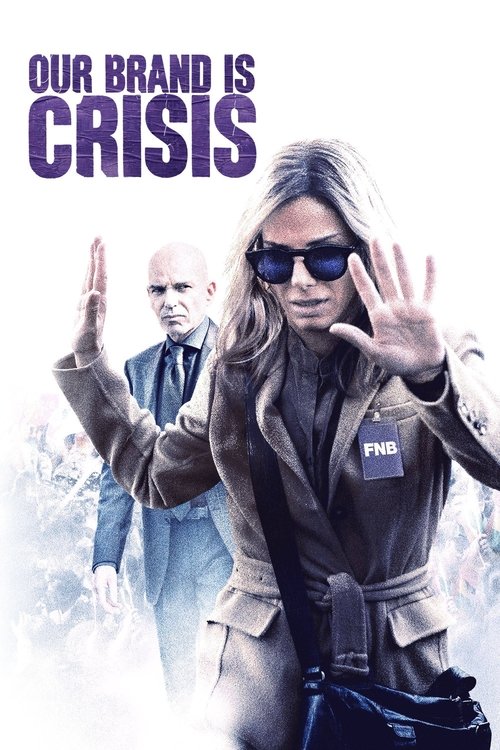
Our Brand Is Crisis2015
A political operative uses propaganda techniques to help win a Bolivian election. Sharp, darkly funny, and deeply cynical about how persuasion actually works in modern politics—a perfect tonal pair for questioning systems of power.
But It's relentlessly bleak and offers no redemptive arc. The tactics on display are disturbing, which is exactly the point, but some find that exhausting rather than clarifying.
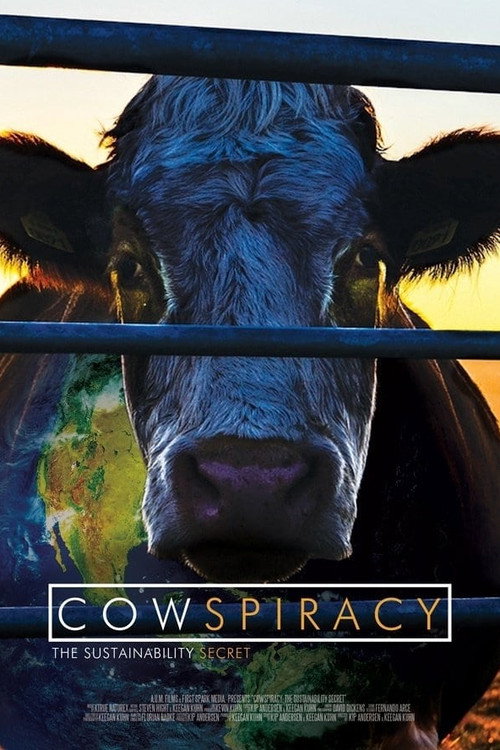
Cowspiracy: The Sustainability Secret2014
Environmental documentary arguing that animal agriculture is the leading cause of climate change and ecosystem collapse. Packed with statistics and interviews, it challenges assumptions about what environmentalism actually requires.
But The vegan advocacy is uncompromising and front-loaded. Critics argue some claims about agriculture's impact overstate the evidence, and the tone can feel like sermonizing.
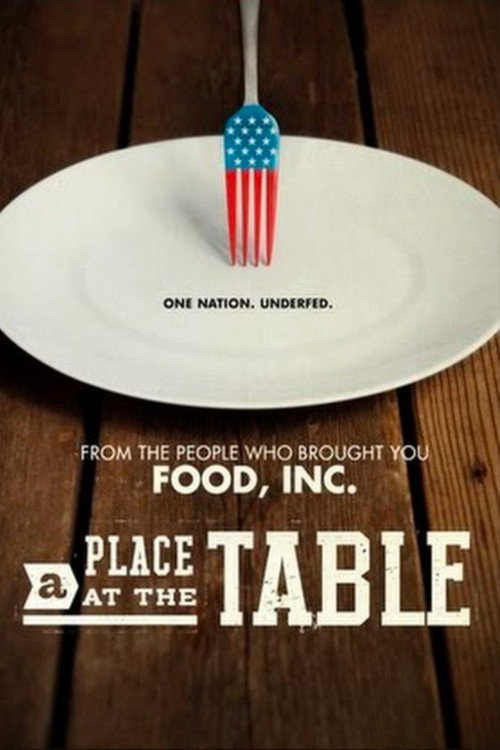
A Place at the Table2012
Documentary following three Americans living with food insecurity, connecting hunger to policy failures. Human-centered and unsentimental, it makes the economics of poverty and nutrition visceral and specific.
But It's quiet and observational rather than investigative. Some viewers want more analysis of systemic solutions and less time on individual stories.
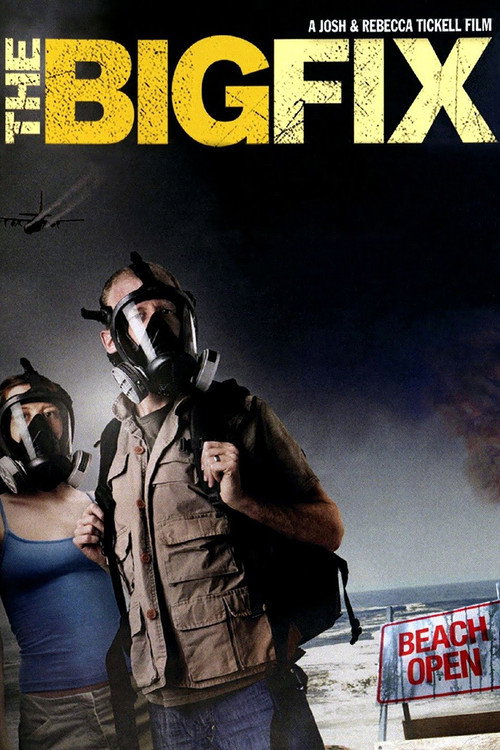
The Big Fix2011
Documentary about the BP oil spill and environmental deception in the Gulf. Exposes corporate influence over media, science, and cleanup narratives with investigative rigor and genuine anger.
But It's quite focused on one catastrophe and one corporation. If you're burned out on disaster narratives, it may feel like retreading familiar frustrations without offering exit routes.
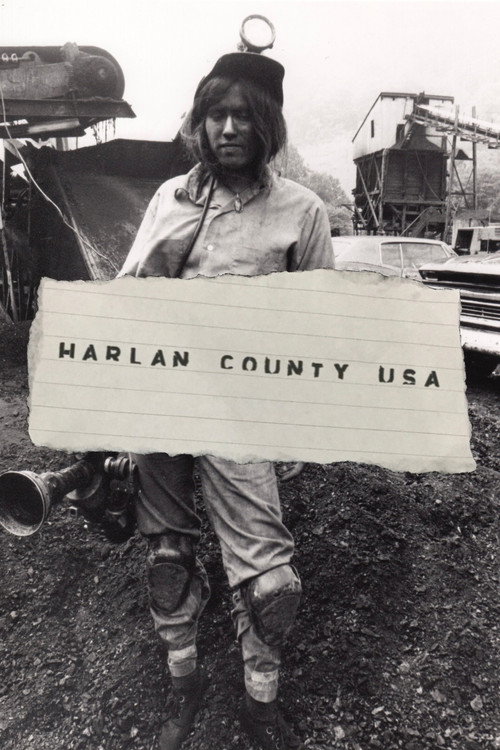
Harlan County U.S.A.1976
Both show how industry consolidates power over individuals and communities. Both trust viewers to recognize injustice without being told, and both suggest that institutional change requires sustained collective action.
Barbara Kopple's immersive documentary of a coal miners' strike in Kentucky. A masterpiece of observational cinema where filmmakers embed themselves in conflict and let community resistance unfold without narration or editorializing.
But It's deeply uncomfortable and sometimes frightening—corporate violence and intimidation are present and real. Solidarity songs repeat, the outcome is uncertain, and there's no neat resolution.
The Act of Killing2012
Both trace how systems normalize harm through repetition and acceptance. Both suggest that what we consume—violence, propaganda, products—becomes invisible through habituation. Both ask: how did we agree to this?
Joshua Oppenheimer's extraordinary documentary asks perpetrators of 1960s Indonesian mass murder to dramatize their killings. Surreal, haunting, and morally complex—it explores how propaganda and conformity allow ordinary people to commit atrocities.
But It's extremely difficult to watch: graphic, grotesque, and implicitly sympathetic to perpetrators in ways that feel morally queasy. Some viewers find the method itself ethically troubling, and it requires real stamina.
