
Film
The Big Fix
A sharp-eyed documentary about the 2010 BP oil disaster and the systemic failures that made it inevitable. Directors Joshua and Rebecca Tickell construct a furious, clear-eyed argument about corporate negligence, regulatory capture, and political cowardice. It's angry filmmaking in service of serious investigation—not content to assign blame, but determined to show *how* the system broke down and why nobody stopped it.
Should you watch it?
Watch it if you want a pointed, advocacy-style documentary about how money and politics shaped the Gulf oil spill, and you don't mind a film that argues its case openly rather than staying neutral.
Skip it if you want a balanced investigation or a visually immersive nature film; this one leans on talking heads and interviews, and its anger runs hot from start to finish.
What it asks of you: Around ninety minutes of mostly seated interviews and archival footage, with a steady, insistent pace and a serious, unhappy tone; it asks you to keep listening rather than to look.
Not sure? Find tonight's pick in a minute.
If you liked this
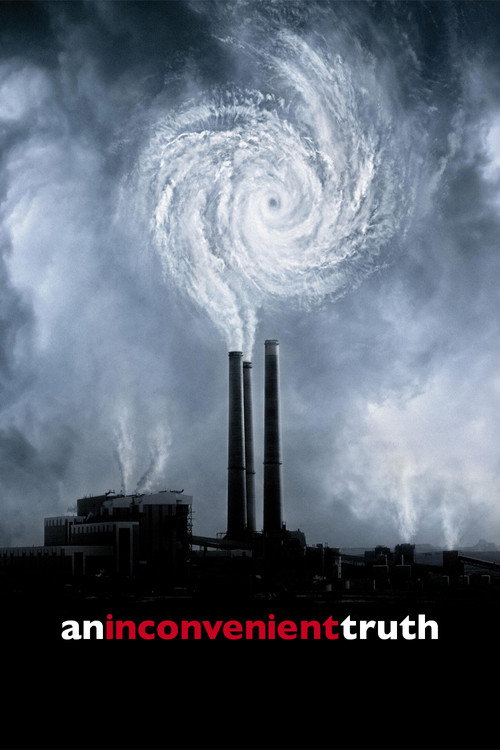
An Inconvenient Truth2006
Al Gore's presentation of climate science builds methodically toward genuine alarm. You'll understand the stakes even if you disagree with solutions. It's the template for issue-driven documentary advocacy.
But The filmmaking itself is fairly flat—essentially a lecture with graphics. Gore's moral certainty can feel didactic rather than persuasive to some viewers.
The Corporation2003
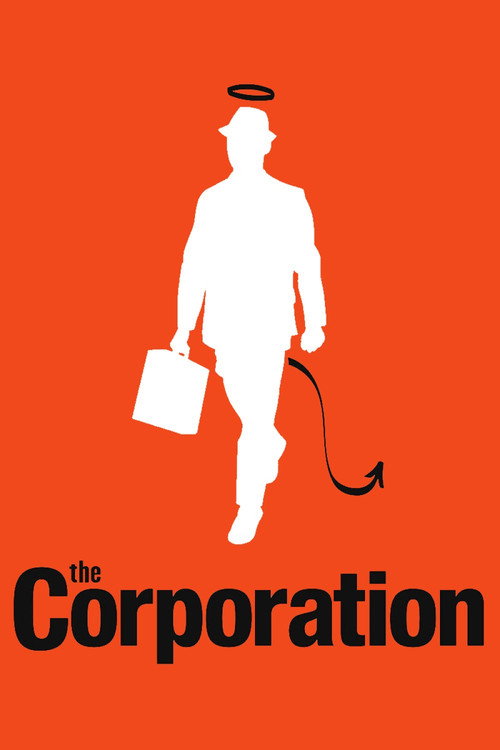
A meticulous dissection of how corporations became legal persons and what damage that fiction has enabled. Interviews with economists, activists, and corporate insiders build a powerful case about structural incentives toward harm.
But At nearly two and a half hours, it can feel like a textbook brought to life. The pacing is deliberately scholarly rather than cinematic.
Senna2010
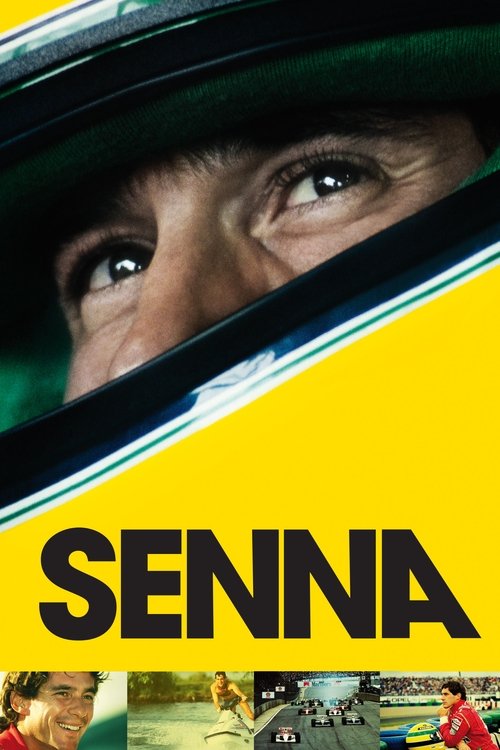
Oscar-winning documentary about Formula One driver Ayrton Senna uses archive footage brilliantly to trace ambition, rivalry, and the cost of excellence. Propulsive and human even if you don't care about racing.
But It's entirely composed of existing footage—no interviews, no narration. Some find that constraint distancing rather than intimate.
Not sure tonight? Get a pick in a minute, starting from The Big Fix
The wildcard
Something you would not have found on your own.
The Grapes of Wrath1940
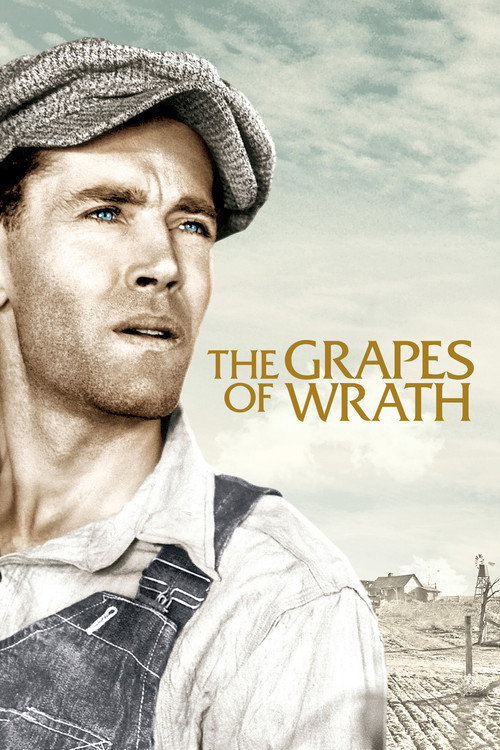
Both trace catastrophe to corporate indifference and governmental failure, showing how individual tragedy emerges from structural rot rather than accident.
John Ford's adaptation of Steinbeck gives you the structure of *The Big Fix* in different clothes: how systems fail ordinary people, how power protects itself, how anger becomes action. A template for how to show systemic cruelty as narrative.
But Made in 1940 and it shows. The pacing is slow by modern standards and the sentimentality of the ending undercuts some of the fury.
More like this (7)
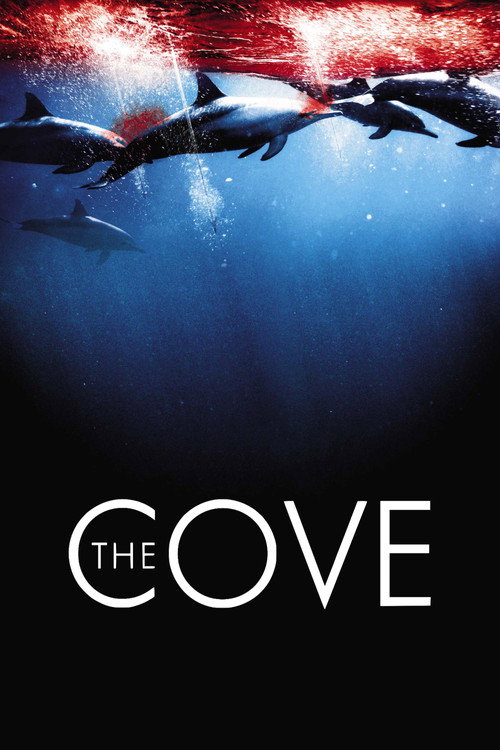
The Cove2009
An environmental thriller about dolphin slaughter in Japan. It combines undercover investigation, ethical complexity, and genuine suspense. Unforgettable filmmaking in service of urgent argument.
But The moral certainty and activism can feel preachy. Some scenes of animal death are genuinely difficult to watch.
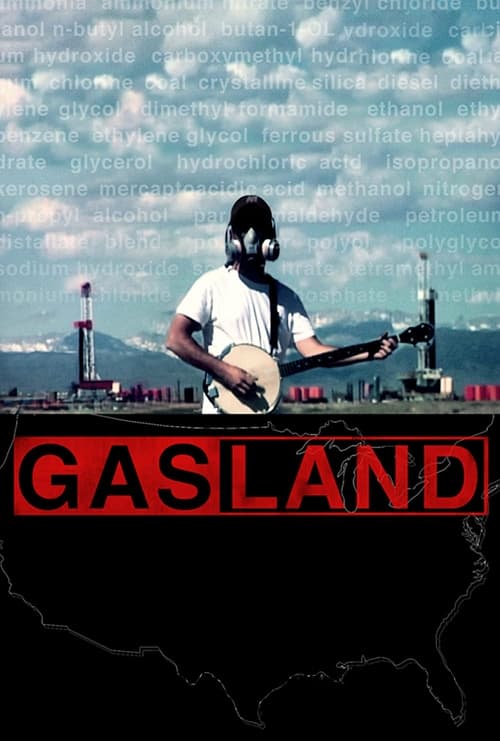
Gasland2010
Josh Fox investigates hydraulic fracturing by following the money and the contamination. Personal, visually striking, and builds a damning case through on-the-ground reporting rather than expert talking heads.
But Critics argue it presents one side without fully engaging industry counterarguments. The filmmaking sometimes prioritizes emotion over rigor.
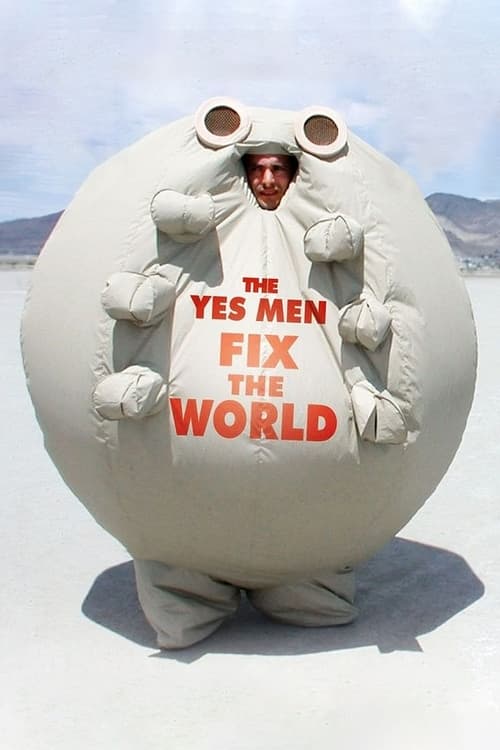
The Yes Men Fix the World2009
Pranksters and activists infiltrate corporate and government spaces to expose hypocrisy. It's funny, clever, and suggests that direct action and absurdity can sometimes do what debate cannot.
But The humor might make the serious points feel trivializing. Whether the stunts actually change anything is genuinely unclear.
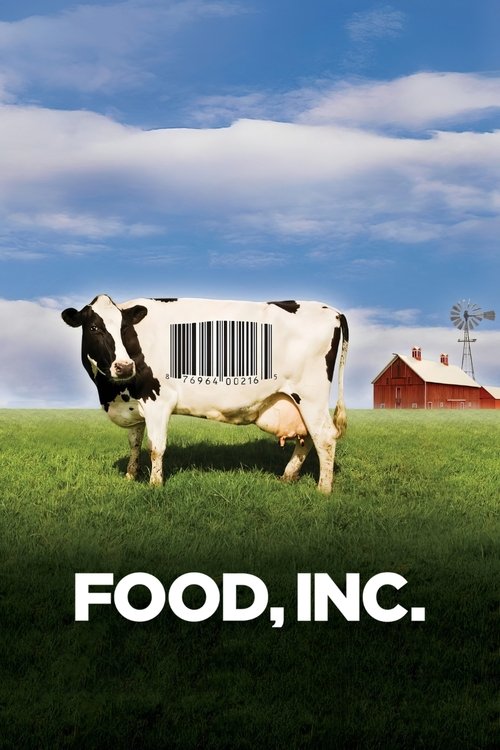
Food, Inc.2008
Robert Kenner's investigation of industrial agriculture connects corporate consolidation to health, environment, and labor. Clear-eyed without being preachy, specific without losing the big picture.
But Focuses heavily on symptom over solution. Once you know how bad it is, the film offers few paths forward beyond personal shopping choices.
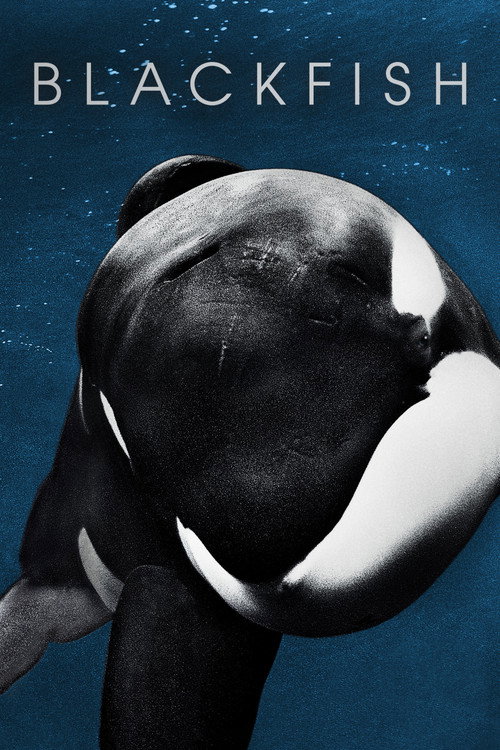
Blackfish2013
A focused investigation of SeaWorld's treatment of killer whales. Combines archive footage, interviews, and clear structure to make an airtight case. Builds genuine momentum and emotional weight.
But Has been criticized for selective editing and failing to include company responses. The emotional manipulation sometimes outpaces the evidence.
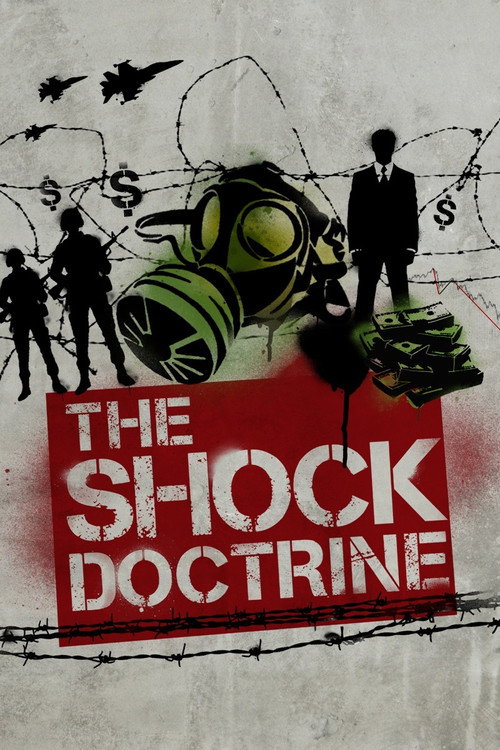
The Shock Doctrine2009
Both show how major failures serve existing power; *The Big Fix* shows it in one disaster, *Shock Doctrine* shows the pattern across decades and continents.
Documentary adaptation of Naomi Klein's book traces how disaster capitalism uses crises to impose ideology. More polemical than journalistic, but it gives you an economic framework for understanding how systems like the one that broke in the Gulf get built and protected.
But The theoretical framework is sometimes more compelling than the specific examples. Feels more like an extended essay than a traditional documentary narrative.
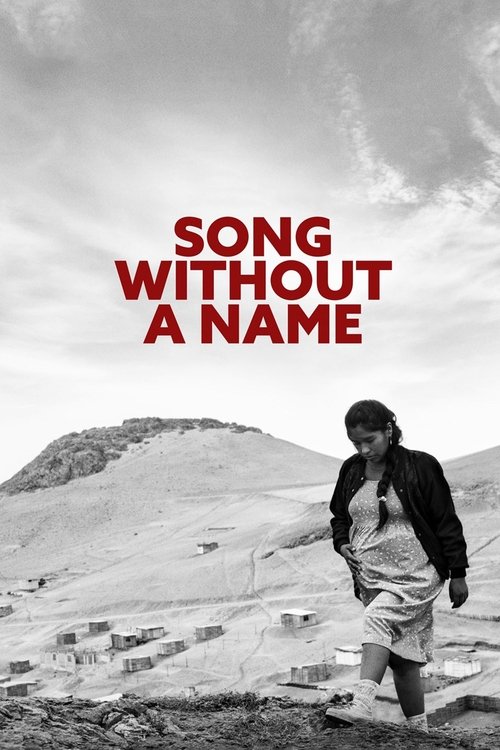
Song Without a Name2020
Like *The Big Fix*, it's about power operating without consequence and ordinary people left to bear the cost, but it trusts cinema's power to evoke that through mood and mystery rather than evidence.
A Peruvian drama about children stolen by a eugenics program. It's formally stunning and emotionally devastating without being reportorial—a different language for state violence and disappeared accountability than documentaries offer.
But Fiction instead of investigation. Deliberately ambiguous about some plot points. Demands patience and sits with dread rather than offering catharsis or answers.
People
Cast
 Chris HedgesSelf
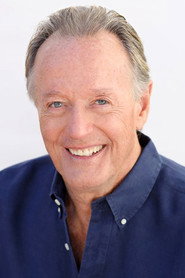 Peter FondaSelf
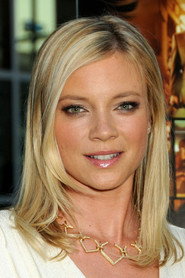 Amy SmartSelf
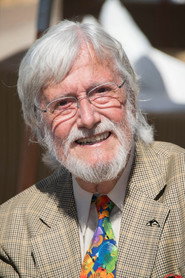
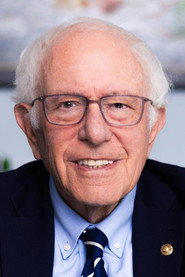 Bernie SandersSelf
- Jim McDermottSelf
- Omar MateenNightguard
Directing
- Josh TickellDirector
- Rebecca Harrell TickellDirector
Writing
- Johnny O'HaraWriter
Production
- Maggie WachsbergerExecutive Producer
- Peter FondaExecutive Producer
- Tim RobbinsExecutive Producer
- Rebecca Harrell TickellProducer