
Film
Nuclear Now
Oliver Stone's pro-nuclear documentary argues that atomic energy is essential for climate solutions and lifting energy poverty. Using footage from France, Russia, and the US, it explores uranium's potential and examines how fossil fuel interests orchestrated public fear. Stone makes his case with characteristic conviction, though the film's advocacy stance shapes its evidence.
Should you watch it?
Watch it if you enjoy a documentary that argues hard for its position, with Oliver Stone himself on screen as a guide, and want to hear the pro-nuclear case made with real conviction.
Skip it if you want a balanced survey of energy options, since this is advocacy from start to finish and the opposing case gets little real airtime.
What it asks of you: Just under two hours of interviews, travelling from mines to reactor halls, with a lot of argument packed into a steady, unhurried stride.
Not sure? Find tonight's pick in a minute.
If you liked this
An Inconvenient Truth2006
The definitive climate documentary that changed the conversation. Gore's presentation is clear, his data compelling, and it established the template for environmental advocacy filmmaking. Essential viewing if you want context for any energy debate.
But Some of Gore's specific predictions haven't materialized on the timeline he suggested. The film can feel didactic and occasionally leans on emotional manipulation rather than pure argument.
Chernobyl2019
HBO's five-part miniseries about the 1986 disaster is meticulously researched, visually stunning, and gripping as narrative. It shows how nuclear accidents happen through human and systemic failure—the counterargument to Stone's optimism, told with tremendous craft.
But Deeply bleak and anxiety-inducing throughout. If you're already stressed about nuclear safety, this will amplify those fears rather than resolve them.
The Dawn Wall2017
Stone's own earlier documentary about rock climbers scaling El Capitan. If you want to see his directorial sensibility at work—how he constructs narrative, uses interviews, and finds human drama in specialized subjects—this shows his documentary strengths clearly.
But Requires genuine interest in climbing. The film is patient and meditative rather than urgent, which some find slow.
Not sure tonight? Get a pick in a minute, starting from Nuclear Now
The wildcard
Something you would not have found on your own.
Threads1984
Both films use nuclear as their central argument about humanity's future, but Threads shows the worst case (weapons, accident, war) while Nuclear Now argues for the best case (clean energy, prosperity). Together they bracket the full spectrum of nuclear's stakes.
British nuclear war film that's the inverse of Stone's optimism—a meticulously detailed, unbearable depiction of societal collapse after nuclear exchange. It's not anti-nuclear power, it's anti-nuclear war, but the visual argument about what nuclear means runs deeper than any documentary. Extraordinarily powerful.
But Genuinely traumatic. The film offers no hope, only documentation of suffering. Some viewers find it too bleak to recover from, and it doesn't argue—it shows, which is worse.

More like this (6)
Cowspiracy: The Sustainability Secret2014
Urgent advocacy documentary about agriculture's environmental impact. Structured similarly to Stone's film—it builds an argument, interviews experts, and tries to convince you of an overlooked solution. Genuinely informative about an underreported crisis.
But Also shaped by its thesis, which means inconvenient data gets left out. The tone can be preachy, and some environmental scientists dispute its framing of agriculture's relative impact.
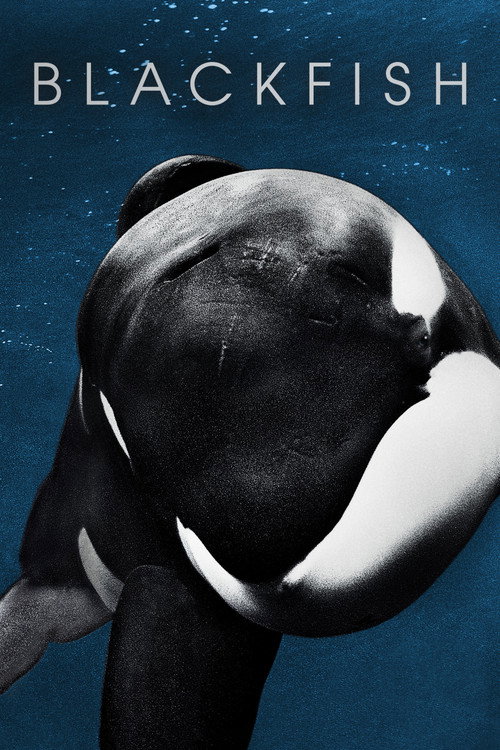
Blackfish2013
Documentary that combines investigation, emotional engagement, and ethical argument—showing how to make a cause-driven film that's also dramatically compelling. The cinematography is beautiful and the moral questions are real.
But Later reporting complicated some of its central claims. Once you know those criticisms, it's harder to watch as pure argument.
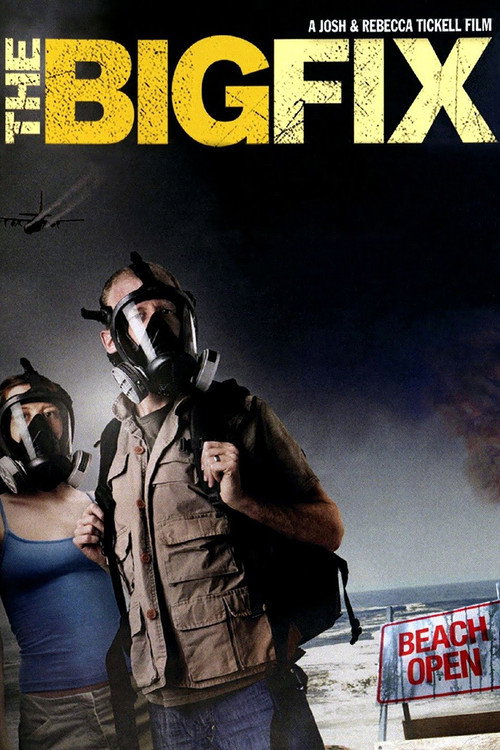
The Big Fix2011
Josh Tickell's documentary about renewable energy entrepreneurship and innovation. It shares Stone's belief that technology can solve climate crisis, offering a more optimistic counterpoint to doom-focused environmental docs.
But Much less slickly produced than Stone's film, and the argument sometimes outpaces the evidence. Feels like a manifesto at moments rather than investigation.
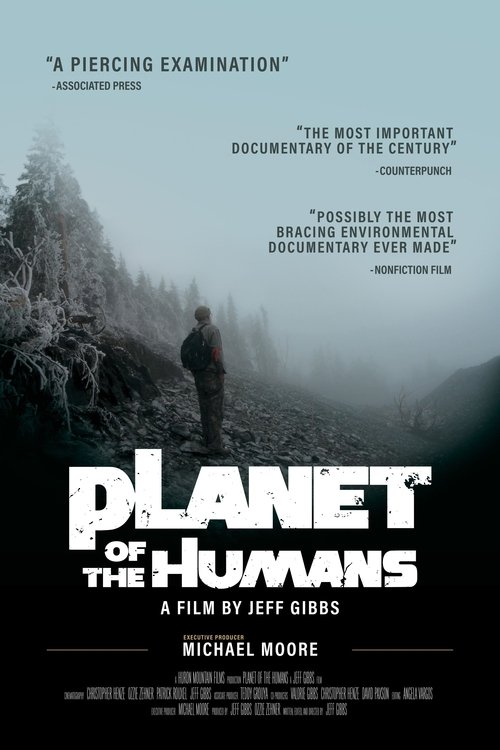
Planet of the Humans2019
Michael Moore documentary that challenges assumptions about 'green' energy solutions. It thinks critically about whether current renewable approaches actually work, making it philosophically aligned with questioning mainstream climate narratives.
But Many experts disputed its factual claims and accused it of spreading misinformation. The film's cynicism can feel like it's arguing against its own solutions.
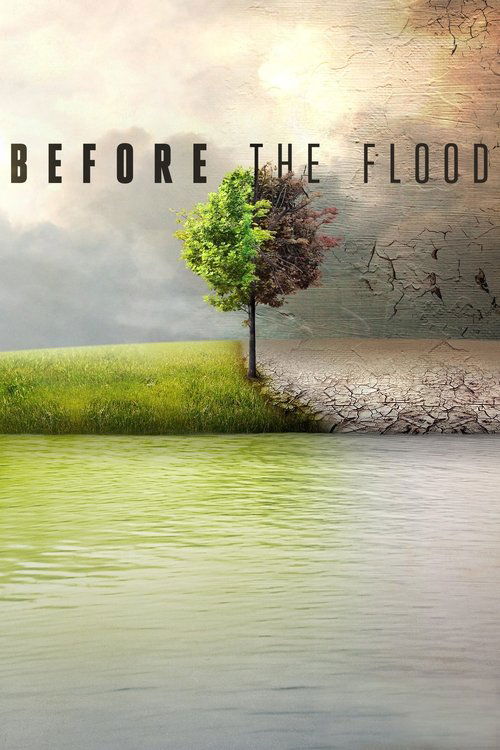
Before the Flood2016
DiCaprio's documentary about climate change uses his star power to access world leaders and scientists. The production is gorgeous, the scope is global, and it covers solutions including (briefly) nuclear. Mainstream environmentalism at its most watchable.
But Spreads its focus so wide that nothing gets real depth. Some solutions get seconds of screen time, which limits substantive engagement with any single argument.
Stalker1979
Stone believes nuclear energy is the technological solution to our future. Tarkovsky's film asks whether any technology can actually save us—whether the real problem is human, not mechanical. It's the philosophical doubt that makes Stone's optimism urgent rather than naive.
Andrei Tarkovsky's philosophical science-fiction film is set in a mysterious Zone containing a wish-granting room. It's essentially a meditation on desire, faith, and whether technology—or belief in technology—can solve the human condition. Slow, meditative, profound.
But Nearly three hours of minimal plot and long takes. It is spectacularly, deliberately boring if you want narrative momentum or clear answers. Demands patient attention and rewards it, but not everyone wants that bargain.

People
Cast
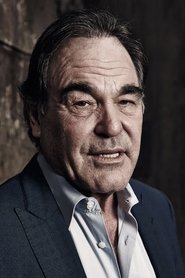 Oliver StoneSelf
Directing
- Oliver StoneDirector
Writing
- Joshua S. GoldsteinWriter
- Oliver StoneWriter
Production
- Fernando SulichinProducer