
Film
Planet of the Humans
- Very dark
Michael Moore's polemic argues that mainstream green solutions—solar panels, wind farms, electric vehicles—are elaborate cons masking our continued dependence on fossil fuels and industrial destruction. It's angry, visually punchy, and designed to provoke rather than comfort. For people ready to have their assumptions challenged, even if Moore's argument oversimplifies.
Should you watch it?
Watch it if you enjoy a combative, sceptical documentary that treats cherished green ideas as open questions and is happy to annoy its own side while it argues.
Skip it if you want a balanced survey or a hopeful account of solutions, since this is a one-sided assault that spends its energy tearing down rather than building anything up.
What it asks of you: Its shape is one long, unbroken argument delivered in plain narration over archive footage, running just under two hours, so expect to be pushed rather than soothed.
Not sure? Find tonight's pick in a minute.
If you liked this
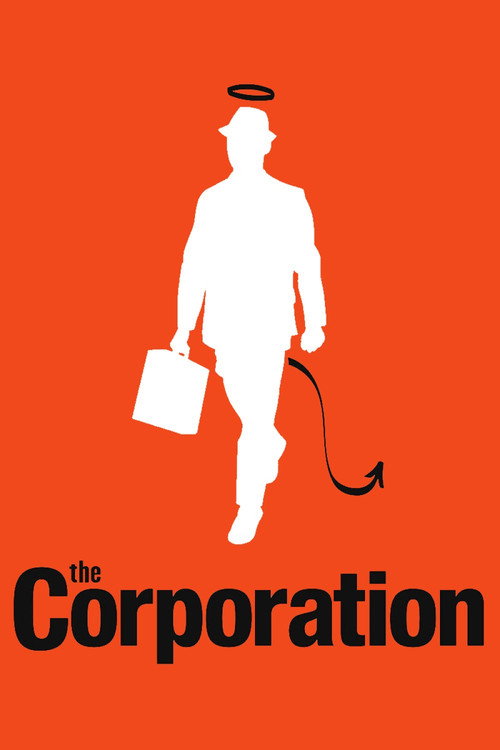
The Corporation2003
Explores how corporate structures incentivize environmental destruction and greenwashing. Documentary filmmaking with real intellectual teeth that builds a systemic argument.
But Long, dense, and relentlessly bleak. Academic in tone rather than provocative. Demands sustained attention.
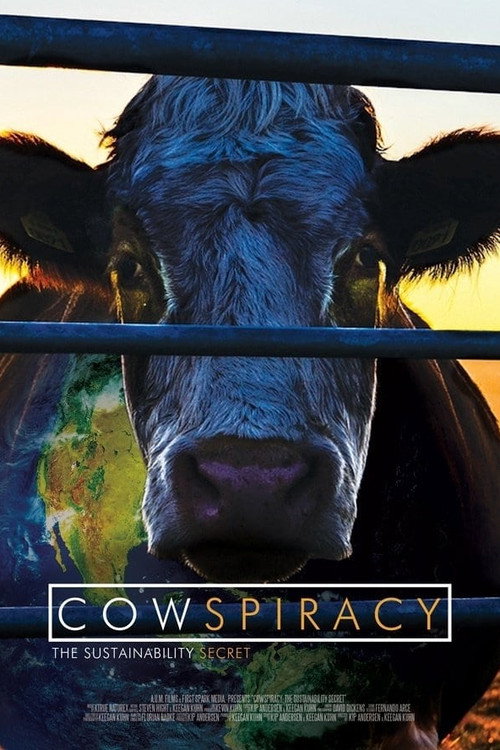
Cowspiracy: The Sustainability Secret2014
Another environmental documentary that challenges widely accepted solutions. Makes a bold case that livestock farming, not renewable energy, is the real crisis. Similarly contrarian spirit.
But Its argument has been disputed by nutritionists and climate scientists. Some viewers find it as cherry-picked as Moore's work.
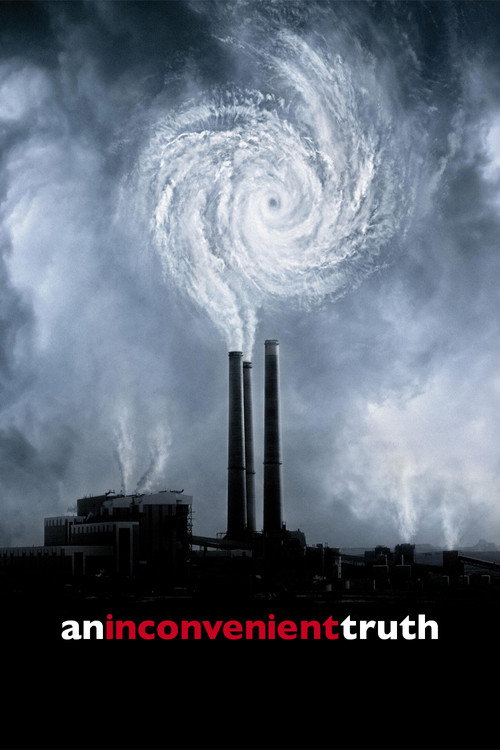
An Inconvenient Truth2006
Al Gore's climate alarm film. Watch it back-to-back with Planet of the Humans to see how the environmental movement packages hope versus despair.
But Now dated visually and some predictions didn't materialize on schedule. Can feel like the optimistic counterargument Moore explicitly rejects.
Not sure tonight? Get a pick in a minute, starting from Planet of the Humans
The wildcard
Something you would not have found on your own.
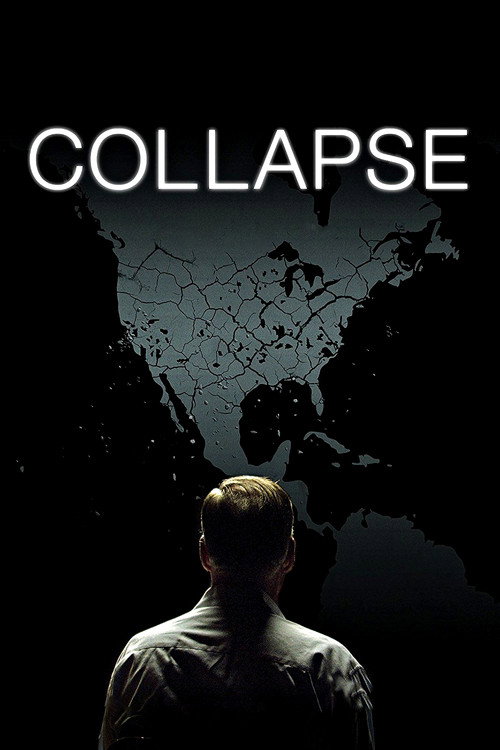
Collapse2009
Both are contrarian collapse narratives that reject mainstream environmental optimism. Ruppert goes further: he doesn't believe in solutions at all.
Michael Ruppert, a former LAPD officer, predicts systemic civilization failure. More extreme than Moore, less polished, but the same genealogy of thinking. A direct ancestor to Planet of the Humans.
But Single-camera interview format. Ruppert is intense and sometimes incoherent. Genuinely bleak without Moore's satirical edge. Can feel like watching someone unravel.
More like this (8)
Erin Brockovich2000
Corporate malfeasance thriller based on a true story of environmental contamination. Shows how companies really operate when profit is at stake, without the documentary distance.
But Mainstream legal drama, not analysis. Julia Roberts vehicle rather than rigorous critique. Feels comfortable by comparison.

The Two Popes2019
Explores institutional faith and what happens when someone tries to change systems from within. Thematically echoes Moore's skepticism about whether institutions can reform themselves.
But Gentle conversation piece about aging men. Philosophical rather than angry. Completely different tone from what you're watching.

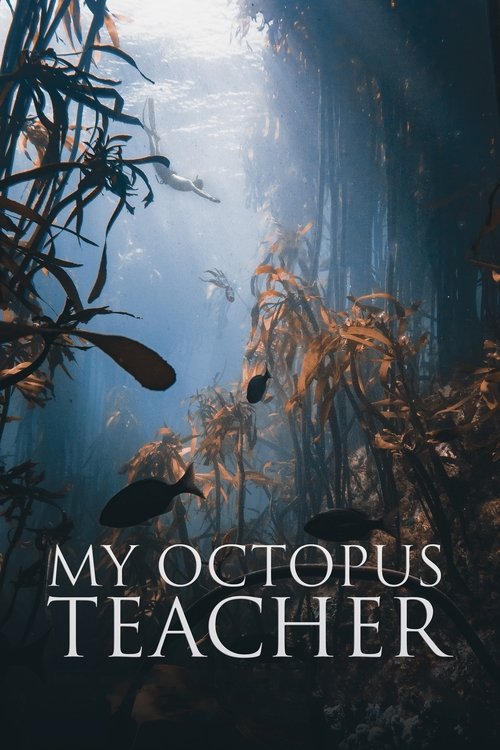
My Octopus Teacher2020
A contemplative counter-offering: proof that nature documentaries can move you without false hope. Offers wonder without greenwashing, and quieter insights about the natural world.
But Meditative and slow. Offers solace rather than confrontation. May feel like it's evading Moore's central argument rather than answering it.
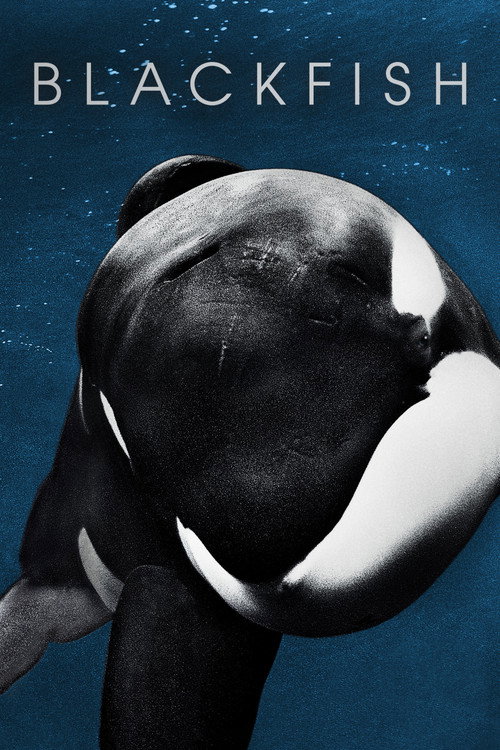
Blackfish2013
Investigative doc about corporate animal exploitation. Uses familiar emotional documentary tactics to build an argument about what we refuse to see. Similarly accusatory.
But Focused on a single issue rather than systemic analysis. Emotional rather than intellectual. Some claims have been contested.
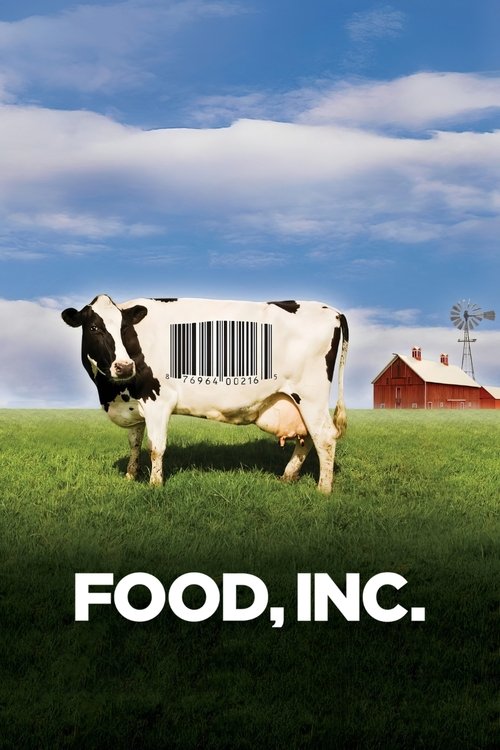
Food, Inc.2008
Robert Kenner's industrial food system documentary. Similar scaffolding to Moore's work: reveals the hidden mechanics of something we think we understand.
But Now over a decade old and somewhat familiar territory for anyone who's read food writing. Less visually dynamic than Moore.
The True Cost2015
Documents the environmental cost of fast fashion. Another 'feel-good' industry exposed as destructive. Completes the picture of where green solutions actually lead.
But Preachy at times. Offers few actionable alternatives. Some viewers find the emotional beats manipulative.

The End of the Tour2015
Both ask whether good intentions and smart choices can actually change anything, or whether we're deluding ourselves. Both suggest the system doesn't want to be fixed.
Dramatization of David Foster Wallace discussing ambition, meaning, and whether individual gestures matter in a rigged system. Wallace grapples with the same despair Moore is expressing, but through literature and psychology rather than data.
But Fiction, not documentary. Two people talking in a car. No charts, no archive footage, no righteous anger. Slow and introspective where Moore is urgent.

Grave of the Fireflies1988
Both refuse the consoling narrative. Both ask what happens when you stop pretending the system cares about your survival. Moore uses data; this uses heartbreak. Same destination.
Animated film about civilian suffering during wartime. Not about environmentalism at all, but about systems that promise protection while ensuring destruction. About what we refuse to acknowledge even as it kills us.
But Devastating emotional experience. Japanese animation from 1988. No argument, only witness. Oblique and poetic where Moore is direct. Some find it too painful to finish.

People
Cast
- Jeff GibbsSelf - Narrator (voice)
 Chris DoddSelf (archive footage)
Directing
- Jeff GibbsDirector
Writing
- Jeff GibbsWriter
Production
- Teddy GrouyaAssociate Producer
- Christopher HenzeCo-Producer
- David PaxsonCo-Producer
- Valorie GibbsCo-Producer
- Michael MooreExecutive Producer
- Jeff GibbsProducer
- Ozzie ZehnerProducer
Recommended by
Nuclear Now, The 11th Hour, Pump, Becoming Cousteau, Youth Unstoppable