
Film
Pump
Pump is a crisp, accessible energy-policy documentary that traces how oil locked America into dependence and makes the case for alternative fuels. Narrated by Jason Bateman with interviews from industry insiders and entrepreneurs, it's pitched for the curious but uninitiated—people who've never thought hard about what's under the hood. It moves fast and stays practical.
Should you watch it?
Watch it if you enjoy a brisk, persuasive case built on energy economics and don't mind being argued at, the way a good policy explainer makes its point through expert interviews.
Skip it if you come looking for ambiguity or surprise, since this is an advocacy piece with one clear thesis that can feel like a sales pitch.
What it asks of you: Brief at 88 minutes, it moves at a brisk lecture-hall clip, with a steady stream of talking heads and voiceover rather than long quiet stretches.
Not sure? Find tonight's pick in a minute.
If you liked this
An Inconvenient Truth2006
Al Gore's landmark climate doc proved that environmental advocacy could grip an audience. If you want the bigger picture on why fuel alternatives matter, this lays the scientific groundwork with urgency and clarity.
But It's become a cultural punchline and some of its specific predictions have aged unevenly. The pacing can feel slow after you've seen it once.
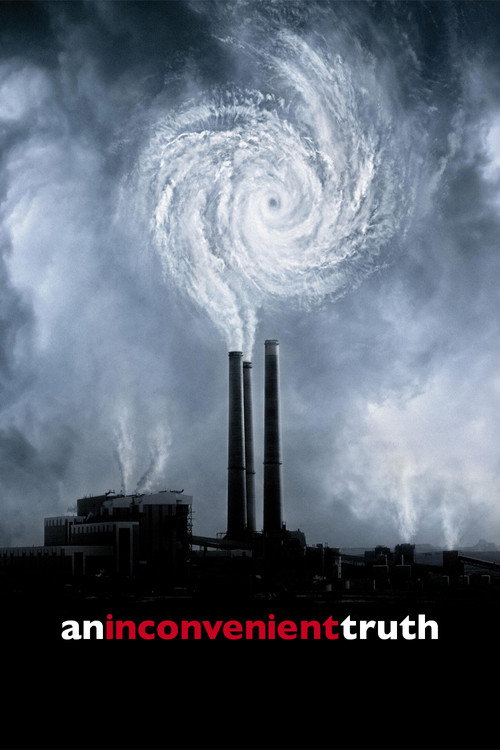
Who Killed the Electric Car?2006
A perfect companion piece—it tells the specific, infuriating history of why electric vehicles were available, viable, and then systematically buried. It sharpens every argument Pump makes about corporate obstruction.
But It's angrier and more accusatory than Pump. If you want solutions over villains, this might frustrate you.
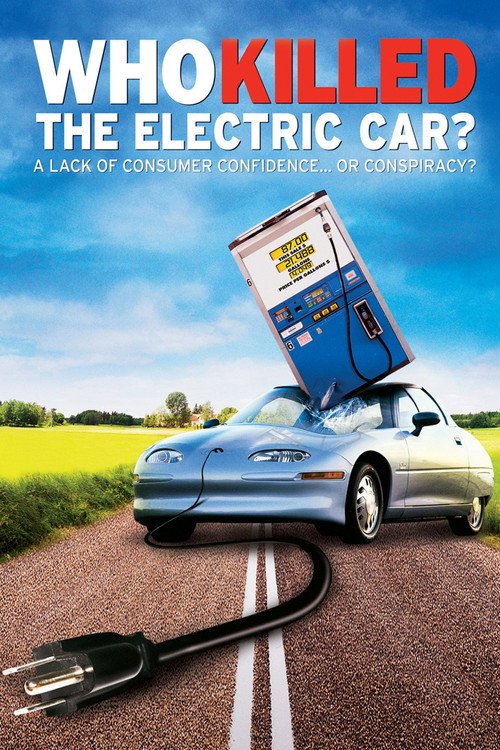
The Big Picture1989
A sweeping documentary about how corporate interests shape policy and public perception. The mechanisms Pump describes—lobbying, regulatory capture, public relations—are explored with fascinating depth and wit.
But Broader scope means less focus on energy specifically. Some segments veer into abstraction when you might prefer concrete examples.

Not sure tonight? Get a pick in a minute, starting from Pump
The wildcard
Something you would not have found on your own.
Thank You for Smoking2005
Both expose how industries manufacture consent and block change; Pump shows you the real mechanism, Thank You for Smoking shows you what it *feels* like from the inside.
A dark comedy about a tobacco lobbyist's daily work—the rhetoric, the strategies, the moral negotiation. It's the exact playbook Pump describes, but filtered through satire and performance. Understanding the mechanics of PR manipulation becomes funnier and sadder at once.
But It's a satire of an industry, not a documentary. If you want facts over style, the entertainment value might feel like it's getting in the way of the message.

More like this (8)
Merchants of Doubt2014
Released the same year as Pump, it reveals how industries manufacture uncertainty to block change. Understanding the *how* behind energy-sector obstruction will make Pump's historical claims hit harder.
But It can feel relentless in its cynicism. If you need to believe in institutional good faith, this film will corrode it.
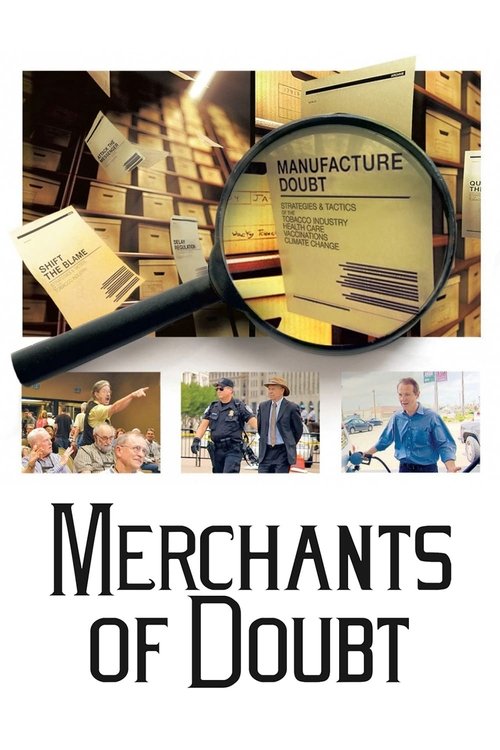
A Crude Awakening2006
Focuses on oil depletion and resource scarcity from a geological perspective. Where Pump argues for alternatives, this explains the physical limits that make alternatives inevitable, adding urgency to the case.
But Dry in places and a bit dated now. Peak-oil predictions haven't played out exactly as forecasted, which dates the film.
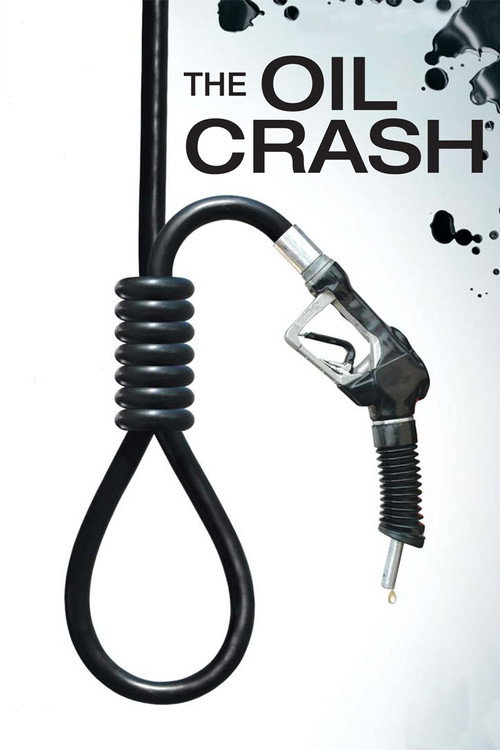
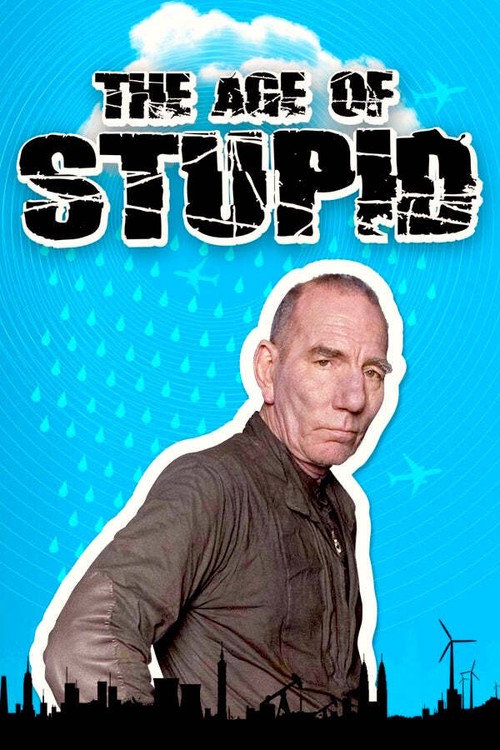
The Age of Stupid2009
A more speculative, imaginative take: a film crew makes a documentary about climate inaction from the vantage point of 2055. It's Pump's argument reframed as cli-fi and moral reckoning.
But The conceit is heavy-handed. Some may find the tone preachy rather than persuasive.
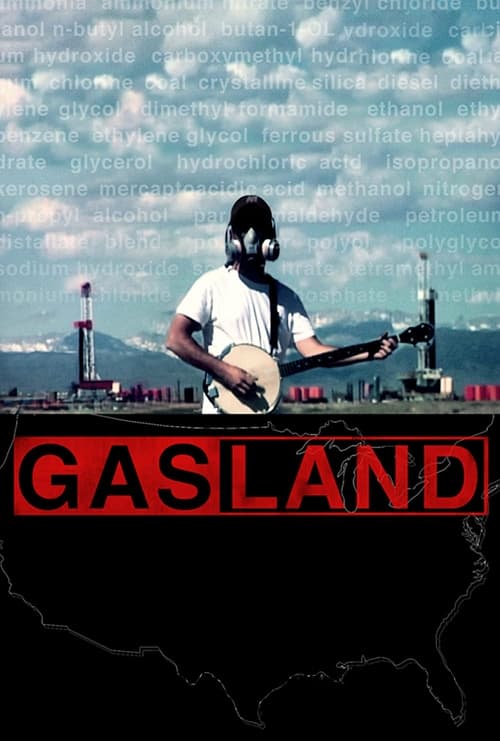
Gasland2010
Josh Fox's investigation into hydraulic fracturing's toxic side effects. It's the dark mirror to Pump's optimism—this is what happens when we chase fuel sources without oversight. They complement each other perfectly.
But Highly partisan and emotionally charged. If you prefer documentaries that feel neutral, this wears its outrage on its sleeve.
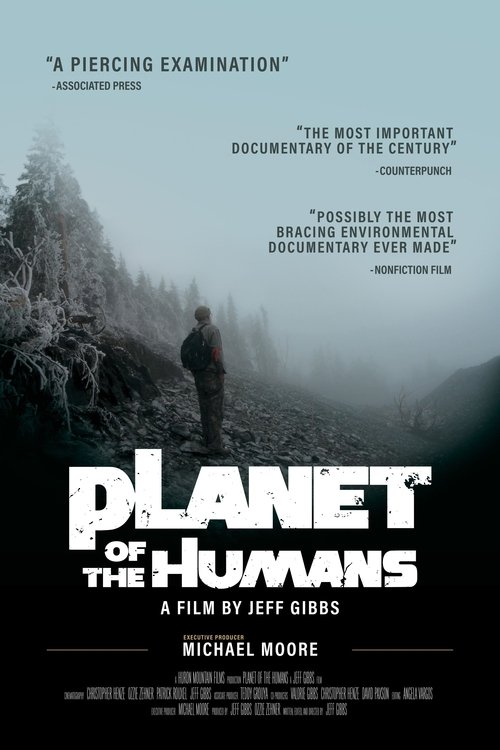
Planet of the Humans2019
Michael Moore and Jeff Gibbs examine whether 'green energy' solutions are genuine or corporate greenwash. It challenges Pump's faith in market-based alternatives with uncomfortable questions about scale and sincerity.
But It's deliberately provocative and some of its claims are contested. The tone can feel nihilistic if you were hoping to be energized.
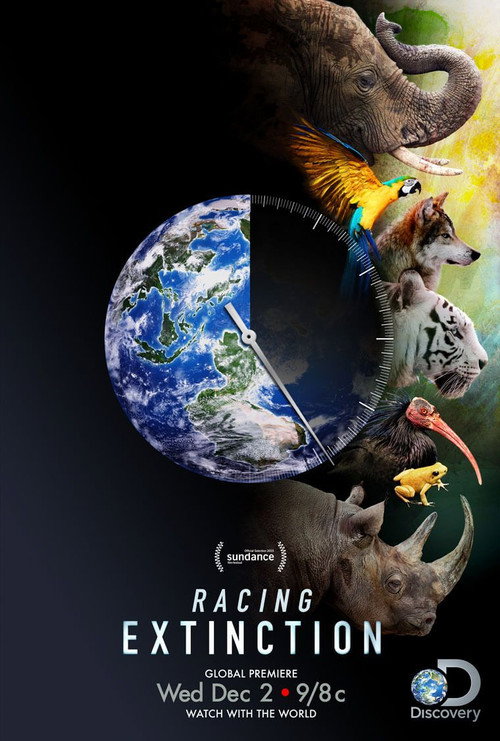
Racing Extinction2015
Louie Psihoyos's visual feast connects species collapse, climate, and energy use. If you want to understand *why* this matters beyond economics, this film makes the stakes emotional and biological.
But Gorgeous but sprawling. It covers so much ground that individual arguments sometimes blur together.
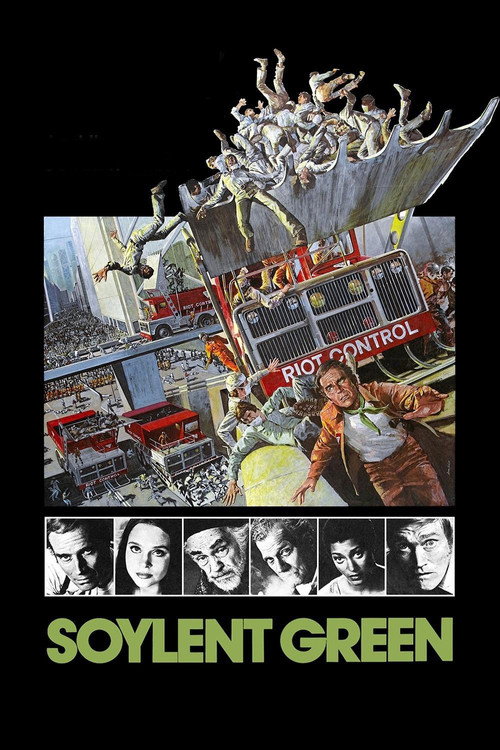
Soylent Green1973
Both warn about the consequences of systemic dependence and resource mismanagement; one does it through futurism and terror, the other through evidence and pragmatism.
A sci-fi parable set in an overpopulated, resource-depleted future where fuel and food scarcity have collapsed civilization. It's speculative, pulpy, and made nearly fifty years ago—yet it's asking the same question Pump does: what happens if we don't change course?
But It's 1970s sci-fi cheese, not a policy argument. Some may find the production design more memorable than the ideas, and the ending is more shock value than resolution.
Made in Dagenham2010
Both examine how entrenched systems resist change even when that change is just and inevitable; one focuses on gender equity in manufacturing, the other on fuel infrastructure, but the structural stubbornness is identical.
A period drama about female workers fighting for equal pay at a car factory in 1960s Britain. It seems unrelated until you realize both films are about how systems perpetuate injustice through inertia, and how change requires ordinary people to demand it. The parallel is structural, not thematic.
But It's a well-made but familiar historical drama. If you want to relax rather than think, a labor-rights film is not what you need after Pump.

People
Cast
 Jason BatemanSelf - Narrator (Voice)
Directing
- Josh TickellDirector
- Rebecca HarrellDirector
Writing
- Johnny O'HaraWriter
Recommended by
The Yes Men Fix the World, The Revolution Will Not Be Televised