
Film
The Age of Stupid
- Post-apocalyptic
- Very dark
- Slow-burning
A man in 2055 reviews 2008 footage asking why humanity ignored climate warnings. Part essay, part archive, part rage—Pete Postlethwaite's monologue frames climate documentary footage with bleak sci-fi framing. It's angry, occasionally sentimental, utterly without false comfort. For people ready to feel bad about the world and think harder about it.
Should you watch it?
Watch it if you want a climate argument built from real people, archive footage and a sharp, mournful polemic, and you don't mind being nudged hard toward anger and action.
Skip it if you tire of a message film that mixes a dramatised frame with documentary interviews and piles on statistics, since the two rarely sit comfortably together.
What it asks of you: Expect long stretches with one lonely figure in a room, interviews cut between continents and a loud, urgent tone across roughly ninety minutes of steady attention.
Not sure? Find tonight's pick in a minute.
If you liked this
An Inconvenient Truth2006
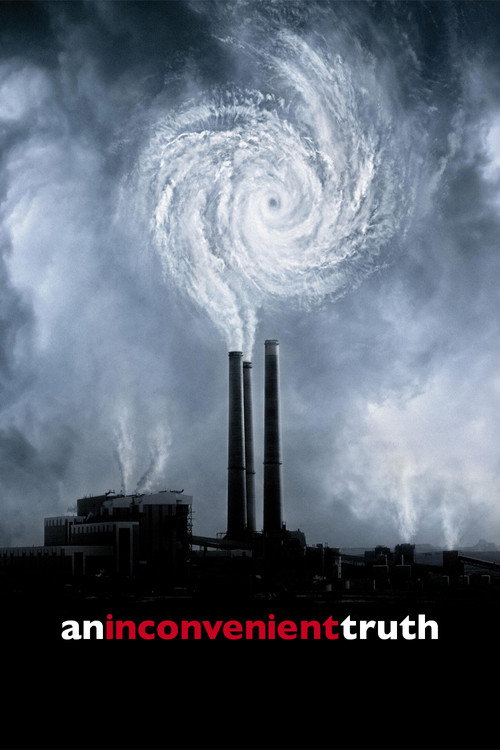
Al Gore's presentation remains the essential climate-change primer: accessible, visually elegant, genuinely clarifying. If you've never sat through it, this is the non-negotiable reference point.
But It's dated now—some predictions have shifted, and Gore's optimism about solutions feels painfully quaint in 2024. Feels like a TED talk.
Chasing Ice2012
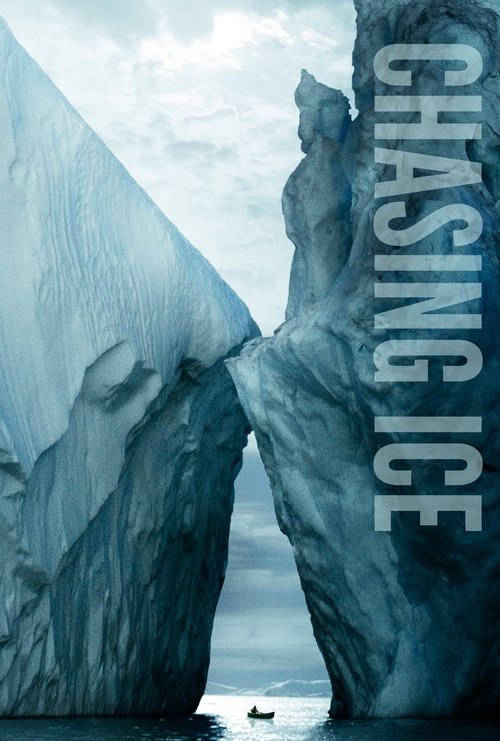
James Balog photographs glaciers over years to show ice-loss in real time. Visually stunning and undeniable—you're watching mountains disappear. Avoids politics entirely; just shows you the thing happening.
But Beautiful images of catastrophe can feel passive. It shows you what's broken but has little to say about why or what to do.
Before the Flood2016
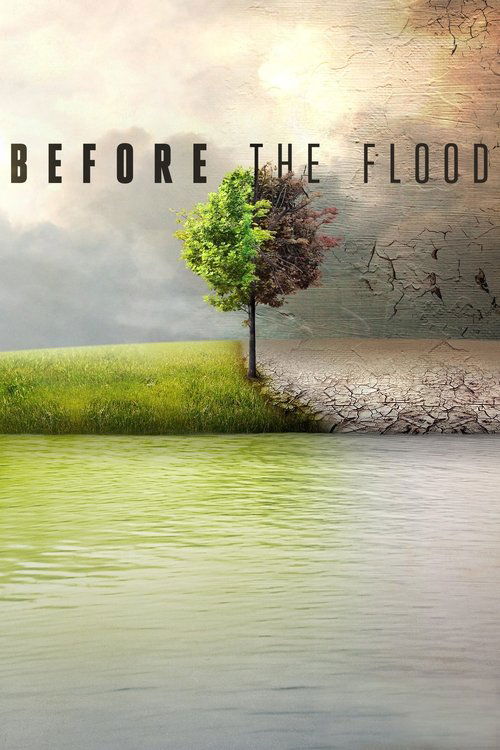
Leonardo DiCaprio travels globally to witness climate impacts firsthand. Genuinely curious and often humbled; no sermonizing. Pairs urgency with nuance about economic complexity.
But Famous actor doing good-person documentary can feel hollow. Some scenes play safe to avoid offending major emitters.
Not sure tonight? Get a pick in a minute, starting from The Age of Stupid
The wildcard
Something you would not have found on your own.
La Jetée1962
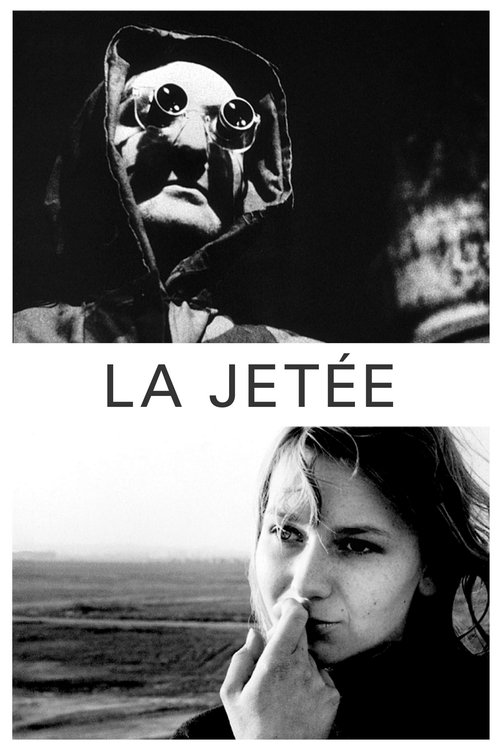
Both use the framing device of looking backward from ruin, asking what we saw and didn't act on. La Jetée asks it through individual tragedy; Stupid asks it collectively.
Chris Marker's 25-minute film: still images, haunting score, a love story set between past and apocalyptic future. Shows post-nuclear world without spectacle—memory and loss instead. Influenced everything that followed about time and doom.
But Almost entirely still photographs; minimal dialogue; requires patience and attention. Feels like a poem, not a narrative. Deeply sad.
More like this (5)
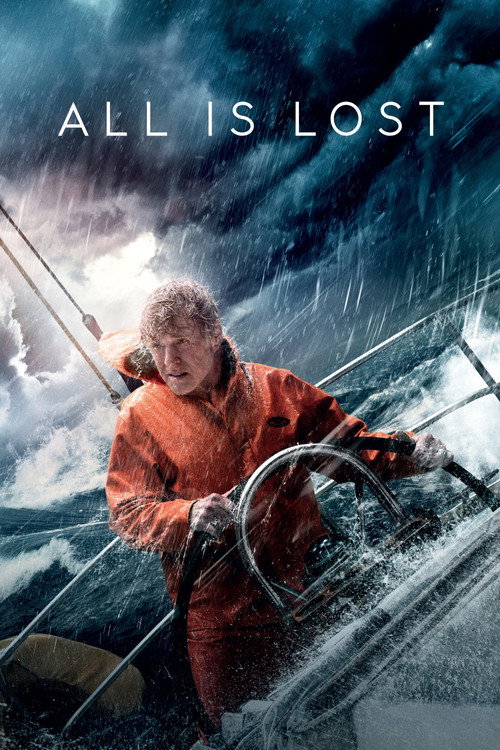
All Is Lost2013
Not a climate film, but Robert Redmond's sailor fighting nature—indifferent, vast, winning—captures the submission to forces beyond us. Eerily relevant as metaphor. Dialogue-free, pure struggle.
But Bleak and slow. The point is suffering, not redemption. Some will find it tedious rather than clarifying.
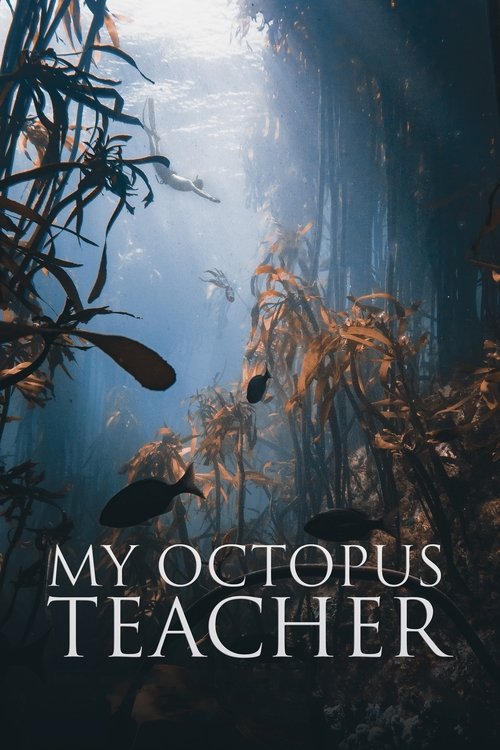
My Octopus Teacher2020
A man bonds with an octopus in a South African kelp forest over a year. Gentle, humbling, a reminder that other intelligence exists and deserves reverence. Slow meditation on living things mattering.
But It's not explicitly about climate, which some will feel avoids the hard conversation. Very slow; some find it sentimental.
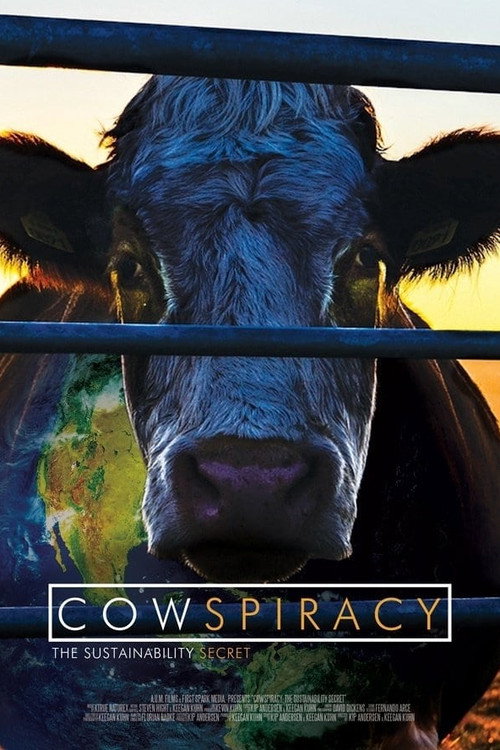
Cowspiracy: The Sustainability Secret2014
Documents livestock farming's staggering environmental footprint—water, land, emissions. Well-constructed argument with surprising scope. Directly actionable if you engage with the premise.
But Makes sweeping claims; some are contested. Industry pushback has been sharp. Feels polemical rather than neutral.
Come and See1985
Both reject comforting distance. Stupid asks 'why didn't we act'; Come and See shows what happens when millions don't. One is historical, one is prospective, but both are about the cost of collective passivity.
Elem Klimov's unflinching record of a boy's journey through WWII carnage. No metaphor, no distance. Pure sensory devastation. If you need to feel what human-made catastrophe actually costs, this is it—brutal and necessary.
But Genuinely traumatizing. Not entertainment. Long sequences of graphic violence and suffering. Many people shouldn't watch this and shouldn't be pressured to.

The Holy Mountain1973
Stupid is angry despair at human greed; Holy Mountain is ecstatic transcendence beyond it. Opposite tones, same ultimate question: how do we stop wanting what's killing us?
Jodorowsky's surreal, spiritual journey—alchemical, symbolic, visually baroque. Not about climate, but about enlightenment as refusal of the material world and its hierarchies. For viewers ready to sit with strangeness and metaphor instead of argument.
But Deliberately obscure, three hours, sometimes incoherent. Pretentious and self-serious. Will alienate anyone wanting straightforward information.

People
Cast
 Pete PostlethwaiteThe Archivist
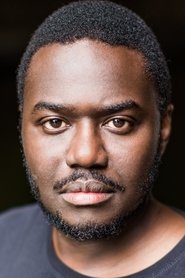 Babou CeesaySelf (voice)
- Toyah FrantzenSelf - Dutch
Directing
- Franny ArmstrongDirector
Writing
- Franny ArmstrongWriter
Production
- Gemma HancockCasting
- Sam StevensonCasting
- Andrew RuhemannCo-Executive Producer
- Peter ArmstrongCo-Executive Producer
- John BattsekExecutive Producer
- Lizzie GillettProducer
Recommended by
Bill Nye: Science Guy, Downsizing, The Yes Men Fix the World, Pump