
Film
The End of the Tour
James Ponsoldt's intimate portrait of David Foster Wallace and the five-day interview that defined a writer at his peak. Two men in a car, talking about ambition, loneliness, and the cost of genius. Quiet, funny, and heartbreaking—less about literature than about what it means to be understood.
Should you watch it?
Watch it if you love quiet conversations where two sharp minds circle around ambition, self-doubt and the strange pull of being admired, and you don't need much plot to stay hooked.
Skip it if you want momentum or a story that moves outward, since it is mostly two men talking in cars and hotel rooms with little happening beyond the talk.
What it asks of you: A little under two hours, unhurried and dialogue-heavy, with long stretches of quiet and the attention spent mostly on faces and what goes unsaid.
Not sure? Find tonight's pick in a minute.
If you liked this
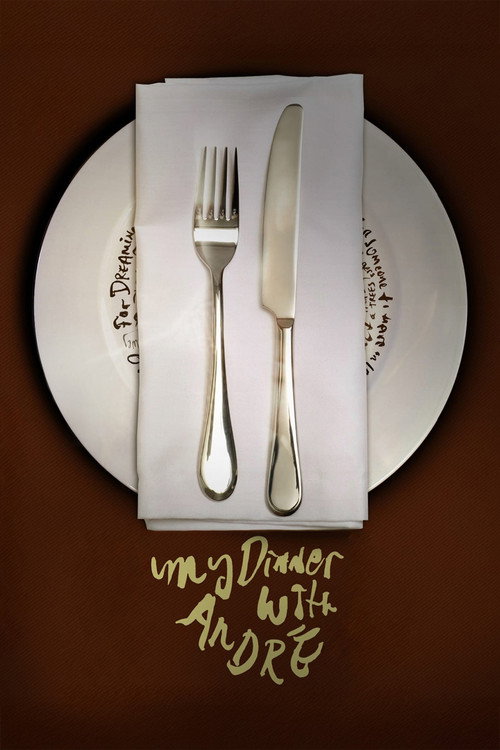
My Dinner with Andre1981
Two men, ninety minutes, one table. Wallace's conversation style finds its perfect cinematic ancestor in this film about art, meaning, and the impossible gap between ideas and life. Pure talk, total grip.
But If you need plot or visual spectacle, this will feel like watching someone else's dinner party. Some find it insufferable; that's a real reaction.
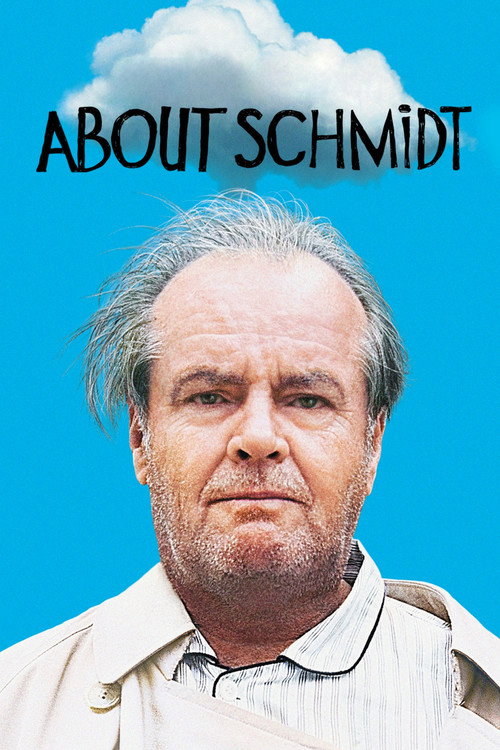
About Schmidt2002
Jack Nicholson's road-trip meditation on failure, mediocrity, and the American promise. Like The End of the Tour, it's about a man confronting what his life actually was versus what he wanted it to be. Uncomfortable and true.
But It's bleak. Alexander Payne doesn't offer easy comfort, and the ending won't resolve the way you hoped. Not uplifting.
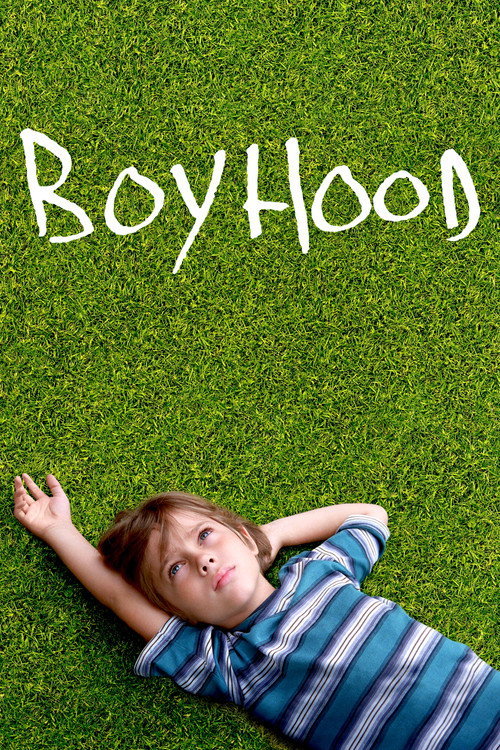
Boyhood2014
Richard Linklater's twelve-year project about time, change, and the impossibility of holding onto anything. The same philosophical restlessness that animates Wallace's work, filmed with patience and genuine tenderness.
But It moves at its own pace. If you're impatient with slowness, you'll resent the three hours. Some find it self-indulgent or thin.
Not sure tonight? Get a pick in a minute, starting from The End of the Tour
The wildcard
Something you would not have found on your own.
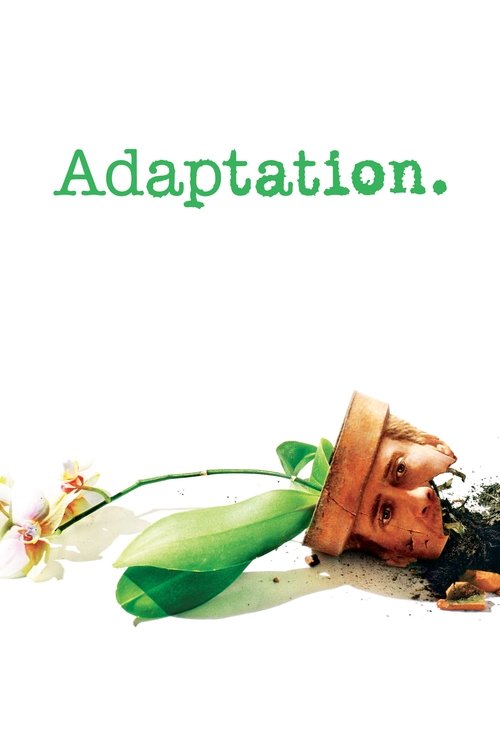
Adaptation.2002
Both films are about the terror of inauthenticity—characters desperate to tell the truth while aware that they're performing. Wallace spent his life wrestling with this; Jonze makes it visible.
Spike Jonze's metafictional masterpiece about writing, obsession, and the impossible task of capturing reality in art. Charlie Kaufman plays a version of himself trying to adapt a non-narrative book. It's Wallace's anxiety about authenticity made into cinema.
But The nested story about orchids and murder feels chaotic. If you need your films to choose a genre and stay there, this will seem scattered.
More like this (8)
Synecdoche, New York2008
Charlie Kaufman's nested-reality about an artist trying to capture everything, control nothing. The desperation and ambition match Wallace's internal struggle. Bewildering and brilliant.
But It's genuinely confusing and relentlessly sad. The film doesn't explain itself, and the ending offers no answers. Not for everyone.

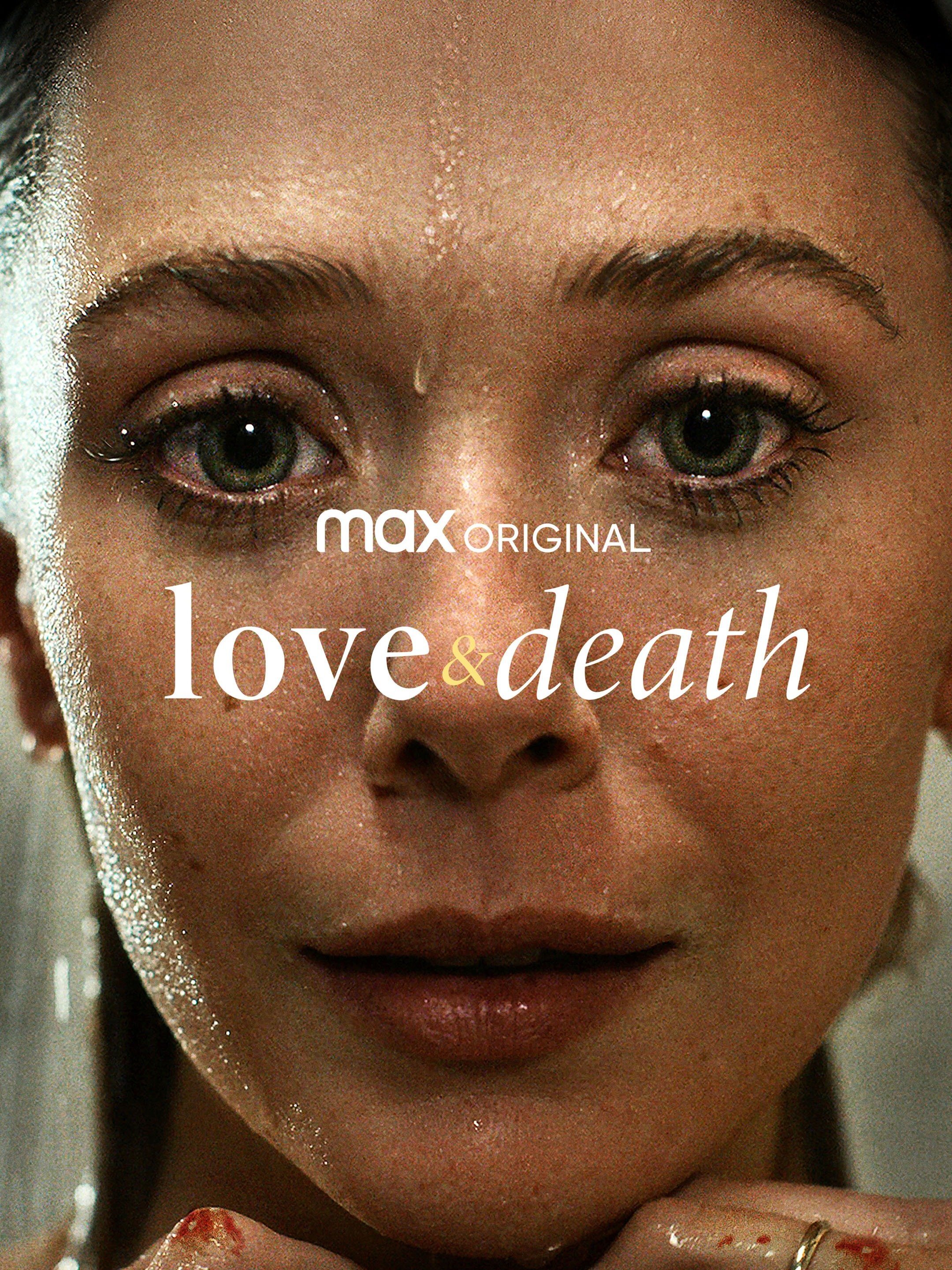
Love & Death2023
True-crime domestic drama with surprising philosophical depth. Like Wallace and Lipsky's conversation, it asks what happens when someone tells you the story of their life and you realize they're unreliable.
But It's uneven. Some episodes drag, and the central murder story isn't complicated enough to sustain seven hours. You'll finish it despite frustration.
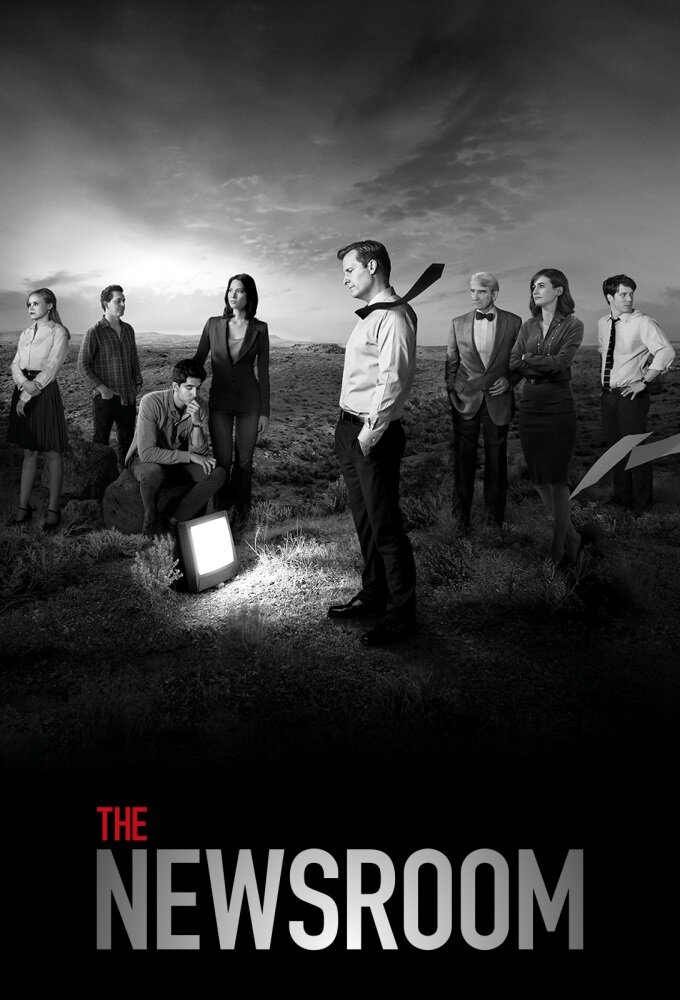
The Newsroom2012
Aaron Sorkin's rapid-fire dialogue about people who care too much. If you love Wallace's earnestness and his anxiety about authenticity in communication, this is catnip—even knowing it's deeply flawed.
But It's self-righteous and often sanctimonious. Sorkin frequently mistakes eloquence for wisdom. The gender politics are regrettable.
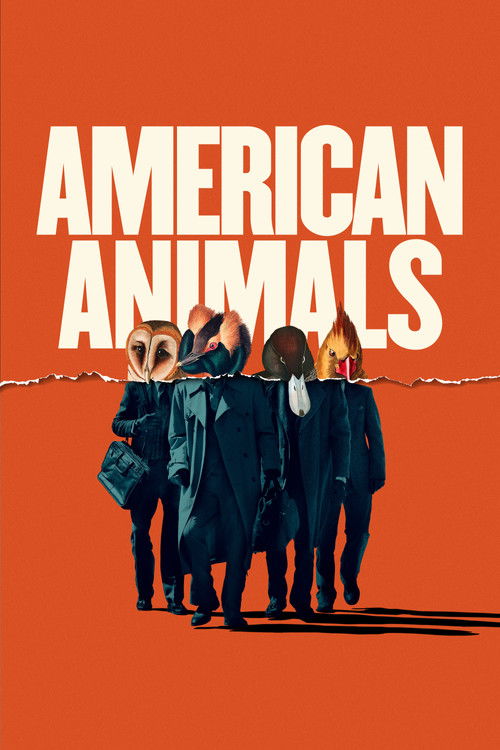
American Animals2018
Ben Hoole's genre-bending film about young men trying to pull off a heist. It interrogates the gap between who we are and who we want to be in ways that echo Wallace's preoccupations.
But The experimental framing—mixing film, interviews, and animation—feels show-offy. Some moments don't land, and the tone wavers.
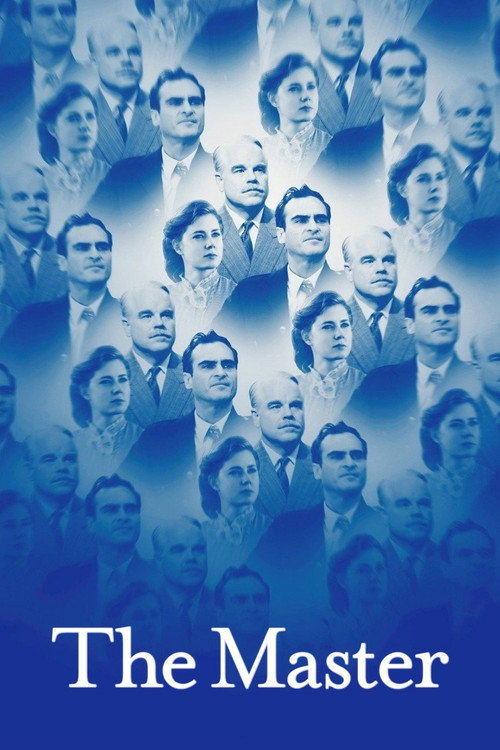
The Master2012
Paul Thomas Anderson's portrait of two brilliant, broken men unable to truly connect. Joaquin Phoenix and Philip Seymour Hoffman create something raw about ambition, faith, and the hunger to matter.
But It's opaque and demanding. Anderson doesn't guide you. If you need narrative clarity or character arcs that resolve, this will frustrate you.
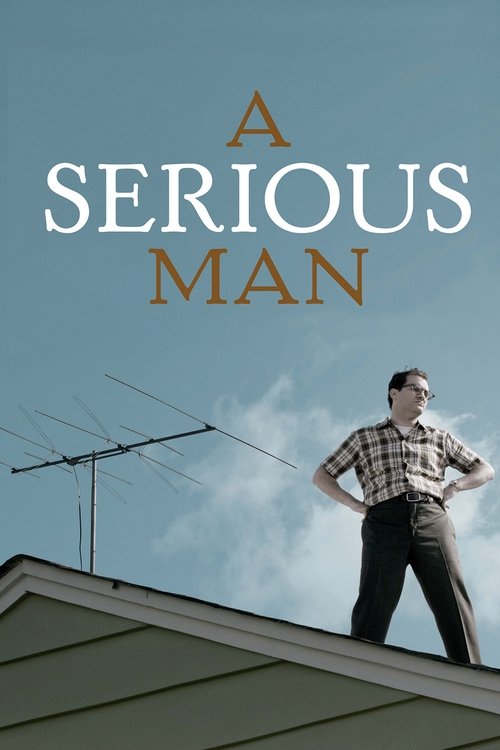
A Serious Man2009
The Coen Brothers' dark comedy about a man's life falling apart while he searches for meaning. Jewish intellectual anxiety and American dislocation—very Wallace in register and preoccupation.
But It's aggressively bleak and won't give you the explanation you want. The ending is deliberately unsatisfying. Some find it punishing.
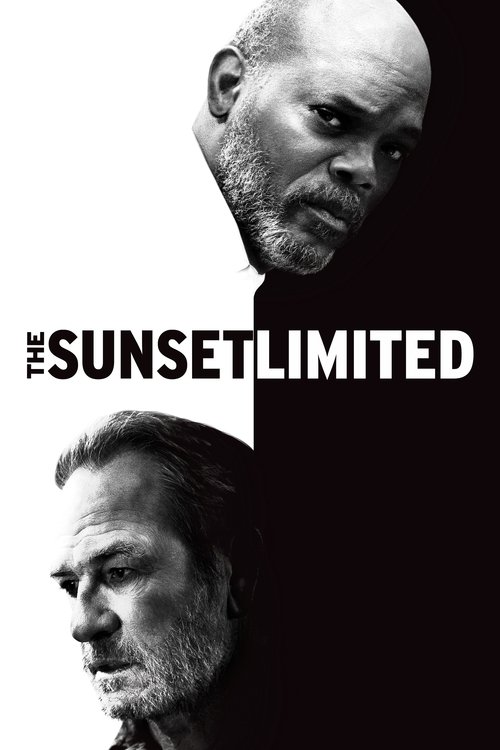
The Sunset Limited2011
McCarthy's ending explores what The End of the Tour only hints at: the question of whether connection can save a person who's determined to self-destruct. Both films ask whether understanding someone is enough.
Cormac McCarthy adapted for HBO: two men in a room talking philosophy, suicide, and faith. Raw, uncompromising, and genuinely difficult. Samuel L. Jackson and Michael Shannon are extraordinary.
But It's filmed like a stage play. There's almost no visual language—just men and words and the possibility of death. If you need cinema to move, this won't satisfy you.
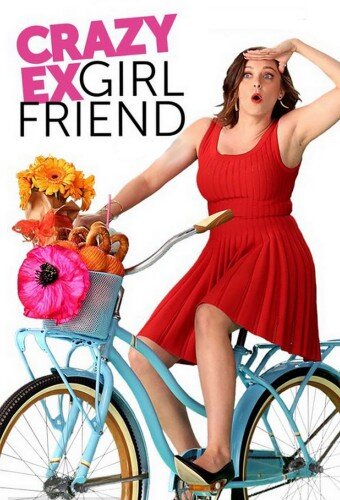
Crazy Ex-Girlfriend2015
Like Wallace's best work, it refuses to choose between comedy and tragedy. It insists that you can be intelligent and lost at the same time, funny and drowning. It's about a person performing wellness while unraveling—which is what the film suggests Wallace himself was doing.
A musical comedy-drama about a woman who derails her life for love, told with astonishing intelligence and genuine sadness. It has Wallace's preoccupation with sincerity and authenticity amid performance. It's funny and it will devastate you.
But The musical numbers take time. The protagonist is actively making terrible choices, which some find unbearable. It's whimsical about serious illness and depression.
People
Cast
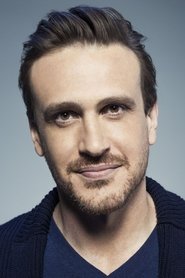 Jason SegelDavid Foster Wallace
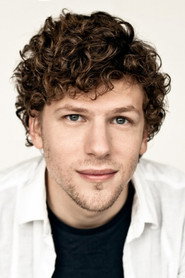 Jesse EisenbergDavid Lipsky
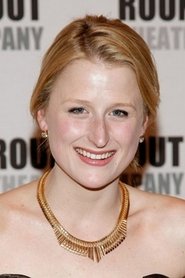 Mamie GummerJulie
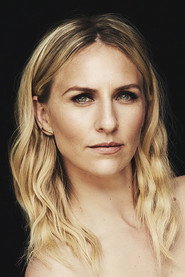 Mickey SumnerBetsy
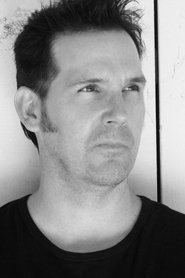 Johnny OttoPilot
 Anna ChlumskySarah
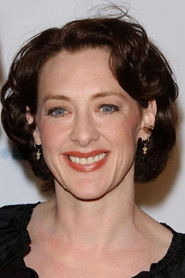 Joan CusackPatty
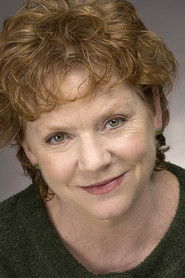 Becky Ann BakerBookstore Manager
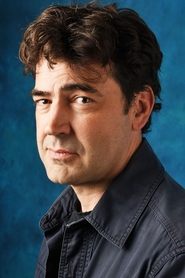 Ron LivingstonDavid Lipsky's Editor
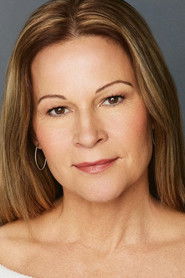 Stephanie CottonUnited Ticket Agent
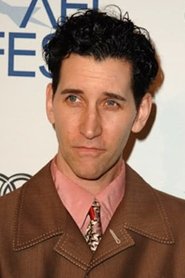 Dan John MillerNPR Host
- Noel FletcherISU Student
Directing
- James PonsoldtDirector
- Nicolas HarvardFirst Assistant Director
- Amber HarleyScript Supervisor
Writing
- Donald MarguliesWriter
Production
- James SamsonAssociate Producer
- Rowan RileyAssociate Producer
- William CollingAssociate Producer
- Avy KaufmanCasting
- Louise LovegroveCo-Producer
- Donald MarguliesExecutive Producer
- Mark LevinsonExecutive Producer
- Paul GreenExecutive Producer
- David KanterProducer
- James DahlProducer
- Matt DeRossProducer
- Ted O'NealProducer