
Film
No Impact Man
Colin Beavan and his family attempt to live a year in Manhattan with zero environmental impact, ditching takeout, cars, and creature comforts. It's a portrait of privilege colliding with principle, charming but not preachy, honest about how hard it is to walk the walk. For anyone curious about sustainability, or just watching someone scramble.
If you liked this
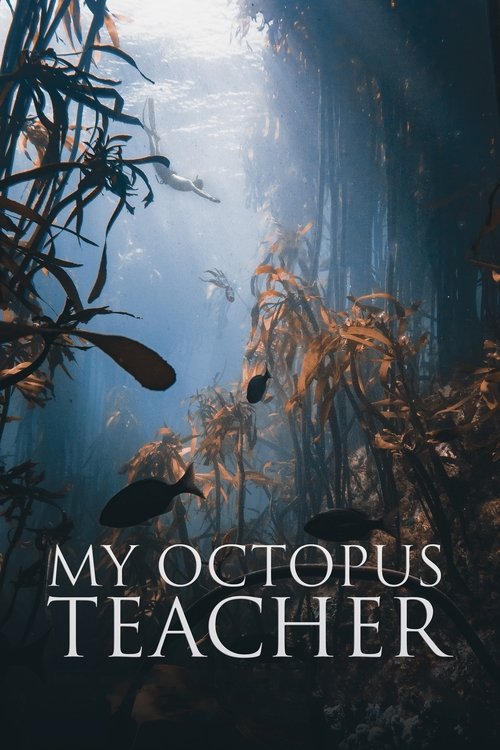
My Octopus Teacher2020
A filmmaker seeks meaning through an intimate year-long relationship with an octopus in South Africa. Like No Impact Man, it's a personal documentary about radical lifestyle shifts and what we learn when we slow down and pay attention.
But Moves slowly and meditative, which can feel indulgent if you're impatient for narrative momentum or big revelations.
Before the Flood2016
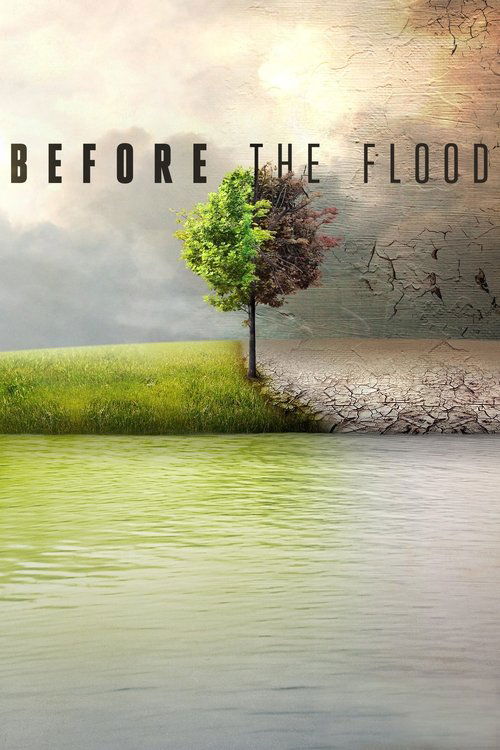
Leonardo DiCaprio travels the world confronting climate change head-on, with pristine cinematography and genuine urgency. It shares No Impact Man's concern for the planet but trades domestic struggle for global scale and celebrity access.
But Can feel glossy and didactic; the solutions offered are often vague, and DiCaprio's privilege sometimes undercuts the message.
The True Cost2015
Follows a fashion designer investigating the human and environmental cost of fast fashion. Like No Impact Man, it traces consumption back to its source, but focuses on a single industry and travels internationally to show the consequences.
But Gets heavy and angry in ways that can feel manipulative; the argument sometimes overshadows nuance about economic desperation in developing countries.

Not sure tonight? Get a pick in a minute, starting from No Impact Man
The wildcard
Something you would not have found on your own.
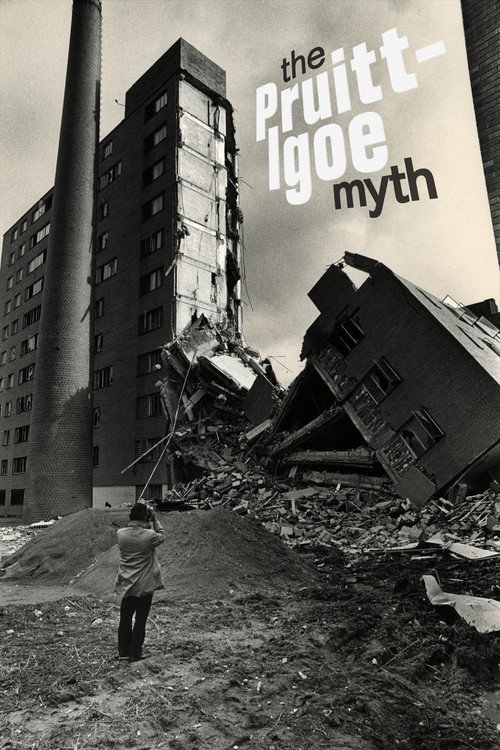
The Pruitt-Igoe Myth2012
Both examine the gap between idealistic visions and what actually happens when humans try to live according to principles; both question whose voices get heard in the conversation about how we should live.
A documentary about the rise and demolition of a St. Louis housing project, told through archives and community voices. It's about well-intentioned systems that fail because they ignored human reality—the opposite of No Impact Man's privileged one-year experiment, but asking the same questions about ideology meeting lived experience.
But Dense historical material, slow pacing, and assumes viewer familiarity with American urban policy; can feel academic rather than personal.
More like this (8)
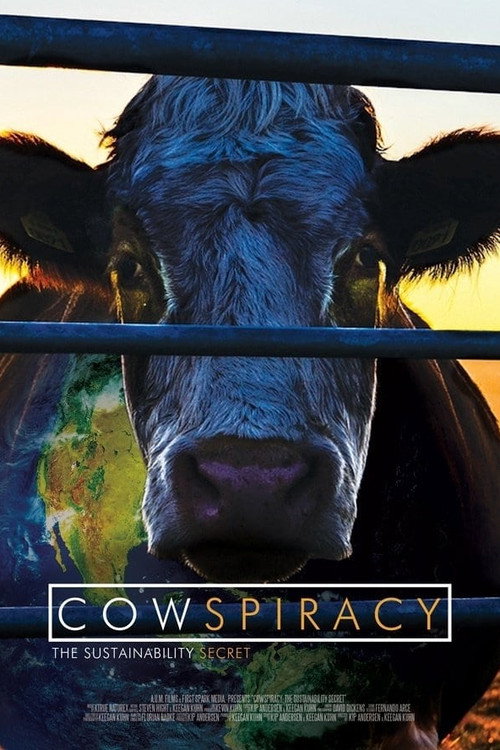
Cowspiracy: The Sustainability Secret2014
Two filmmakers investigate how livestock agriculture drives environmental destruction. It has the intimate documentary feel of No Impact Man but builds a tighter argument and presents data more compellingly than personal anecdote.
But The vegan agenda is unmissable, and some of its claims are debated among environmental scientists; can feel preachy to those not already convinced.
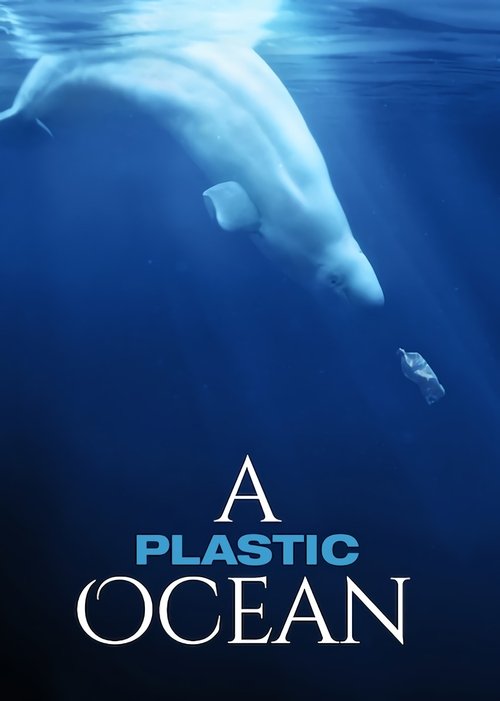
A Plastic Ocean2016
An explorer and journalist investigate plastic pollution in our seas through interviews and underwater footage. Shares No Impact Man's focus on individual consumption habits but widens the lens to show where our waste actually ends up.
But Alternates between stunning visuals and genuinely disturbing imagery; the scale of the problem can feel paralyzing rather than motivating.
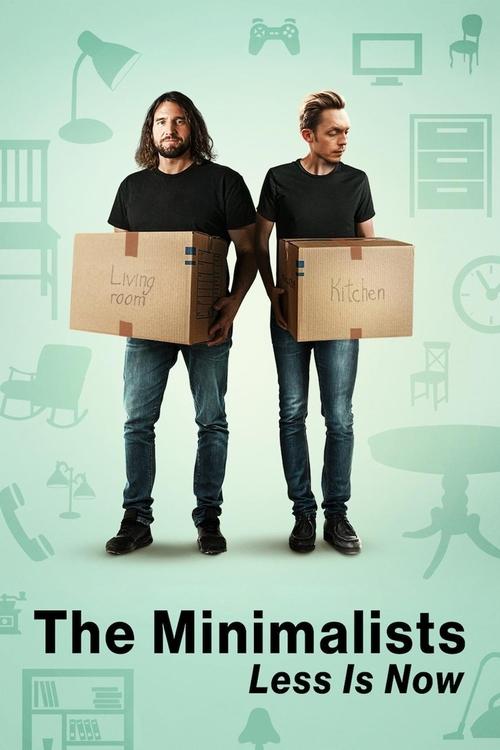
The Minimalists: Less Is Now2021
Joshua Fields Millburn and Ryan Nicodemus explore minimalism across different cultures and contexts. Thematically aligned with No Impact Man's rejection of stuff, but more philosophically grounded and less about guilt.
But Can feel self-congratulatory about choosing less; the people featured often have resources that make minimalism a choice rather than a necessity.
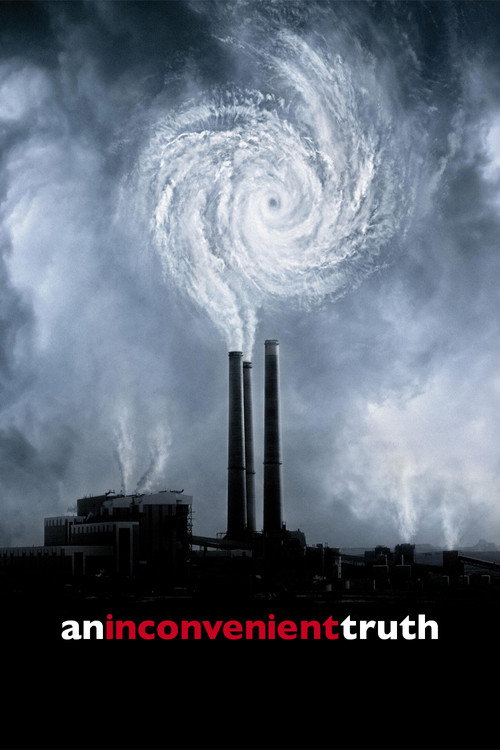
An Inconvenient Truth2006
Al Gore presents climate science with clarity and moral weight. It's the documentary that brought environmental anxiety into mainstream consciousness and pairs well with No Impact Man's personal approach.
But Some specific predictions haven't aged well; feels dated now and occasionally slips into alarmism rather than nuance.
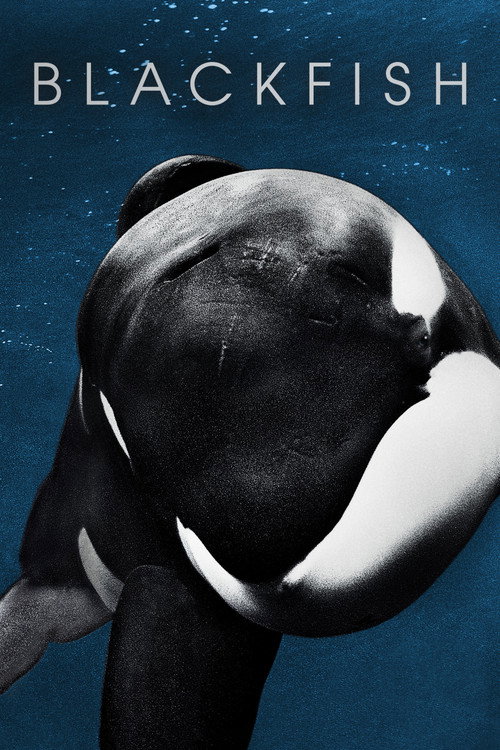
Blackfish2013
An investigation into SeaWorld's treatment of orcas that builds quietly and devastatingly. Like No Impact Man, it asks uncomfortable questions about what we're willing to accept for entertainment and comfort.
But Can feel like advocacy over journalism; some of its specific claims have been contested, and critics argue it oversimplifies marine biology.
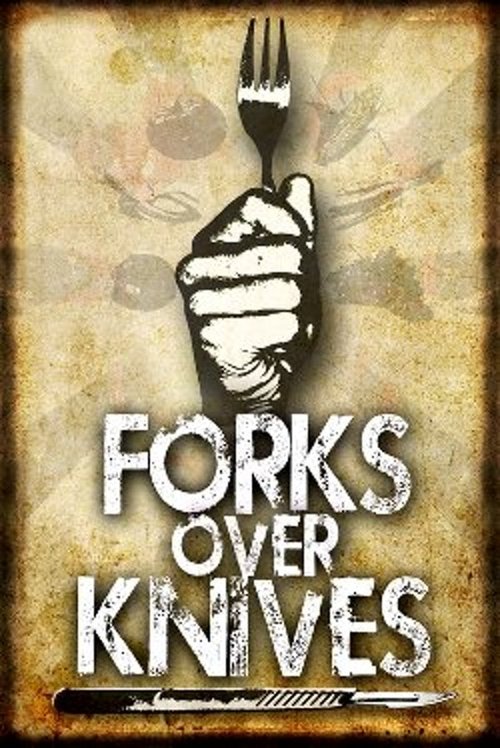
Forks Over Knives2011
Examines the link between diet and disease through interviews with scientists and doctors. Complements No Impact Man's examination of consumption by focusing on food specifically and what 'natural' actually means.
But Heavy-handed at times; cherry-picks studies and doesn't engage seriously with counterarguments from nutrition science.
Stalker1979
Like No Impact Man, it's concerned with what we're willing to sacrifice for principle, and whether the journey changes you more than the destination. Both trust slowness and ask what we're really searching for.
Andrei Tarkovsky's masterpiece about a guide leading two men through a mysterious zone to find enlightenment. Hypnotic and philosophical—about the things we seek and whether we really want to find them, rendered in long, patient shots of landscape and human longing.
But Glacially paced; no plot to speak of; three hours of people walking and talking, often about abstract ideas. Requires active attention and tolerance for ambiguity.

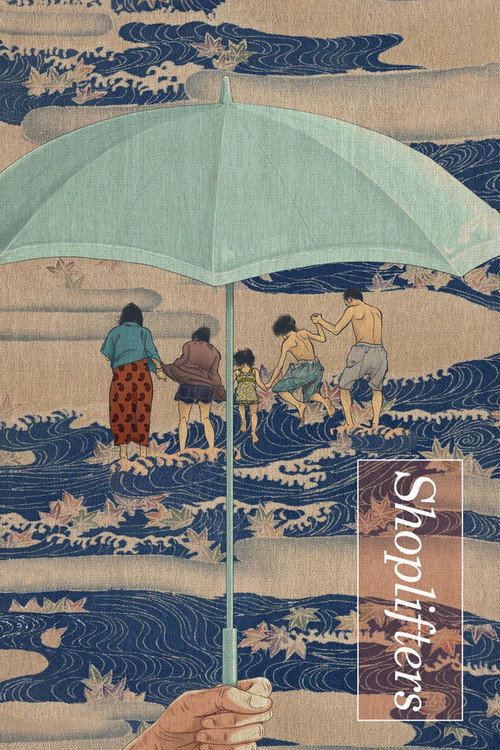
Shoplifters2018
Both films examine consumption and impact, but No Impact Man asks 'what if I gave up my comforts?' while Shoplifters asks 'what if you never had them?' Same questions about survival and ethics, radically different contexts that expose the limits of privilege as a starting point.
Hirokazu Kore-eda's film about a family surviving through petty theft in Tokyo, yet bound together by love and small kindnesses. It's about consumption and need, but from the opposite angle—what happens to people who have almost nothing, and how they make meaning anyway.
But Quiet and subtle to the point where plot barely registers; the resolution hinges on emotional subtext rather than dramatic revelation; resists moral judgment in ways that might feel evasive.
People
Cast
- Colin BeavanHimself
- Michelle ConlinHerself
Directing
- Laura GabbertDirector
Production
- Dan CoganExecutive Producer
- Justin ScheinExecutive Producer
- Dasha TolstikovaProducer
- Eden WurmfeldProducer
- Laura GabbertProducer
- Tobey ListProducer