
Film
Dying To Have Known
Dying To Have Known follows a filmmaker investigating the Gerson Therapy, a nutritional protocol claimed to cure cancer and degenerative disease. It presents patient testimonies, medical professionals, and scientific arguments for its efficacy across multiple countries. The film questions why such a treatment remains marginal in mainstream medicine. It's polemical advocacy cinema—compelling if you're open to its premise, frustrating if you're skeptical.
Should you watch it?
Watch it if you want to see how a persuasive case for an unproven cancer diet is assembled, with testimonials stacked against confident talking heads, so you can take it apart with a critic's eye.
Skip it if you or someone you love is facing cancer and needs sound guidance, since this film argues against treatments that work and offers no fair test of its own claims.
What it asks of you: Its shape is a long, talky run of interviews and travel footage, unhurried, with little room for counterargument and a lot of asking you to trust the speakers.
Not sure? Find tonight's pick in a minute.
If you liked this
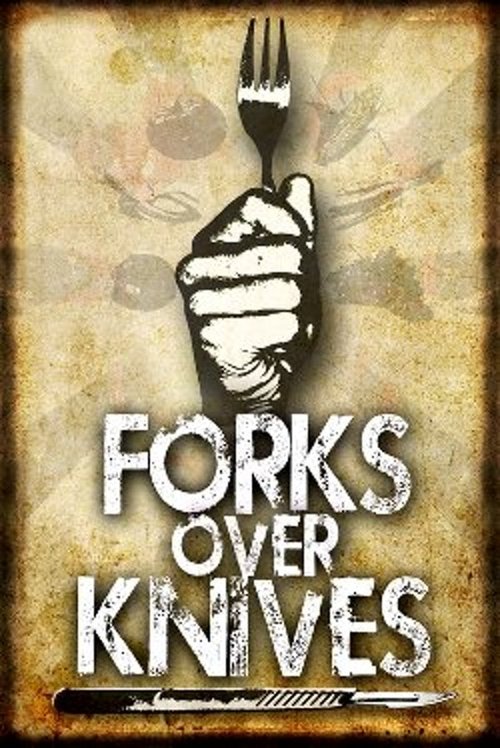
Forks Over Knives2011
Examines the link between plant-based diets and disease prevention through epidemiology and patient stories. Less conspiratorial than Gerson but asking similar questions about nutrition's role in health outcomes.
But Feels more like a TED talk than cinema. Arguments can oversimplify the complexity of dietary science and individual variation.
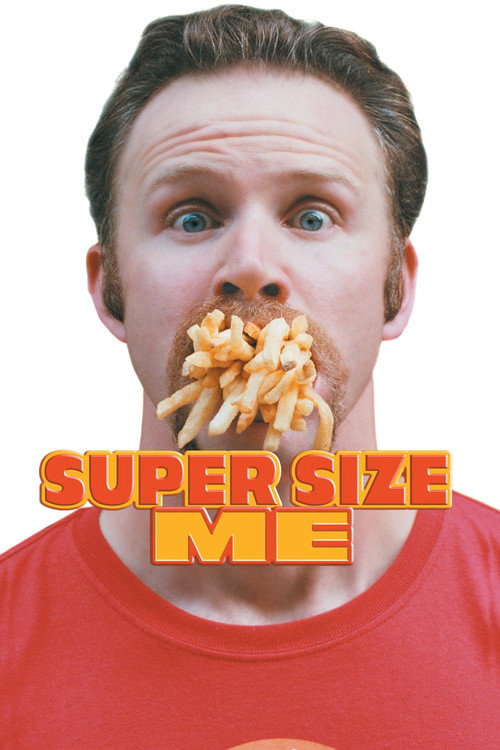
Super Size Me2004
A filmmaker uses his own body as an experiment to expose how industrial food harms us. Direct, visceral, and entertaining—it makes a health argument through personal narrative rather than abstract claims.
But The science has been contested and refined since release. Some find the stunt-documentary approach reductive for serious health topics.
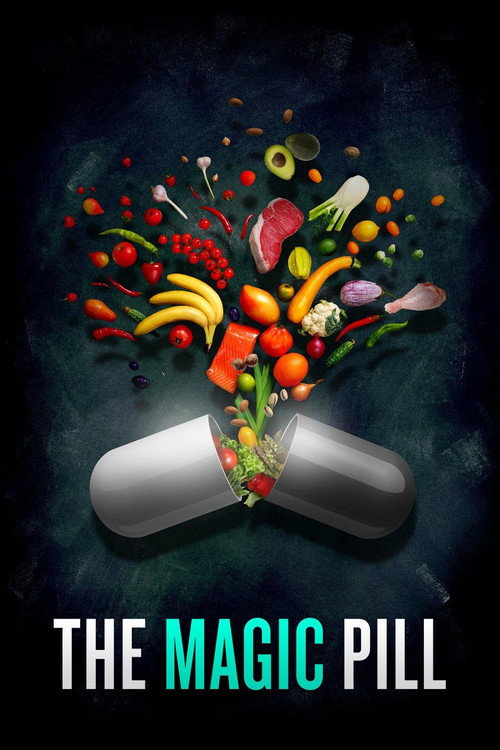
The Magic Pill2017
Explores ketogenic and low-carb diets as metabolic intervention for cancer, diabetes, and neurological disease. Global scope similar to Gerson, with doctors and patients testifying to dramatic results.
But Netflix pulled it after criticism from mainstream nutrition experts. The claims outpace the evidence base significantly.
Not sure tonight? Get a pick in a minute, starting from Dying To Have Known
The wildcard
Something you would not have found on your own.
Under the Skin2014
Both ask radical questions about the body and institutional authority, but where Gerson seeks truth through testimony, this film suggests truth may be irretrievable. One is optimistic polemic; this is existential terror.
A scarier kind of medical cinema: the body as territory we don't understand. Uses slow horror to explore what we don't know about ourselves, rather than claiming certainty.
But Abstract, visually demanding, and deeply uncomfortable. Not a documentary and offers no answers—only dread.

More like this (5)
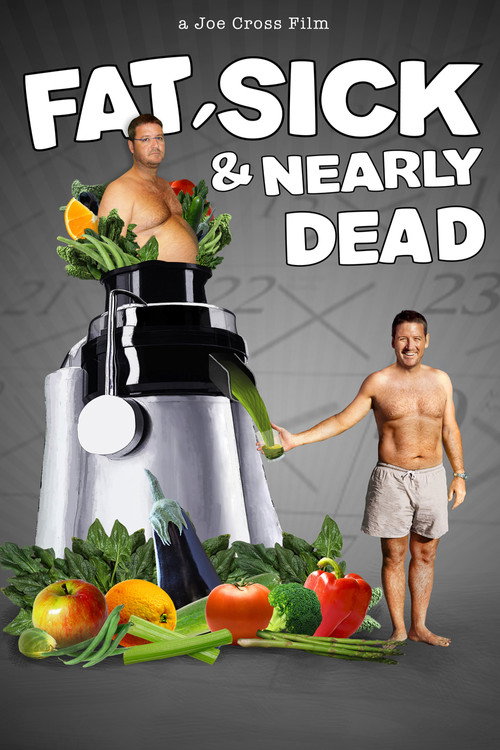
Fat, Sick & Nearly Dead2010
An Australian comedian juices across America to reverse his autoimmune disease. Lighter in tone than Gerson but shares the faith-healing energy—transformation through dietary devotion.
But Extremely credulous. Doesn't engage with why such results might be anecdotal or how survivorship bias works.
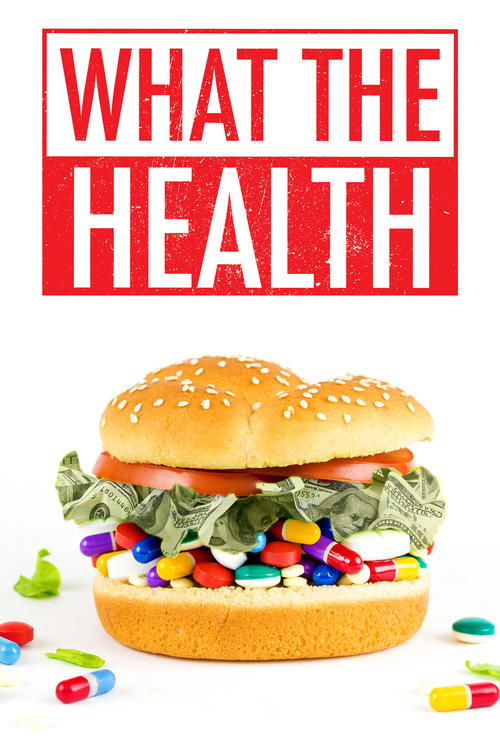
What the Health2017
Goes further than Forks Over Knives, implicating animal agriculture and pharmaceutical companies in preventable disease. Visually dynamic and very angry.
But Factually reckless in places. Health organizations and scientists criticized specific claims as distorted or false.
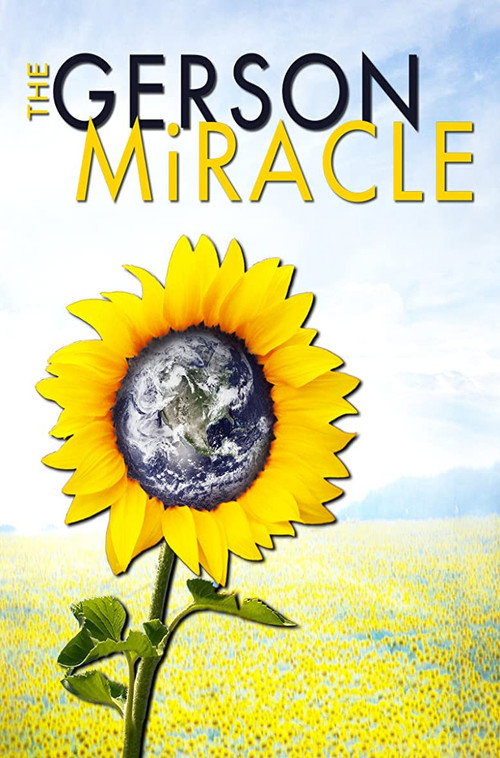
The Gerson Miracle2004
A direct predecessor to Dying To Have Known, also covering the Gerson Therapy with patient testimonies. If you want deeper immersion in the protocol itself, here it is.
But Even more repetitive than Gerson films tend to be. Very long for what amounts to extended patient interviews.
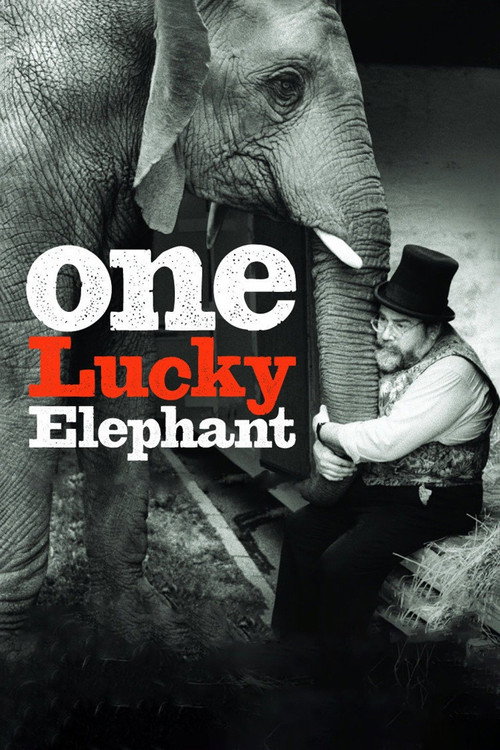
One Lucky Elephant2010
A documentary about alternative elephant therapy and a circus animal's rescue. Explores unconventional healing and questions institutional medicine from a different angle.
But Tangential to health advocacy. The connection to Gerson's themes is thematic rather than substantive.
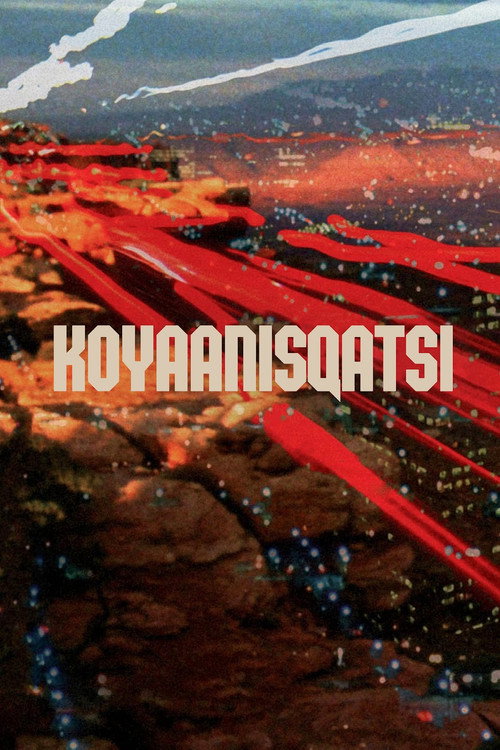
Koyaanisqatsi1983
Both diagnose modern disease as caused by how we live, but Gerson blames specific treatments while this blames everything about contemporary existence. One seeks a protocol; this suggests we need to abandon the frame entirely.
No narration, no interviews—a visual argument that industrial civilization is making us sick. Proposes that the disease is systemic and structural, not just nutritional or individual.
But Demands patient, meditative viewing. No plot, no characters, and it trusts images over explanation to the point of obscurity.
People
Cast
- Charlotte GersonSelf - Dr. Gerson's Daughter
- Stephen BarretSelf - Health Fraud Expert
- T. Colin CampbellSelf - Professor Emeritus of Nutritional Biochemistry, Cornell University
- Caldwell Esselstyn Jr.Self - Surgeon and Coronary Specialist
- Yoshihiko HoshinoSelf - Professor of Medicine
- Andrew W. SaulSelf - Author
- Howard StrausSelf
Directing
- Steve KroschelDirector