
Film
The Cure
A New Zealand thriller about a scientist who uncovers her pharmaceutical employer's suppressed cancer cure and races to expose it. Fast-paced and punchy, with the kind of righteous anger that propels a story forward. It's for anyone who enjoys corporate conspiracy wrapped in accessible action, where the stakes feel personal rather than apocalyptic.
If you liked this
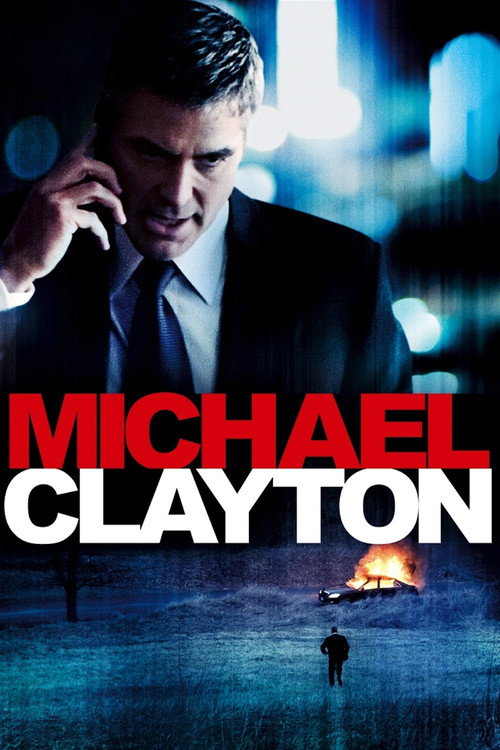
Michael Clayton2007
George Clooney as a corporate fixer unwinding a conspiracy from the inside. Tense, intelligent, and built on the same moral engine: one person versus an institution designed to bury truth. The slow burn builds to genuine dread.
But It's a deliberate, character-driven thriller that moves like a legal brief, not an action film. If you need constant momentum, this will feel like waiting.
Erin Brockovich2000
Julia Roberts as a legal assistant fighting a corporation poisoning a town. Same core story—an individual taking on a machine that profits from harm—but warmer and more grounded in real consequences. Proof that corporate thrillers can make you care deeply.
But It's two and a half hours of procedural work and conversation. The satisfaction is earned slowly, not dispensed in set pieces.

Silkwood1983
Meryl Streep as a nuclear plant worker exposing safety violations. A masterclass in building dread from bureaucratic indifference. The paranoia feels earned because the threat is systemic, not melodramatic. Quietly devastating.
But It's more interested in Streep's exhaustion than in action beats. The ending will sit with you uncomfortably, which is the point but maybe not your evening.
Not sure tonight? Get a pick in a minute, starting from The Cure
The wildcard
Something you would not have found on your own.
The Whistle Blower1986
Both are about individuals discovering that the institution they trusted has already made its calculation—their exposure of truth is a corporate/governmental decision to silence, not an accident to uncover.
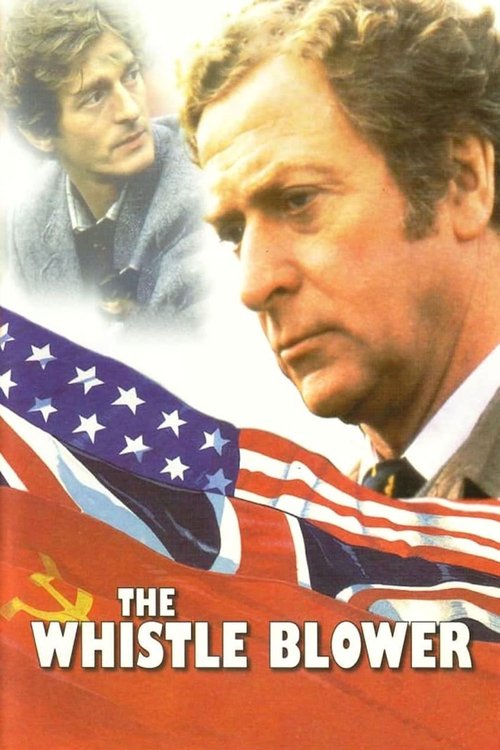
Michael Caine as a retired intelligence officer uncovering a state conspiracy. British, understated, and glacially tense. The performance is a masterclass in quiet rage—watching someone realize the institution they served betrayed them. Genuinely haunting.
But It's slow and operates in whispers. The payoff is moral, not cathartic, and the ending offers no triumph, only recognition. Very of its era, which means formal and cold.
More like this (8)
The Insider1999
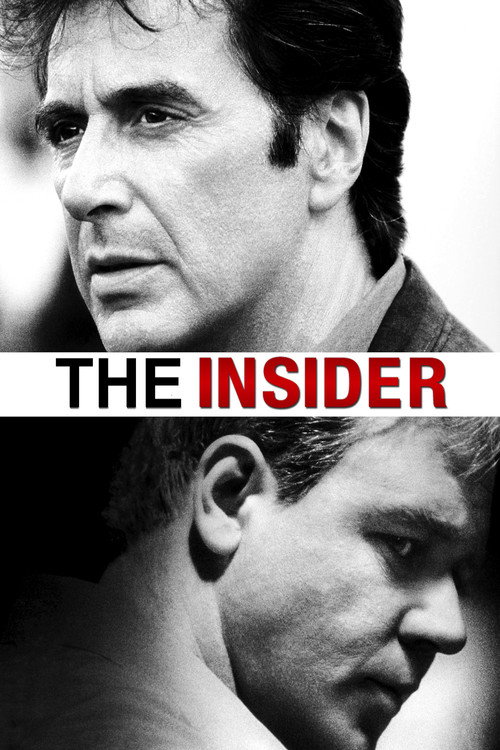
Russell Crowe and Al Pacino in a thriller about a tobacco company whistleblower. Michael Mann's direction turns corporate procedure into white-knuckle tension. The best film about how institutions crush individuals from inside the system.
But It's nearly three hours and heavy with corporate jargon. Some scenes of confrontation can feel repetitive if you're not locked into the moral stakes.
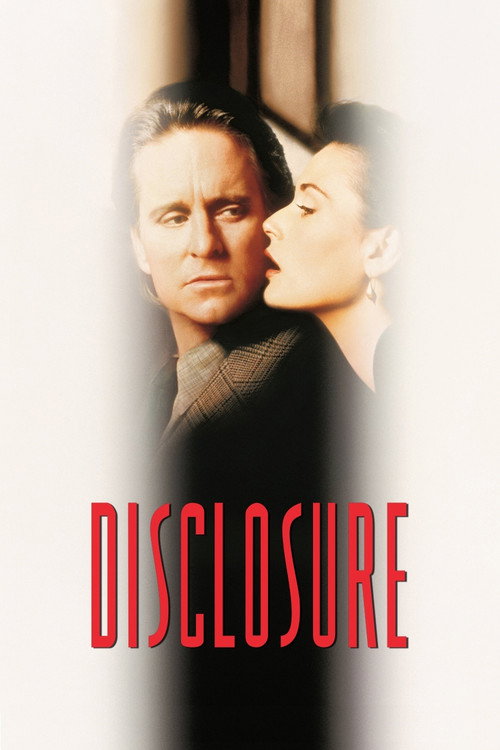
Disclosure1994
Michael Douglas in a corporate thriller where information is the only weapon. It moves like a tech-era paranoia film—every email and computer moment feels charged with threat. Underrated as a pure plot machine.
But The gender politics haven't aged well and will distract you. Some will find it dated; others will find it offensively so.
The Constant Gardener2005
Ralph Fiennes investigating a pharmaceutical company's crimes in Africa. Uses gorgeous cinematography to make corporate evil feel both beautiful and monstrous. The stakes expand beyond one person into something truly consequential.
But It's a slow-burn mystery that requires patience and emotional investment. The violence, when it comes, is brutal and will upset you.

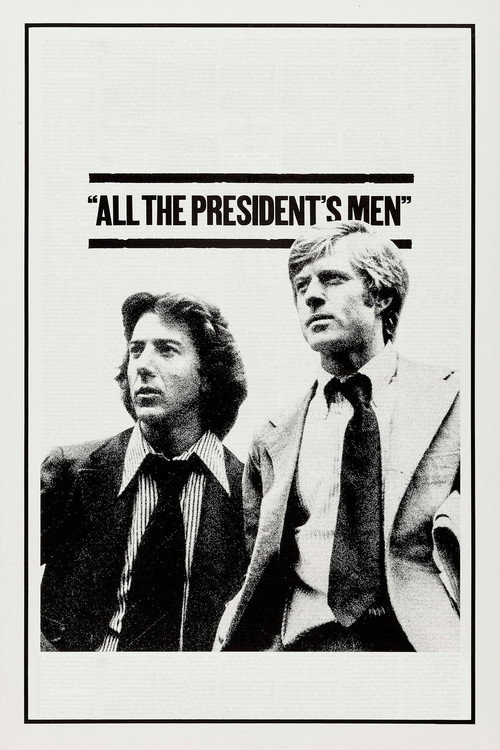
All the President's Men1976
Woodward and Bernstein chasing Watergate. The template for all conspiracy thrillers: two people with access, determination, and the machinery arrayed against them. Brilliantly made and endlessly rewatchable. Shows why journalism matters.
But It's procedural and wordy, full of 1970s newspaper protocol. If you need plot propulsion over atmosphere, you'll find it slow.
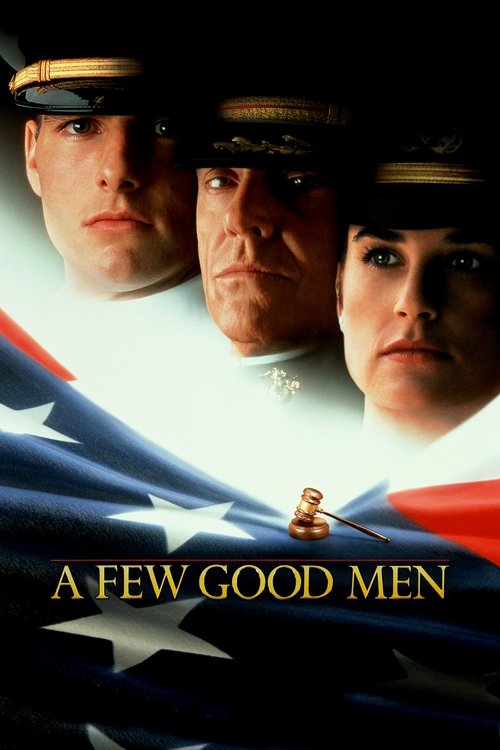
A Few Good Men1992
Tom Cruise and Jack Nicholson in a military courtroom thriller. The engine is identical: a system hiding the truth, and someone willing to fight to expose it. Entertaining, quotable, and satisfying as pure thriller mechanics.
But It's been imitated so often it feels familiar now. The rhetoric can slide into jingoism if you're thinking critically about military institution critique.
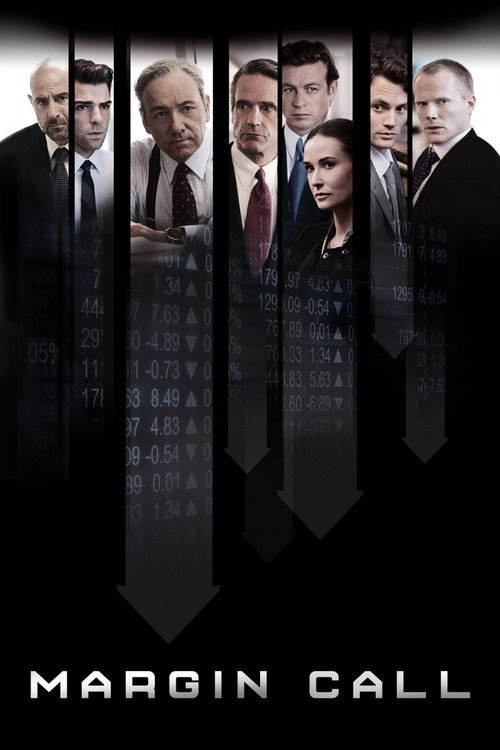
Margin Call2011
An ensemble cast navigating a financial crisis in real-time across one night. Tense conversations in glass offices about money and consequence. A thriller that proves you don't need action—just smart people under pressure.
But Dialogue-heavy with financial jargon. If you don't find corporate moral collapse inherently dramatic, this will feel like watching people talk in a conference room.
High Life2018
Both pit individuals against institutions that view bodies as resources. The Cure moves like thriller; High Life moves like nightmare. Same anger, completely different temperature.
Claire Denis's bizarre, haunting sci-fi about prisoners on a spaceship. It shares The Cure's DNA: medical experimentation for profit, bodily autonomy violated by institutions, and a female lead resisting. Visually stunning, morally unsettling, utterly unlike anything else.
But It's slow, dreamlike, sexually explicit, and philosophically dark. The narrative is fragmented. If you want linear storytelling and conventional sci-fi, this will feel like an endurance test masquerading as art.

Spotlight2015
Both centre on people exposing systems that profited from silence, but Spotlight widens the lens from one hero to a team, and from corporate to institutional evil. Same investigation, far larger consequences.
The Boston Globe's investigation into Catholic Church abuse. Ensemble journalism thriller that moves with procedural precision and moral weight. Every conversation is about people choosing to pursue truth despite the cost. Understated and powerful.
But It's about institutional abuse of children—the subject matter is heavy. The film doesn't sensationalize, which means it asks you to sit with real harm. Not cathartic; deeply necessary.

People
Cast
 Antonia PrebbleBeth
 Daniel LissingRyan
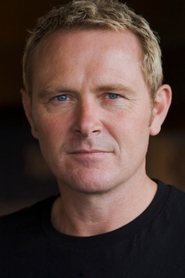
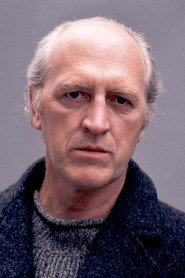 John BachLionel
- John LandrethWentworth
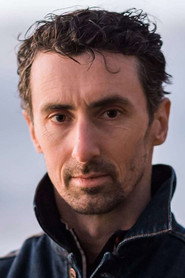 Ben FranshamER Doctor
 Laura SurrichSecretary
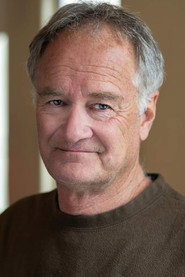
 Natalie CraneHallway Nurse