
Television series
The Comey Rule
A two-part drama about the collision between FBI Director James Comey and President Trump during the 2016 election and its aftermath. It's a tense, procedural account of institutional power clashing with political pressure, rooted in real documents and interviews. For viewers interested in recent history and how the machinery of government actually works under extraordinary stress.
If you liked this
All the President's Men1976
The template for political thrillers about institutional pressure and investigative integrity. Redford and Hoffman navigate bureaucratic peril with the same careful precision Daniels brings to Comey. Essential viewing to understand why this story matters.
But Deliberately paced; it's more about process than propulsion. If you need constant plot momentum, this will feel slow.

Spotlight2015
Another ensemble investigation into institutional compromise and the courage required to follow truth. The quiet tension of people doing unglamorous work under pressure. Same moral clarity, similar stakes, different terrain.
But Very deliberately quiet. The satisfaction is intellectual rather than visceral, which can feel distant on first viewing.

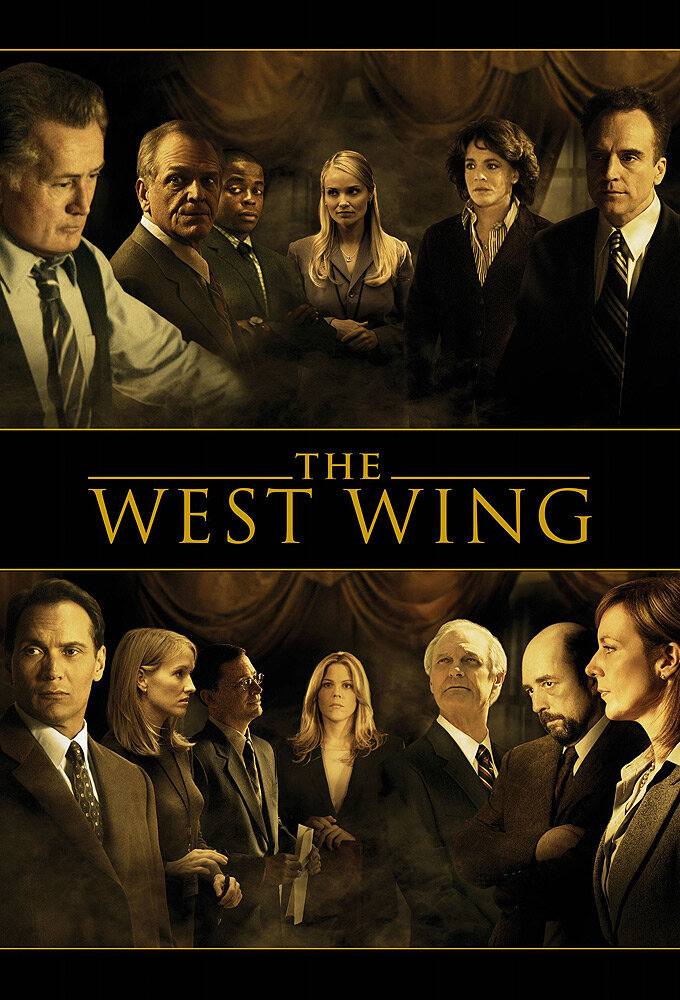
The West Wing1999
The idealistic counterpoint: what happens when government works as intended. After The Comey Rule's institutional collision, this shows the other side of that coin. Sorkin's rapid-fire dialogue is the opposite energy but explores similar themes of duty and principle.
But Relentlessly optimistic about institutions. Some find it naive, particularly after watching how pressure actually deforms systems.
Not sure tonight? Get a pick in a minute, starting from The Comey Rule
The wildcard
Something you would not have found on your own.
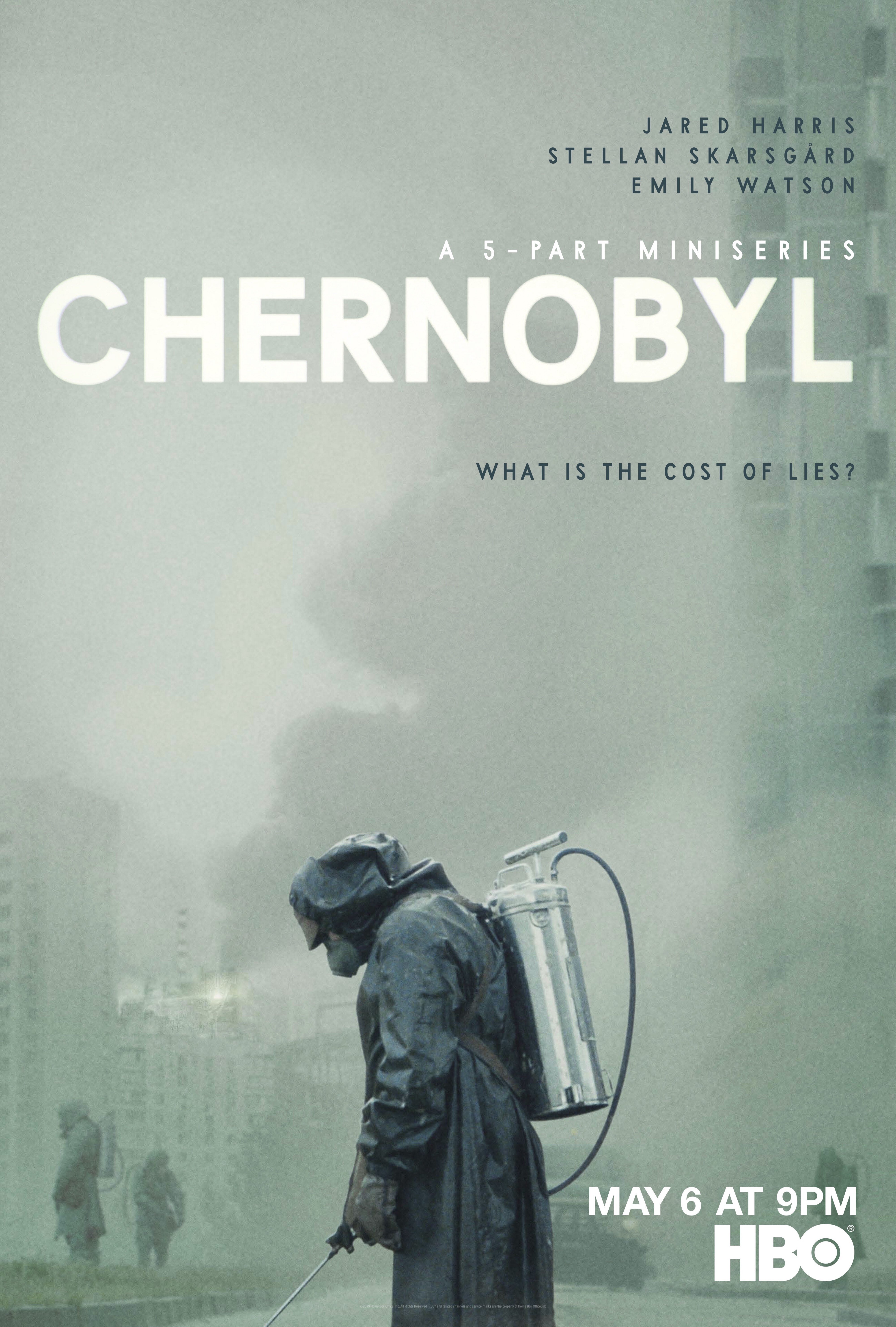
Chernobyl2019
Both are about men inside systems discovering the system itself is the problem. Comey and Legasov are on opposite sides of history but trapped in identical moral machines.
Not politics, but the same engine: institutional pressure crushing individual conscience. A Soviet official must navigate bureaucratic lies while trying to save lives. The same moral weight, same slow-building dread, same collision between duty and power.
But Historical drama about nuclear catastrophe. Relentlessly bleak. If you're watching The Comey Rule for procedural relief, this offers none.
More like this (8)
Tinker Tailor Soldier Spy2011
A different kind of institutional paranoia film. The same slow-burn tension of secrets inside bureaucracies, the same visual clarity about how power moves through rooms. Gary Oldman's restraint mirrors Daniels' approach beautifully.
But Even slower than All the President's Men. Long stretches of wordless observation. Requires patience and attention.

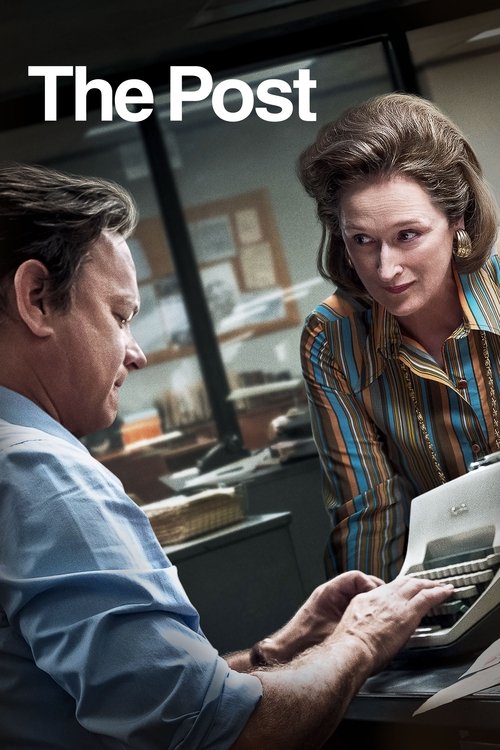
The Post2017
Streep and Hanks navigate institutional pressure and principle during the Pentagon Papers. Published just before The Comey Rule; they're companion pieces about when leaders choose democracy over convenience.
But Occasionally feels like it's preaching to the converted. Some scenes prioritise message over texture.
Veep2012
The Other Side of the coin: brutal comedy about political machinery and how ambition corrupts. Not a documentary like The Comey Rule, but it captures institutional chaos with savage accuracy. Julia Louis-Dreyfus is magnificent.
But Relentlessly cynical in a way that can exhaust you. Also structured entirely around comedy; no dramatic relief from the jokes.

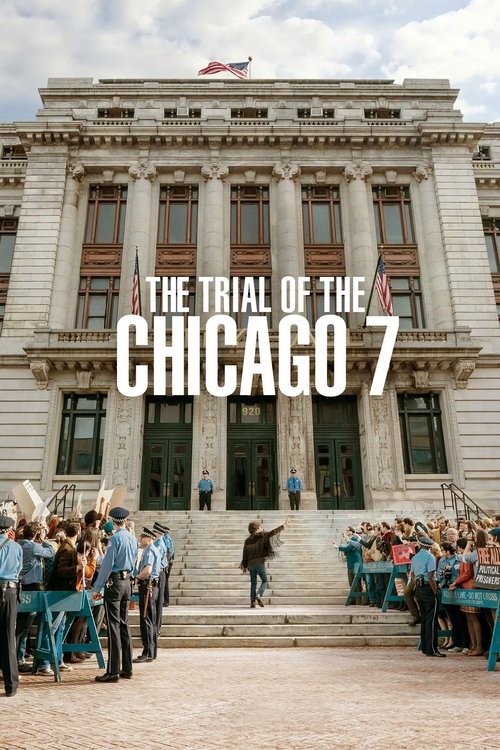
The Trial of the Chicago 72020
Sorkin's recent ensemble legal drama about institutional pressure during political upheaval. Similar DNA to The Comey Rule but filtered through courtroom procedure. Energetic, angry, and structurally thrilling.
But Sometimes substitutes speeches for genuine character work. Can feel more interested in rhetoric than people.
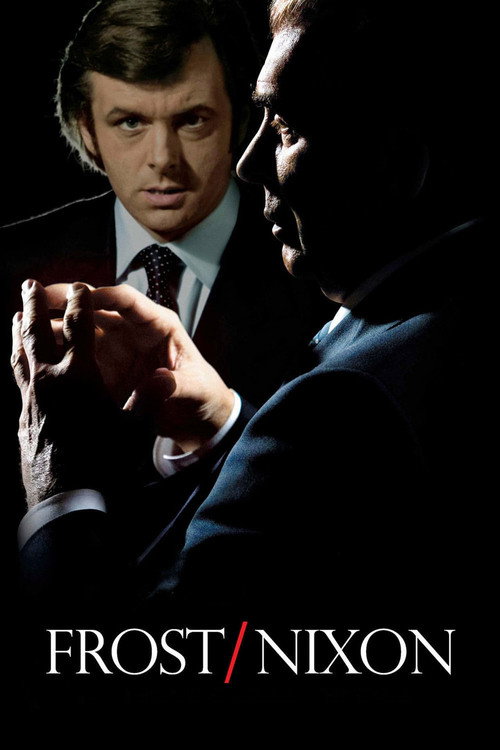
Frost/Nixon2008
Two men in a room, institutional power at stake, one trying to tell truth and one fighting to control narrative. Langella and Sheen embody the same asymmetry of will you see in Comey and Trump.
But Theatrical staging sometimes oversells the emotional stakes. Feels constructed rather than observed.
The Good Fight2017
Legal procedural set in Trump's America. Each episode tackles real institutional pressures—the courts, surveillance, political interference—with craft and specificity. Thoughtful rather than bombastic.
But Sprawling ensemble means characters come and go. Less focused than The Comey Rule; easier to lose narrative thread.

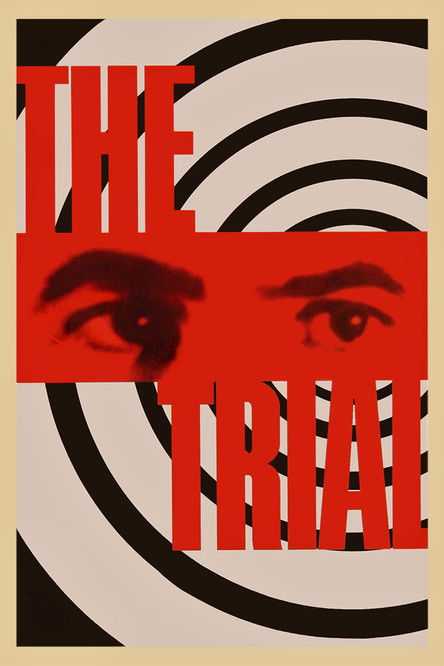
The Trial1962
Both explore what it means to be inside a powerful system that operates by its own logic. The Comey Rule shows it can happen in America; Kafka shows it's the human condition.
Kafka adapted into a nightmare maze of bureaucracy. Orson Welles directs Perkins through a system of power that is absolute, impersonal, and incomprehensible. Feels like it's *about* institutional paralysis rather than dramatising specific events.
But Deliberately unsettling and surreal. You won't emerge feeling satisfied. Some find it pretentious rather than profound.
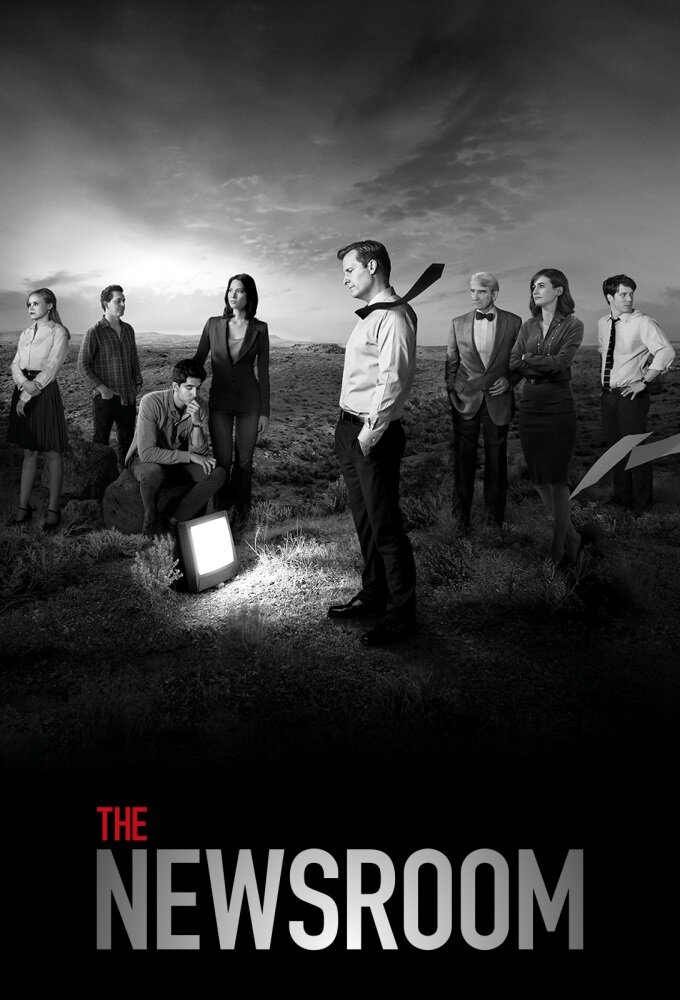
The Newsroom2012
Both came from the same American moment asking: how do institutions hold? The Comey Rule shows government failing; this asks what happens when journalism tries to do its job anyway.
Sorkin's love letter to institutions that work: journalism, principle, and people trying to get the truth right. Each episode works through current events with idealism and rage. It's what The Comey Rule's world looks like from the media side.
But Very much Sorkin: characters are mouthpieces for arguments. Romantic about journalism in ways reality doesn't support. Some find it patronizing.
People
Cast







Writing
- Billy RayCreator
Production
- Richard L. FoxAssociate Producer
- Aaron BaiersCo-Executive Producer
- Frank SiracusaCo-Executive Producer
- John WeberCo-Executive Producer
- Geoffrey HemwallCo-Producer
- Scott HornbacherConsulting Producer
- Alex KurtzmanExecutive Producer
- Billy RayExecutive Producer
- Heather KadinExecutive Producer
- Shane SalernoExecutive Producer
- Cari-Esta AlbertProducer
- Terry GouldProducer