
Television series
Deadline: White House
- Dip in and out
A daily political news show hosted by Nicolle Wallace, drawing on her insider experience in Republican politics and communications. It's sharp, conversational analysis of the day's political developments, mixing reported segments with newsmaker interviews. For people who want context without the performative outrage—someone translating Washington for the genuinely curious.
Should you watch it?
Watch it if you follow Washington day to day and enjoy hearing a former Bush communications chief press politicians on where they actually stand, with the sharp, insider tone of a newsroom debate.
Skip it if you want drama with a beginning, middle and end, since this is an ongoing daily broadcast of argument about the news that dates fast.
What it asks of you: an episode runs close to ninety minutes and keeps a fast, talky rundown of the news moving at a steady clip, so it wants your attention for the whole stretch.
Not sure? Find tonight's pick in a minute.
If you liked this
The Rachel Maddow Show2008
Maddow builds complex political narratives with meticulous reporting and genuine curiosity. She follows stories across years, connecting dots others miss. Watching her work is like having the smartest person in the room explain Washington to you.
But It's long-form and methodical—if you want quick hits, this will frustrate you. The deep dives can feel slow when you're just looking for tonight's headline.

Morning Joe2007
Joe Scarborough and his panel crack the day open with political insiders who actually know people in power. It's conversational, funny, and genuinely unpredictable—you get the sense they're actually thinking, not reading talking points.
But It can veer into clubby insider baseball. If you're outside the political world, sometimes you'll feel like you're eavesdropping on an inside joke.

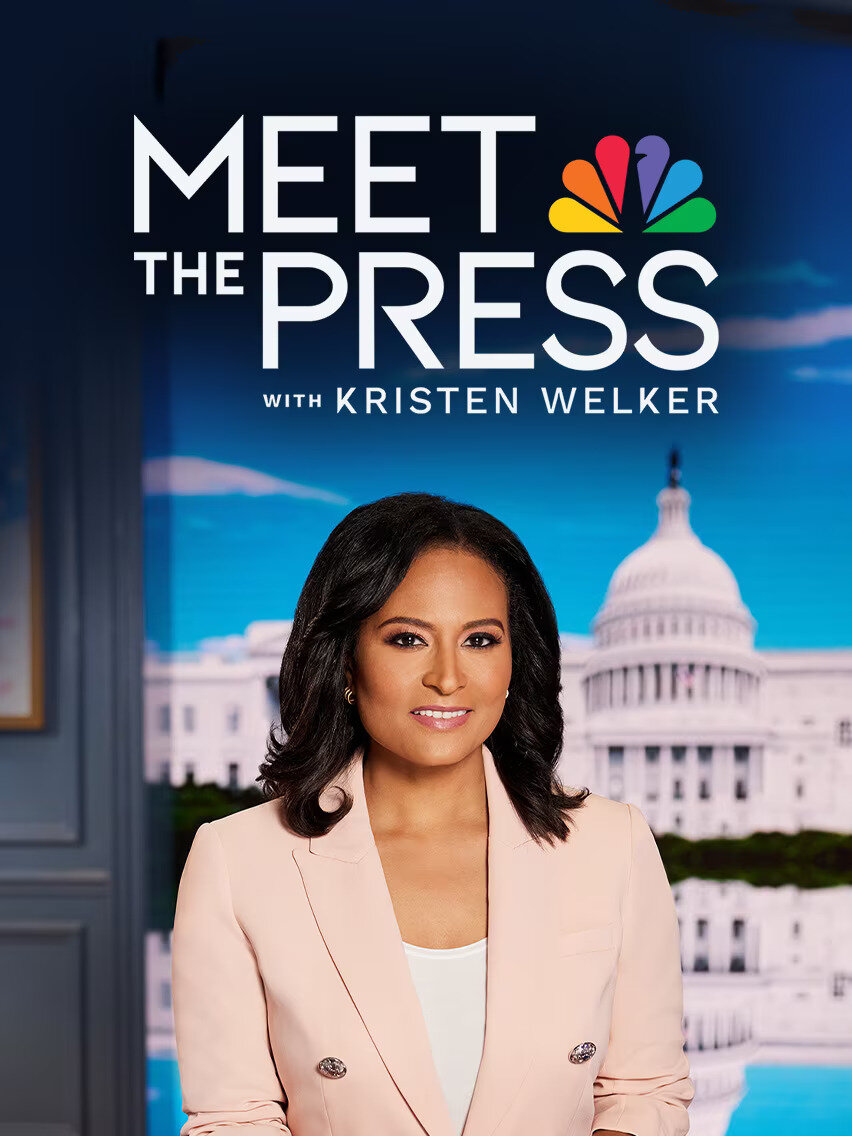
Meet the Press1947
Chuck Todd asks real questions of real politicians and doesn't let them dodge. It's the gold standard of political interview television—substantive, respectful, and genuinely informative about where power actually stands.
But The format is stiff and formal. If you prefer personality-driven commentary, this will feel institutional and dry.
Not sure tonight? Get a pick in a minute, starting from Deadline: White House
The wildcard
Something you would not have found on your own.
Frontline1983
Both shows believe that understanding political decisions requires knowing who actually made them and why. Wallace draws on access; Frontline draws on time. Same hunger for real explanation.
Hour-long investigative documentaries that follow political and policy stories into their actual consequences—in cities, in institutions, in people's lives. It's what happens when journalism has time and resources to actually understand something.
But No host, no talking heads explaining what you're watching. It trusts you to sit with complexity and draw your own conclusions, which can feel demanding.

More like this (5)
PBS News1975
Deep-dive reporting without the cable-news rush. NewsHour takes time to actually explain things—economics, foreign policy, legislation—with the seriousness they deserve. It respects your intelligence.
But It's paced for contemplation, not adrenaline. If you want excitement and rapid-fire takes, this will feel slow.

The Late Show with Stephen Colbert2015
Colbert does political comedy that lands because he actually understands politics. His interviews with politicians and newsmakers are surprisingly substantive—he asks genuine questions wrapped in humour, and guests seem to appreciate the intellectual respect.
But It's entertainment first. If you're looking for analysis rather than laughs, you're watching the wrong show—though you'll get some of both.

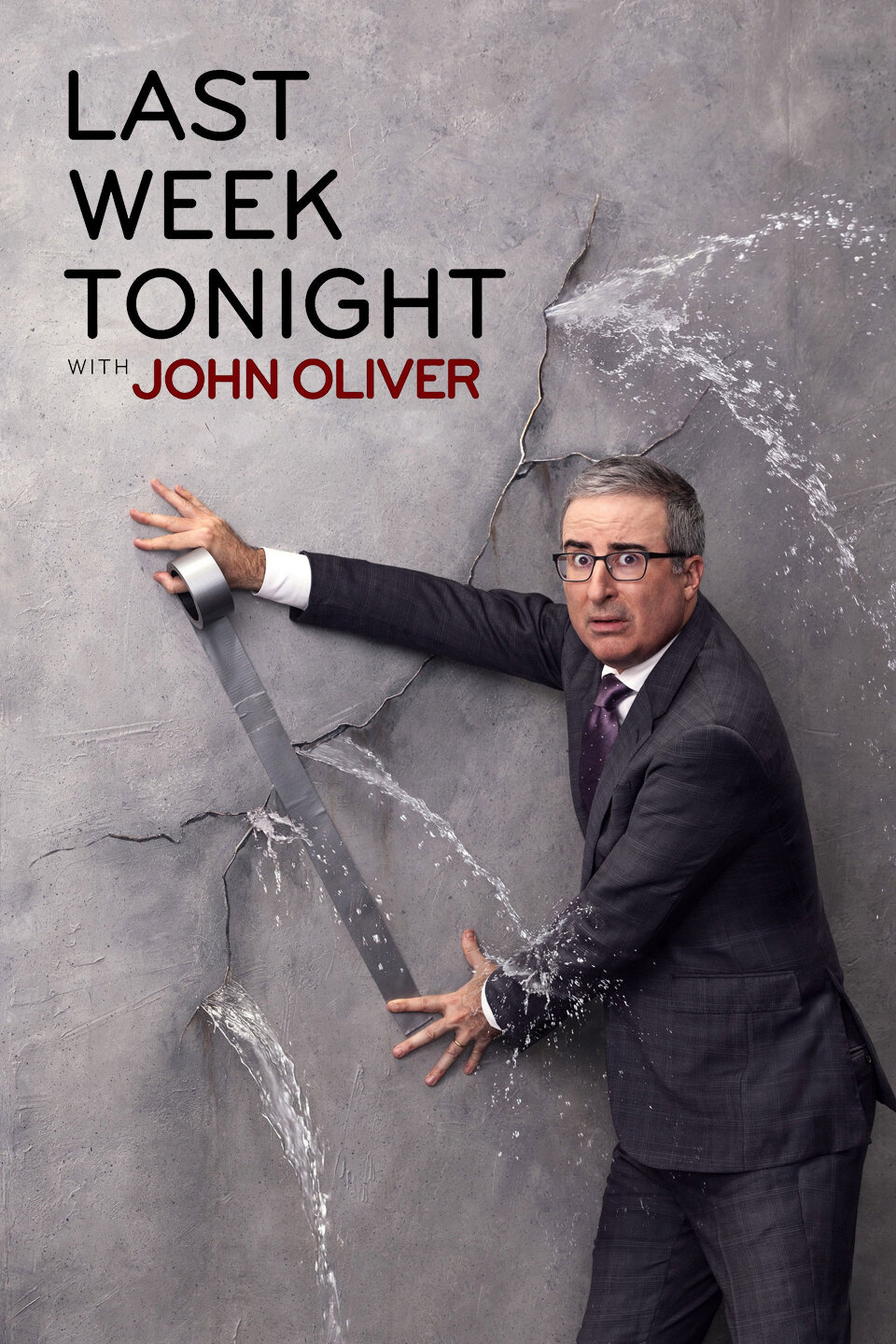
Last Week Tonight with John Oliver2014
Oliver takes one political or policy story each week and investigates it properly—not just the headline, but the actual mechanics and consequences. It's the most thorough political journalism on television, and it's hilarious.
But One story per week is a narrow focus. If you want broad daily coverage of the political landscape, this won't give it to you. Also, the humour isn't for everyone.
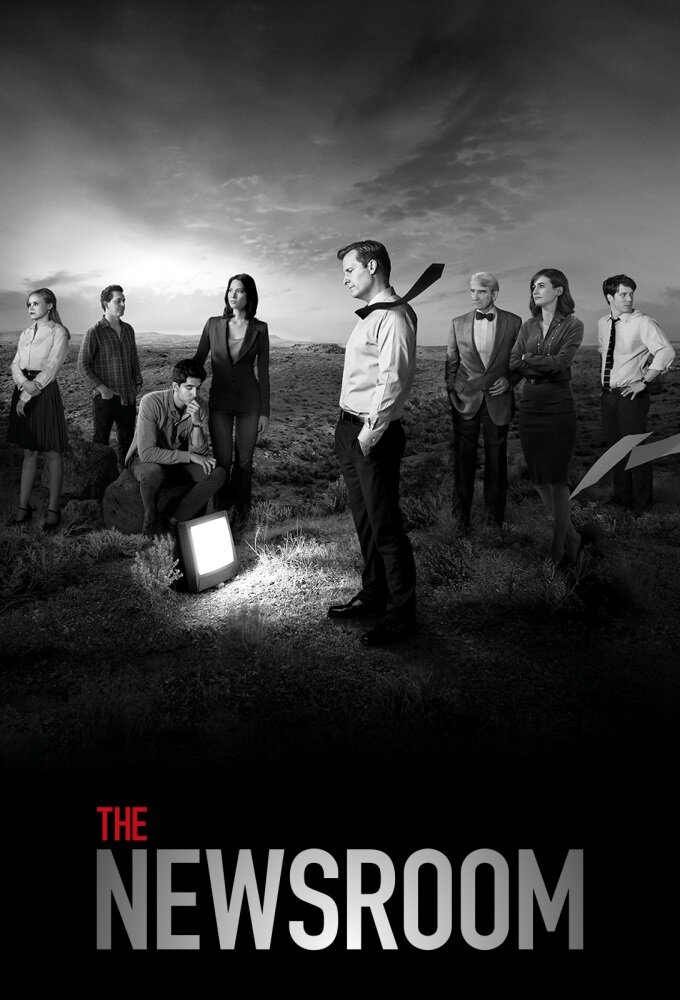
The Newsroom2012
Both are wrestling with the same question: can cable news be a serious tool for understanding power, or is the format itself corrupt? They answer differently, but they're asking the same thing.
Aaron Sorkin's drama about cable news people trying to do journalism right. It's frustrating, earnest, occasionally brilliant fiction about the exact tension Wallace navigates daily: how to be smart and honest when the industry rewards spectacle.
But It's idealistic to the point of naivety about what news can accomplish. Also, Sorkin writes in a heightened register that feels nothing like actual conversation—everyone is always performing.
Veep2012
Wallace worked inside politics; Veep is about seeing inside politics and finding it absurd. One is respectful analysis, one is savage comedy, but they're both based on the idea that the view from inside is completely different from the view from outside.
A pitch-black comedy about how politics actually works—the compromises, the pettiness, the gap between public statements and private motivation. After watching Wallace translate political moves, watching this show shows you what's really driving them.
But It's deeply cynical about human nature and the political process. If you need to believe that your elected officials care, this will depress you. Also, it's relentlessly mean-spirited.

People
Cast
 Nicolle WallaceHost