
Film
Cinema Verite
Cinema Verite dramatizes the making of the 1973 PBS documentary that invented reality television. It's a sharp, melancholy film about how cameras transform the families they film—and how fame can corrode the bonds it claims to celebrate. For anyone interested in media history, artifice, or the price of exposure.
If you liked this
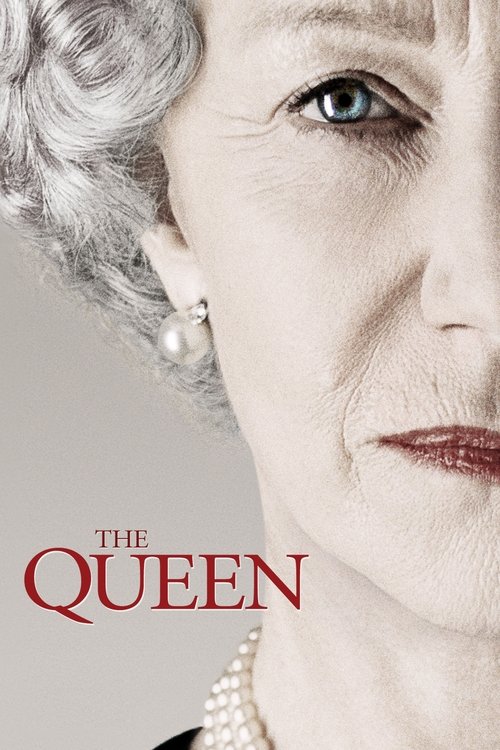
The Queen2006
A portrait of a woman under scrutiny at a pivotal moment, examining how public duty and private anguish collide. Like Cinema Verite, it asks what happens when someone's life becomes a performance for others.
But Deliberately paced and contemplative; if you want dramatic confrontation, this isn't it. Some find it slow.
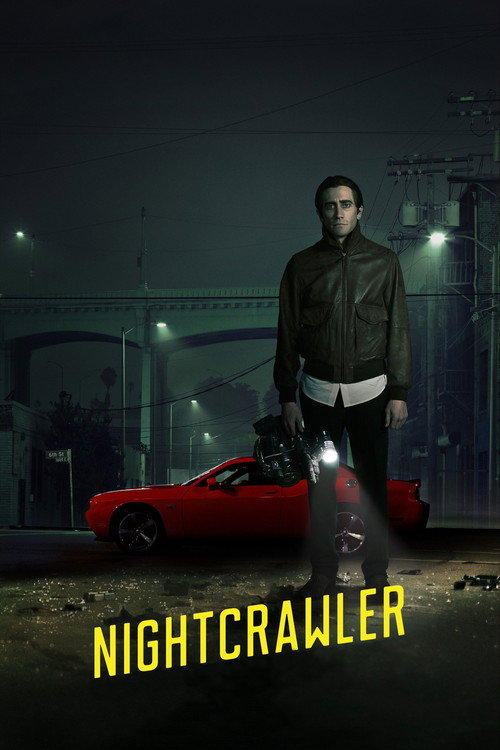
Nightcrawler2014
A chilling study of how the camera—and the hunger to document—corrupts. Jake Gyllenhaal's obsessive filmmaker echoes the ethical questions Cinema Verite raises about the Louds' documentary makers.
But Genuinely unsettling and bleak. The protagonist is reprehensible, which is the point, but not everyone wants that ride.
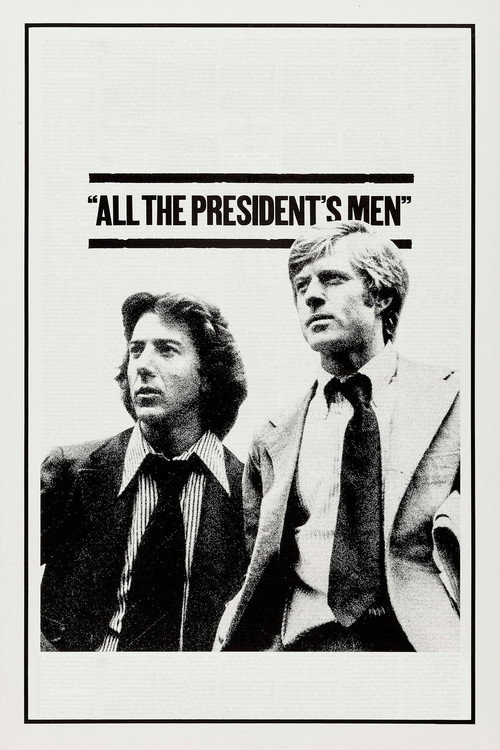
All the President's Men1976
Period journalism drama with moral weight and procedural satisfaction. Like Cinema Verite, it's interested in how media shapes truth and what journalists owe their subjects—or don't.
But Over forty years old and it shows in pacing. Younger viewers sometimes find the investigative minutiae tedious.
Not sure tonight? Get a pick in a minute, starting from Cinema Verite
The wildcard
Something you would not have found on your own.
Grey Gardens1976
The spiritual predecessor: an actual documentary that asked—without answering—whether filming people for entertainment ethics the act of filming itself.
The Maysles brothers filmed a decaying mansion and its reclusive inhabitants. It's a documentary that invented the form Cinema Verite dramatizes—raw, uncomfortable, and morally haunting. You see the moment fascination becomes cruelty.
But Uncomfortable to watch. The subjects are vulnerable in ways that feel exploitative by modern standards, and the film doesn't apologize for documenting their decline.

More like this (7)
Spotlight2015
A team of journalists uncovering institutional abuse. Quiet, methodical, and morally serious—it understands that exposure can devastate the people you're supposedly helping.
But Deliberately restrained. It doesn't give you catharsis; instead it offers the gnaw of ongoing institutional failure.

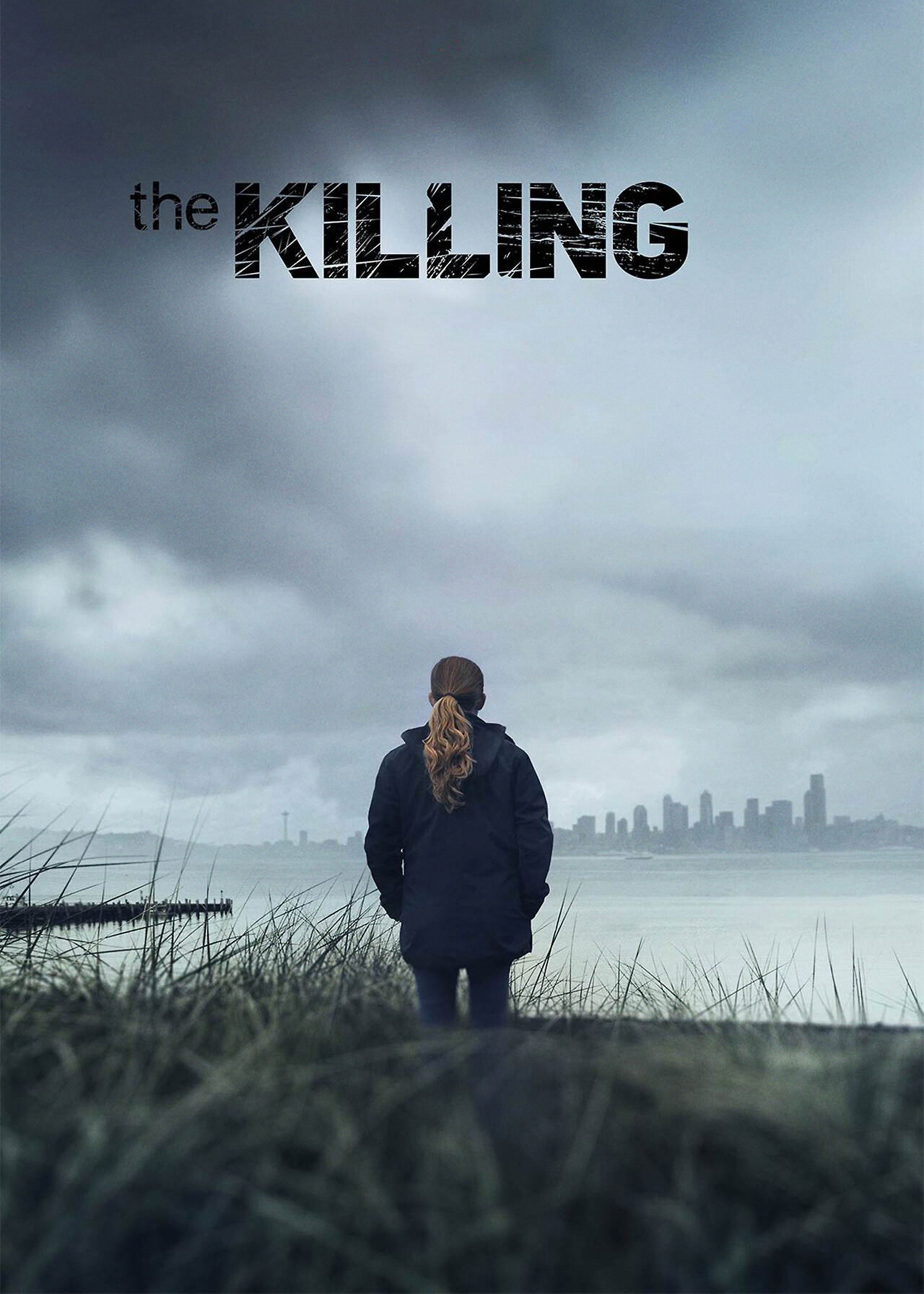
The Killing2011
A Danish noir about a murder investigation where obsession and scrutiny destroy relationships. The long, slow unraveling of the Loud family resonates with how this show treats its characters.
But Twenty episodes of damp Copenhagen and bureaucratic despair. Bleak doesn't begin to cover it. Not for viewers who need hope.
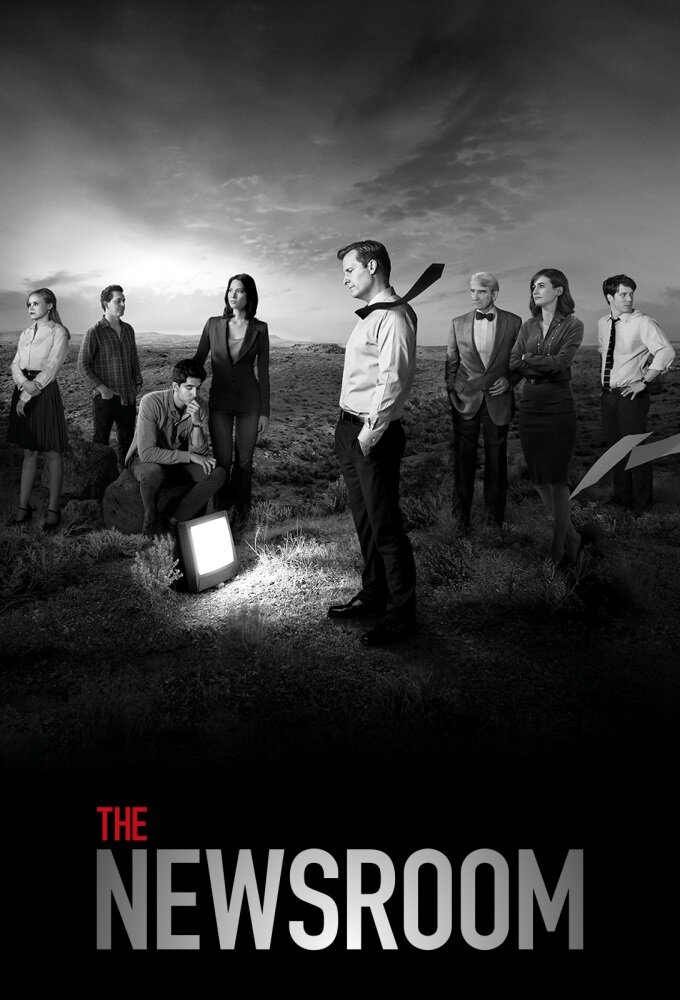
The Newsroom2012
Behind-the-scenes look at how media institutions navigate ethics, ego, and the price of being watched. Argues fiercely about what we owe audiences and each other.
But Aaron Sorkin's trademark rapid-fire dialogue exhausts some viewers. Also occasionally preachy in ways that undercut its own arguments.
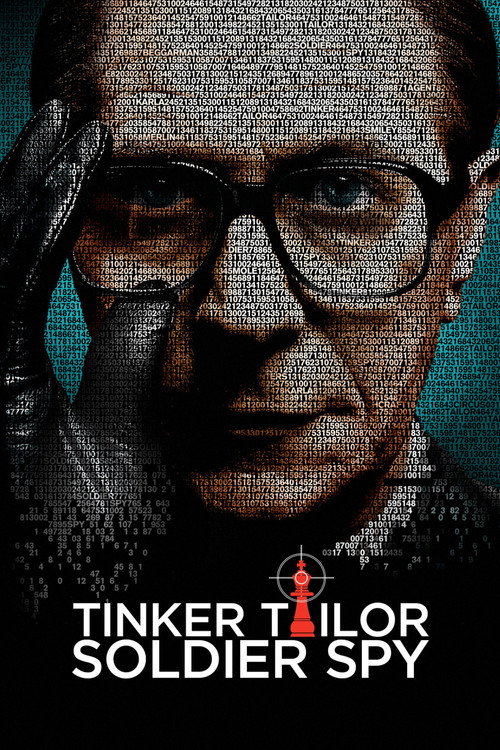
Tinker Tailor Soldier Spy2011
A film from the same year as Cinema Verite about performance, identity, and how people disappear inside roles. Gary Oldman's spy understands the cost of never being seen.
But Glacially slow and deliberately oblique. You have to meet it halfway. If plot clarity matters more than mood, skip it.
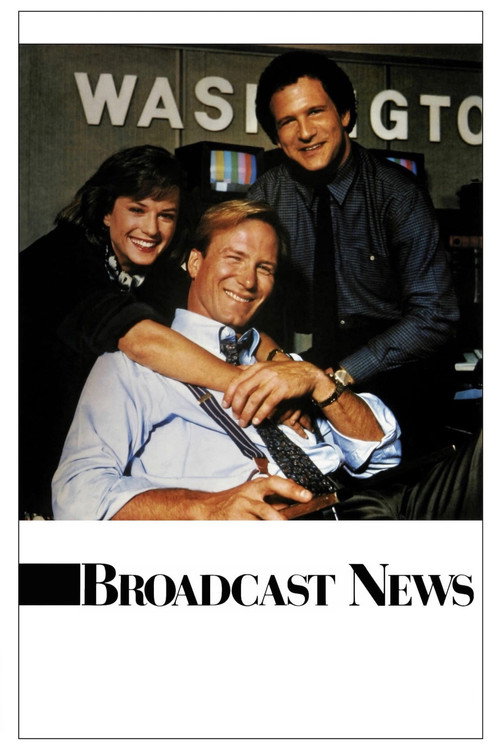
Broadcast News1987
James L. Brooks' sharp comedy-drama about network television and the people who make it. Explores how medium shapes message and what gets lost in the translation.
But Dated references and the romantic subplot can feel thin. Some find its treatment of ambition sentimental rather than clear-eyed.
The Act2019
Both ask: at what point does showing someone's life become a kind of harm? When does documentation become complicity?
A miniseries about Gypsy Rose Blanchard and her mother's Munchausen by proxy. Like Cinema Verite, it's about how performance becomes identity, how being watched shapes who you are, and the cruelty hidden inside care.
But True crime packaging that obscures something darker. Some viewers find the sensationalism offensive when the real victims are still alive and suffering.

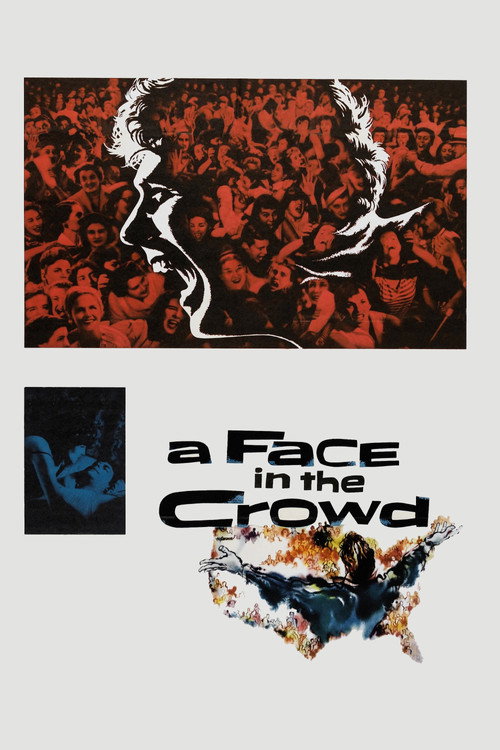
A Face in the Crowd1957
The film that saw it coming. Both are warnings about how cameras and audiences can unmake a person, only Cinema Verite watched it actually happen.
Elia Kazan's prophetic film about a charismatic drifter who becomes a television star. It predicted reality TV and the corruption of fame decades early. Andy Griffith is genuinely menacing—nothing like his later persona.
But A 1957 black-and-white drama about media manipulation plays as almost quaint now. Some find it didactic; others find it dated.
People
Cast
 Diane LanePat Loud
 Tim RobbinsBill Loud
 James GandolfiniCraig Gilbert
 Thomas DekkerLance Loud
 Caitlin CusterDelilah Loud
 Kaitlyn DeverMichele Loud
 Nick EversmanGrant Loud
 Johnny SimmonsKevin Loud
 Patrick FugitAlan Raymond
 Shanna CollinsSusan Raymond
 Jake RichardsonTommy Goodwin
 Kathleen QuinlanMary Every
Directing
- Robert PulciniDirector
- Shari Springer BermanDirector
Writing
- David SeltzerWriter
Production
- Luca BorgheseAssociate Producer
- Randi HillerCasting
- Tamara-Lee NotcuttCasting Associate
- Gavin PoloneExecutive Producer
- Zanne DevineExecutive Producer
- Karyn McCarthyProducer
Recommended by
The Immortals, Les Invisibles, 76 Minutes and 15 seconds with Abbas Kiarostami