
Film
The Immortals
- Mystery
- Slow-burning
A lyrical documentary that traces Indian cinema's golden age through the forgotten spaces and belongings of its creators. Filmmaker Jai Bhim Rao wanders through studios, homes, and archives, letting objects and locations speak louder than narration. It's a love letter to cinema's physical history and a meditation on how we preserve—or fail to preserve—our artistic legacy.
Should you watch it?
Watch it if you are drawn to archive-driven essays where scraps of old objects, faded photographs and empty rooms carry a history of cinema more eloquently than talking heads ever could.
Skip it if you want a tidy, chronological account of Indian cinema with plenty of clips and names; this drifts through atmosphere and quiet rooms, so the facts arrive sparsely.
What it asks of you: Fifty-two minutes, and most of them are spent looking rather than being told; it moves at a deliberate, meditative pace and rewards patience with lingering attention to ordinary surfaces.
Not sure? Find tonight's pick in a minute.
If you liked this
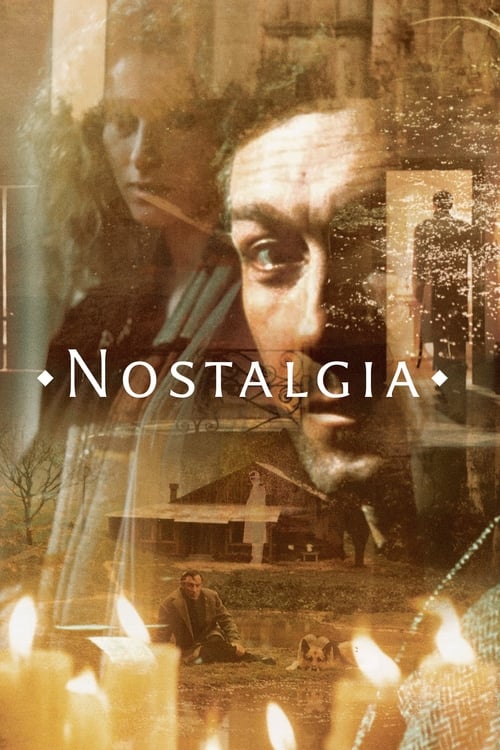
Nostalgia1983
Sokurov's haunting meditation on memory, loss, and the weight of history through a poet's final journey. Achingly beautiful, contemplative, and structured around physical spaces the way The Immortals is.
But Glacially slow, deliberately obscure in its symbolism, and deeply melancholic in a way that demands patience and surrender.
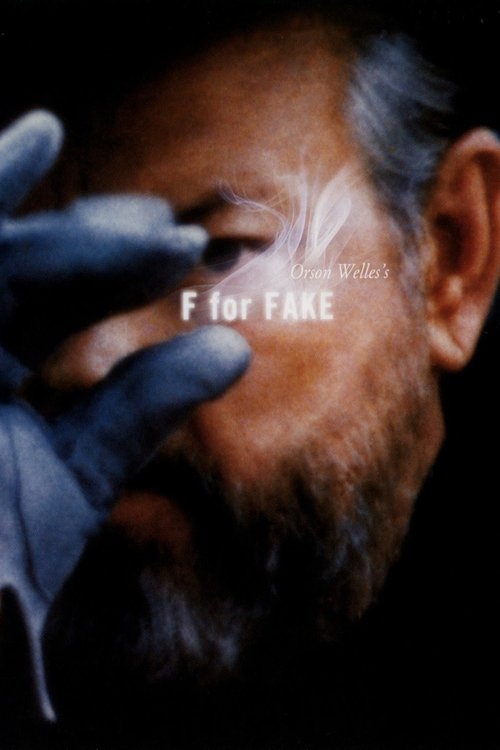
F for Fake1973
Welles' dazzling essay film about authenticity, creation, and the stories we tell about art. Like The Immortals, it treats cinema itself as a character and plays with form to explore its subject.
But Playful and digressive to the point of mischief; some find it frustratingly clever rather than moving.
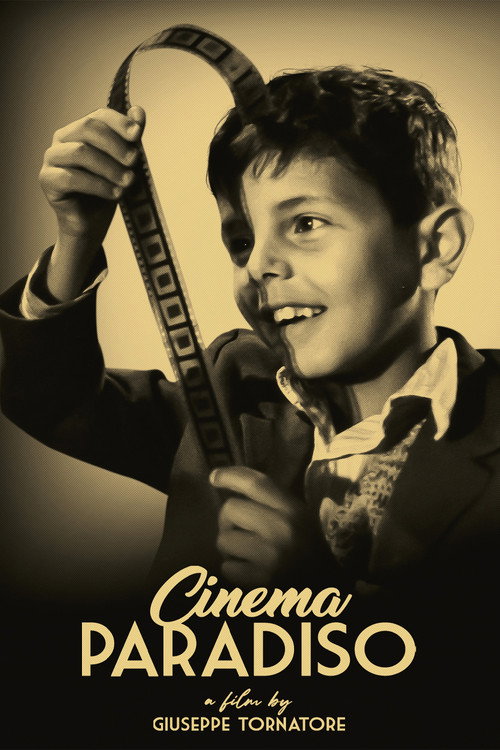
Cinema Paradiso1988
Turkish documentary about cinema's arrival in Istanbul through newsreel footage and archival images. Same reverence for cinema's material history; same sense of a lost world reconstructed from fragments.
But Minimal narration and slow pacing mean it works best if you're already invested in film history as subject matter.
Not sure tonight? Get a pick in a minute, starting from The Immortals
The wildcard
Something you would not have found on your own.
Stalker1979
Both films believe that cinema's true subject is not plot but the texture of lived experience—how memory lives in spaces, objects, and the time we spend watching them.
Tarkovsky's science-fiction poem about desire, memory, and the spaces between meaning. Like The Immortals, it treats cinema as a tool for exploring interiority through the physical world—not narrative, but meditation. A completely different genre that shares the same spiritual DNA.
But Three hours of slow tracking shots and long silences. Some call it transcendent; others call it a test of endurance. Requires you to surrender to its rhythm entirely.

More like this (6)
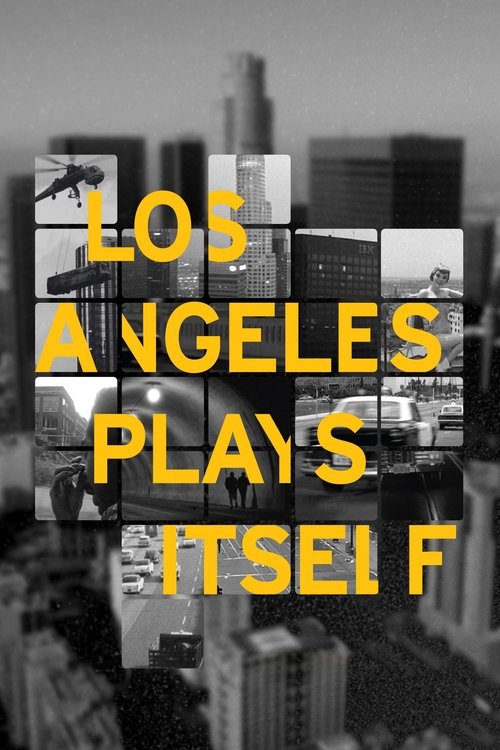
Los Angeles Plays Itself2004
Thom Andersen's essayistic exploration of how cinema shapes our understanding of a city. Uses clips to argue that the city itself is a character created through cinema, mirroring The Immortals' blend of personal and historical.
But Dense with film references and requires close attention. Not looking for easy answers or emotional catharsis.
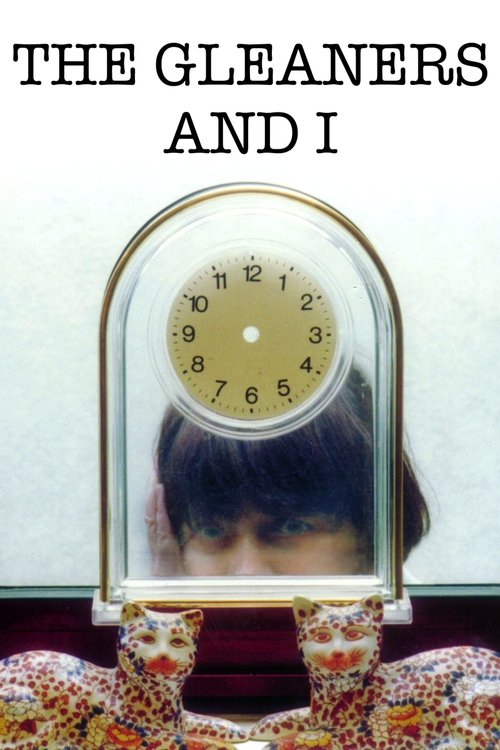
The Gleaners and I2000
Agnès Varda's digressive visual essay about gleaning in art and life, combining archival footage, personal reflection, and a roaming camera. Shares The Immortals' belief that cinema can be a wandering conversation with the past.
But Episodic and loosely structured; some threads lead nowhere. Varda's voice and presence might feel too prominent or idiosyncratic for some viewers.
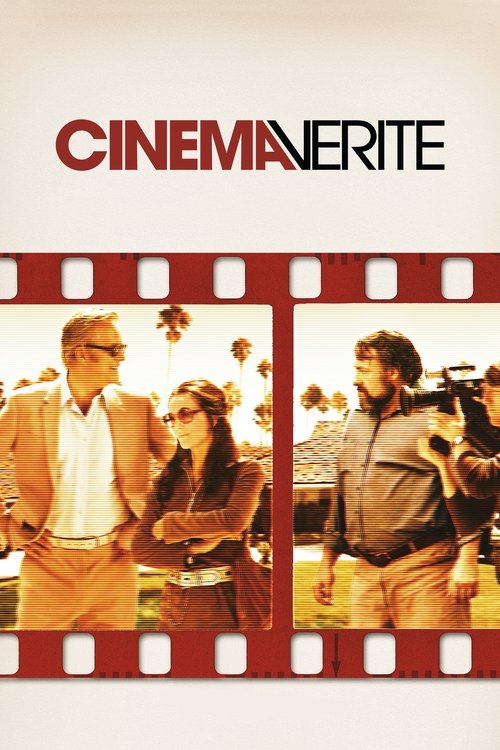
Cinema Verite2011
French documentary about the birth of documentary filmmaking itself, tracking how technology and idea changed what cinema could be. Honors cinema's pioneers the way The Immortals honors Indian cinema's creators.
But Very focused on film history and technique; will be most rewarding if you care about documentary as a form.
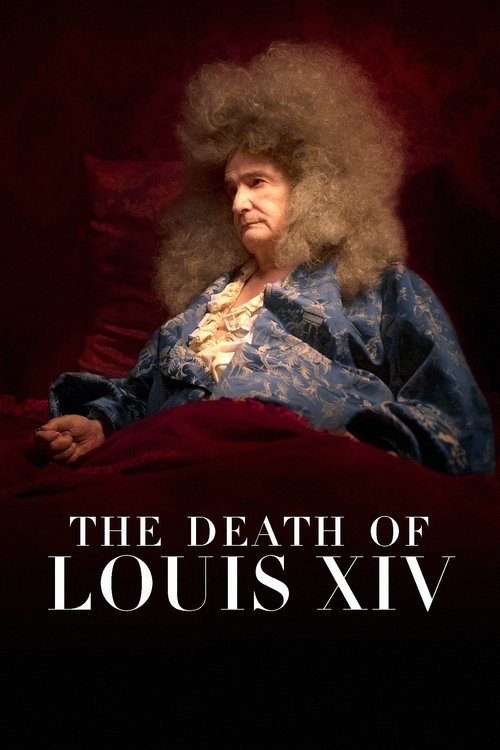
The Death of Louis XIV2016
Lioret's hushed, almost painterly study of mortality and ritual. Not directly about cinema, but shares The Immortals' gift for letting objects, spaces, and silence carry emotional weight.
But Austere and unmusical. Some will find the minimalism austere rather than moving. Not for anyone wanting plot.
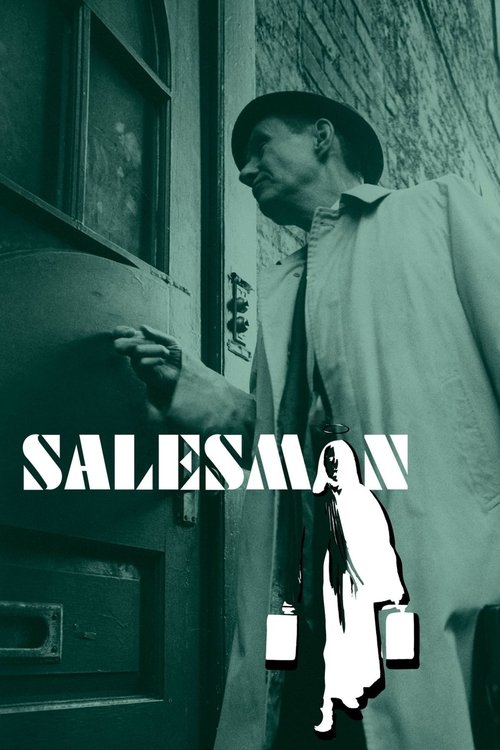
Salesman1969
Both films use the documentary form to honor what would otherwise be forgotten—but they understand that honor means refusing to sentimentalize, instead bearing witness to people and moments as they actually are.
Albert and David Maysles' verité documentary following Bible salesmen struggling through their days. It's aching and humanist without explaining itself—letting the viewer construct meaning from what's shown. A documentary about lives that happen to use film the way The Immortals uses cinema as a metaphor for lives lived.
But Appears mundane at first glance. Unflinching about failure and disappointment, with no redemptive arc or wisdom imparted. Some find it depressing rather than enlightening.
Synecdoche, New York2008
Both grapple with the same question: how do we hold onto what's gone? The Immortals answers through preservation and memory; Synecdoche answers by showing that the effort to fully capture or recreate the past is ultimately impossible—and maybe that's the point.
Kaufman's dizzying fiction film about a theater director building a replica of his life inside a warehouse. It's about the obsession with preserving, recreating, and understanding the past through art—the exact paradox The Immortals identifies in Indian cinema, but filtered through one man's psychological unraveling.
But Deliberately confusing, overstuffed with ideas, and emotionally exhausting. It actively resists clarity. Viewers often leave frustrated rather than enlightened.

People
Directing
- Shivendra Singh DungarpurDirector