
Film
76 Minutes and 15 seconds with Abbas Kiarostami
- Light-hearted
- Slow-burning
A intimate portrait of Iranian master Abbas Kiarostami in his final years, captured by filmmaker friend Ali Samadian. Rather than formal interviews, we find Kiarostami amid poetry, landscapes, and easy conversation with fellow artists like Jafar Panahi and Juliette Binoche. It's a meditation on creativity, friendship, and mortality—a glimpse of the man behind the cinema.
If you liked this
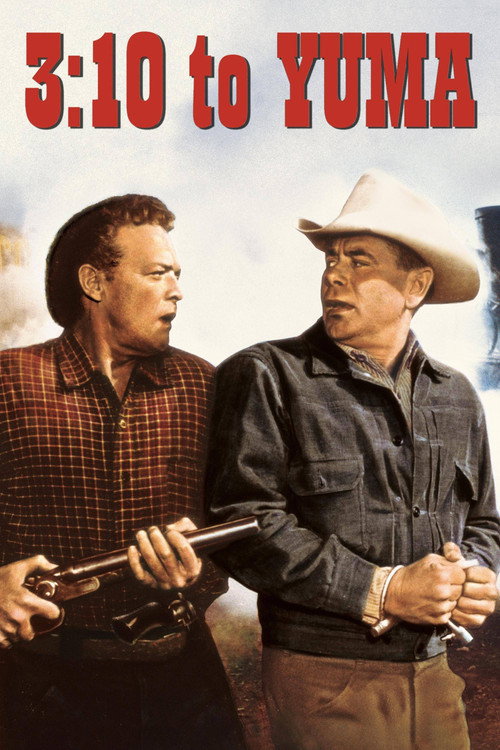
3:10 to Yuma1957
Kiarostami's masterpiece about a mother and son in a car, unfolding through dialogue and moral argument. Essential viewing to understand the filmmaker this documentary celebrates.
But It's almost entirely contained and conversational. If you need plot momentum or visual spectacle, it will feel static and demanding.
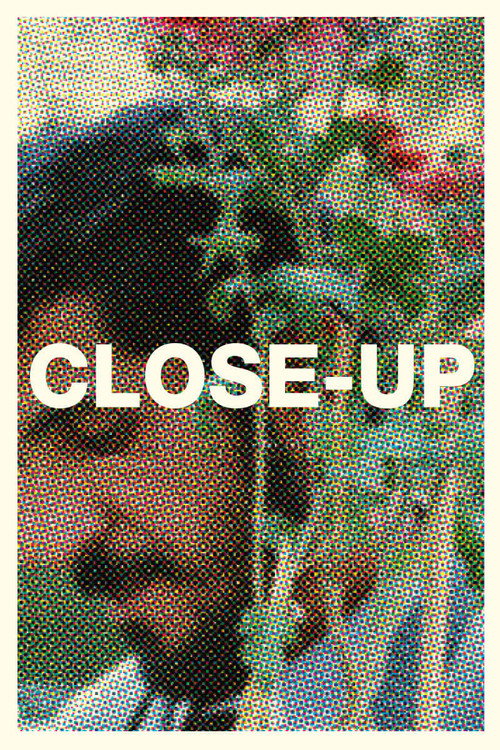
Close-Up1990
A real court case becomes cinema: a man impersonates Kiarostami himself. Blurs fact and fiction in ways that feel like watching a magician explain their trick. Utterly original.
But It's slow and genuinely strange. If you want conventional narrative satisfaction, you won't find it here.
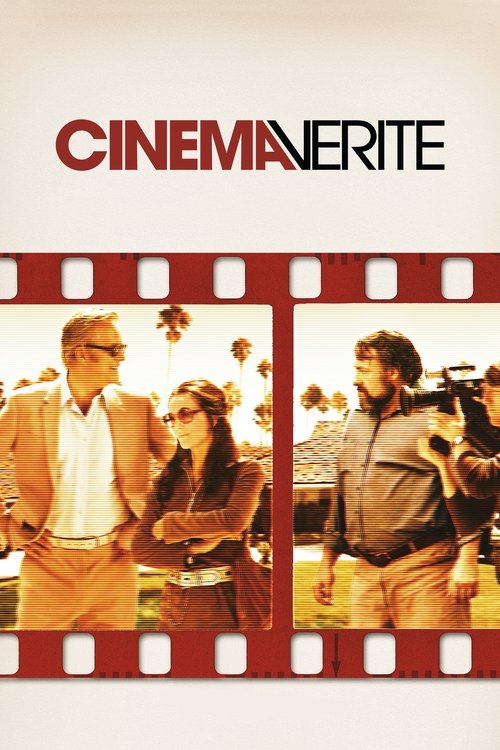
Cinema Verite2011
Nonfiction portrait of a real Iranian family in the 1970s, echoing Kiarostami's obsession with truth and performance. A window into the documentary tradition he influenced.
But It's quietly observational without dramatic shape. Long stretches of mundane domestic life; patience required.
Not sure tonight? Get a pick in a minute, starting from 76 Minutes and 15 seconds with Abbas Kiarostami
The wildcard
Something you would not have found on your own.
Synecdoche, New York2008
Both filmmakers are haunted by the inadequacy of art to capture reality, but Kaufman riots against it while Kiarostami finds grace in the limitation itself.
Charlie Kaufman's fever dream about an artist trying to capture life itself through art. Same obsession as Kiarostami—the impossible gap between cinema and truth—but processed through American neurosis and dark comedy instead of Iranian philosophical quietism.
But It's fractured, baroque, and emotionally punishing. Some find it self-indulgent rather than profound. Very American in its anxiety.

More like this (7)
A Prophet2009
Jacques Audiard's prison drama about transformation and dignity. The moral seriousness and faith in character echo Kiarostami's own cinema.
But It's a different kind of film—European, genre-adjacent. If you want more Iranian cinema, this won't scratch that itch.

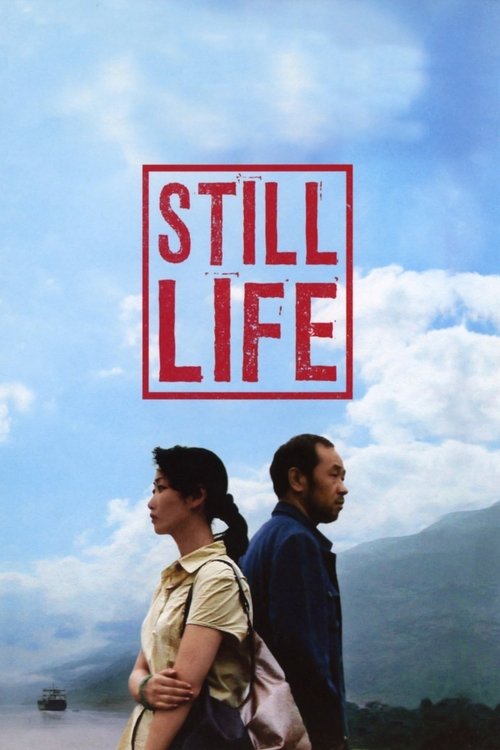
Still Life2006
Chinese filmmaker Jia Zhangke's meditation on landscape, displacement, and what remains. Shares Kiarostami's patience with observation and landscape as protagonist.
But Glacially slow. The narrative is minimal and the emotional register is cool rather than warm.
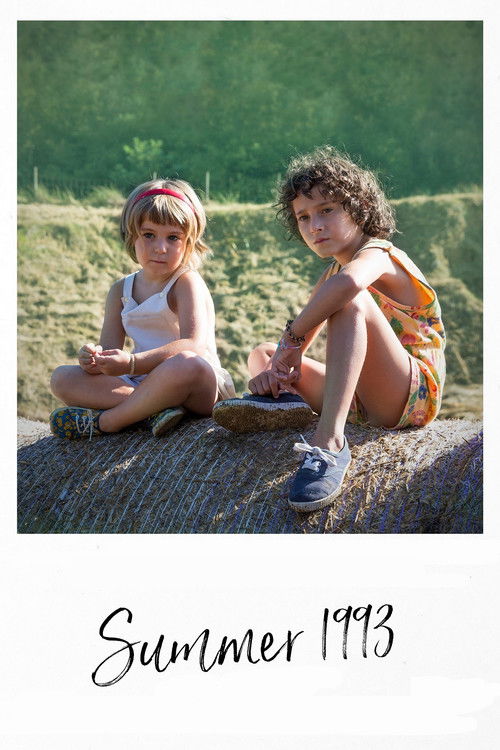
Summer 19932017
Hungarian film about a woman and child in a cottage. Intimate, conversational, about presence and the passing of time. Distilled Kiarostami sensibility in a different register.
But Nothing much happens. It's mood and moment over incident—feels almost like watching someone's private memories.
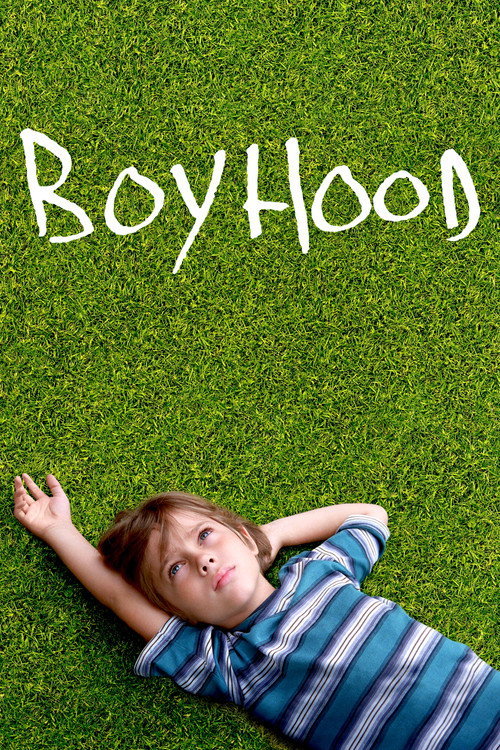
Boyhood2014
Richard Linklater's twelve-year film about a boy growing up. Like Kiarostami, it trusts conversation, time, and life itself over plot. A rare Hollywood film that feels like cinema.
But Three hours of modest, meandering dailiness. If you hate Linklater's dialogue-heavy style, this will feel precious and indulgent.
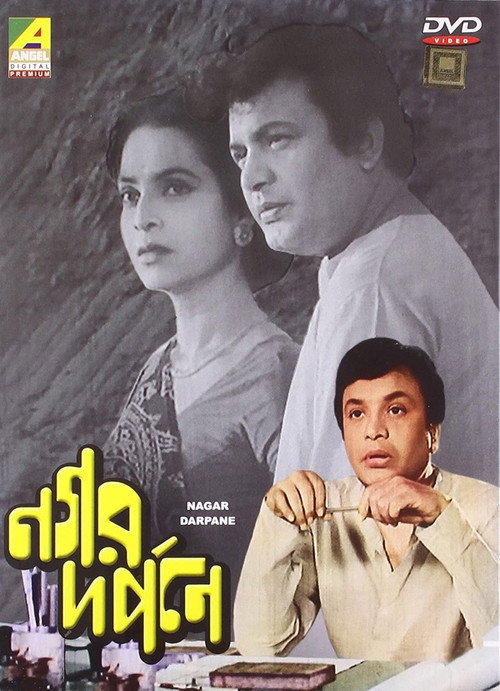
In the Mirror of the City1975
Andrei Tarkovsky's dreamlike meditation on memory, cinema, and mortality. As profound as Kiarostami, from a different tradition. A master recognizing another.
But Extraordinarily demanding and cryptic. Watching it feels like decoding a poem you're not sure exists. Not relaxing cinema.
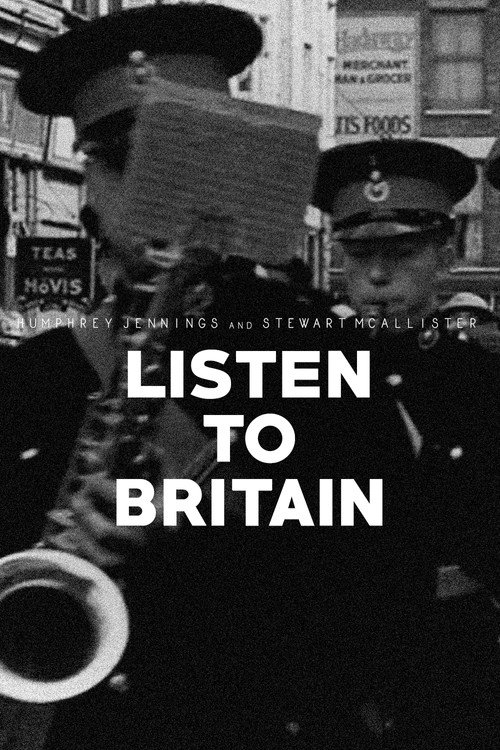
Listen to Britain1942
Both use landscape and ordinary life as a form of portraiture. Both trust the camera to reveal character without explanation.
Humphrey Jennings's 22-minute documentary observation of wartime Britain. No narration, just sound and image. Predates Kiarostami's cinema verite by decades but uses the same radical trust in what you see and hear.
But It's a short film from 1942 in black and white. If you need conventional storytelling or contemporary production values, it will feel remote.
A Ghost Story2017
Both filmmakers use long takes, patience, and acceptance of strangeness to address absence and the traces we leave behind.
David Lowery's haunting film about time, presence, and what remains. A woman in a sheet, a man watching from beyond. Like Kiarostami, it uses constraint—minimal plot, one location—to reach toward something vast and unanswerable about mortality and love.
But It's deliberately strange and formally austere. The central image is deliberately unglamorous. Some find it pretentious; others find it unbearably moving.

People
Cast
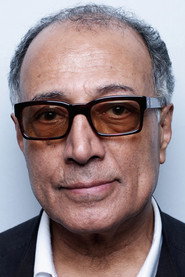 Abbas KiarostamiHimself
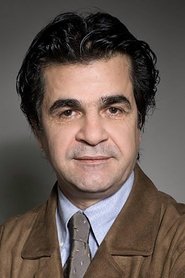 Jafar PanahiHimself
- Ali Reza RaiesianHimself
- Tahereh LadanianHerself
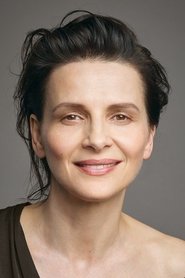 Juliette BinocheHerself
Directing
- Seifollah SamadianDirector