Television series
Tandav
Tandav is an Indian political thriller that follows the ruthless machinations of power at the highest levels of government. It weaves together the stories of established politicians, ambitious newcomers, and student activists in a landscape of betrayal and corruption. The series is propulsive and darkly entertaining—morally murky, visually polished, designed for viewers who want their drama cut with genuine stakes and cynicism about institutional power.
Should you watch it?
Watch it if you like power plays where every alliance is a knife waiting to be drawn, and where backroom manoeuvring matters more than the speeches.
Skip it if you want a tidy, self-contained story; its many threads and relentlessly cynical tone can feel crowded, and its cynicism rarely lets up for relief.
What it asks of you: Nine episodes of roughly half an hour, so it arrives in brisk chunks, though tracking a crowded web of loyalties takes sustained attention and a taste for dense talk.
Not sure? Find tonight's pick in a minute.
If you liked this
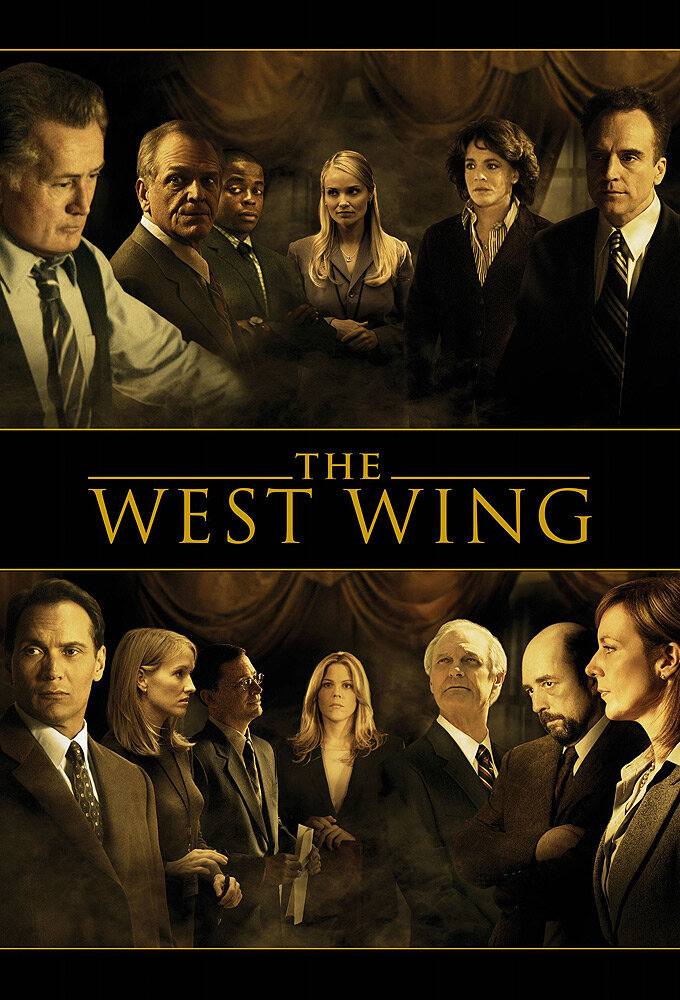
The West Wing1999
The gold standard for political television: smart dialogue, genuine idealism tempered by realism, and characters you care about navigating impossible choices. Shows you what the machinery looks like when it functions.
But Optimistic about human nature and democratic institutions in ways that feel almost quaint now. Much slower paced, more cerebral than visceral.
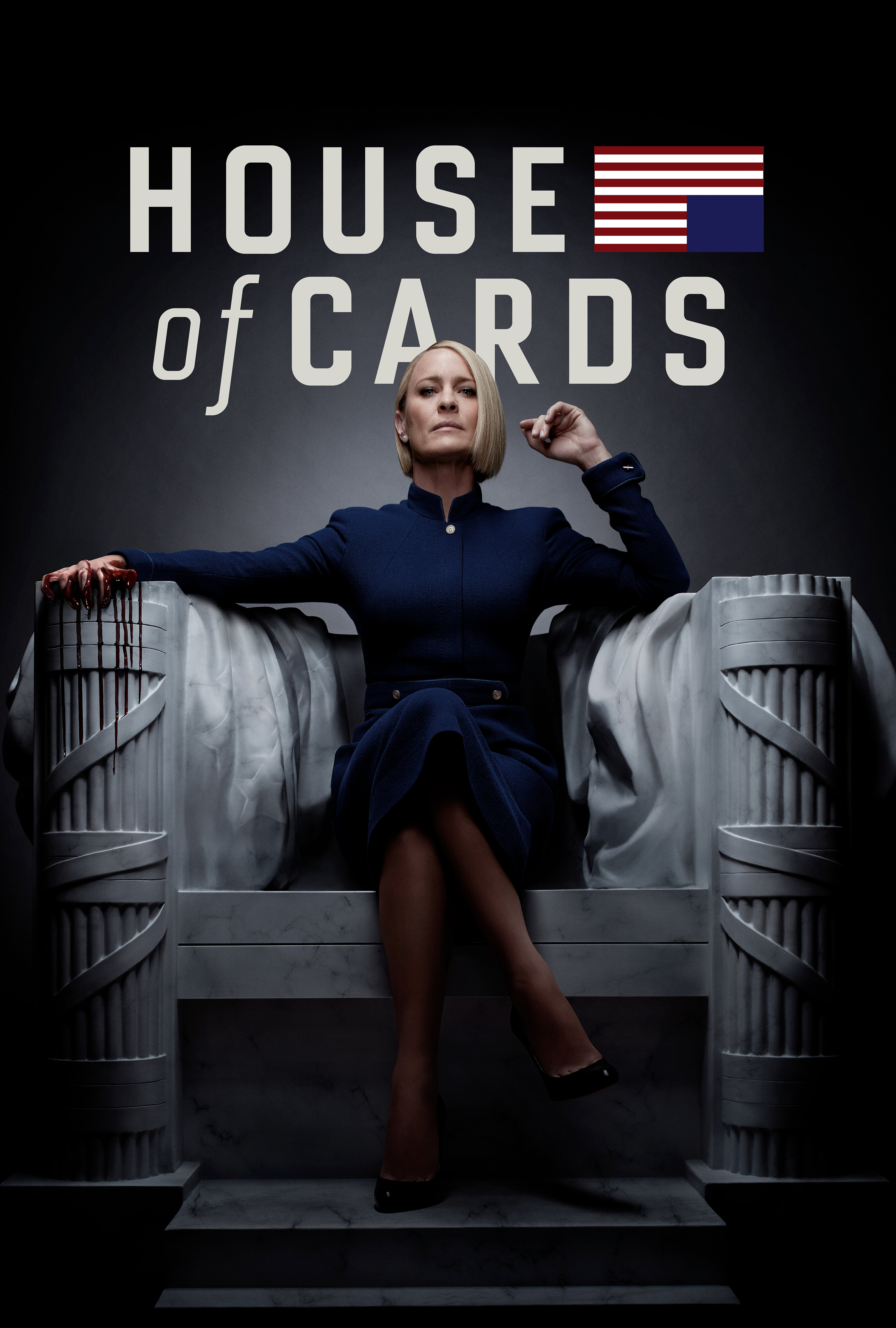
House of Cards2013
Morphs political power into pure Shakespearean ambition—a man clawing toward the presidency with no guardrails. Seductive, cynical, relentlessly entertaining, and structurally similar to Tandav's web of competing factions.
But The later seasons lose focus and credibility. Some viewers find the relentless villainy exhausting rather than compelling.
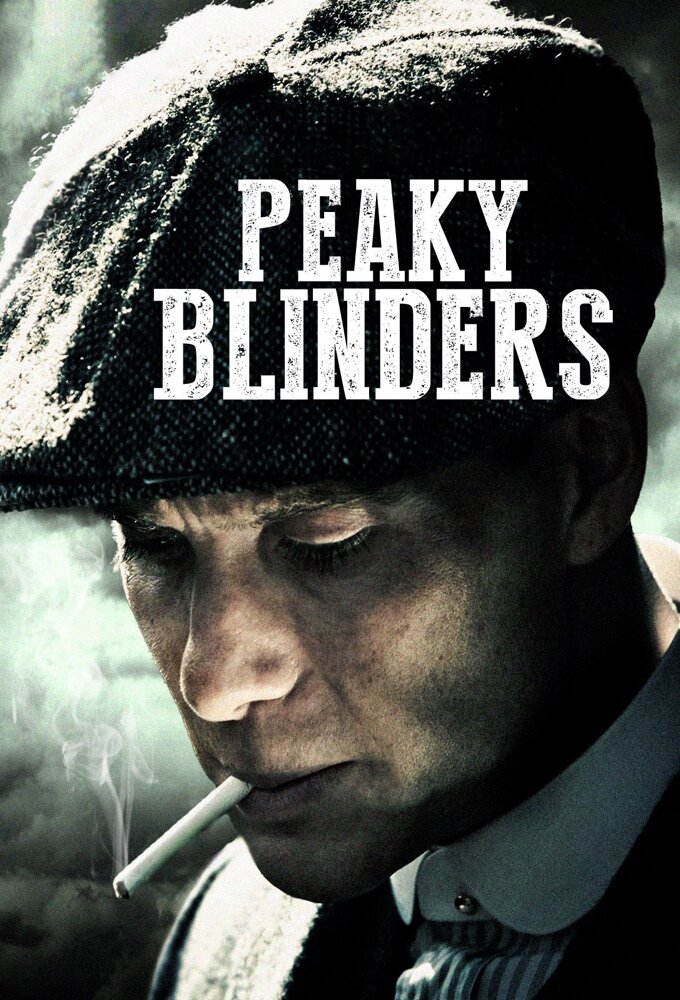
Peaky Blinders2013
Another show about outsiders exploiting power vacuums to climb hierarchies. Exceptional style, a lead character of magnetic ruthlessness, and the pleasure of watching smart people outmaneuver each other in high-stakes games.
But Structural similarity rather than thematic kinship—it's crime and post-war economics, not institutional politics. Some find the violence gratuitous.
Not sure tonight? Get a pick in a minute, starting from Tandav
The wildcard
Something you would not have found on your own.
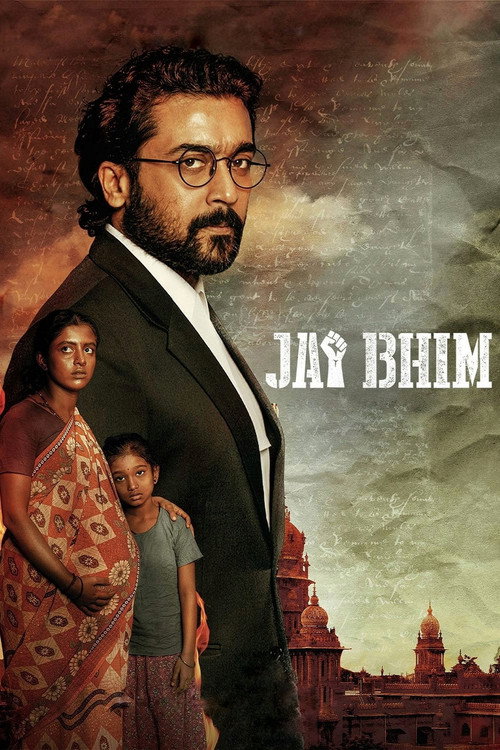
Jai Bhim2021
Both are Indian dramas investigating how institutional power corrupts from within. Jai Bhim approaches it through law and justice; Tandav through political ambition. They're opposite angles on the same machinery.
Tamil-language courtroom drama that deconstructs institutional corruption and police brutality with forensic precision and moral fury. Exemplary Indian cinema that investigates how power operates in the same systems Tandav explores, but with emotional weight and legal specificity.
But Subtitled. Centers caste and systemic oppression in ways that require cultural context to fully land. Long runtime (167 minutes) and emotionally exhausting.
More like this (8)
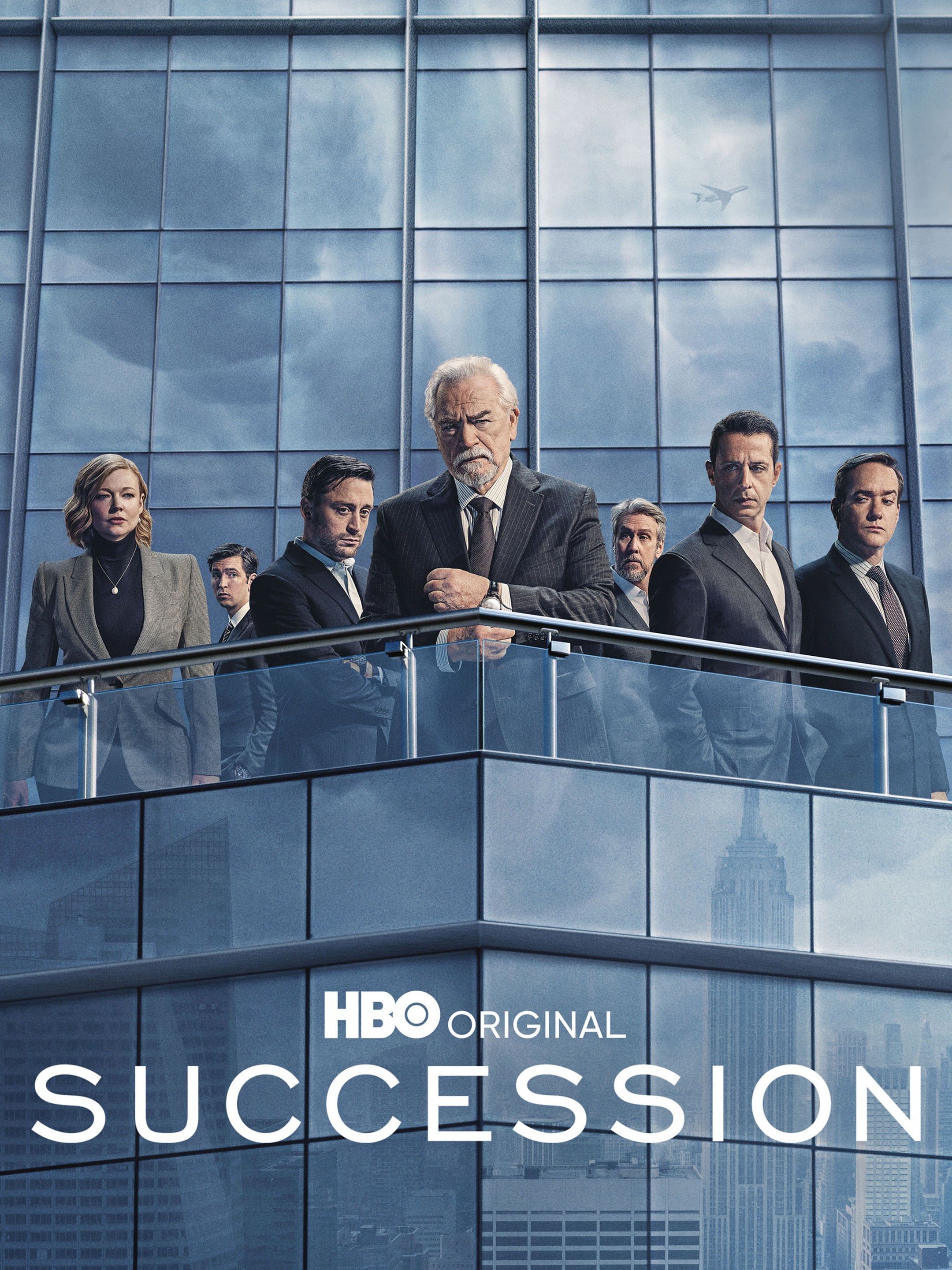
Succession2018
The definitive drama about power, loyalty, and the corruption that wealth breeds. Darkly funny, morally complex, featuring multiple factions constantly reshuffling alliances. Every scene crackles with tension.
But All four main characters are largely unlikeable. If you need someone to root for, this will frustrate you.
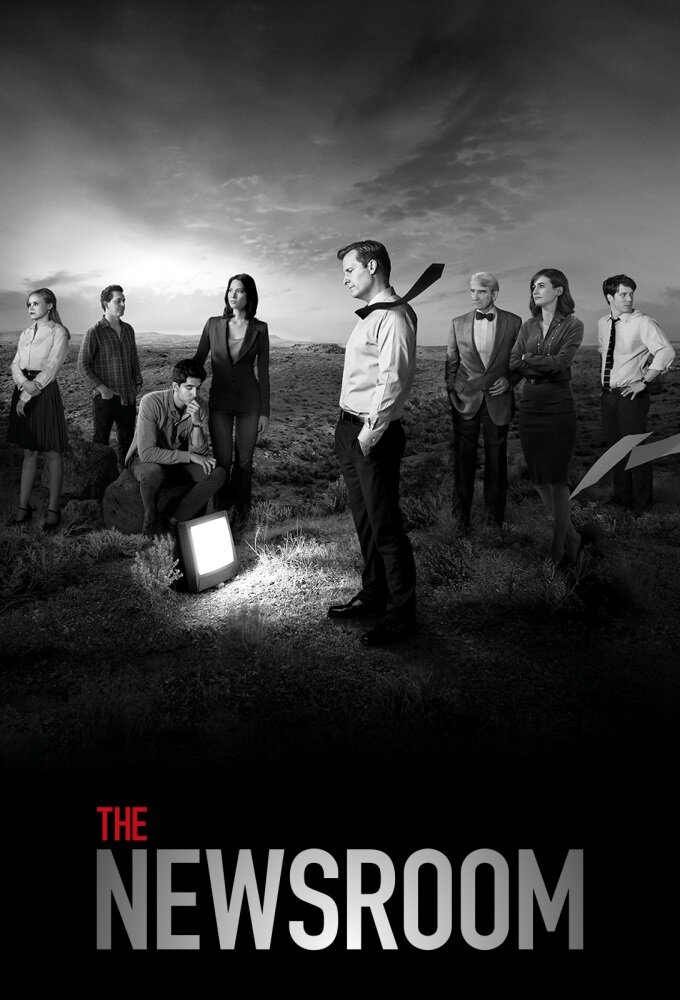
The Newsroom2012
Political drama centered on institutional power and competing agendas within a news organization. Sharp writing, ideological conflict presented with real stakes, ensemble cast with genuine chemistry.
But Heavy-handed about its politics. Some dialogue feels like speeches. Cancelled after three seasons, so incomplete arc.
Veep2012
Political satire that uses chaos and incompetence as its engine instead of Machiavellian brilliance. Still captures the viciousness of ambition and the absurdity of institutional power dynamics, just with venom and speed.
But Relentlessly comedic rather than dramatic. If you want the weight of actual consequences, this trades them for laughs.

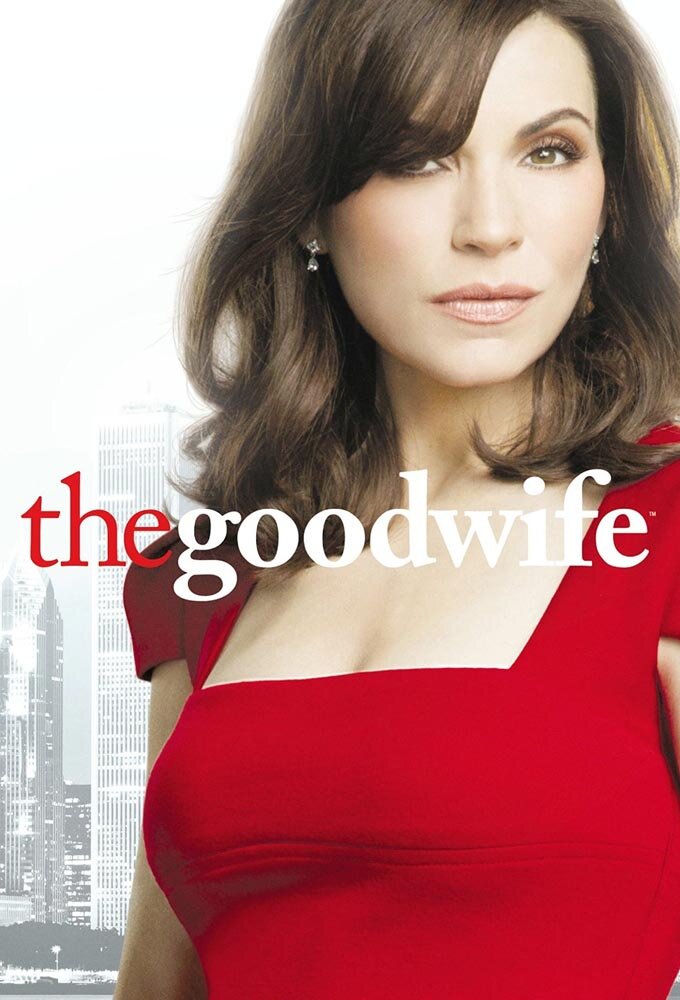
The Good Wife2009
Political machinery viewed through the lens of law and corruption. Complex plotting, morally ambiguous characters, a protagonist who navigates betrayal and institutional pressure with intelligence and pragmatism.
But Runs seven seasons with uneven quality. The first two are best; it loses focus as it expands into multiple storylines.
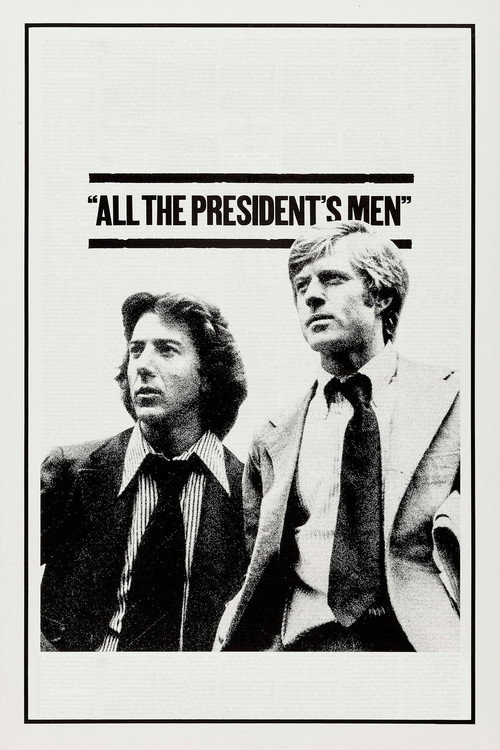
All the President's Men1976
Historical political thriller about journalists investigating institutional corruption at the highest level. Methodical, intelligent, grounded in the machinery of power and how it operates in darkness.
But Procedural and deliberate rather than propulsive. A film about reporting, not action—long stretches of conversation and research. Dated cinematography may feel slow.
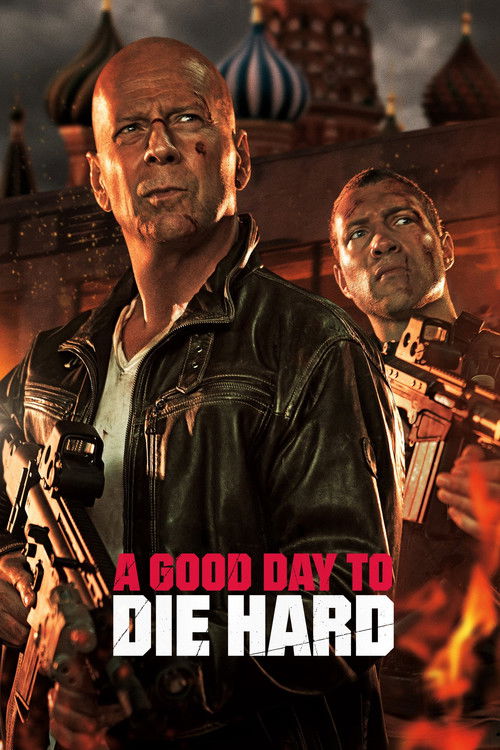
A Good Day to Die Hard2013
Action thriller set against geopolitical power plays and Russian oligarchy. Fast-paced spectacle, international intrigue, the collision between personal stakes and larger institutional forces.
But Generic action movie logic. The politics are window dressing. Critically savaged for abandoning the franchise's intelligence.
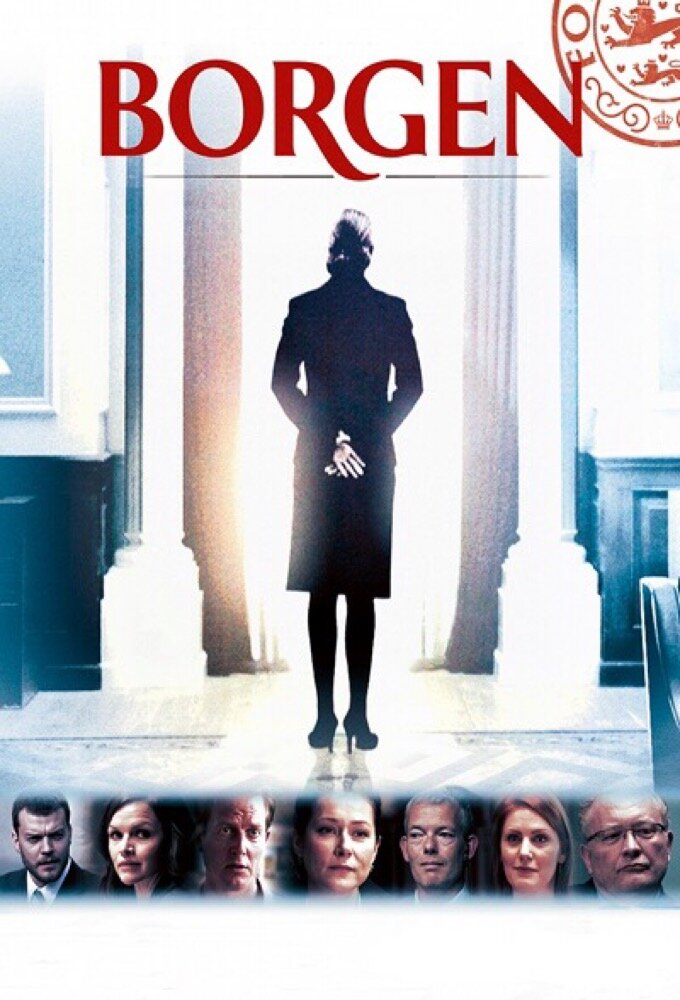
Borgen2010
Both trace political ascent and the compromise it requires, but Borgen is interested in what the climb costs emotionally—the inverse of Tandav's focus on pure power dynamics.
Danish political drama following the first female Prime Minister. Equally invested in political machinations and the human cost of ambition. Operates at high quality without sacrificing character—a masterclass in how to make institutional drama feel intimate.
But Subtitled (original Danish). Slower paced and more emotionally grounded than Tandav. If you want cynicism without catharsis, the sincerity here will feel soft.
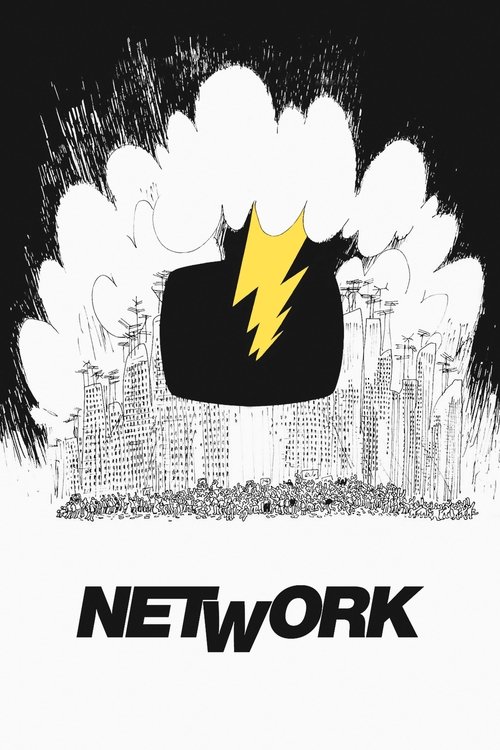
Network1976
Both investigate how ambition and institutional machinery dehumanize. Where Tandav is a thriller, Network is a jeremiad—it wants to make you furious about the same corruptions.
Visionary satire about how institutional power and media collide. Prescient, feverishly written, genuinely angry about corruption. A film that feels angry in ways modern dramas often don't—morally outraged rather than cynically amused.
But Explicitly a satire, so registers as performance rather than realism. Written for 1976 and feels it. Can feel didactic about its politics.