
Film
Bellingcat: Truth in a Post-Truth World
Bellingcat follows a collective of self-taught investigators using public internet records to solve international crimes and conspiracies. It's a taut thriller made from spreadsheets and screenshots, watching brilliant amateurs outmaneuver governments and armies with patience and obsessive attention. For anyone who believes the truth still matters, and wants to see how ordinary people can find it.
Should you watch it?
Watch it if you enjoy watching painstaking detective work unfold through satellite images, timestamps and online sleuthing, and want to see how ordinary laptops can test official stories.
Skip it if you want a film with sweeping cinematic style, since this is mostly screen recordings and interviews, its tone earnest and procedural rather than dramatic.
What it asks of you: It runs about an hour and a half and asks for steady attention, since much of the payoff comes from following method step by step on screen.
Not sure? Find tonight's pick in a minute.
If you liked this
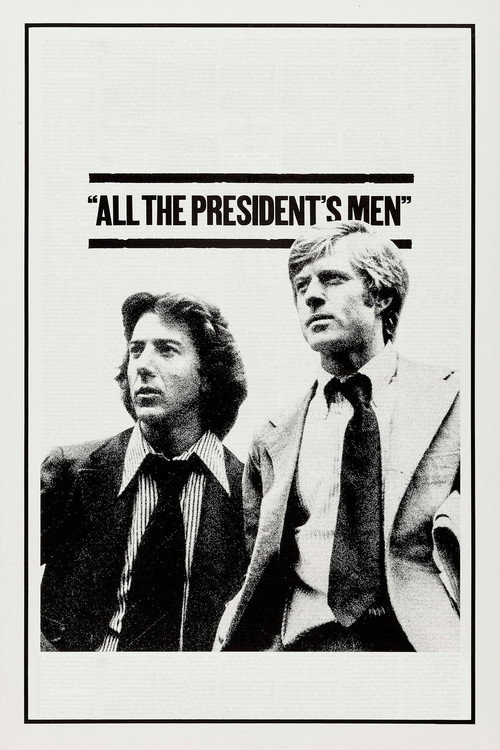
All the President's Men1976
Two reporters dismantle a presidency through dogged research and verification. It has the same pacing—slow accumulation of evidence that builds toward something undeniable—and the same deep faith that persistence and truth-telling matter.
But The pace is measured, almost glacial. If you need explosions or revelations every five minutes, this will feel like watching paint dry.
Spotlight2015
A team of journalists methodically uncover institutional abuse, confronting power structures designed to keep secrets buried. Like Bellingcat, it's about ordinary people choosing verification over narrative, and the slow burn of justice.
But It's a procedural about meetings and phone calls. There's no action hero moment, just competence and bureaucracy grinding toward truth.

The Fog of War2003
Errol Morris's portrait of Robert McNamara examining how information gets hidden, distorted, and weaponized at the highest levels. It's a companion piece: while Bellingcat hunts for truth, this explores why institutions obscure it.
But It's philosophical rather than narrative-driven. Some find it meditative; others find it detached from the moral weight of its subject.

Not sure tonight? Get a pick in a minute, starting from Bellingcat: Truth in a Post-Truth World
The wildcard
Something you would not have found on your own.
Riverrun
Both treat investigation as detective work—patient sifting through evidence others overlooked—and trust the audience to follow logic without spoon-feeding conclusions.
A poet and a scientist trace a crime using archive footage and natural evidence. It's a completely different medium—lyrical, meditative, almost experimental—but shares Bellingcat's core: ordinary people finding truth in what the powerful left behind.
But It's poetic rather than journalistic. The investigation unfolds through mood and metaphor. If you want clarity and linear narrative, this will frustrate you.
More like this (7)
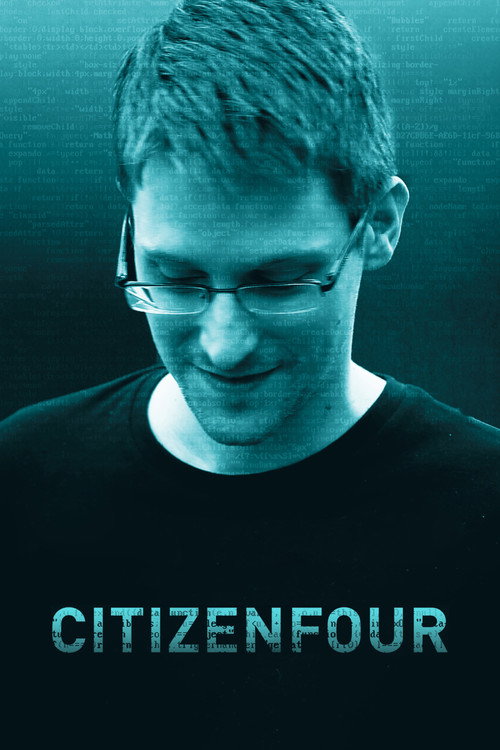
Citizenfour2014
Laura Poitras documents Edward Snowden's revelations about mass surveillance. Like Bellingcat, it's about individuals challenging state power with evidence, and raises the question: what happens when you know too much?
But The stakes are abstract—data collection and oversight are harder to visualize than a downed plane. It demands concentration.
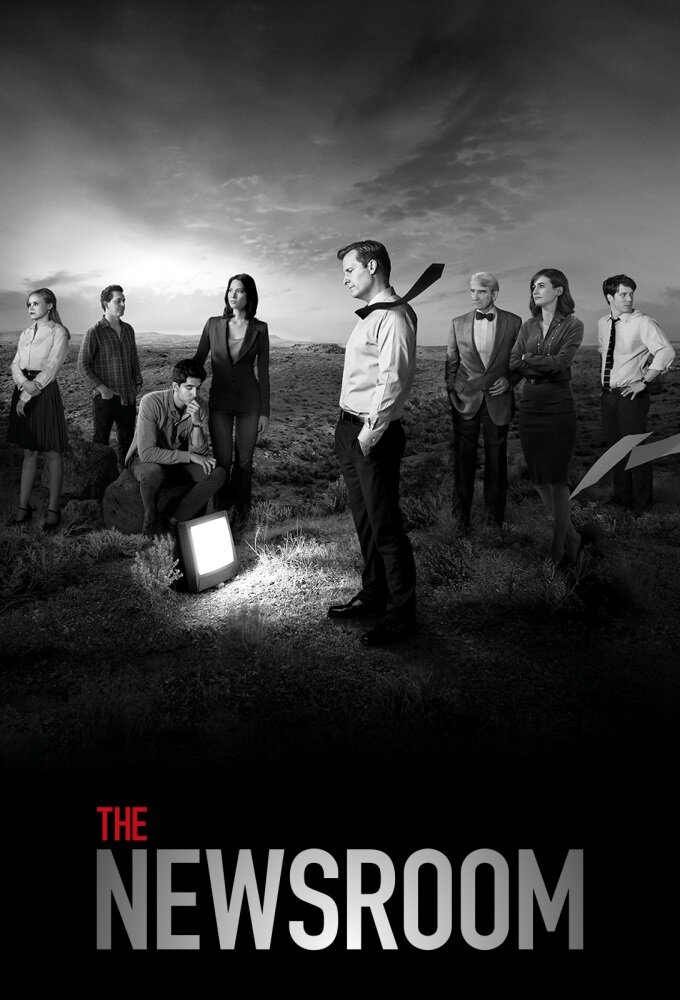
The Newsroom2012
Aaron Sorkin's ensemble about a cable news team committed to getting stories right, even when it costs them. The idealism is earnest, and the arguments about evidence and responsibility echo Bellingcat's mission.
But It's dramatically heightened and sometimes unbearably self-congratulatory. The real world of journalism is messier and less articulate than this.
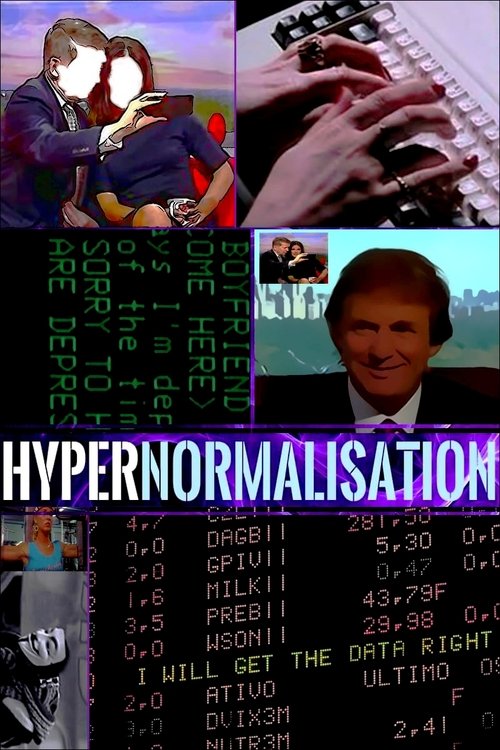
HyperNormalisation2016
Adam Curtis traces how post-truth politics emerges from decades of competing narratives and hidden state manipulation. It's the macro view of the problem Bellingcat works against, contextualizing why citizen investigators became necessary.
But It's deliberately fragmented and refuses easy conclusions. Curtis assumes you'll sit with ambiguity and contradictions.
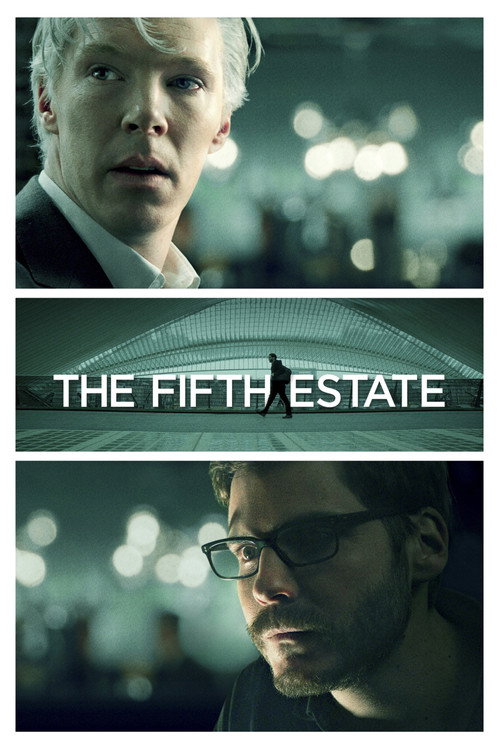
The Fifth Estate2013
A dramatized account of WikiLeaks and Julian Assange's mission to expose state secrets through raw data dumps. It raises the same questions Bellingcat does: who gets to decide what's public, and at what cost?
But It's been overtaken by events and its portrayal of Assange feels dated. The narrative frame is also more traditionally dramatic than Bellingcat's authentic approach.
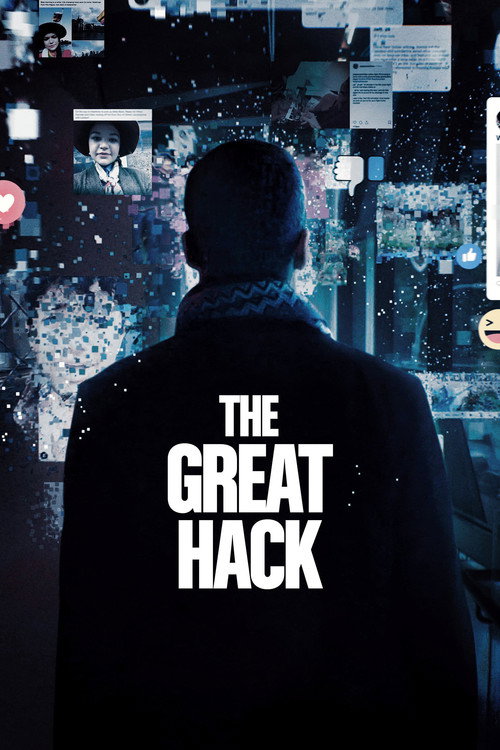
The Great Hack2019
Documents the Cambridge Analytica scandal through the eyes of researchers and activists who uncovered it. The methodology—open-source investigation, data journalism, patient documentation—mirrors Bellingcat's toolkit.
But It gets tangled between too many subjects and loses focus. The narrative threads don't weave together as tightly as they should.
Winter on Fire: Ukraine's Fight for Freedom2015
Covers the 2013-14 Euromaidan protests and annexation of Crimea—the same region and conflicts Bellingcat later investigates. It provides ground-truth context for the digital detective work.
But It's straightforward documentary activism; it doesn't have Bellingcat's obsessive investigation or the intellectual thrill of solving a puzzle.

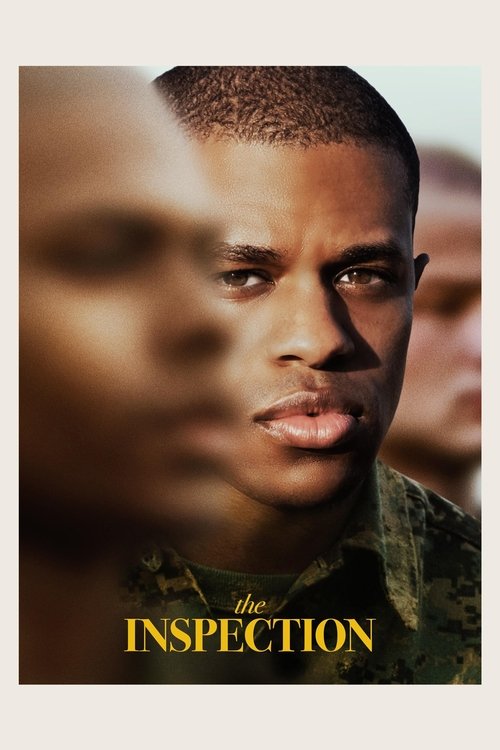
The Inspection2022
Both are about investigators (citizen and professional) following evidentiary trails, confronting institutions that resist scrutiny, and the moral weight of bearing witness to what powerful people want hidden.
A documentary following social workers investigating child abuse allegations in real time. It's investigative filmmaking with stakes—institutional denial, official channels, the hunt for evidence—but deeply intimate and humanistic rather than geopolitical.
But It's emotionally heavy and sometimes difficult to watch. The abuse allegations are treated seriously, not as plot mechanism. It's not an intellectual puzzle; it's human suffering.
People
Cast
 Eliot HigginsSelf
Directing
- Hans PoolDirector
Production
- Bruno FelixProducer
- Femke WoltingProducer