
Television series
Chief Kim
- Comedy
- Light-hearted
Chief Kim is a brisk Korean workplace comedy about an accountant-turned-executive who weaponizes bureaucracy and common sense against corporate corruption. It's clever, fast-paced, and genuinely funny—structured like a heist show where the heist is exposing embezzlement through spreadsheets. For anyone who's ever wanted to watch a protagonist use the system against itself.
Should you watch it?
Watch it if you enjoy workplace comedy with a principled, slightly stubborn hero whose decency is the joke and the engine, the kind of show that plays a corporate setting with warmth rather than cynicism.
Skip it if you want fast, joke-dense sitcom rhythm, since at twenty episodes of about sixty-five minutes each it settles into a patient, earnest pace that some viewers will find slow.
What it asks of you: It asks for roughly twenty long evenings of steady attention, with a gentle, mostly light tone that builds its moral points slowly rather than through quick gags.
Not sure? Find tonight's pick in a minute.
If you liked this
Incomplete Life2014
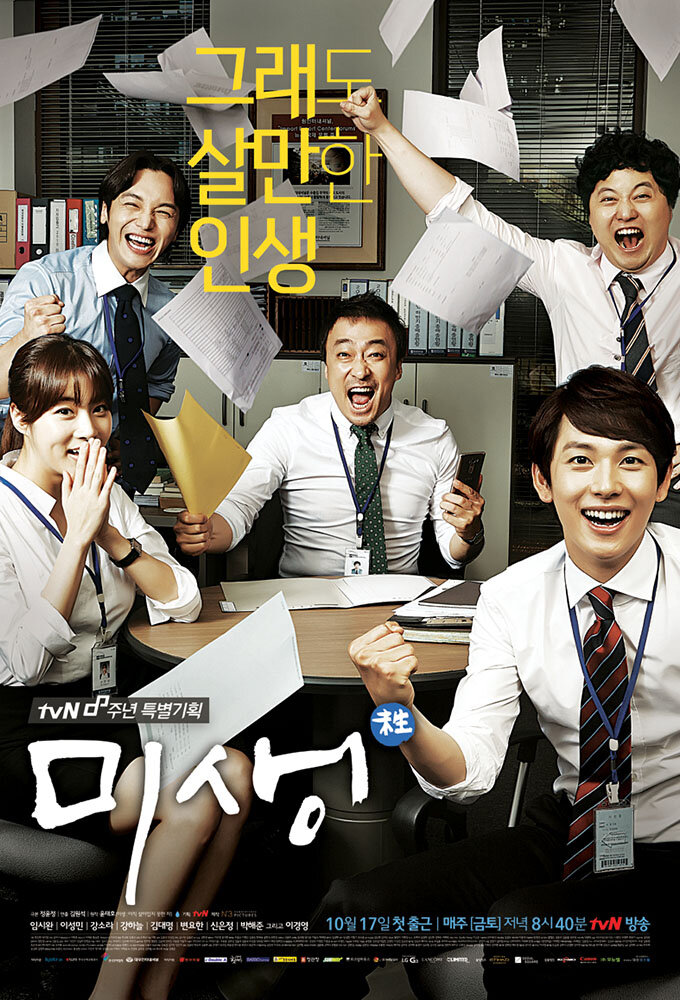
A brutal, gripping drama about a young man navigating a cutthroat trading company. Shares Chief Kim's obsession with corporate procedure and hierarchy, but trades comedy for genuine tension and emotional devastation.
But Much darker and slower. There's no triumph here, just survival and small, bitter victories.
Suits2011
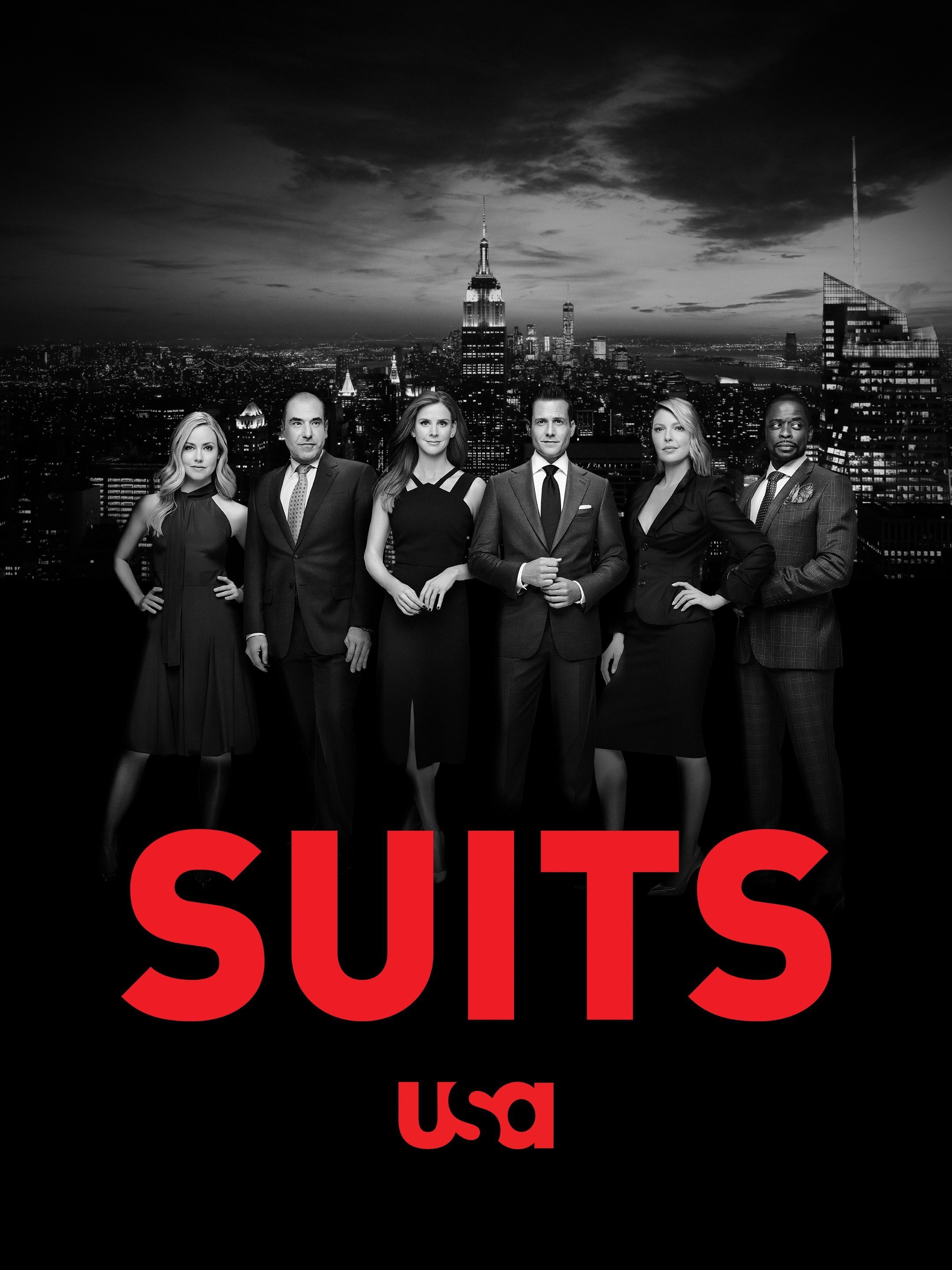
Sharp, witty legal comedy-drama where characters win through intelligence and audacity. Like Chief Kim, it finds genuine tension in contracts, loopholes, and people outwitting each other in boardrooms rather than with fists.
But American style means it's glossier and less willing to let things stay awkward. Chief Kim is scrappier.
Itaewon Class2020
Another Korean drama about someone using cunning to dismantle a corrupt corporate empire. Similar blend of strategic planning, righteous fury, and the satisfaction of watching systems turn against themselves.
But Much grimmer tone. This is revenge tragedy, not comedy. Expect real violence and genuine suffering.

Not sure tonight? Get a pick in a minute, starting from Chief Kim
The wildcard
Something you would not have found on your own.
Dr. Strangelove or: How I Learned to Stop Worrying and Love the Bomb1964
Both use procedure and institutional logic as weapons. The difference is that Kubrick's systems fail catastrophically, while Chief Kim's succeed—but the structure of finding humor in bureaucratic collision is identical.
Black comedy about institutions and procedure colliding with reality. Like Chief Kim, it finds dark humor in people following rules perfectly while the system crumbles around them. The satisfaction is watching logic meet absurdity.
But Nuclear apocalypse comedy from 1964 is tonally extreme and deliberately bleak. Chief Kim is warm by comparison. This assumes you like your satire genuinely uncomfortable.

More like this (8)
Parks and Recreation2009
American workplace comedy where an idealistic woman navigates bureaucracy by learning to love it. Same DNA as Chief Kim: finding humor in procedure, forming genuine bonds with colleagues, small victories against indifference.
But Broader comedy style. Chief Kim's humor is sharper and more specifically Korean in its corporate satire.

Modern Family2009
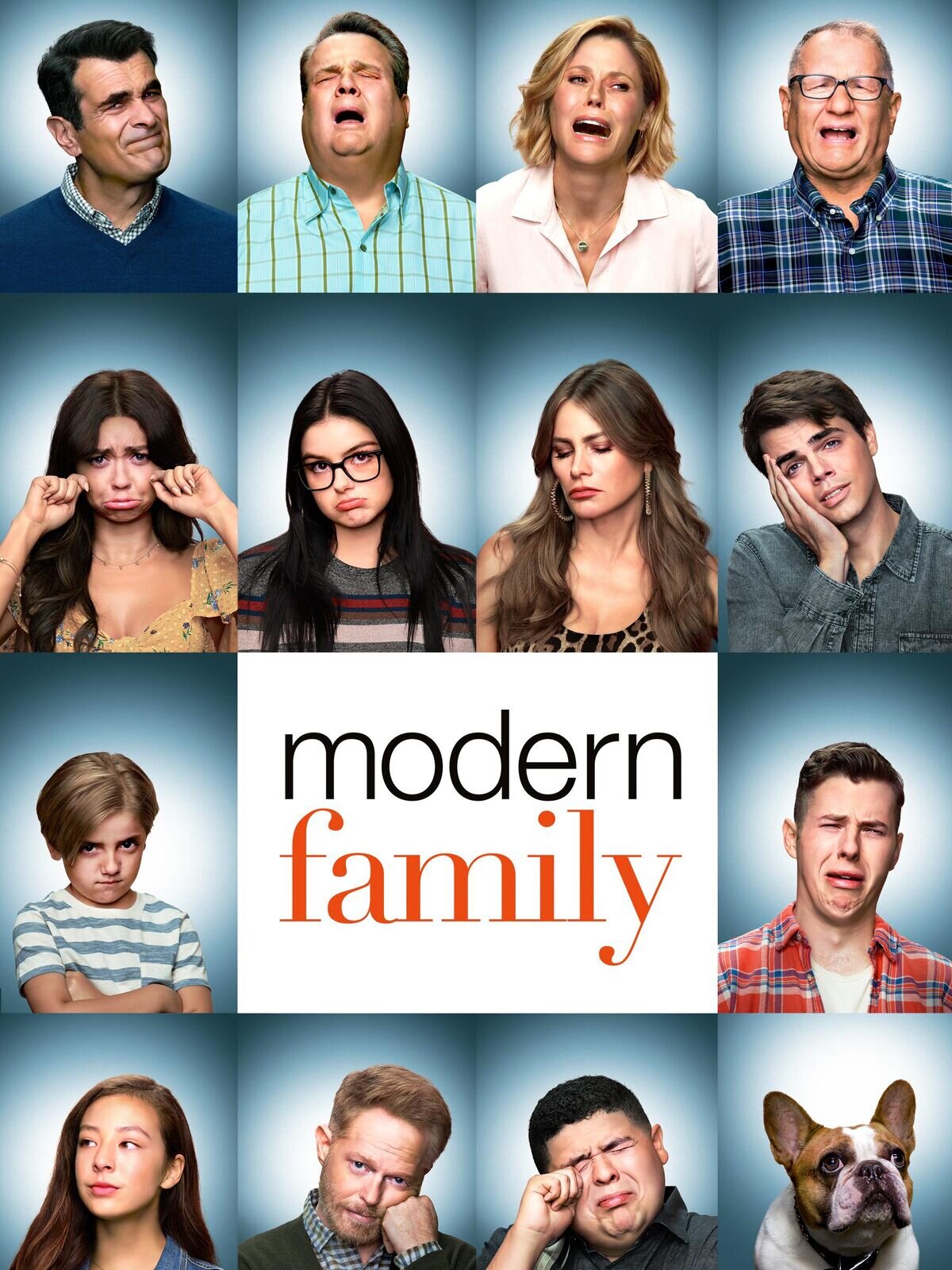
Not a workplace show, but shares Chief Kim's pace and structure: ensemble cast, snappy editing, warm humor that never punches down, episodes that feel complete and satisfying.
But Unrelated setting means you lose the clever procedural element Chief Kim nails. Very different kind of comfort.
Goblin Slayer2018
High-production Korean drama with similarly charismatic leads and that exact balance of humor and heart. Shows what Korean TV does best: charming characters you actually want to spend time with.
But Fantasy romance, not workplace comedy. Completely different genre—this is for loving the actors and vibe, not the plot engine.

Ugly Betty2006
Workplace comedy with a protagonist who refuses to play corporate games and accidentally succeeds through integrity and cleverness. Shares that specific satisfaction of seeing kindness win in a cruel system.
But Fashion industry setting is very specific. Comedy is broader and campier. Less focused on procedural wins.

The Good Place2016
Clever, fast-paced comedy where characters solve problems through logic and teamwork. Each episode winds tight and pays off. Same energy as Chief Kim: intelligent humor, genuine warmth, no wasted moments.
But Fantastical premise is far removed from corporate reality. Feels more like a puzzle box than a drama.

Entourage2004
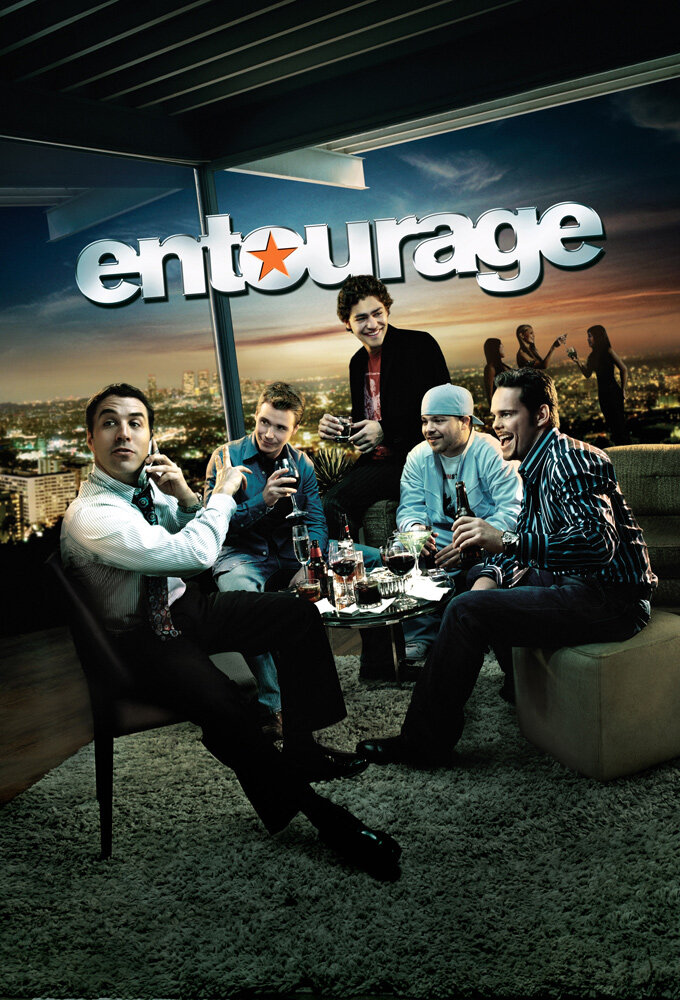
Ensemble comedy about navigating a system. Light, entertaining, moves quickly. If you just want something warm and funny with characters you enjoy watching together.
But Significantly less intelligent. Chief Kim has real stakes and clever plotting; this is mostly just hanging out with attractive people.
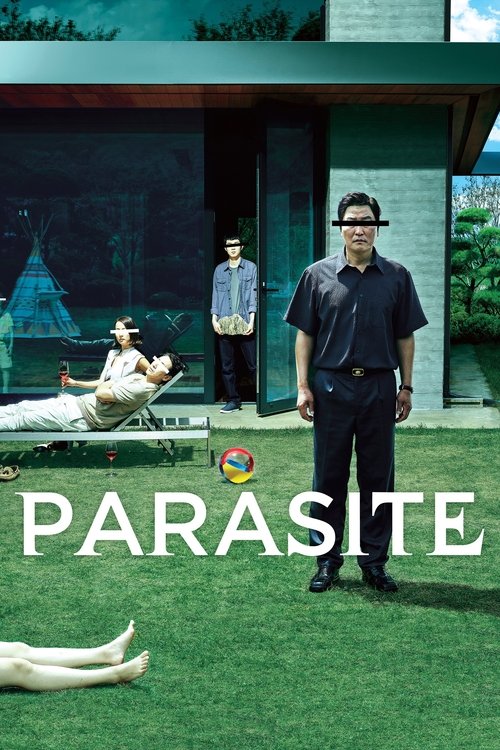
Parasite2019
Both are obsessed with hierarchy and class. Chief Kim is about someone using rules to protect the vulnerable; Parasite is about what happens when everyone is fighting for survival and the rules themselves are the weapon.
Bong Joon-ho's masterpiece about class, systems, and characters who weaponize social procedure. Shares Chief Kim's fascination with how hierarchies work and how to manipulate them, but expands to something operatic.
But Violent, tragic, and escalates into genuine horror. No comfortable resolution. If Chief Kim is satisfying, this is cathartic and devastating in opposite measure.
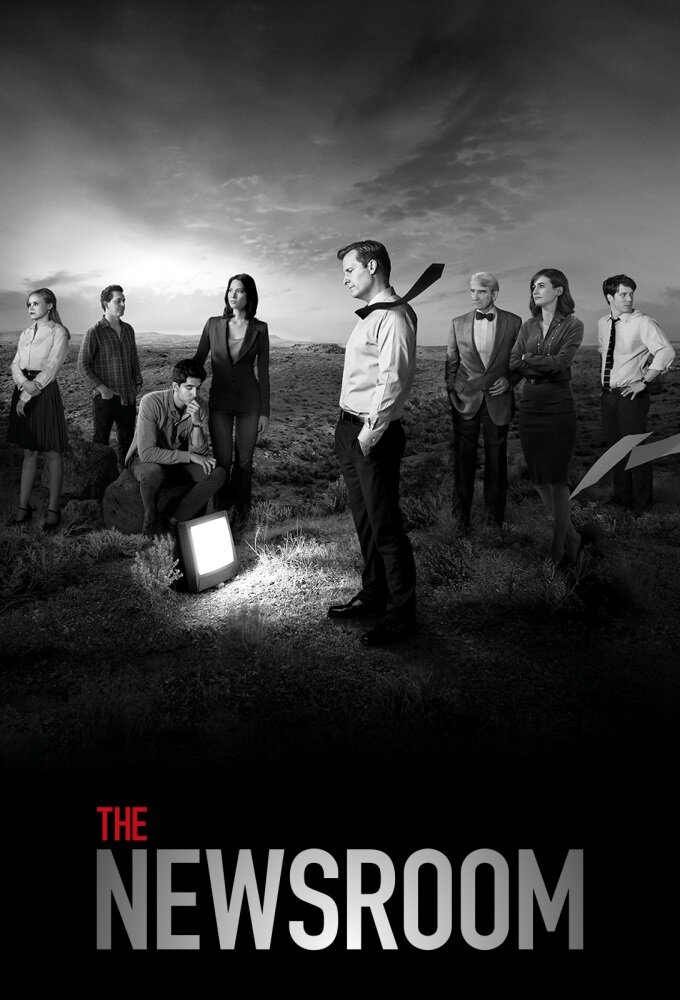
The Newsroom2012
Both center on protagonists who believe in systems working correctly—that if you follow procedure and expose truth, institutions will self-correct. Chief Kim is funnier because it knows that's partly a dream; The Newsroom keeps hoping it's not.
Aaron Sorkin's idealistic drama about smart people trying to do the right thing in institutions that fight them. Like Chief Kim, it's about expertise meeting compromise, with characters who believe competence should matter.
But Sorkin writes everyone as his voice. The dialogue is exhausting if you're not already devoted. Chief Kim is far more generous to how people actually talk.
People
Cast




Production
- Kim Sung GeunExecutive Producer
- Choi Joon HoProducer
- Lee Eun JinProducer