
Film
Detective Story
A day inside a police precinct where Detective McLeod's righteous fury collides with the messy humanity of crooks, victims, and fellow cops. Kirk Douglas burns through the screen with barely contained rage. It's procedural before that was a formula—urgent, unglamorous, fascinated by how moral certainty curdles into obsession. For anyone who wants to see where modern cop drama learned to think.
Should you watch it?
Watch it if you like tight, talky ensembles where one room and one long day peel back a crowd of petty crooks and cops, led by a cynical lead who slowly shows more than he means to.
Skip it if you need constant action or a plot that keeps moving forward; this is mostly people talking in one squad room, and its moral sermonizing can feel heavy-handed.
What it asks of you: Patience with a crowded room and a slow build of small scenes, a steady grimness, and about 103 minutes that stay mostly within one precinct.
Not sure? Find tonight's pick in a minute.
If you liked this
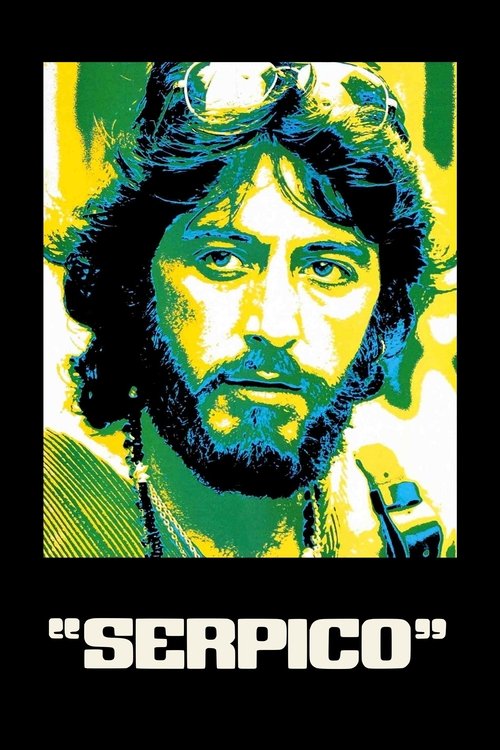
Serpico1973
Al Pacino as an honest cop in a corrupt system, fighting the same battle McLeod wages but against institutional rot rather than individual sin. Morally passionate and visually alive, with real stakes and real consequences.
But Seventies filmmaking can feel heavy-handed; some scenes prioritize message over moment, and the pacing occasionally stalls.
The Killers1946
Burt Lancaster and Ava Gardner in a noir that shares Detective Story's unflinching look at how desire and desperation destroy people. Taut, morally complex, and genuinely unsettling in ways most crime films aren't.
But It's shot in high contrast black-and-white that can feel distant. The story fragments in ways some find frustrating rather than elegant.

The Asphalt Jungle1950
John Huston's heist procedural, released the year before Detective Story. It's methodical and fatalistic—the blueprint for how crime films show the collateral damage of ambition. Every character is trapped by their own nature.
But Noir can read as dated; the pacing is deliberate rather than propulsive, which will bore you if you need constant movement.

Not sure tonight? Get a pick in a minute, starting from Detective Story
The wildcard
Something you would not have found on your own.
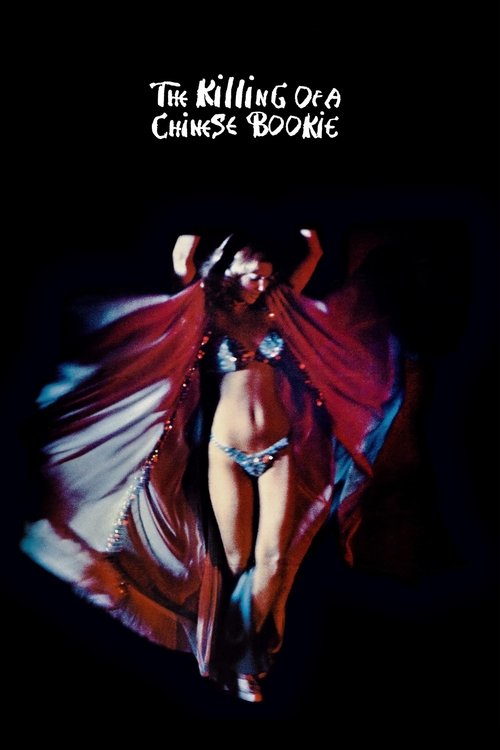
The Killing of a Chinese Bookie1976
Both are obsessed with how a man's sense of honor becomes the engine of his own destruction. McLeod and the Bookie are trapped by principles they refuse to bend, and the films unflinch as we watch it happen.
John Cassavetes' agonized character study of a nightclub owner trapped by debt and pride. Like McLeod, the protagonist is destroyed by his own moral rigidity and his refusal to compromise. It's messy, agonized, and achingly human in ways most police procedurals aren't.
But Cassavetes shoots handheld on a minimal budget; it looks deliberately rough and can feel more like a rehearsal than a finished film. The narrative meanders; if you need plot momentum, you'll be frustrated.
More like this (8)
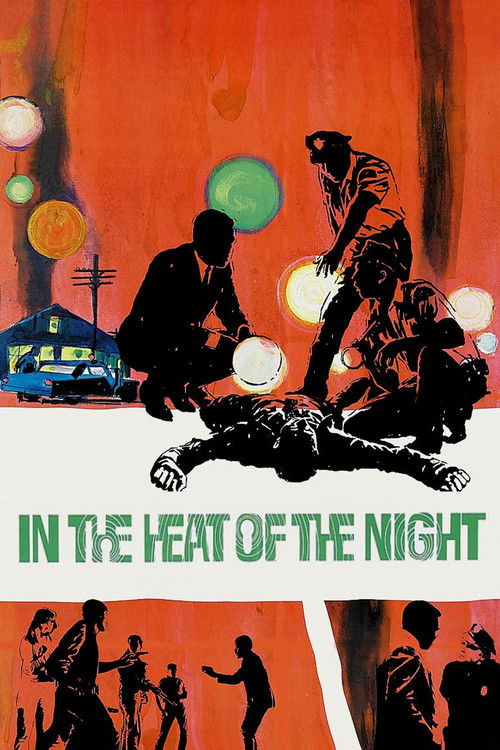
In the Heat of the Night1967
Sidney Poitier and Rod Steiger as detectives investigating a murder in the segregated South. It has Detective Story's procedural bones but adds a moral reckoning that McLeod never achieves. Brilliantly acted and genuinely tense.
But Some of the racial politics feel like 1967 earnestness rather than genuine reckoning; certain confrontations play safer than they should.
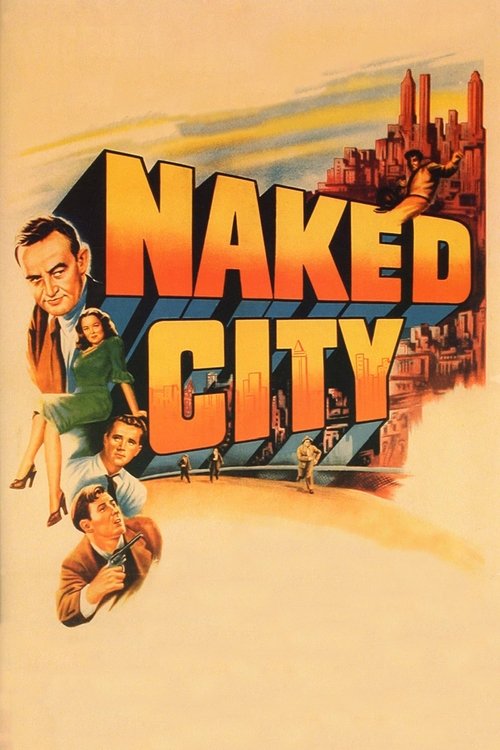
The Naked City1948
Mark Hellinger's semi-documentary police procedural shot on location in New York. It has the same DNA as Detective Story—gritty, unglamorous, fascinated by the machinery of detection and the city's indifference to suffering.
But It's genuinely scattered; the story doesn't have a clear spine, and you're meant to enjoy the texture rather than follow a tight narrative.
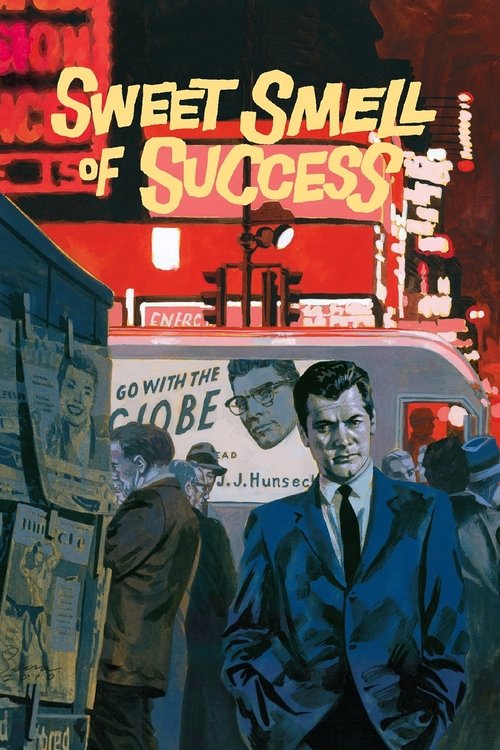
Sweet Smell of Success1957
Burt Lancaster as a vicious gossip columnist; Tony Curtis as a press agent willing to destroy lives for advancement. Morally poisoned, brilliantly written, and obsessed with how corruption operates in plain sight. Corrosive and magnificent.
But The dialogue is so stylized it requires active listening; the moral landscape is so bleak it offers no comfort whatsoever.
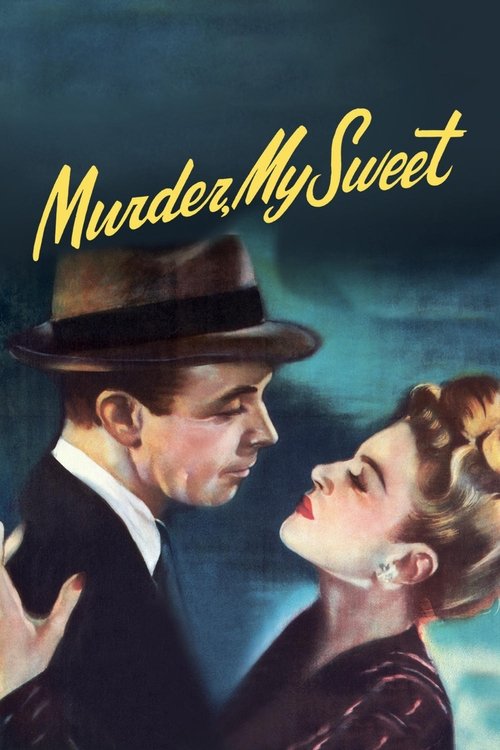
Murder, My Sweet1944
Dick Powell as a detective pulled into a case that destroys everything he thought he knew. It has McLeod's obsessive quality and the same noir fatalism—the sense that moral certainty is a luxury the world won't afford you.
But The plot twists accumulate to the point of bewilderment; some viewers find it frustratingly convoluted rather than richly complex.
The Killing1956
Stanley Kubrick's brutal heist film. It's procedural like Detective Story but inverts the perspective—you're watching the crime unfold from the criminal side. Coldly constructed and darkly funny about human weakness.
But The narrative is fractured across multiple timelines; if you want straightforward storytelling, this will feel deliberately obstructive.

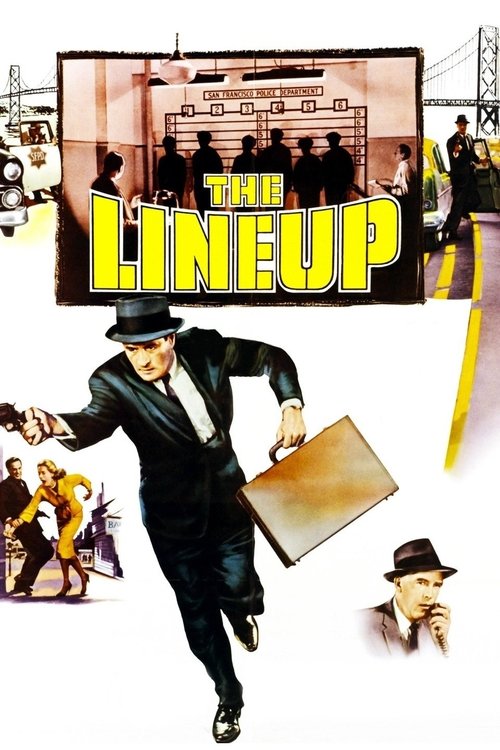
The Lineup1958
Don Siegel's procedural about San Francisco detectives tracking killers through the city. It has Detective Story's attention to the rhythms of investigation and the same grim understanding that not all cases end with justice.
But It's a B-picture sensibility in a B-picture package; the performances and direction are workmanlike rather than inspired.
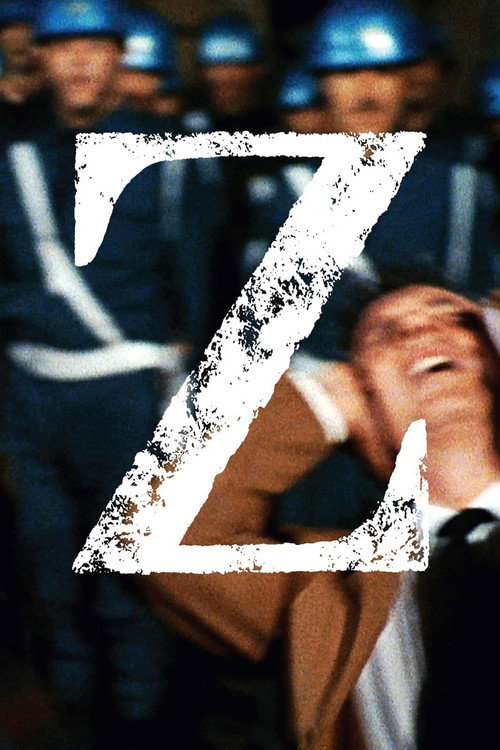
Z1969
Both believe that following procedure, pursuing truth, and respecting the law might actually mean something. Both are repeatedly disappointed by that belief. But the pursuit itself is the point.
Costa-Gavras' political thriller about investigating a murdered dissident. It has Detective Story's procedural rigor but escalates into a critique of institutional corruption and state power. Propulsive, intelligent, and genuinely angry.
But It's explicitly political and didactic; if you're watching for pure entertainment rather than ideas, the message-making can feel heavy-handed and preachy.
Contempt1963
Both films are fascinated by how people destroy what they love through their own rigidity and need to be right. Both watch the damage accumulate with no sentiment, no score to tell you how to feel. The form itself is the philosophy.
Godard's film-about-filmmaking: a marriage crumbling on a production set, watched with cold intelligence and strange tenderness. It's a procedural of emotion—you're following the machinery of how people betray each other, moment by moment.
But It's glacially paced by design; long static scenes with minimal dialogue. If you need narrative propulsion or dramatic music cues to feel invested, this will feel like watching paint dry.

People
Cast
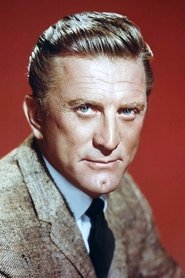 Kirk DouglasDet. James McLeod
 Eleanor ParkerMary McLeod
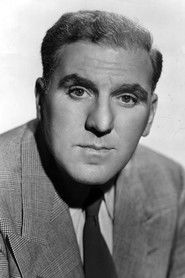 William BendixDet. Lou Brody
 Cathy O'DonnellSusan Carmichael
 George MacreadyKarl Schneider
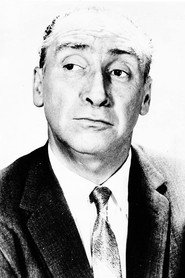 Horace McMahonLt. Monaghan
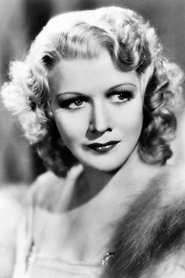 Gladys GeorgeMiss Hatch
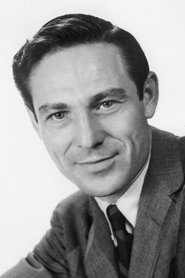 Joseph WisemanCharley Gennini
 Lee GrantShoplifter
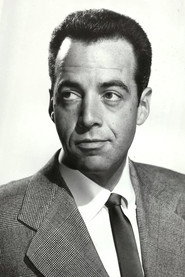 Gerald MohrTami Giacoppetti
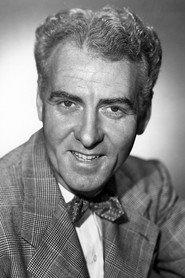 Frank FaylenDet. Gallagher
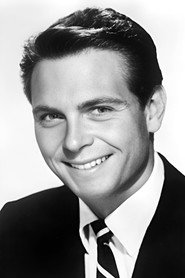 Craig HillArthur Kindred
Directing
- Charles C. ColemanAssistant Director
- William WylerDirector
Writing
- Philip YordanScreenplay
- Robert WylerScreenplay
- Sidney KingsleyTheatre Play
Production
- Lester KoenigAssociate Producer
- Robert WylerAssociate Producer
- William WylerProducer
- Don RobbUnit Manager