
Film
Rogue's Yarn
A 1957 British crime thriller about a man plotting his wife's murder, undone by a sharp detective who sees through his carefully constructed alibi. It's brisk, efficient filmmaking—the kind of tight procedural that doesn't waste a frame, made for audiences who appreciated craft over spectacle. Ideal for viewers who love old mysteries that play fair.
Should you watch it?
Watch it if you enjoy old-fashioned whodunit-in-reverse mysteries where the pleasure is watching a clever scheme get picked apart piece by piece, with a crisp, economical 1950s British-style craft.
Skip it if you need modern pacing or a lot of visual flash, since this is a tight, talky studio picture built on dialogue, interviews and a plan being tested against the police.
What it asks of you: It runs a brisk eighty minutes and stays mostly in rooms, so it asks you to lean in and follow the reasoning rather than be carried by spectacle.
Not sure? Find tonight's pick in a minute.
If you liked this
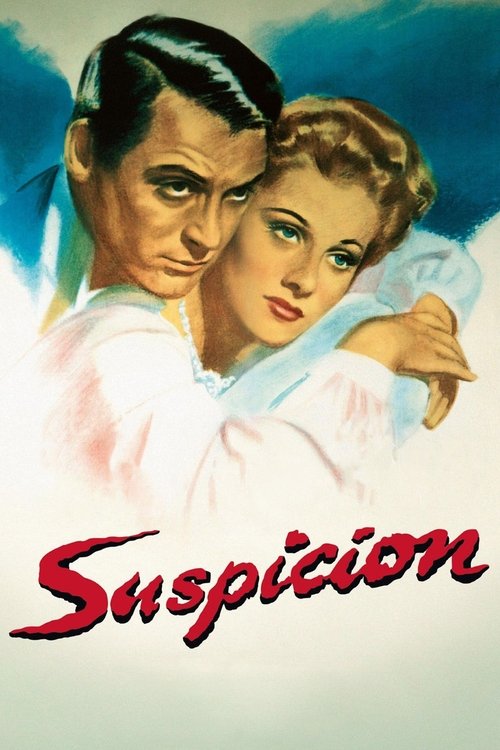
Suspicion1941
Cary Grant as a charming man his wife suspects of murder. Hitchcock's mastery of doubt and paranoia, with that famous final twist that still divides viewers. Pure psychological manipulation.
But The ending famously disappointed contemporary audiences and remains controversial. Some find the pacing uneven by modern standards.
Laura1944
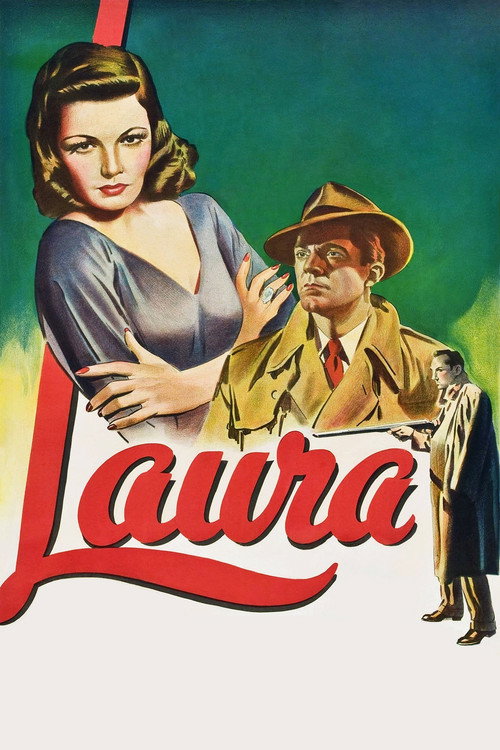
A detective falls in love with a dead woman while investigating her murder. Otto Preminger's elegant noir classic, built on elegance and suggestion rather than action. Visually stunning and morally complicated.
But Slower than you might expect; the mystery matters less than the obsession. Black-and-white 1940s aesthetics won't appeal to everyone.
The Asphalt Jungle1950
Heist film that practically invented the template. A jewel robbery told from multiple angles, with methodical plotting and real consequences. Bracingly unsentimental and influential.
But It's a men's world almost entirely; women are accessories. Some sequences drag by modern pacing standards.

Not sure tonight? Get a pick in a minute, starting from Rogue's Yarn
The wildcard
Something you would not have found on your own.
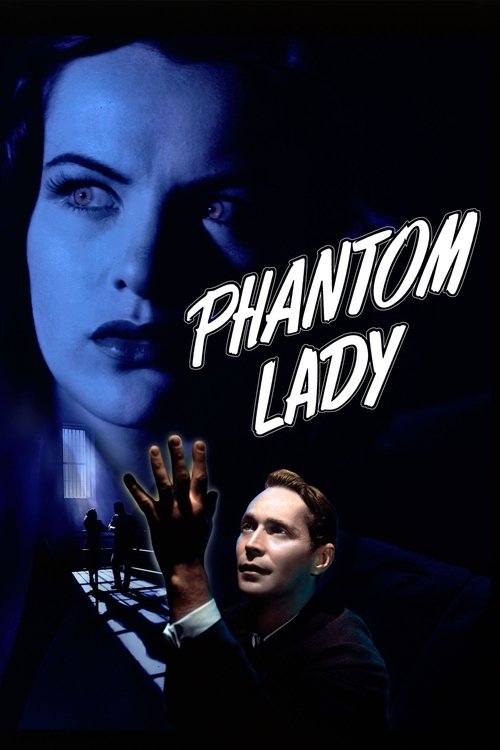
Phantom Lady1944
Both hinge entirely on an alibi—one man's claim that someone can prove his innocence becomes the obsessive engine of the entire narrative.
A man convicted of murder must find the mysterious woman who was his alibi. Robert Siodmak's fever-dream of paranoia and desperation, with one of cinema's greatest suspense sequences on a subway. Completely gripping.
But It's expressionist and sometimes overwrought; some find the emotional extremity exhausting. The gender politics are very much of 1944.
More like this (8)
In a Lonely Place1950
Humphrey Bogart as an acerbic screenwriter accused of murder. Nicholas Ray's exploration of how suspicion corrodes relationships, with Bogart doing some of his best work—wounded and volatile.
But Bleak and unresolved in ways that frustrate viewers wanting closure. Bogart's character is difficult to like, which is partly the point but not for everyone.

The Third Man1949
Set in post-war Vienna, a man discovers his old friend isn't dead, and nothing is what it seemed. Carol Reed's masterpiece of betrayal and moral ambiguity, with Orson Welles unforgettable in brief screen time.
But The zither score is polarizing; some find it whimsical when the film is dark. It's stylish to the point of distraction for some viewers.

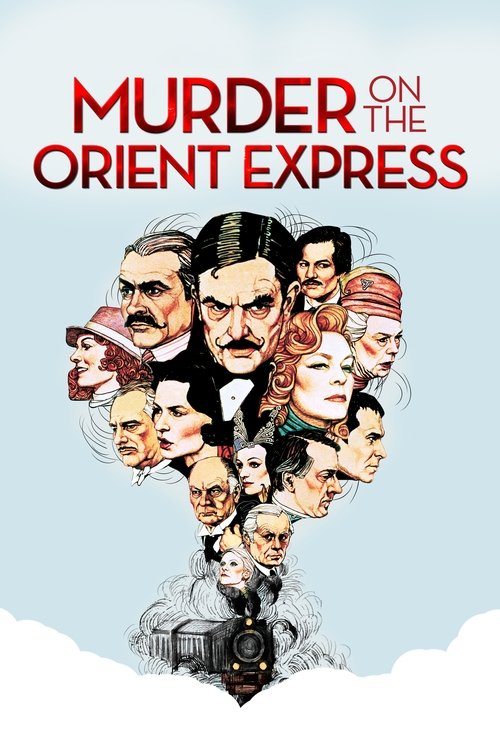
Murder on the Orient Express1974
Agatha Christie's locked-room mystery with an all-star cast. Albert Finney as Poirot, solving an impossible murder on a train. Elegant, playful, and genuinely clever plotting.
But The ensemble cast means less time for anyone; some find it theatrical rather than gripping. The solution has been picked apart by mystery enthusiasts for decades.
The Killers1946
Burt Lancaster's debut—a boxer who knows someone's coming to kill him. Robert Siodmak's flashback structure predates most modern crime narratives. Tense, stylish, and surprisingly human.
But The narrative is fractured deliberately; it demands attention. Not a traditional linear mystery, which some find unnecessarily complex.

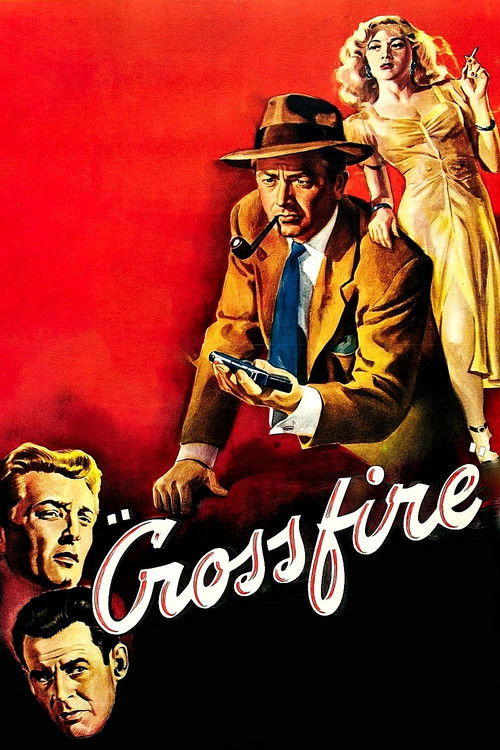
Crossfire1947
A murder investigation that becomes a study of prejudice and mob mentality. Robert Ryan as a vicious bigot. Sharp social commentary wrapped in noir, serious about its themes without preaching.
But Dated attitudes throughout, even in the critique. Some find the messaging heavy-handed by contemporary standards.
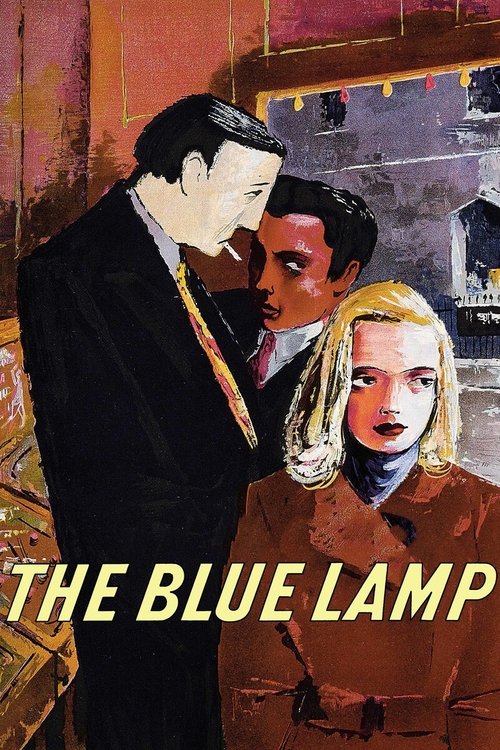
The Blue Lamp1950
A British police procedural about finding the killer of a murdered constable. Understated and documentary-like in approach, with real London locations and a community coming together. Influential on crime drama.
But Leisurely paced by modern standards; the resolution comes late. More interested in police work than thrills, which tests patience for action-driven viewers.
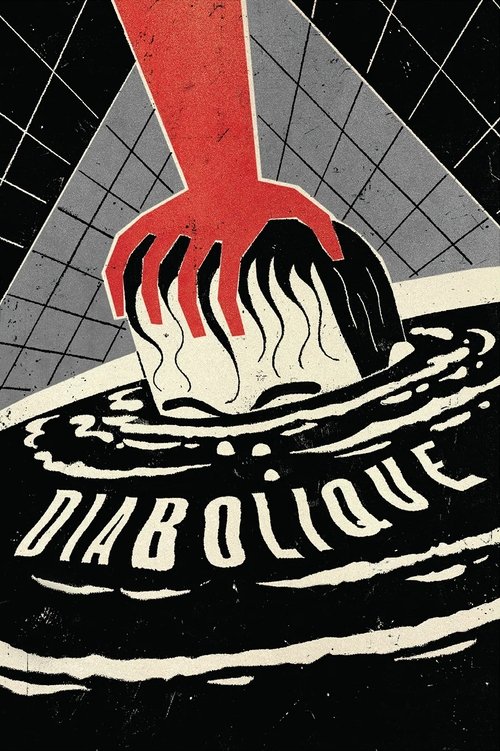
Diabolique1955
The inverse of your film: here the 'victim' deserves it, and the plot succeeds in ways that sicken everyone, including the audience. Same dark marriage, opposite moral universe.
Two women plot a husband's murder in a boarding school. Henri-Georges Clouzot's French masterpiece, genuinely frightening and claustrophobic. That bathtub scene is cinema history. Moral desperation meeting practical cruelty.
But It's a French film from 1955 with period pacing; very slow by contemporary standards. The violence is disturbing in ways some find gratuitous.
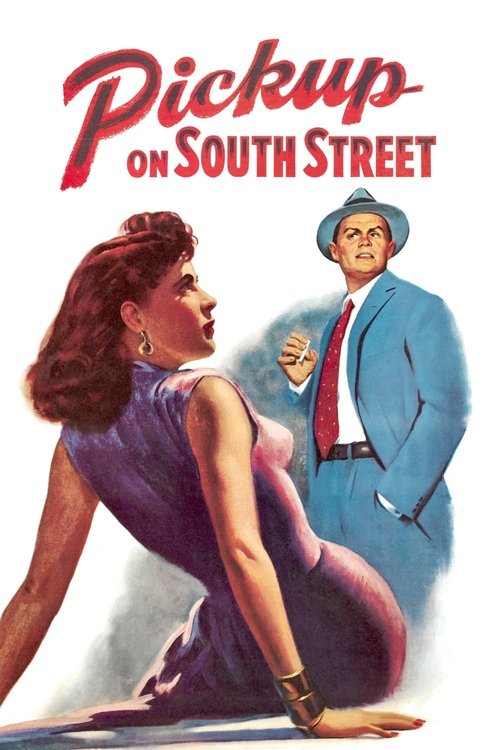
Pickup on South Street1953
Both are tight 80-minute crime films made in the 1950s where a seemingly straightforward plot about crime conceals something darker about the world—but where Rogue's Yarn is cool and controlled, Fuller's is hot and furious.
A pickpocket steals a wallet full of espionage secrets in Cold War New York. Samuel Fuller's scrappy, vituperative thriller—energetic, cynical, morally rotten at its core. Thelma Ritter is magnificent. Raw and alive.
But Grimy and unglamorous; the hero is a liar and a criminal. Fuller's aggressive style is abrasive, and subtlety is not part of the arsenal.
People
Cast
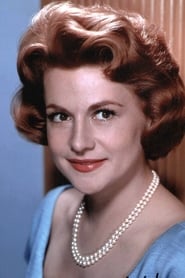 Nicole MaureyMichele Cartier
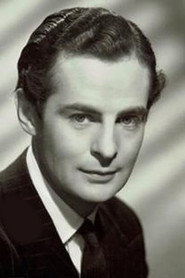 Derek BondJohn Marsden
- Elwyn Brook-JonesInspector Walker
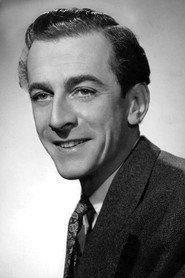 Hugh LatimerSgt. Adams
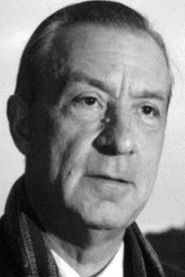 John SerretInspector Lafarge
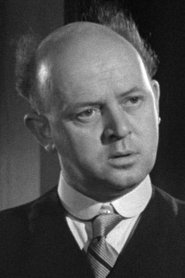 John SalewSam Youles
- Joan CarolNurse
- Nigel FitzgeraldCommissioner
- Madoline ThomasCook
- Agatha CarrollHester Marsden
- Barbara ChristieMiss Jones
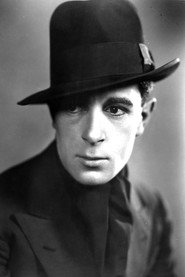 Hugh MortonDoctor
Directing
- Vernon SewellDirector
Writing
- Ernle BradfordWriter
- Vernon SewellWriter
Production
- George MaynardProducer